
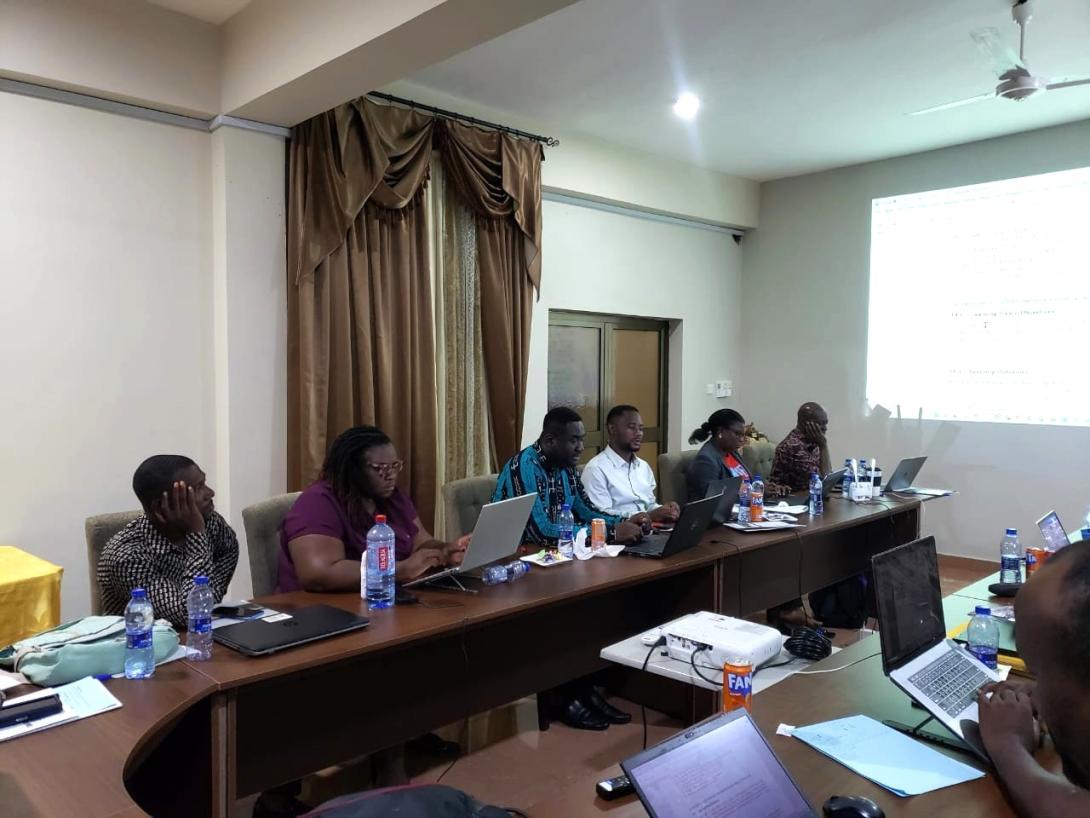
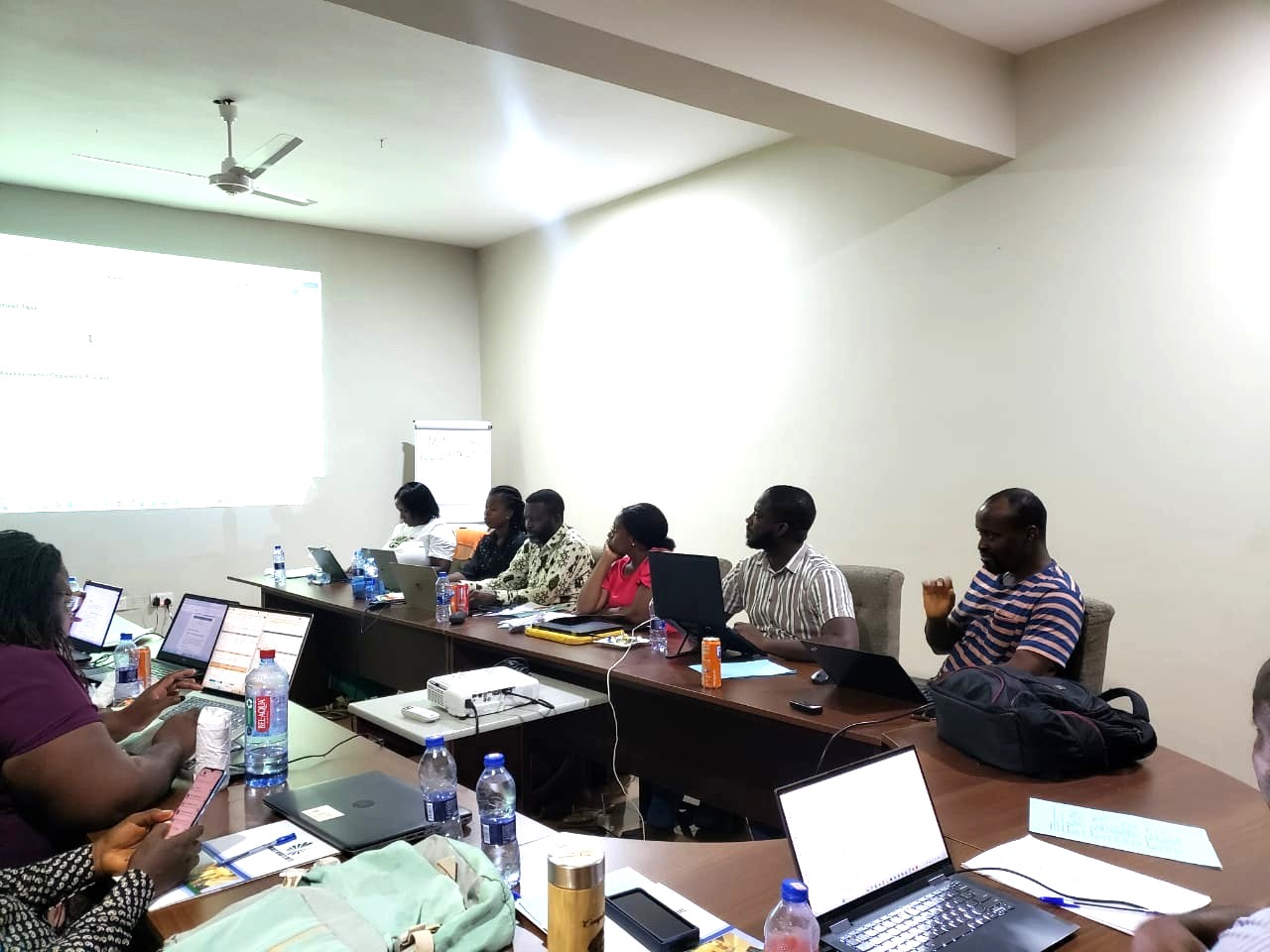
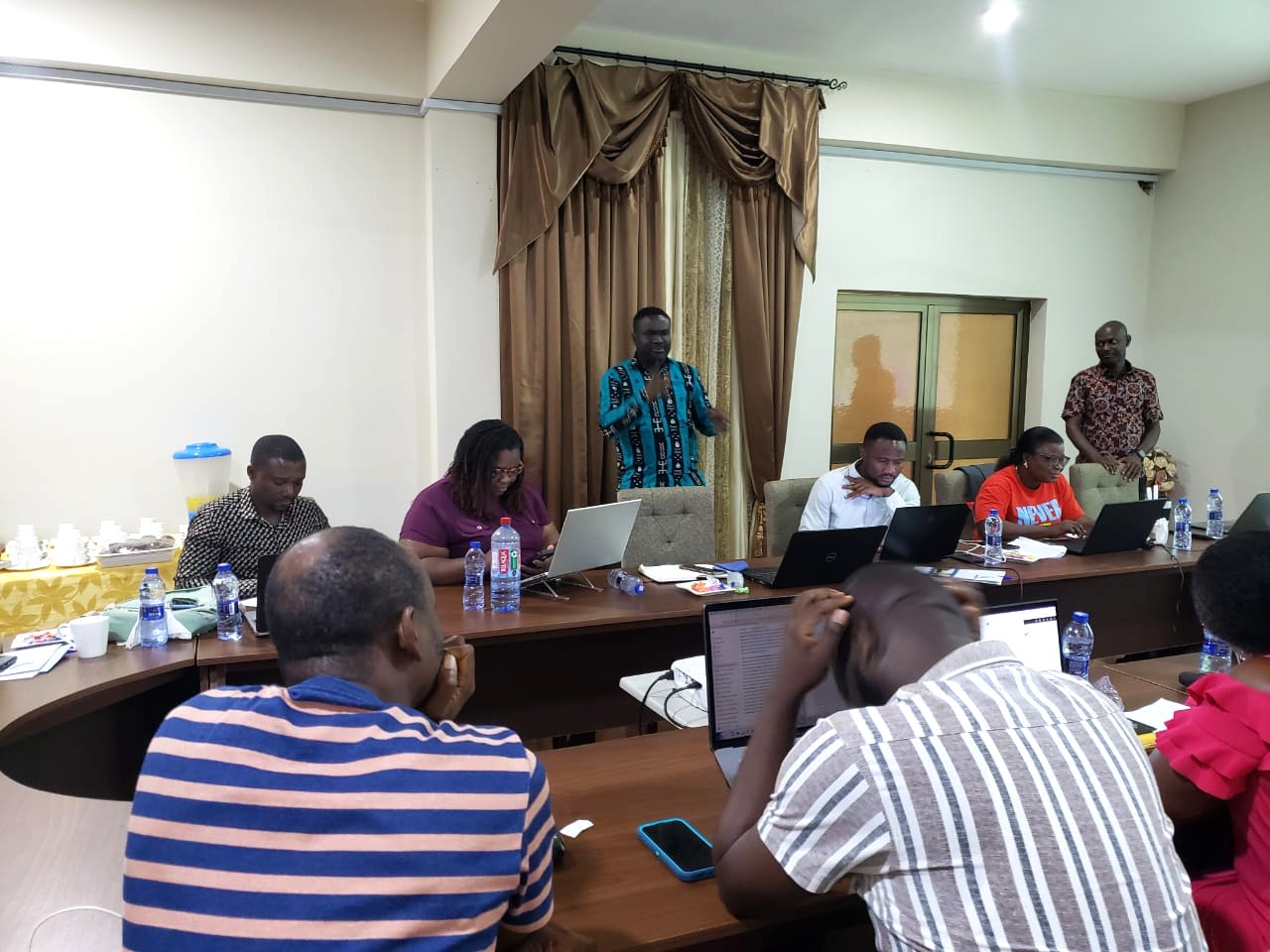
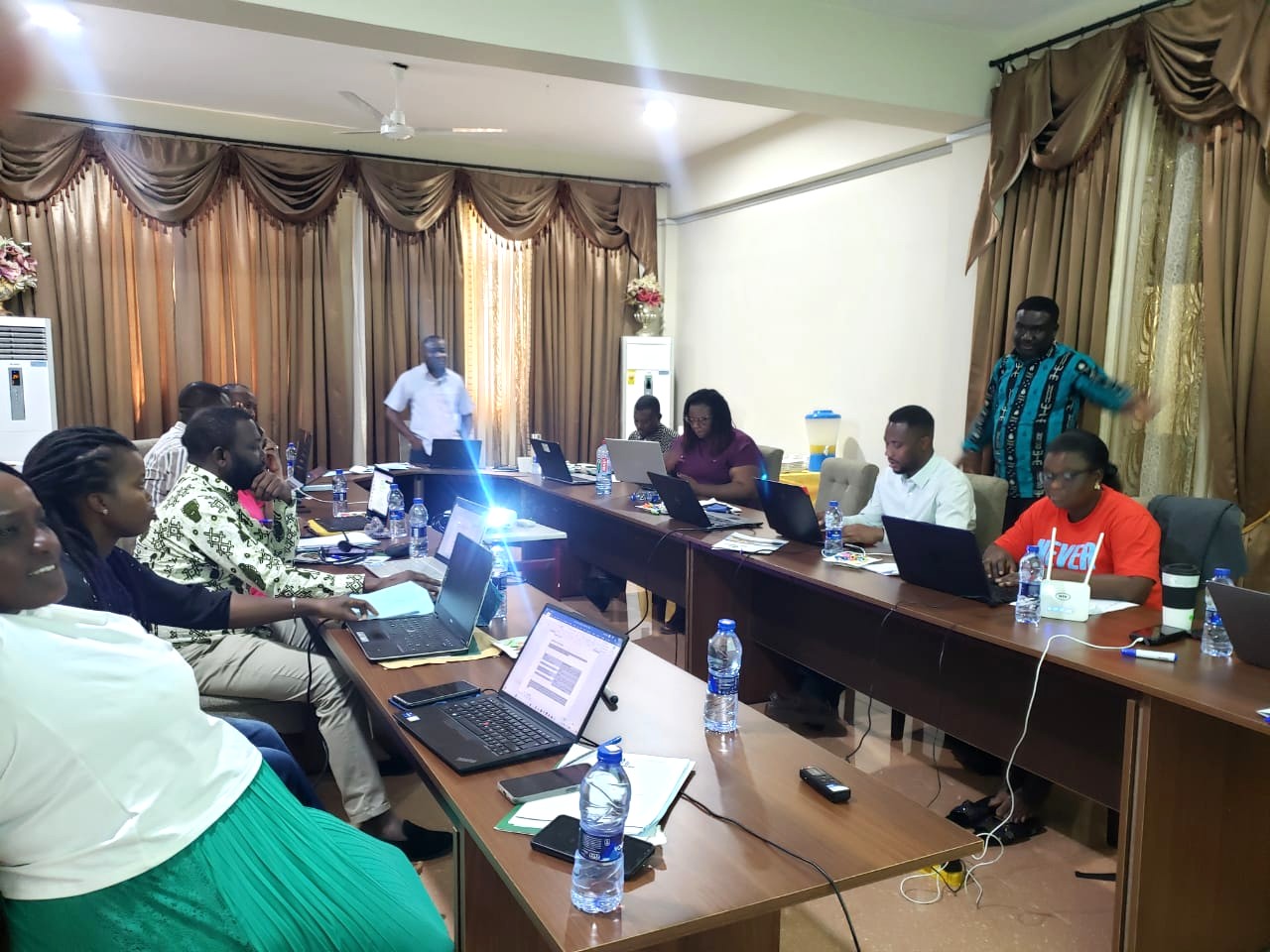
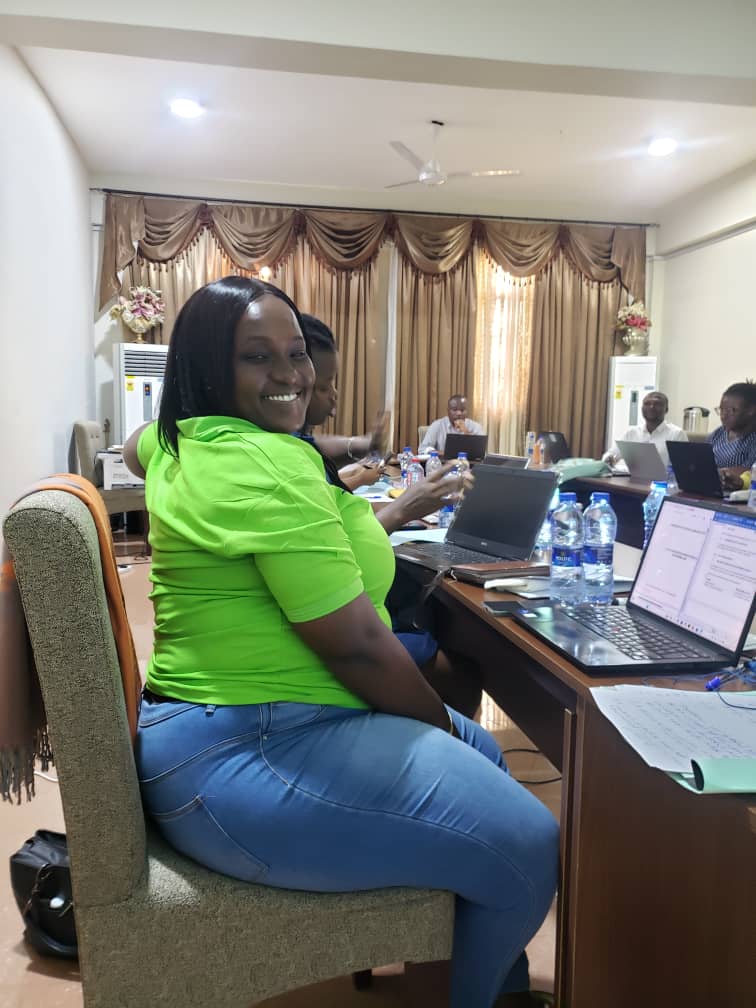
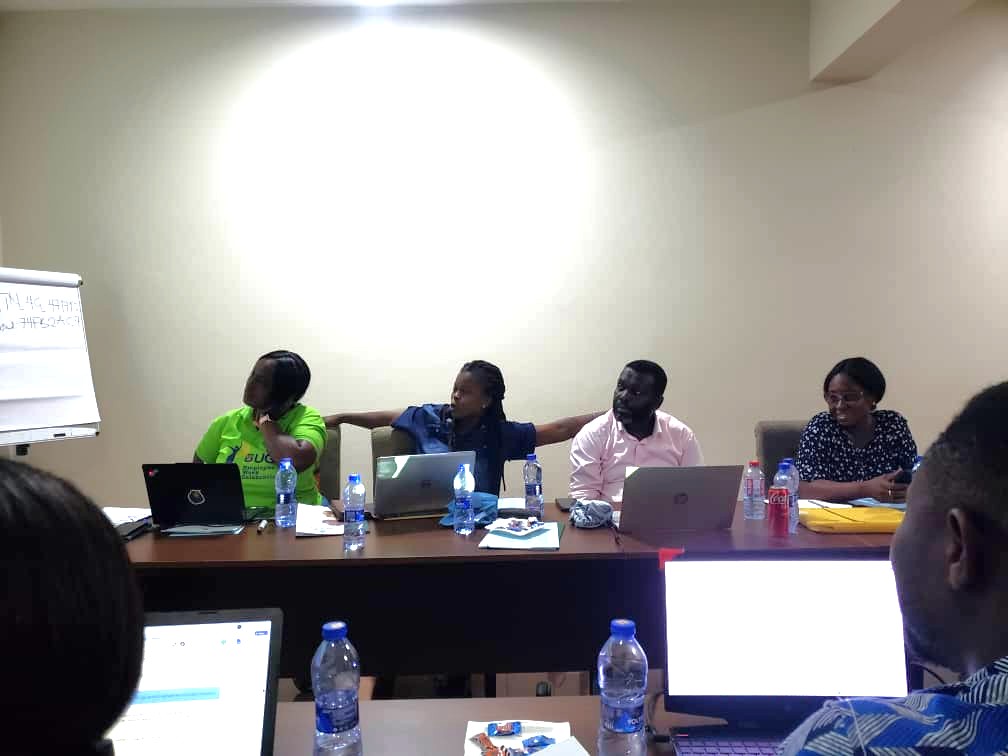
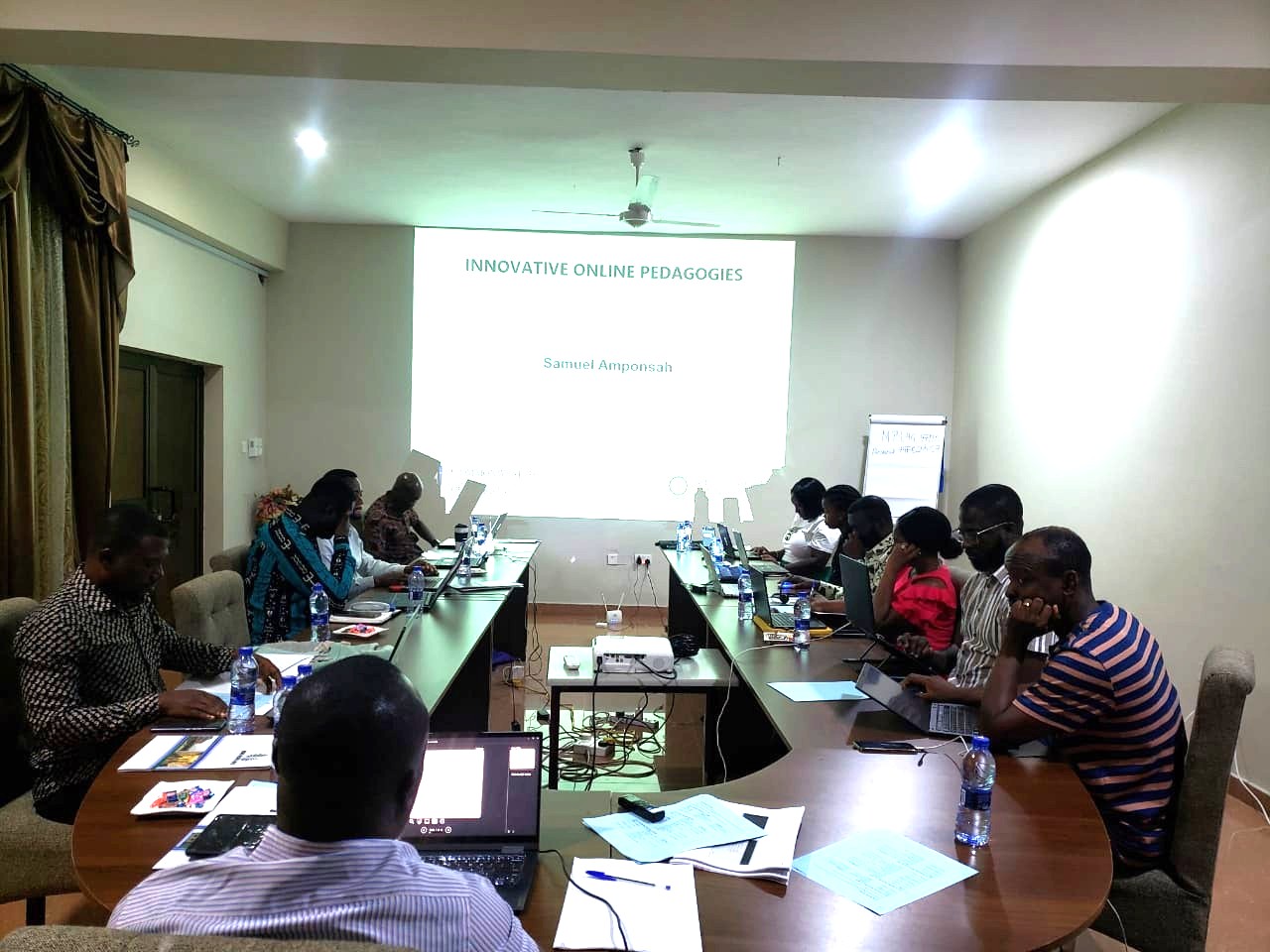
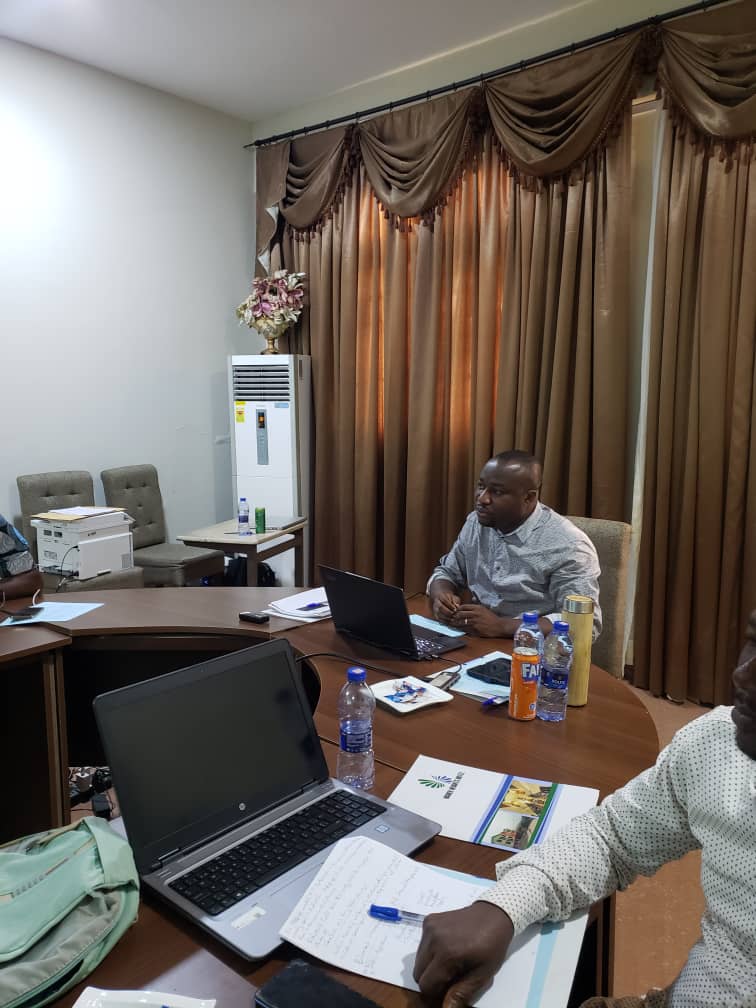
The picturesque setting of the Higher Heights Hotel was the backdrop for a critical and inspiring four-day residential training workshop, where faculty members gathered to revolutionise the course materials for the Distance Education (DE) Master’s Educational Technology Programme.
Running from 17th to 20th November 2025, the intensive workshop was not just about updating syllabi, it was about laying the pedagogical groundwork for a cutting-edge virtual learning environment. The mission, as set out by the Head of Department, Prof. Samuel Amponsah, in his opening address, was clear: to ensure the DE programme offers consistent, standardised, and impactful learning materials worthy of the institution's commitment to quality.
The core of the initial sessions focused on creating the ultimate student guide, the Study Guide. Mr. Ebenezer Odamey Darkwah provided a detailed blueprint, stressing that distance learning demands materials that are detailed enough for students to follow independently. The emphasis was one of rigour and precision. Every study guide must be comprehensive, complete with a course code, a detailed description, and a clear reading list. Crucially, all materials must be structured around Bloom’s Taxonomy, ensuring that learning objectives, from 'knowledge' to 'evaluation', are mapped to appropriate cognitive skills.
- The Power of Clarity: Each session needs clear learning objectives, detailed activities, and unambiguous assignment instructions.
- The Right Framework: The recommended length of a study guide is between eight (8) and twelve (12) sections, ensuring manageability without sacrificing depth.
- Assessment Matters: A structured assessment breakdown must be clearly communicated, along with explicit instructions on how assignments are to be completed and submitted.
This focus on intentional design was further cemented by Mr Darkwah’s firm deadline, indicating that all course materials must be uploaded onto the Sakai Learning Platform before the start of the semester, ensuring timely access for every student.
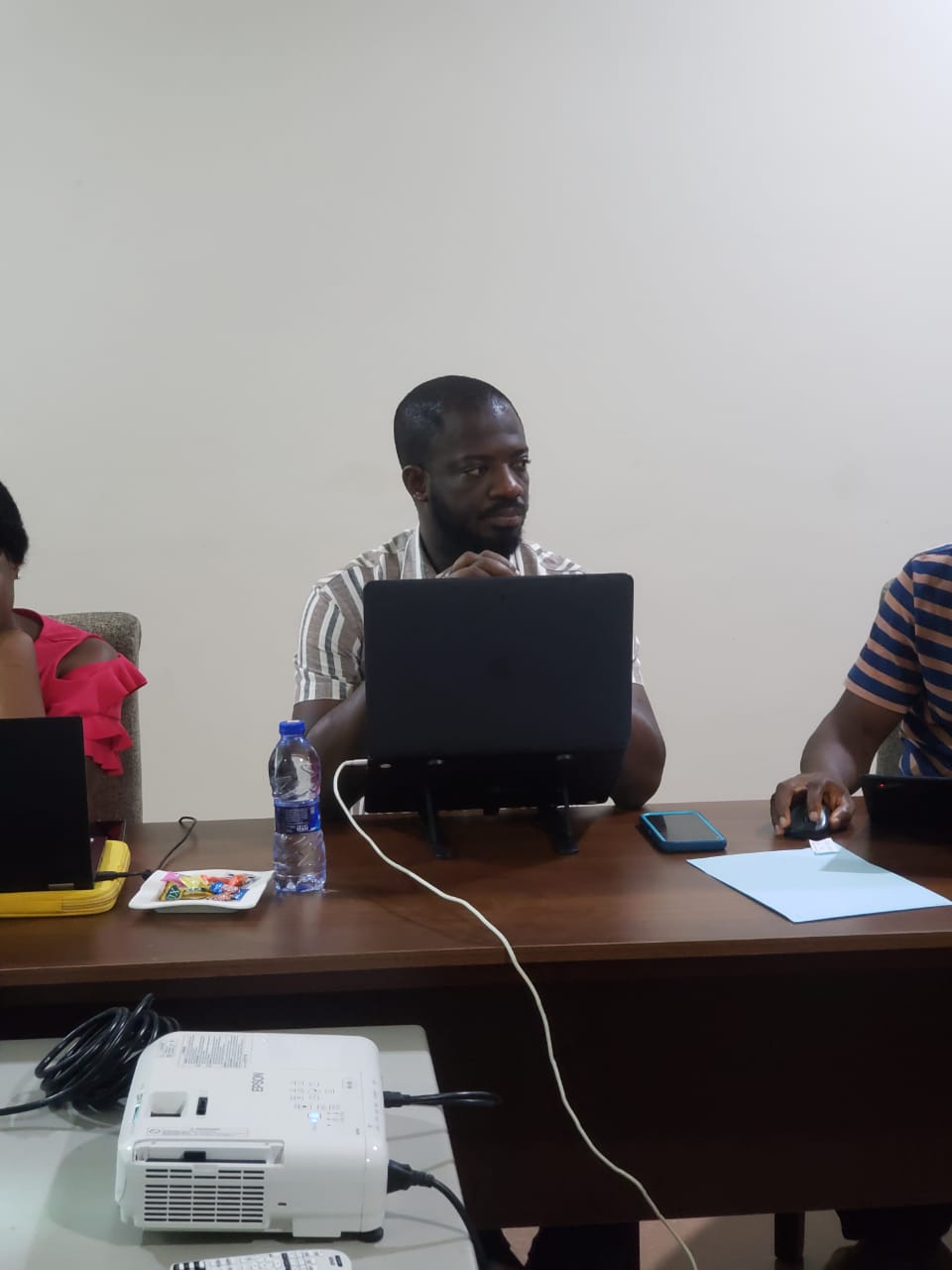
The workshop moved beyond static documents to explore dynamic virtual engagement. Mr. Yusifu Amadu introduced principles for effective online teaching, noting that technology must be viewed as an ally in the learning process. He emphasised the need for a learner-centred approach and the strategic use of simple, accessible tools. The ADDIE model (Analyse, Design, Develop, Implement, Evaluate) was presented as the foundational institutional framework, ensuring course creation is systematic and purposeful.
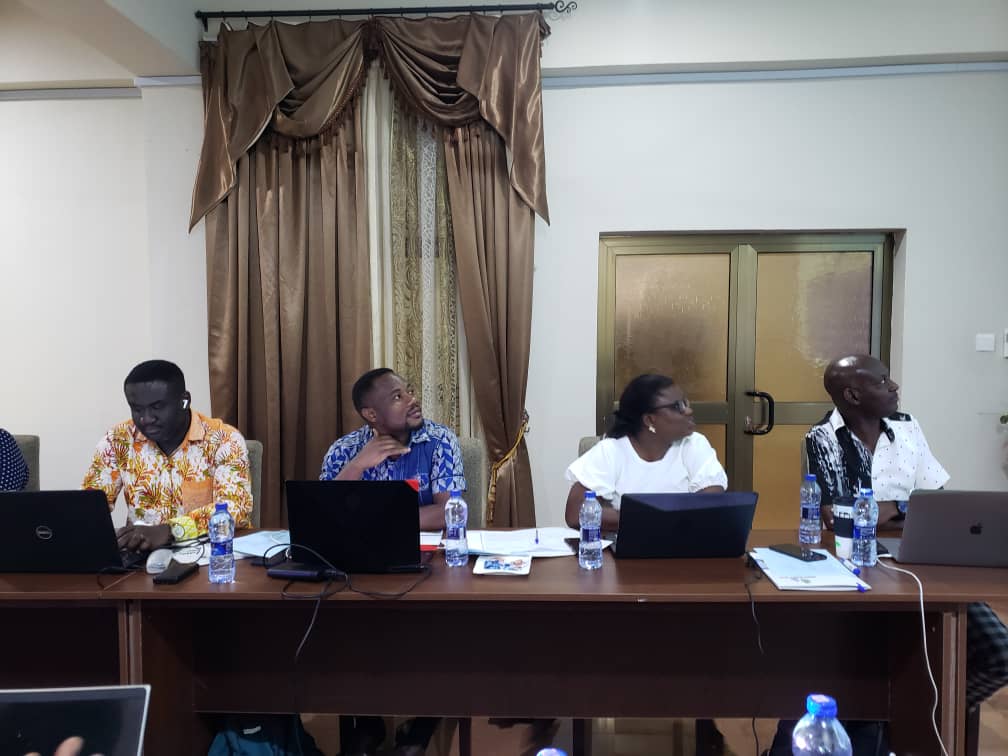
Regarding support in virtual environments, Dr Jonathan Odame emphasised that teaching online is not without its challenges. He invited participants to share their stories, highlighting the common realities of virtual learning, from students joining sessions inappropriately dressed to the perpetual issue of poor internet connectivity. This led to a discussion on student well-being. Dr. Odame and Ms. Matilda Appiah presented a vital session on support and counselling, recognising that the online learning environment can increase stress due to balancing work, family, and academic life. They underscored the need for consistent academic and emotional support, with lecturers encouraged to use core counselling skills like active listening and non-judgemental communication to build a sense of community.
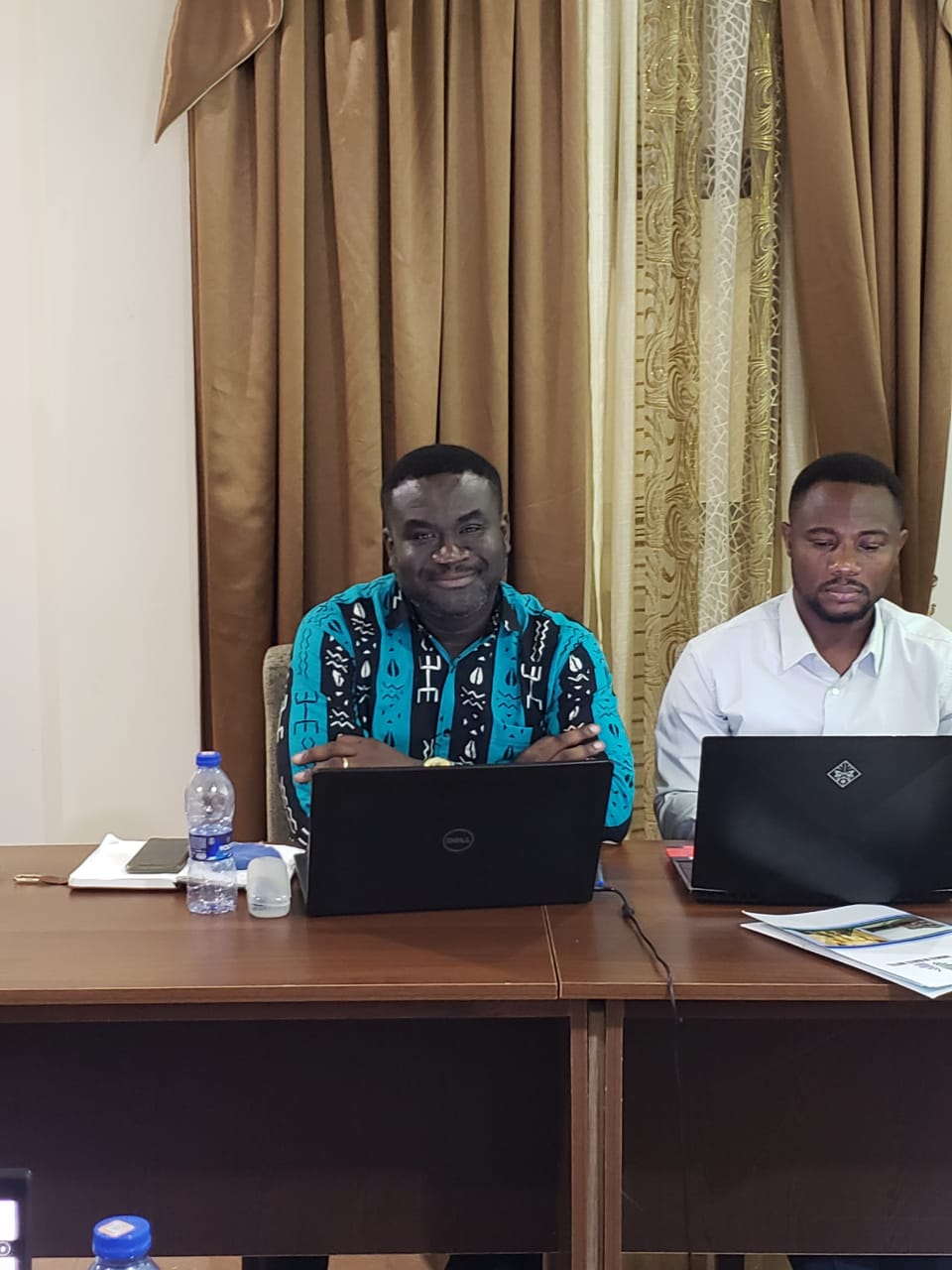
On the third day, Prof. Amponsah led the charge on innovation, challenging participants to embrace the evolution of distance education into open and distance education. He urged lecturers to focus on innovative teaching and learning over mere syllabus completion. "While a lecturer may not cover the entire syllabus, students must grasp key concepts," he asserted. This means moving away from traditional 'chalk-and-talk' methods towards blended learning strategies and experiential learning. Recommendations included:
- Assigning students to organizations to observe theory in practice.
- Integrating frequent student presentations.
- Adopting problem-solving tasks that shift the focus from rote learning and marks to comprehension and application.
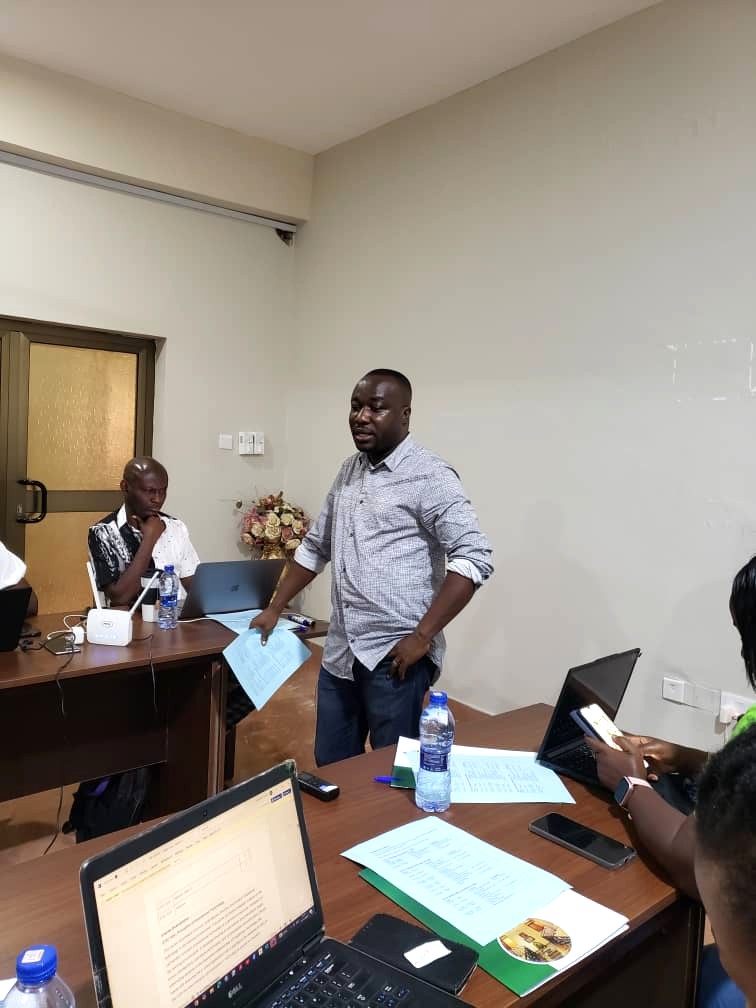
This shift in focus was brilliantly supported by Mr. Amadu’s presentation on Alternative Assessment Methods. Recognising the limitations of traditional sit-down examinations in EdTech, he championed performance-based, formative assessments guided by clear rubrics. Alternative assessments, he explained, encourage creativity, promote constructive feedback, and better prepare students for real-world challenges. Recommended options included e-portfolios, project-based tasks, and even the design of functional course sites and game-based assessments.
The workshop culminated in lecturers presenting their newly drafted materials for peer review, a true testament to the collaborative spirit of the event. As Prof. Amponsah concluded the proceedings, he commended the participants for their active engagement, noting the success of the workshop in preparing the faculty for the upcoming academic year.
Proceedings from the workshop make it clear that, though the timelines for the impending academic year were tight, the foundation has been built to offer the first cohort of graduate students truly transformative student experiences. All participants agreed that through rigorous adherence to the new guidelines, from Bloom’s Taxonomy in objectives to e-portfolios in assessment, the faculty is poised to deliver a Distance Education Master’s Degree Programme that is not just distant, but distinguished.
Story by:
Mr Kennedy Ofori (Principal Organiser) and Mr Frank Kasapa (Instructional Technologist)
Department of Distance Education