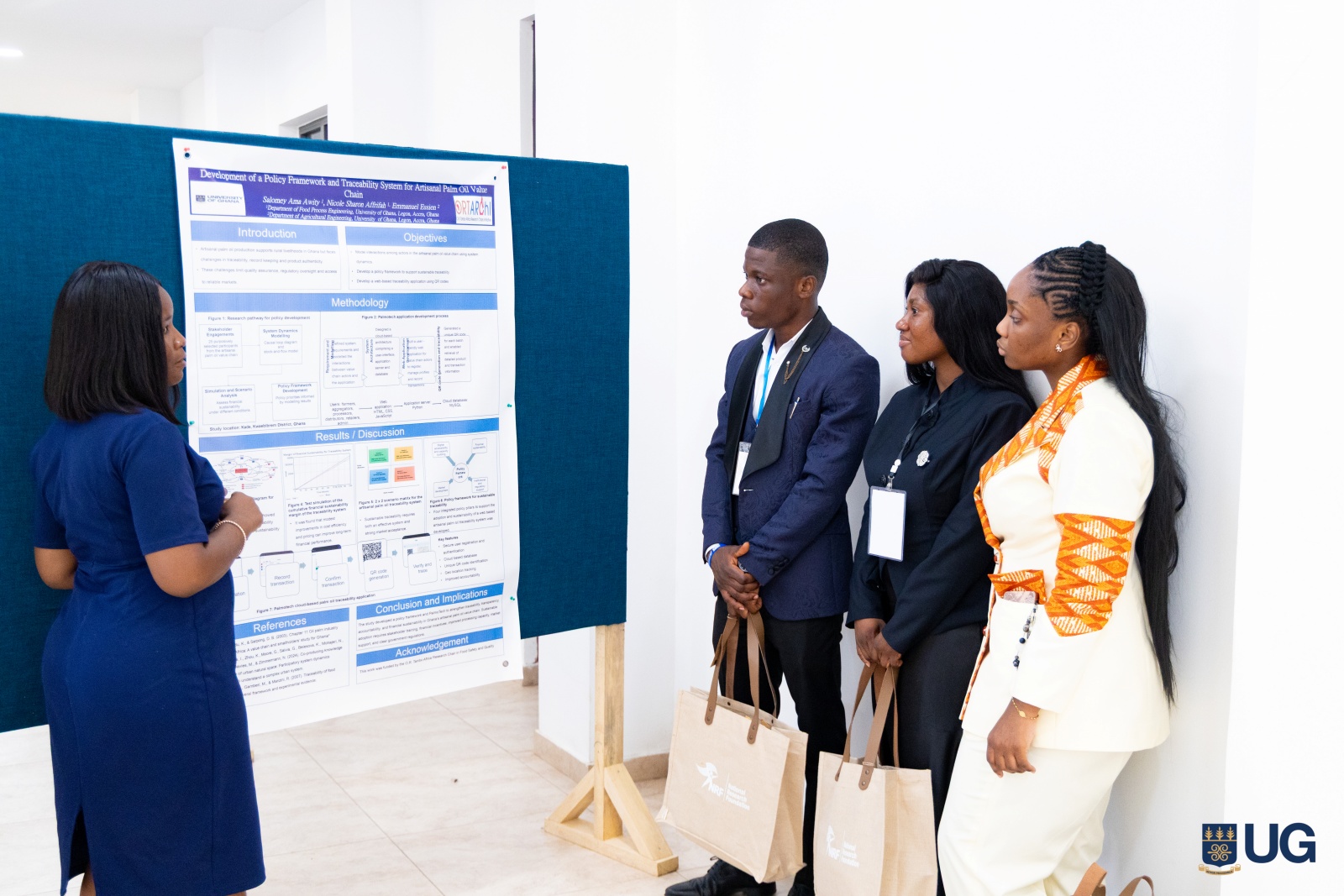
Africa Must Turn Research into Enterprise, Speakers Urge at ORTARChI Conference at UG
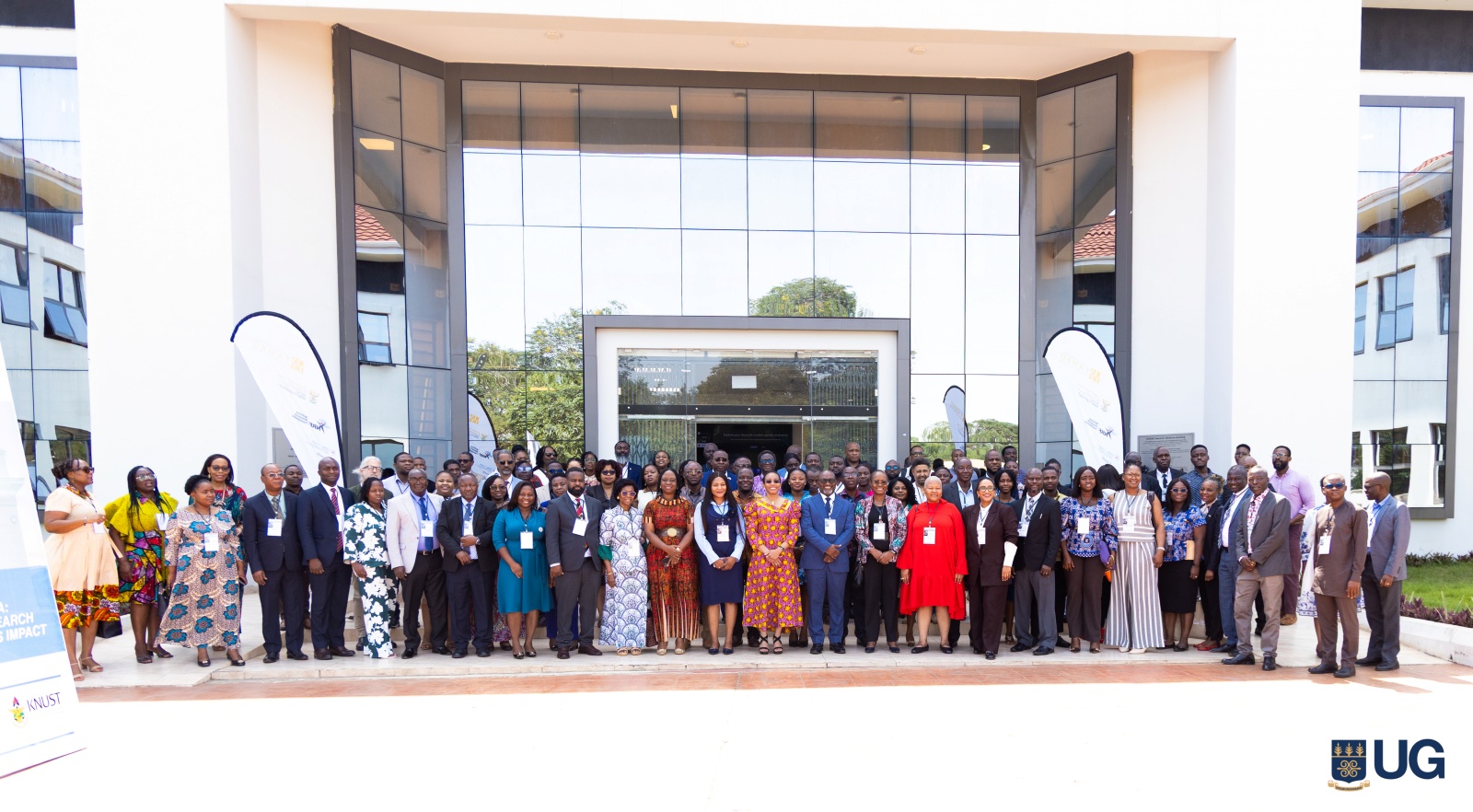
African universities and research institutions must do more to turn research into products, businesses and jobs, speakers said at the opening of the 2026 Annual Gathering of the O.R. Tambo Africa Research Chairs Initiative (ORTARChI) at the University of Ghana (UG).
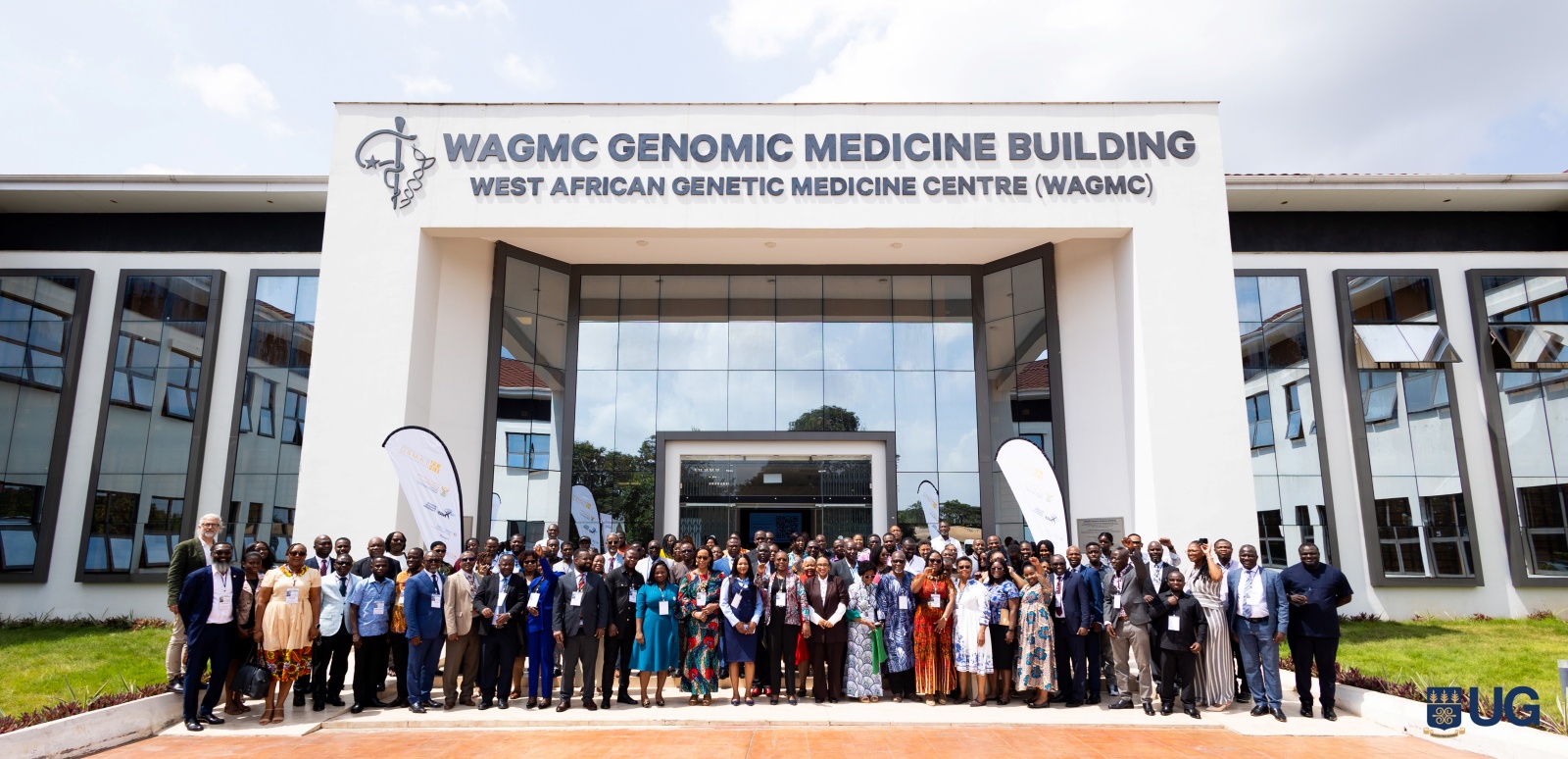
The three-day conference, on the theme “Bridging Science and Enterprise in Africa: Translating Academic Research into Industrial and Business Impact,” opened on Monday, 26 October 2026, at the West African Genetic Medicine Centre (WAGMC), UG. It brings together research chairs, university leaders, policymakers, industry, investors and development partners from across Africa and beyond.
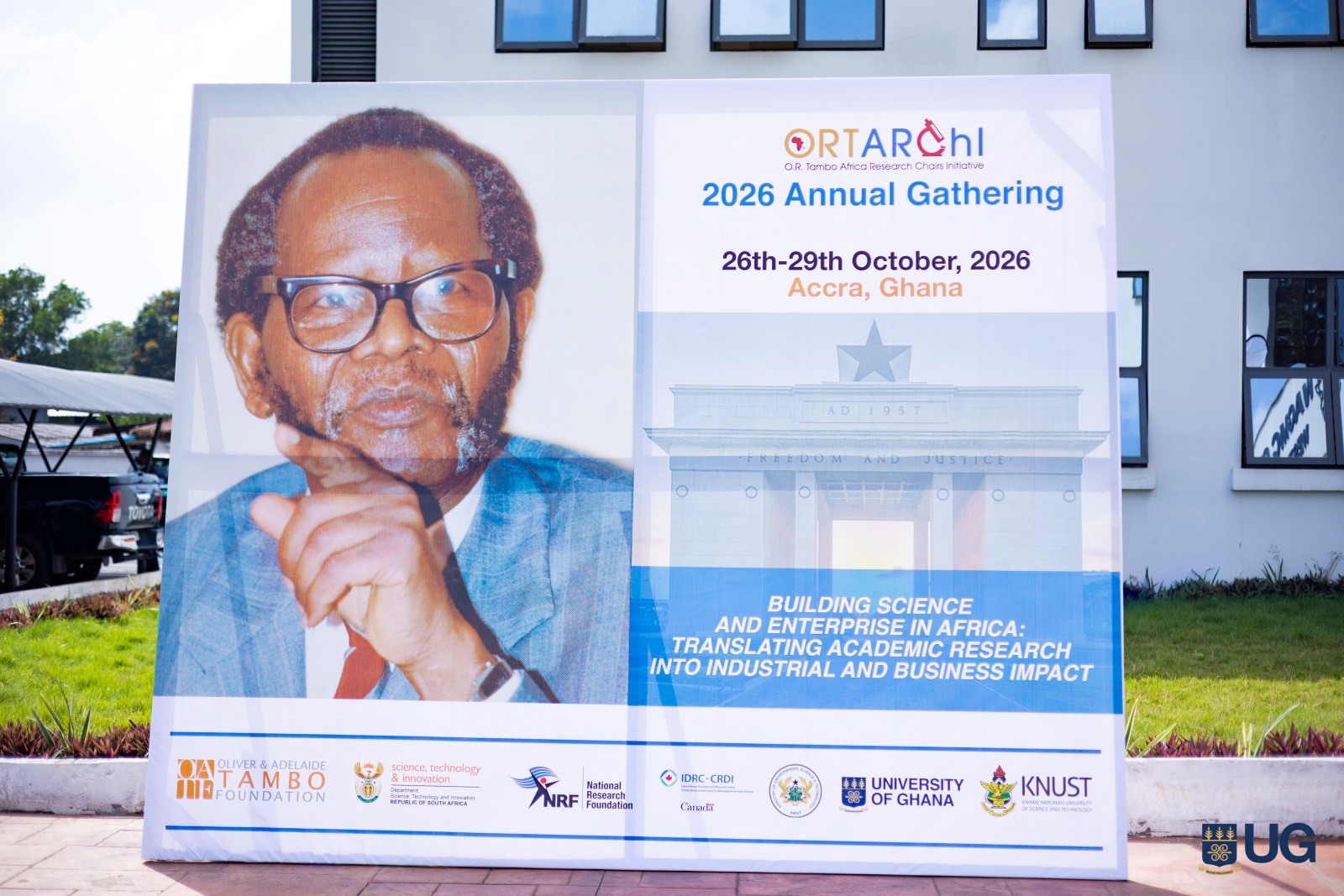
ORTARChI honours Oliver Reginald Tambo, a former President of the African National Congress of South Africa. It is supported by the Department of Science, Technology and Innovation (DSTI) and the National Research Foundation (NRF) of South Africa, the Oliver and Adelaide Tambo Foundation (OATF) and the International Development Research Centre (IDRC) of Canada, in partnership with Science Granting Councils in the participating countries.
The initiative supports ten research chairs in Botswana, Burkina Faso, Ghana, Mozambique, Tanzania, Uganda and Zambia. UG hosts the O.R. Tambo Africa Research Chair in Food Safety and Quality, held by Prof. Kwesi Firibu Saalia.
In his welcome address on behalf of the Vice-Chancellor, the Pro Vice-Chancellor for Research, Innovation and Development, Prof. Samuel Nii Ardey Codjoe, said the theme touched the heart of a key challenge for the continent, which is how to ensure that scientific output reaches the market, the clinic, the farm and the factory.
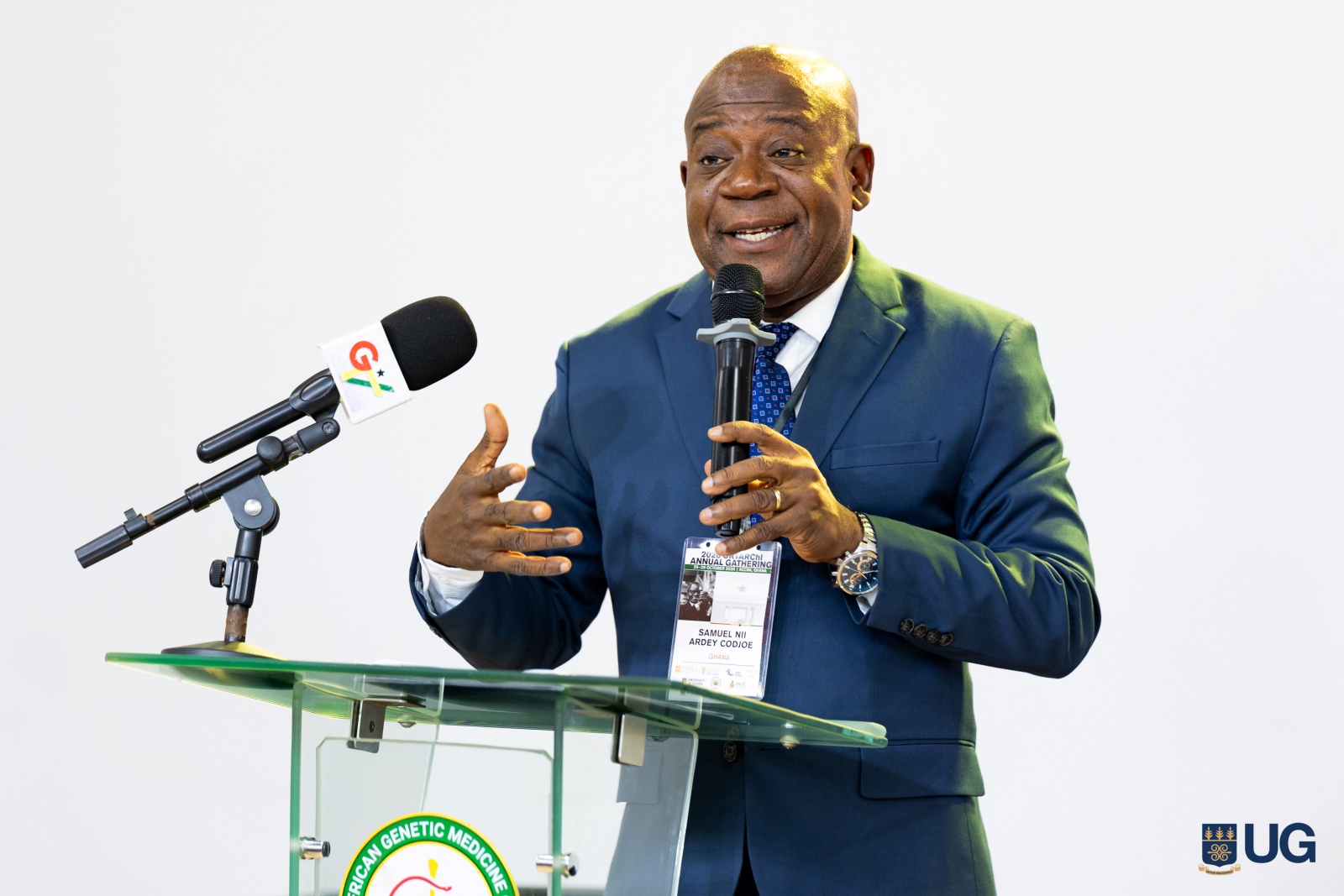
He said the responsibility of universities extended beyond teaching and publication. Universities, he noted, must also serve as a catalyst for social transformation, a trusted source of evidence for public policy, a partner to industry and a platform for the talent and ideas of the future.
Prof. Codjoe called on governments, universities, research institutions, industry and development partners to work together to build a research system in which excellence receives support, promising discoveries move to application and research output feeds productive enterprises, better public services and sustainable development. He described his vision of an Africa whose universities are engines of innovation and whose researchers lead in scientific discovery.
The Minister for Environment, Science and Technology, Dr. Zanetor Agyeman-Rawlings, described the theme as one of the most consequential questions before the continent today, which is how to make sure that knowledge generated in universities and research institutions becomes a productive force for farms, factories, hospitals, businesses and communities.
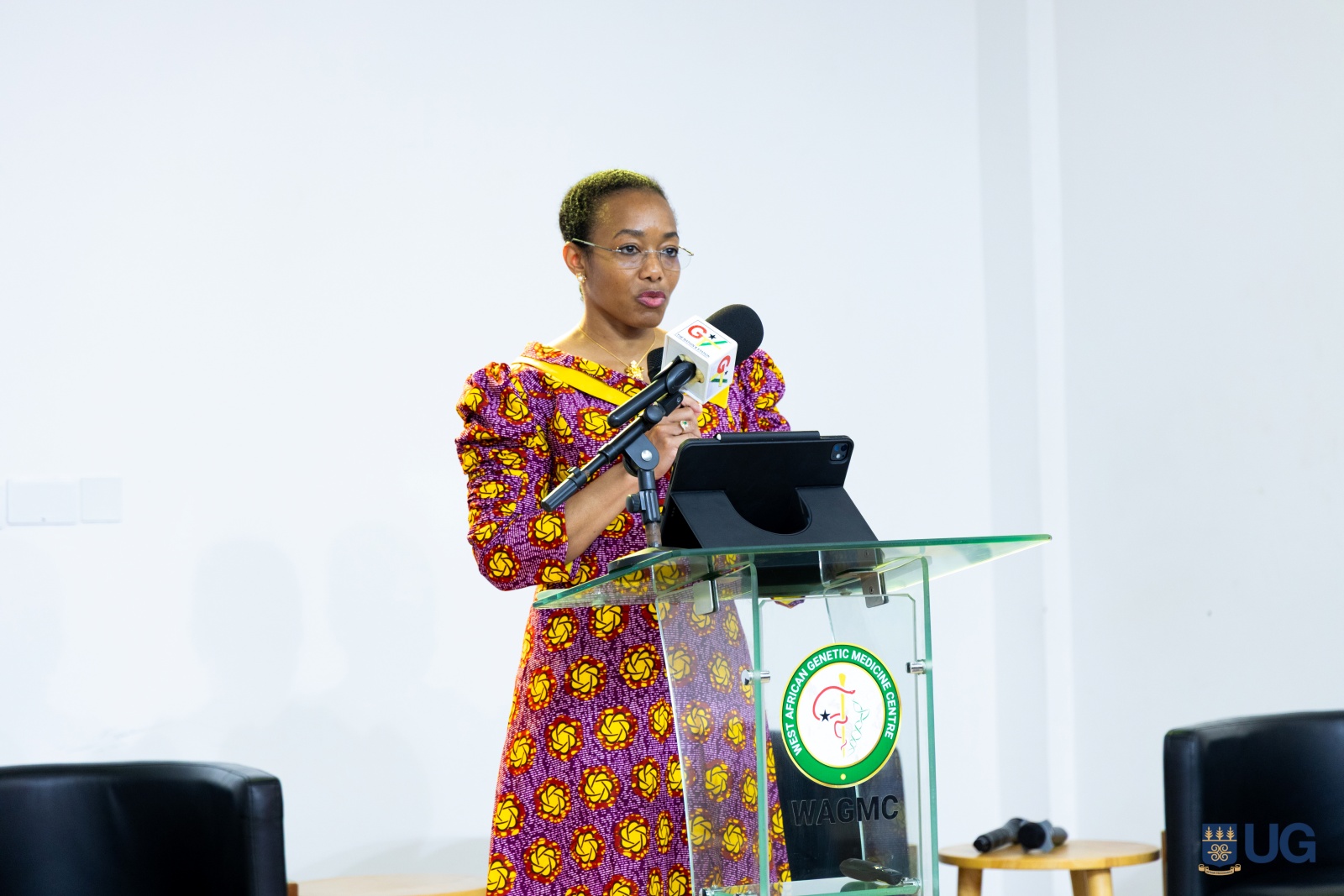
She noted that Africa did not lack talent or ideas but that too little of the knowledge it generated moved from the laboratory to the marketplace. According to her, the relationship between academia, industry and government had often suffered from limited interaction, weak incentives and poor coordination. “We need to build bridges that are institutionalised, adequately financed and measured by results, not bridges that depend on relationships or occasional meetings,” she said.
Dr. Agyeman-Rawlings urged African governments to increase domestic investment in research, science, technology and innovation and to meet the African Union target of one per cent of GDP for research and development. She said Ghana had shown its commitment through the operationalisation of the Ghana National Research Fund. She thanked DSTI, NRF and IDRC for their support for ORTARChI and made a passionate appeal to the partners to fund the next phase of the initiative.
The Minister also urged scientists to communicate their work to the public. “Let us talk about the good things we are doing,” she said.
In the keynote address, the President of the Ghana Academy of Arts and Sciences, Emerita Prof. Isabella Quakyi, said Africa spends about 0.38 per cent of GDP on research and development, compared with 2.55 per cent in Europe and North America and 2.42 per cent in Asia. Although research output in Africa grows by about 12 per cent a year, faster than the global average, only a small fraction of it reaches commercial application.
Prof. Quakyi, whose research on malaria immunity contributed to the development of the RTS,S malaria vaccine, said the basic science behind the vaccine dated back to the 1980s, yet the vaccine received approval only in 2021. The delay, she said, was not a failure of science but a failure of the systems around science.
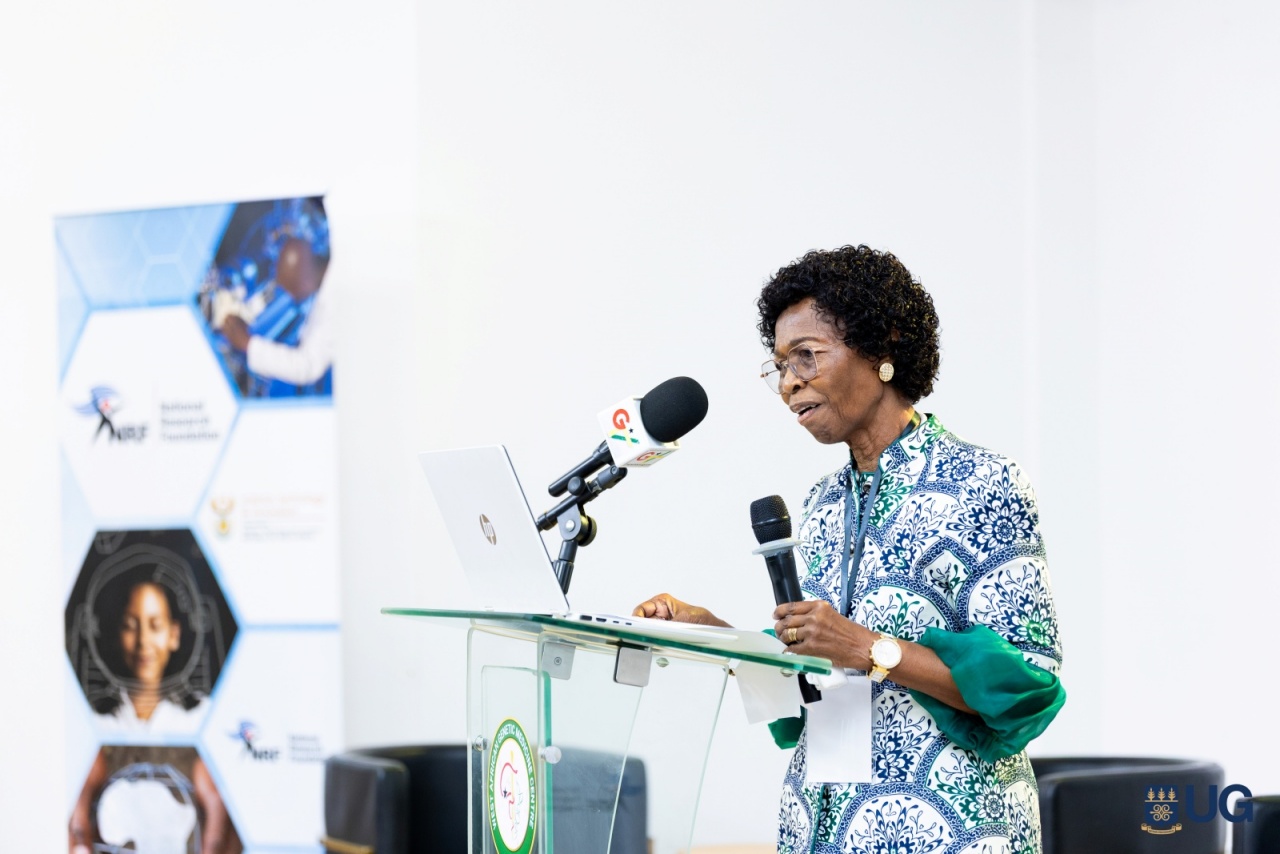
She identified structural barriers to research translation in Africa, among them institutions that reward citations rather than patents, a gap in finance between discovery and market which she called the “valley of death”, cultural distance between academia and industry and weak intellectual property frameworks. She insisted that every major African university needs a technology transfer office and urged governments to create the right conditions for innovation through legislation, tax incentives for industry–university research and support for technology transfer offices as national infrastructure.
Prof. Quakyi also called for doctoral programmes to include intellectual property management, entrepreneurship and industry engagement as core requirements. She set out targets for the continent: a technology transfer office in every major African university by 2028 as well as 500 ventures and 50,000 jobs by 2030.
In earlier remarks, the Acting Chief Executive Officer of OATF, Ms. Natasha Allie, recalled that Oliver Tambo taught mathematics and science at St Peter’s Secondary School in Johannesburg before he became a lawyer and a leader of the liberation struggle. She cited a phrase from the 2026 Oliver Tambo Memorial Lecture, “custodianship is not ownership,” and described research chairs as custodians of knowledge that belongs to farmers, communities and young people across Africa.
“Research that never leaves the lab is a trust only half kept,” she said. “We are here to ask how a finding becomes a product, how a product becomes a business and how a business becomes jobs and better lives.”
Ms. Rose Msiza, a Director at DSTI, South Africa, used the occasion to call on Africa to strengthen the management of intellectual property in academia, align scientific research directly with industrial demand and private sector priorities and transform universities into engines of innovation.
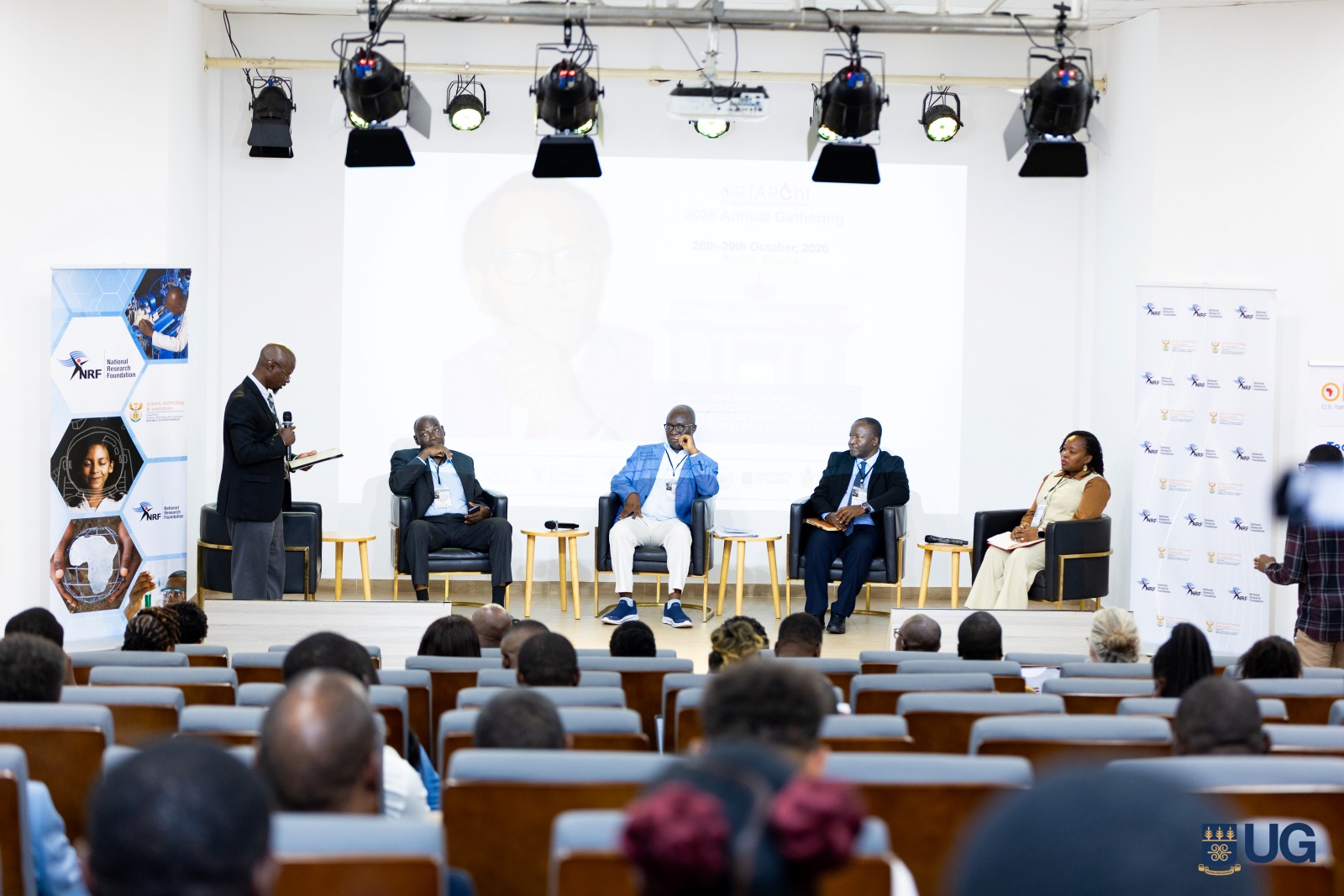
A keynote panel on “Science Enterprise Challenges and Linkages in Africa” followed the opening ceremony. The panel brought together three O.R. Tambo Africa Research Chairs, Prof. Kwesi Firibu Saalia of the University of Ghana, Prof. Nathaniel Boso of the Kwame Nkrumah University of Science and Technology and Prof. Gerald Misinzo of Sokoine University of Agriculture, Tanzania, as well as Ms. Dirce Manthenga Madeira. Prof. David Meya, O.R. Tambo Africa Research Chair at Makerere University, Uganda, moderated the panel.
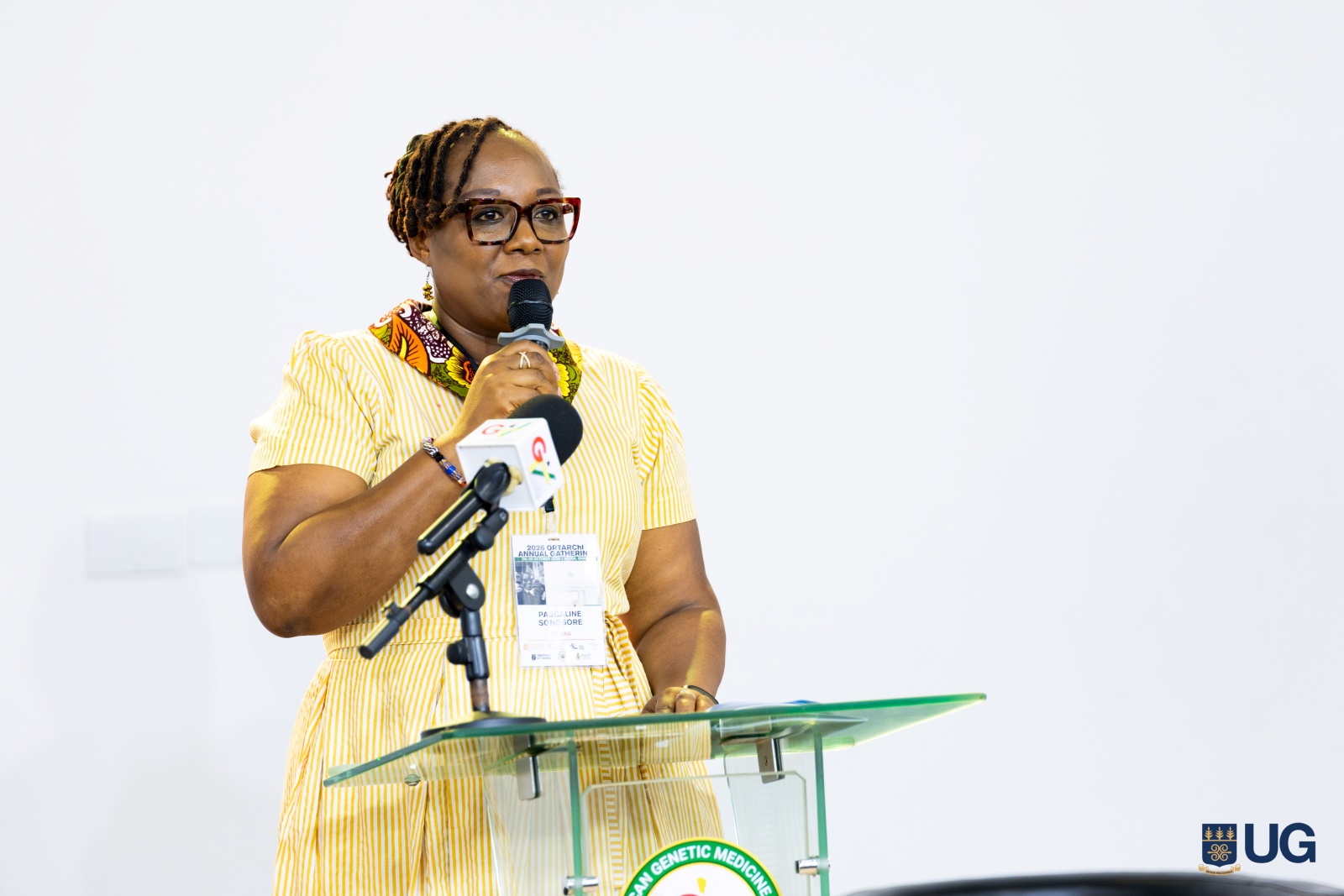
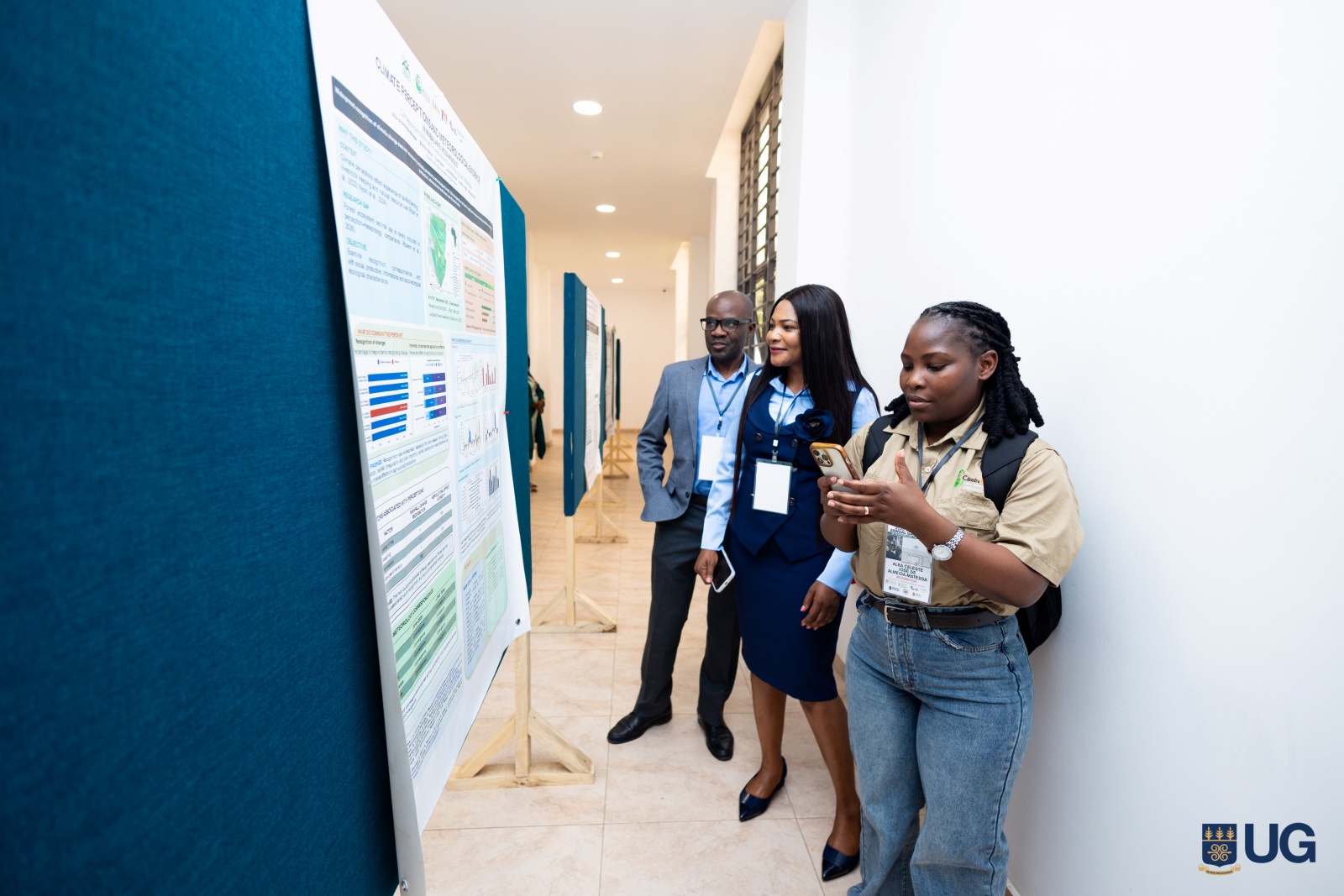
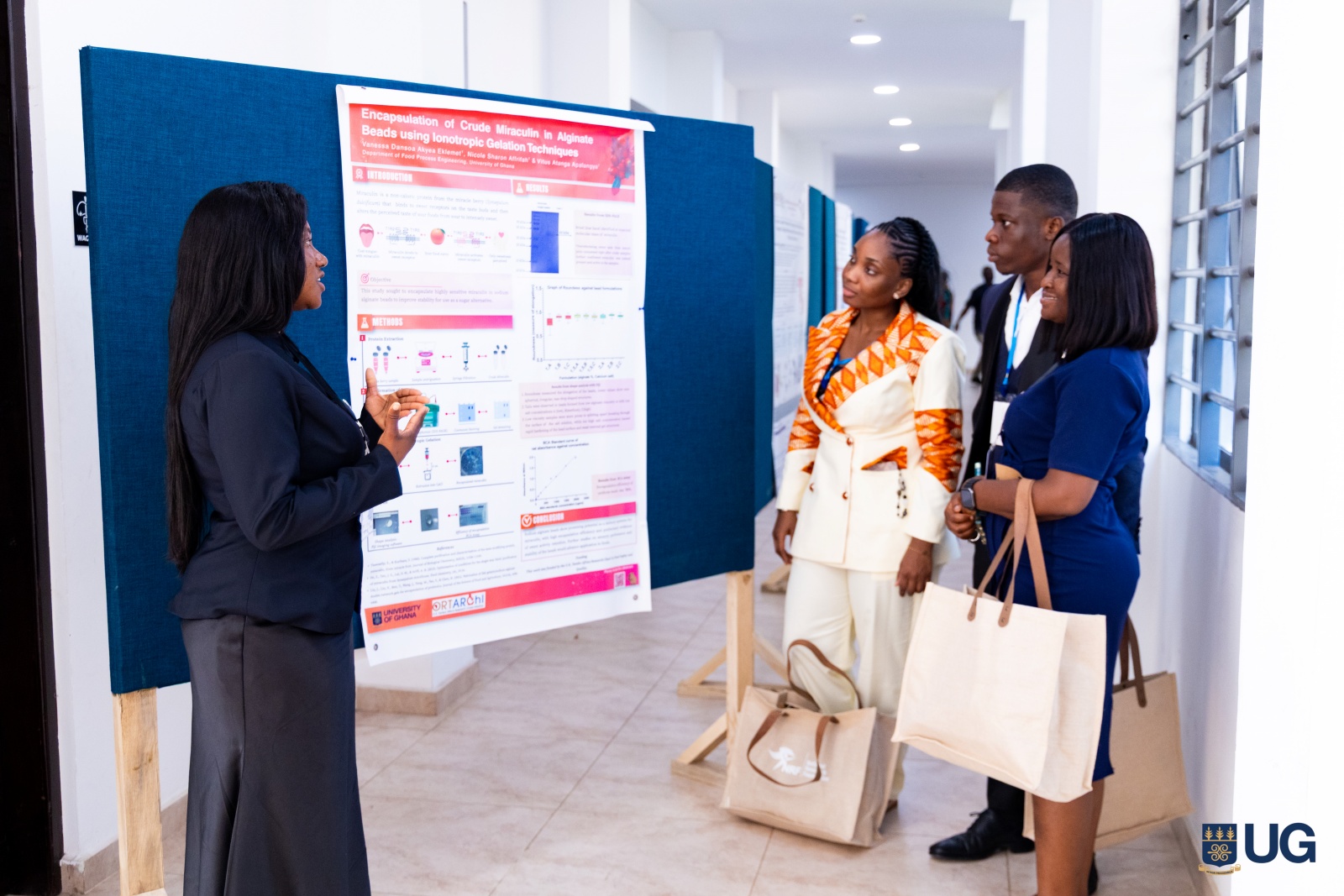
Over the three days, participants discussed university–government–industry collaboration, policy frameworks for research translation, finance for the science-to-market journey and the commercialisation of research. The programme also included an address by a representative of the President of the Association of Ghana Industries, Pharm. Dr. Kofi Nsiah Poku, on the research needs of businesses. The sessions of the conference were moderated by Ms. Pascaline Songsore, Senior Assistant Registrar, Public Affairs Directorate, University of Ghana.
The National Research Foundation (NRF) of South Africa anchors ORTARChI together with DSTI and was a key partner of the conference.