AI Must Serve Ghana’s Development rather than Deepen Digital Dependence, Prof. Isaac Wiafe Argues
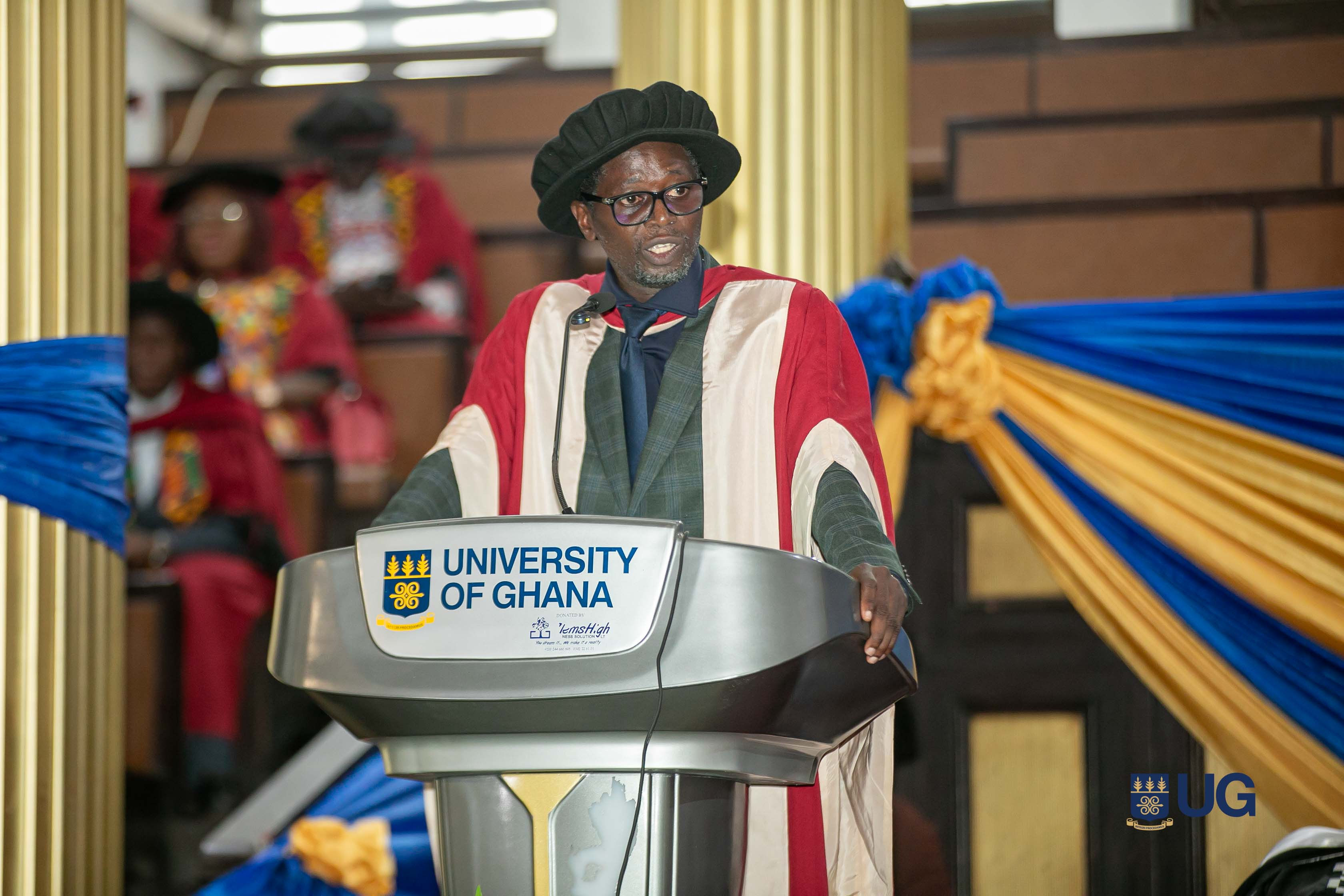
A Professor of Information Technology at the University of Ghana, Prof. Isaac Wiafe, has challenged prevailing narratives surrounding artificial intelligence (AI), arguing that the technology will have limited value to Ghana unless it is deliberately designed to solve local problems, strengthen national capacity and improve the lives of citizens.
Delivering his inaugural lecture titled “Why AI is Irrelevant to Ghana: Reclaiming Our Future through Human-Centred Transformation,” Prof. Wiafe maintained that the conversation should move beyond how quickly Ghana adopts AI technologies to whether those technologies respond to the country’s developmental needs.
He observed that while AI is transforming industries worldwide, Ghana risks becoming simply a consumer of intelligence created elsewhere unless deliberate investments are made in local data, talent, infrastructure and innovation.
According to Prof. Wiafe, Ghana has repeatedly embraced digital technologies without capturing their full economic and strategic value. He cautioned that AI could deepen this pattern if the country continues to depend on foreign technologies without developing the capacity to create and govern its own systems.
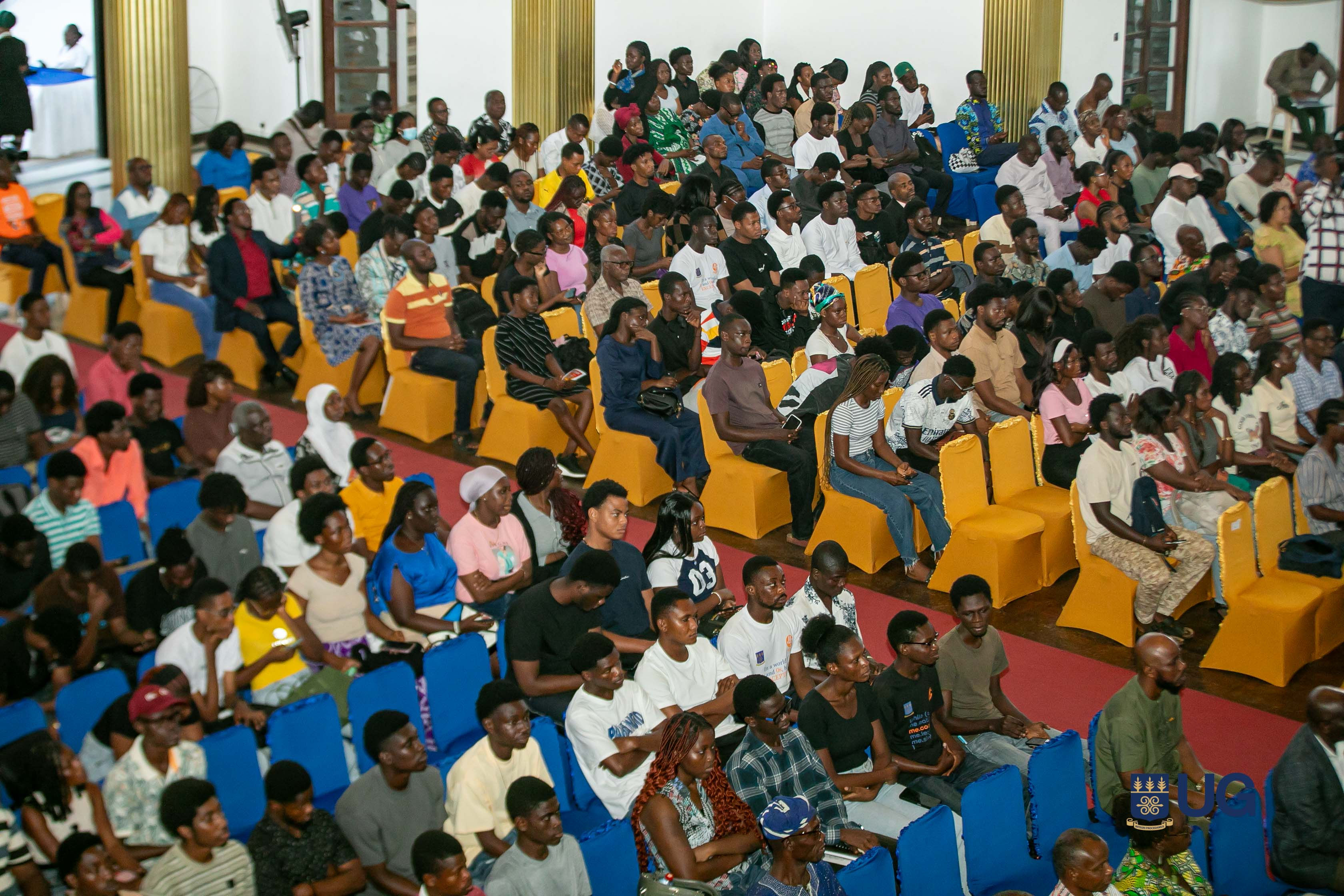
Drawing on findings from his research, Prof. Wiafe revealed that although awareness and acceptance of generative AI tools among university students remain high, their use is increasingly shifting towards learning support and research. However, he warned that excessive reliance on AI systems developed elsewhere could undermine educational sovereignty.
His studies also explored AI awareness within Ghana’s informal sector, involving trotro drivers, electricians, hairdressers, food vendors, shoemakers, dispatch riders and mobile money operators. While many participants had heard about AI, very few understood how it could improve their businesses, highlighting the gap between awareness and meaningful application.
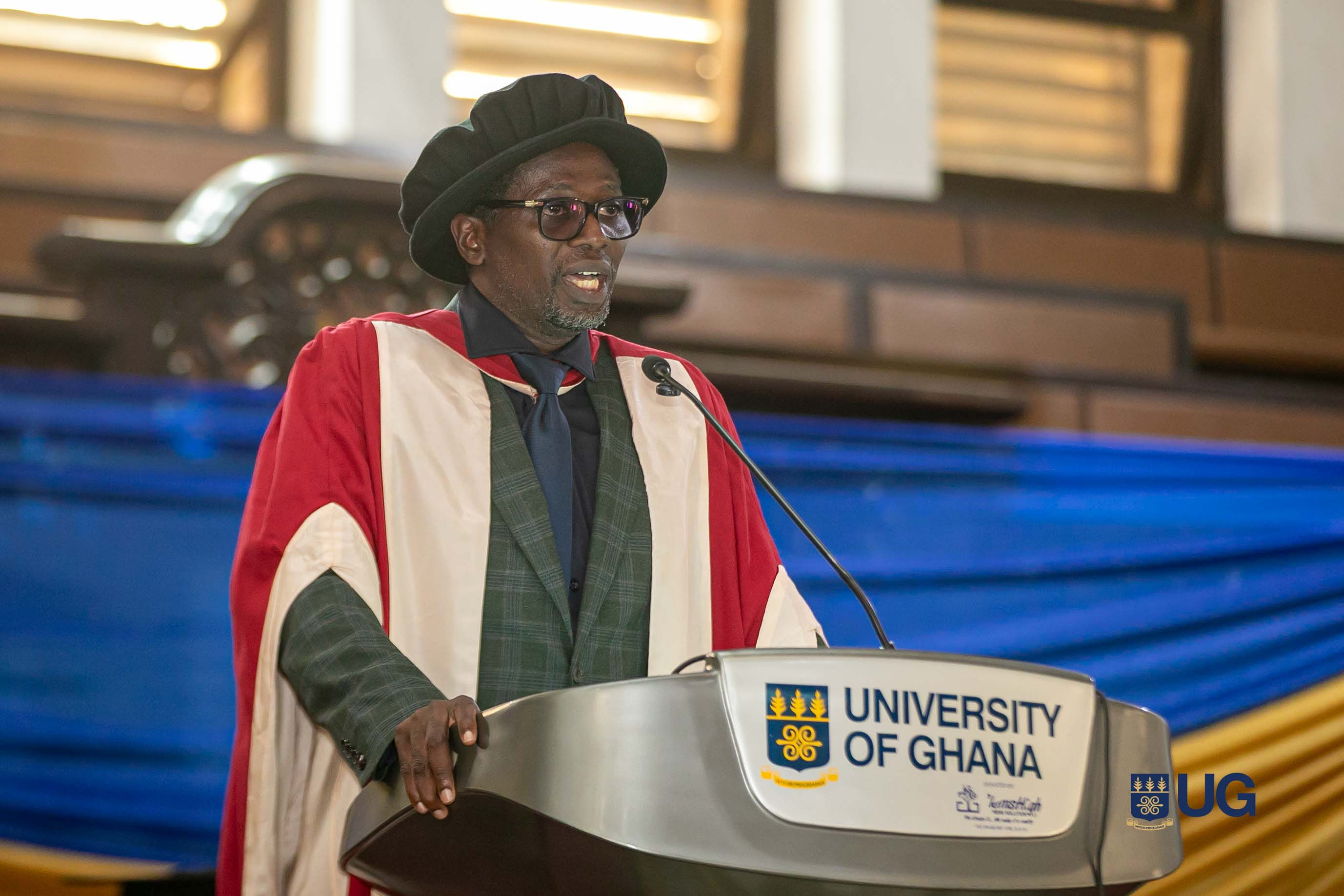
A key message of the lecture was that technology alone cannot drive development. Using Ghana's recurring flood disasters as an example, Prof. Wiafe explained that while AI can predict risks, meaningful impact depends on timely decisions, institutional responsiveness and behavioural change.
He further argued that behaviour change remains the missing link in many technological interventions, stressing that AI should support people to make better decisions rather than merely generate predictions.
Prof. Wiafe outlined three possible futures for AI globally and advocated the development of “distributed intelligence ecosystems” where countries build AI systems rooted in their own languages, cultures and development priorities. He proposed strategic investments in Ghanaian data infrastructure, AI talent development, shared computing infrastructure and stronger university-led research to position the country as a creator rather than a consumer of AI technologies.
Concluding his lecture, Prof. Wiafe emphasised that the relevance of AI should ultimately be measured by its ability to improve the lives of ordinary Ghanaians and address local development challenges.
In her remarks, the Chairperson and Vice-Chancellor, Prof. Nana Aba Appiah Amfo, described the lecture as a timely contribution to national conversations on artificial intelligence and development. She noted that universities have a responsibility not only to advance knowledge but also to interrogate prevailing assumptions and generate research that informs policy and societal progress.
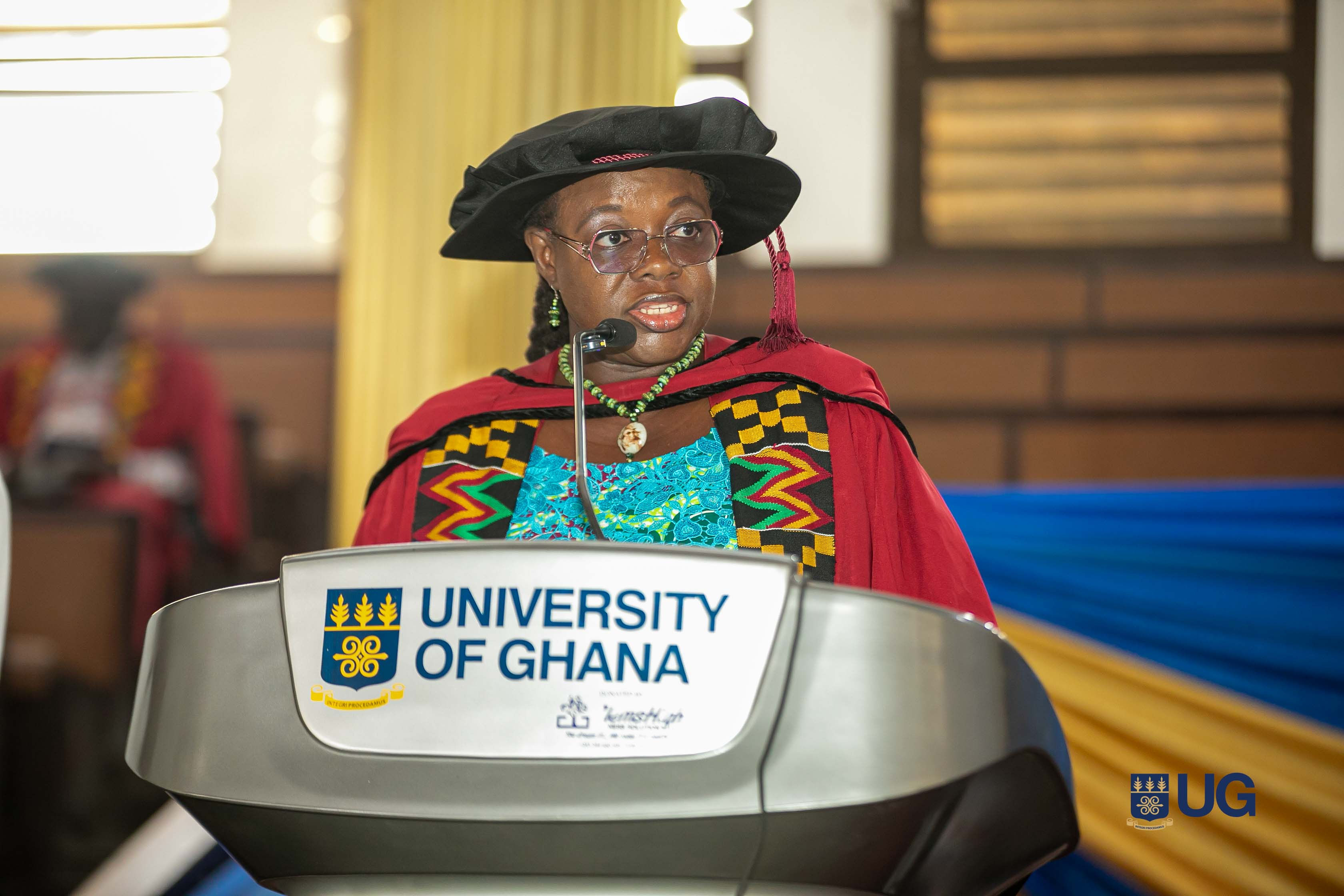
Prof. Amfo commended Prof. Wiafe for his internationally recognised scholarship in artificial intelligence, human-computer interaction, behaviour change and digital inclusion, describing his work as an important contribution to ensuring that emerging technologies remain relevant to Africa's development.
Earlier, the Registrar, Mrs. Emelia Agyei-Mensah, reiterated that inaugural lectures remain an important tradition on the University’s academic calendar, providing an opportunity to honour academics who attain the rank of full professor while showcasing their research journey and contributions to society. She congratulated Prof. Wiafe on attaining the rank of Professor and wished him continued success in his academic career.

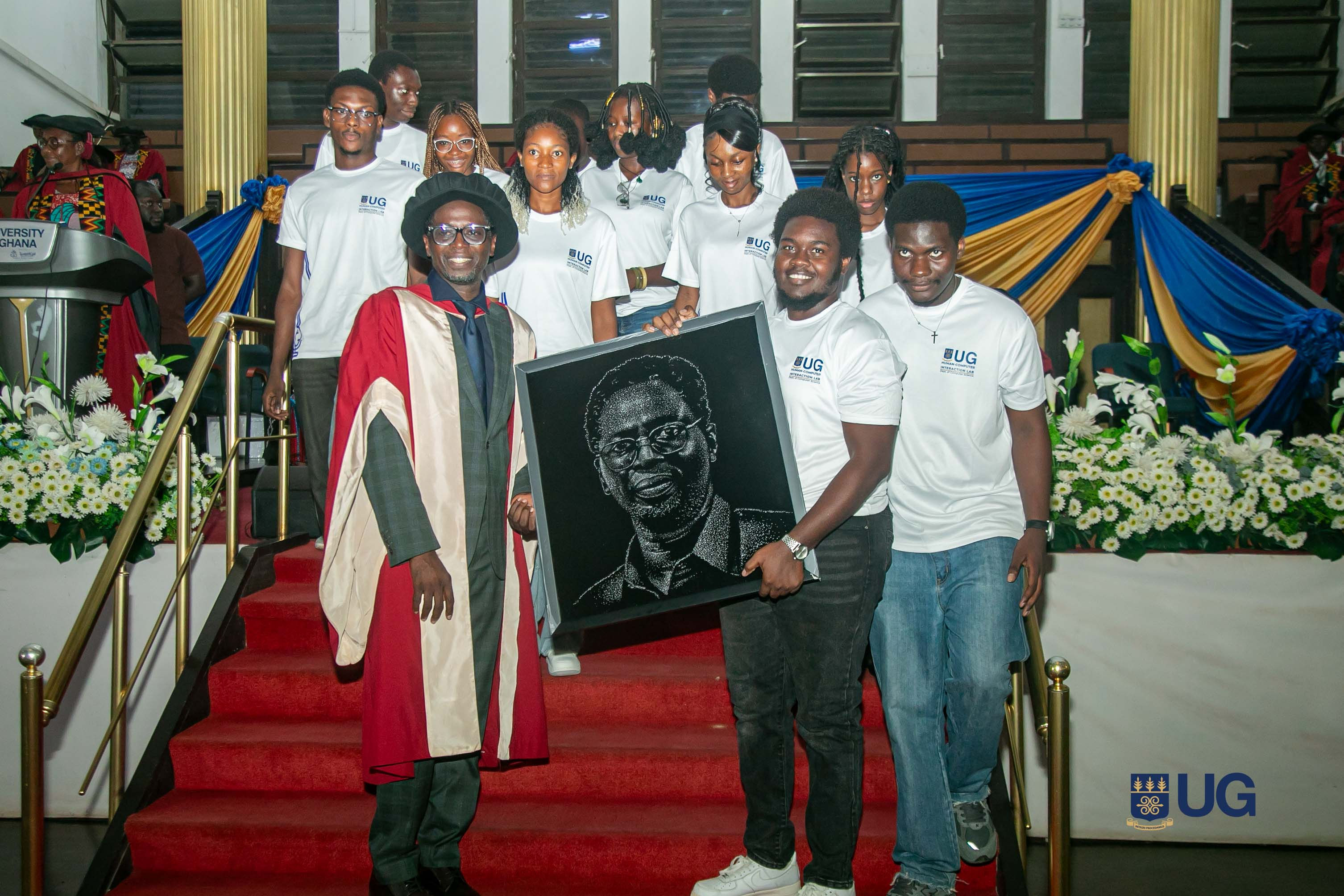
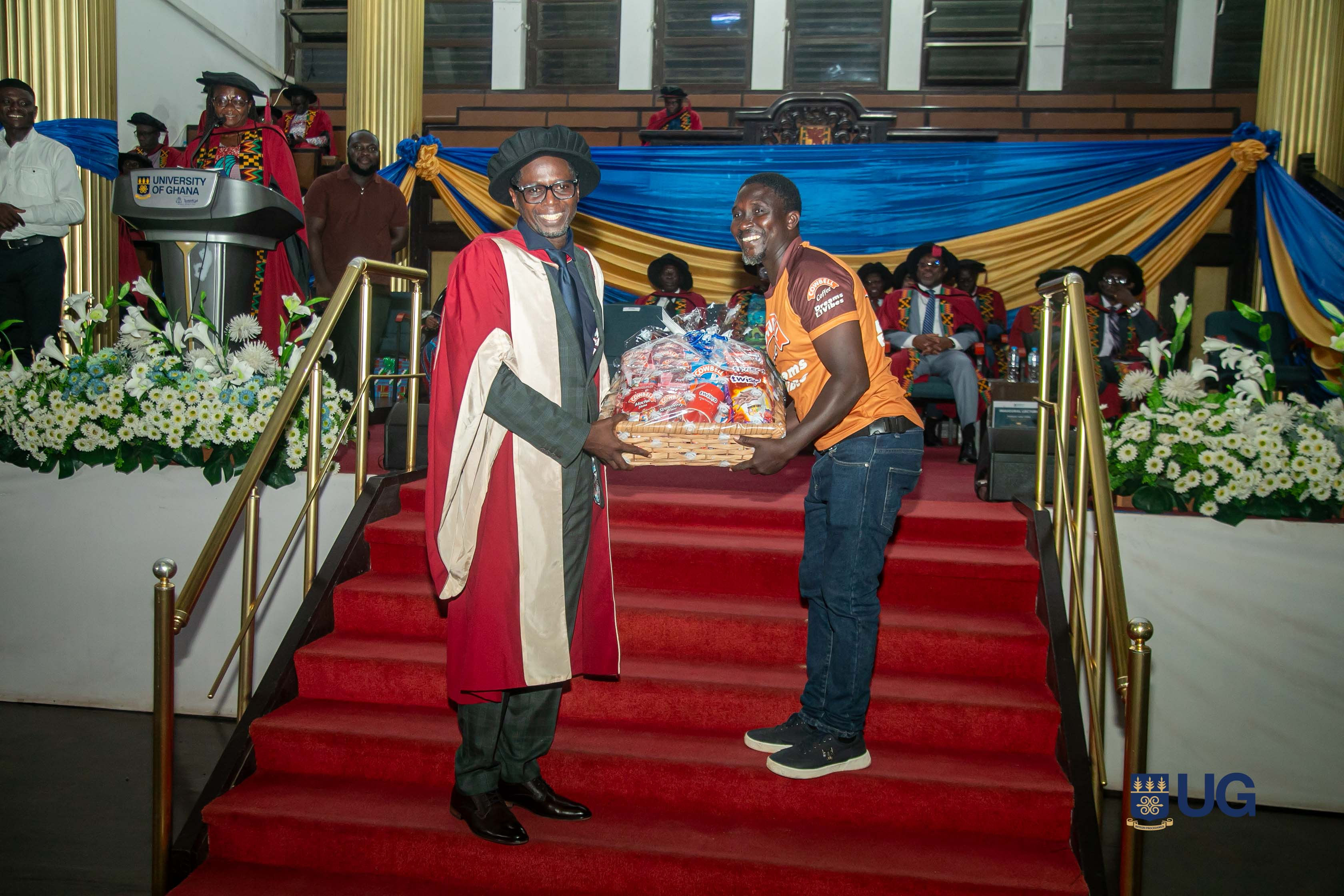
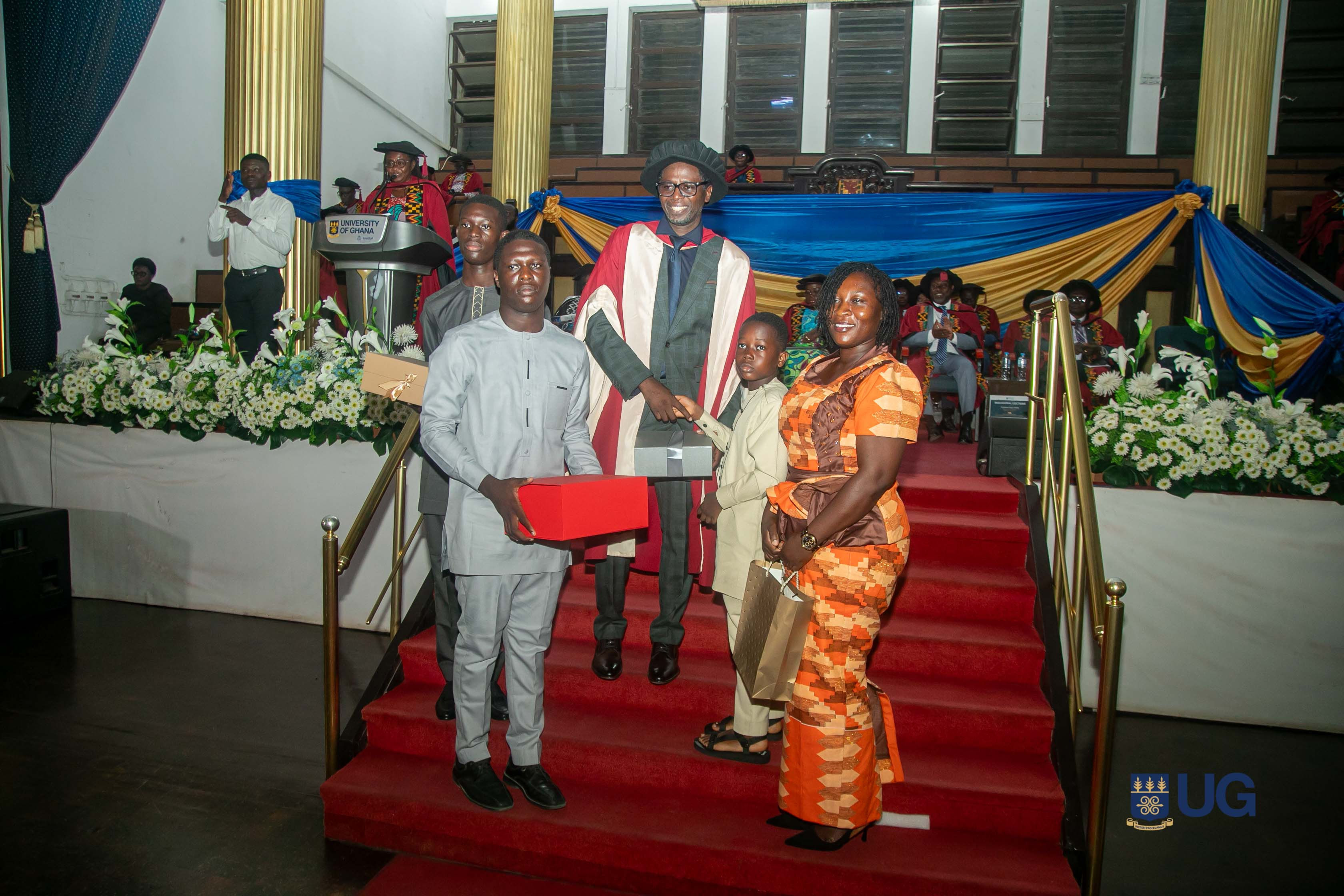
Following the lecture, the College of Basic and Applied Sciences, the Department of Computer Science as well as other University units and his family and friends presented citations and gifts to Prof. Wiafe in recognition of his academic achievement. Promasidor Ghana Limited, official beverage sponsors of inaugural lectures at the University, also made a presentation to the distinguished professor.
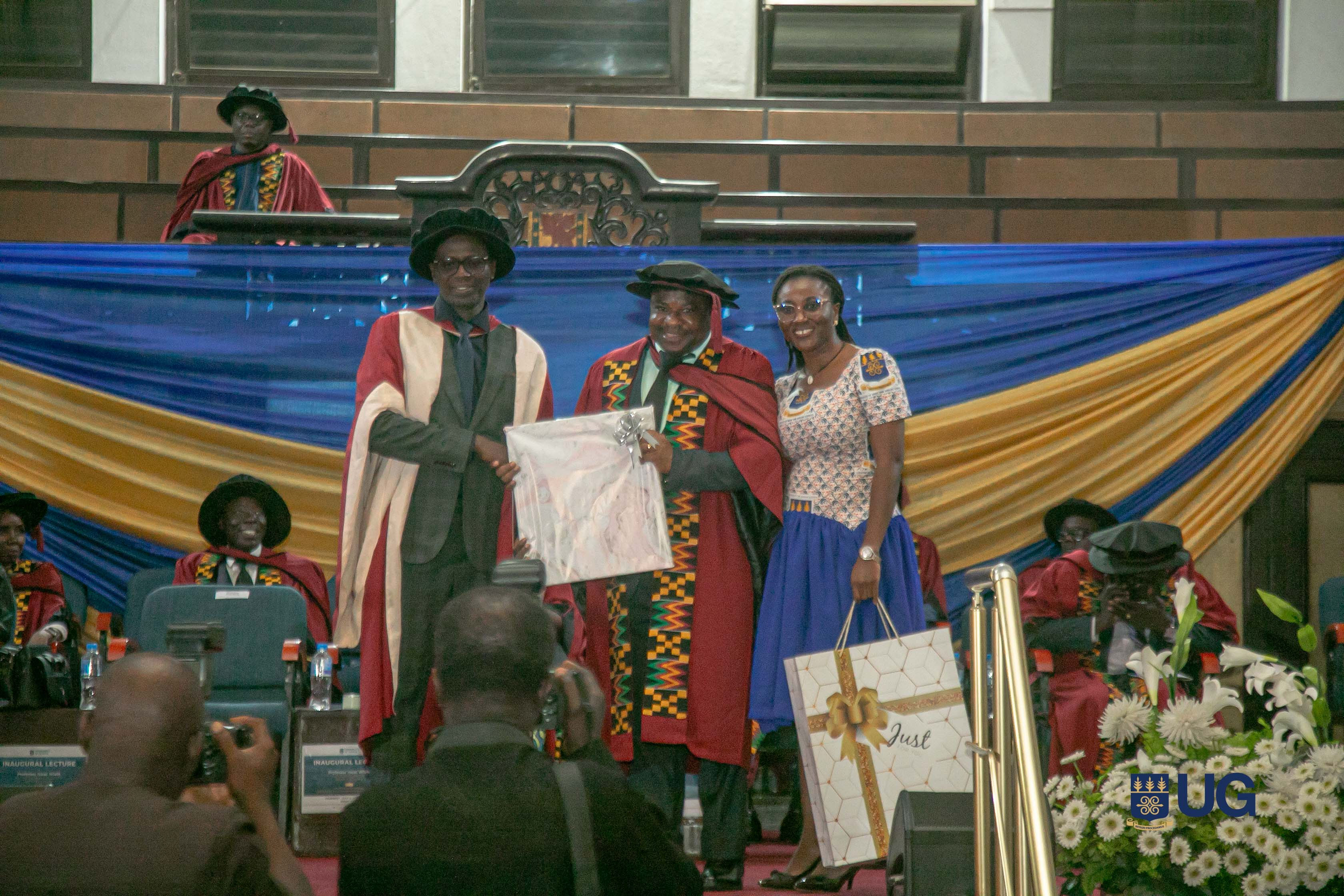
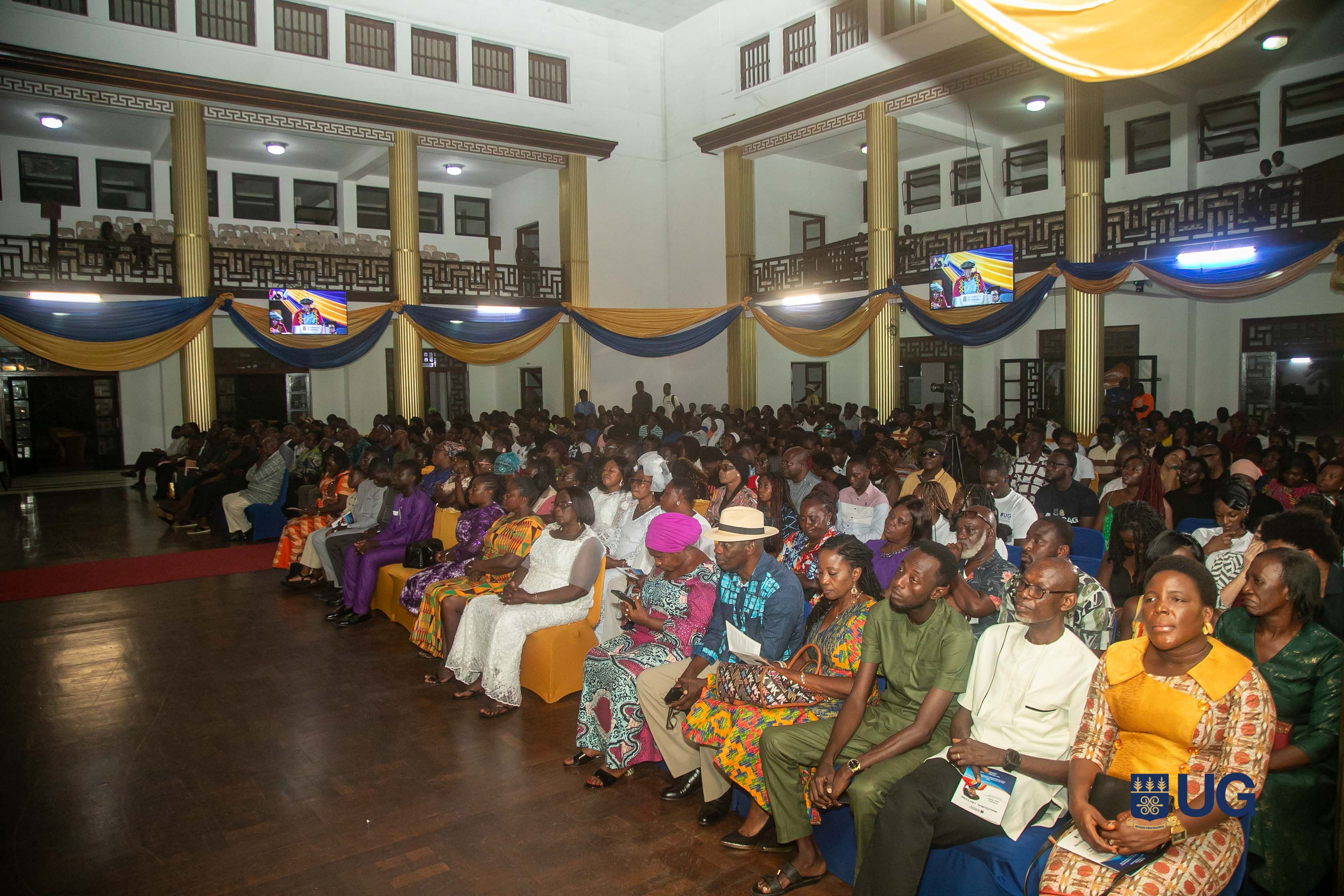
The lecture was attended by members of the University management, Provosts, Deans, Directors, Heads of Department, faculty, staff, members of Convocation, students, alumni, industry partners, as well as family, friends and associates of Prof. Wiafe.