MIASA Artist-in-Residence Showcases Ghana's Rich Dance Heritage Through Innovative Performance
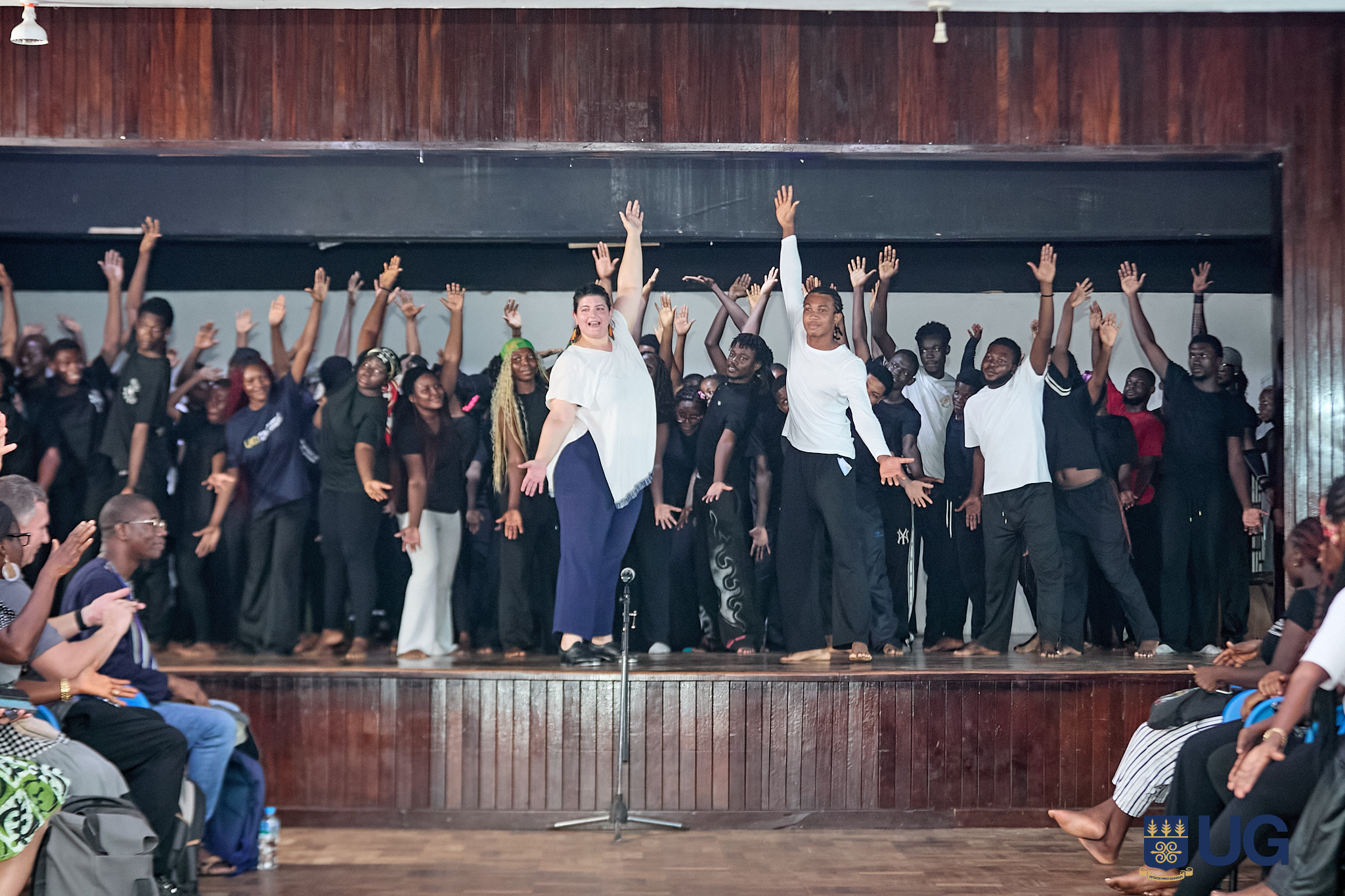
The Merian Institute for Advanced Studies in Africa (MIASA), in collaboration with the School of Performing Arts at the University of Ghana, has presented Kor Ye, an innovative site-specific performance that celebrated Ghana's rich dance and music traditions while demonstrating the power of artistic collaboration to preserve and reinterpret intangible cultural heritage.
Staged at the Department of Dance Studies, the performance formed part of MIASA's Artist-in-Residence Programme and was conceptualised by resident artist Natasa Chanta-Martin in collaboration with Ghanaian choreographer Gabriel Bokorvi. The production challenged conventional understandings of music and dance by exploring how the human body itself can become both a musical instrument and a repository of cultural memory.
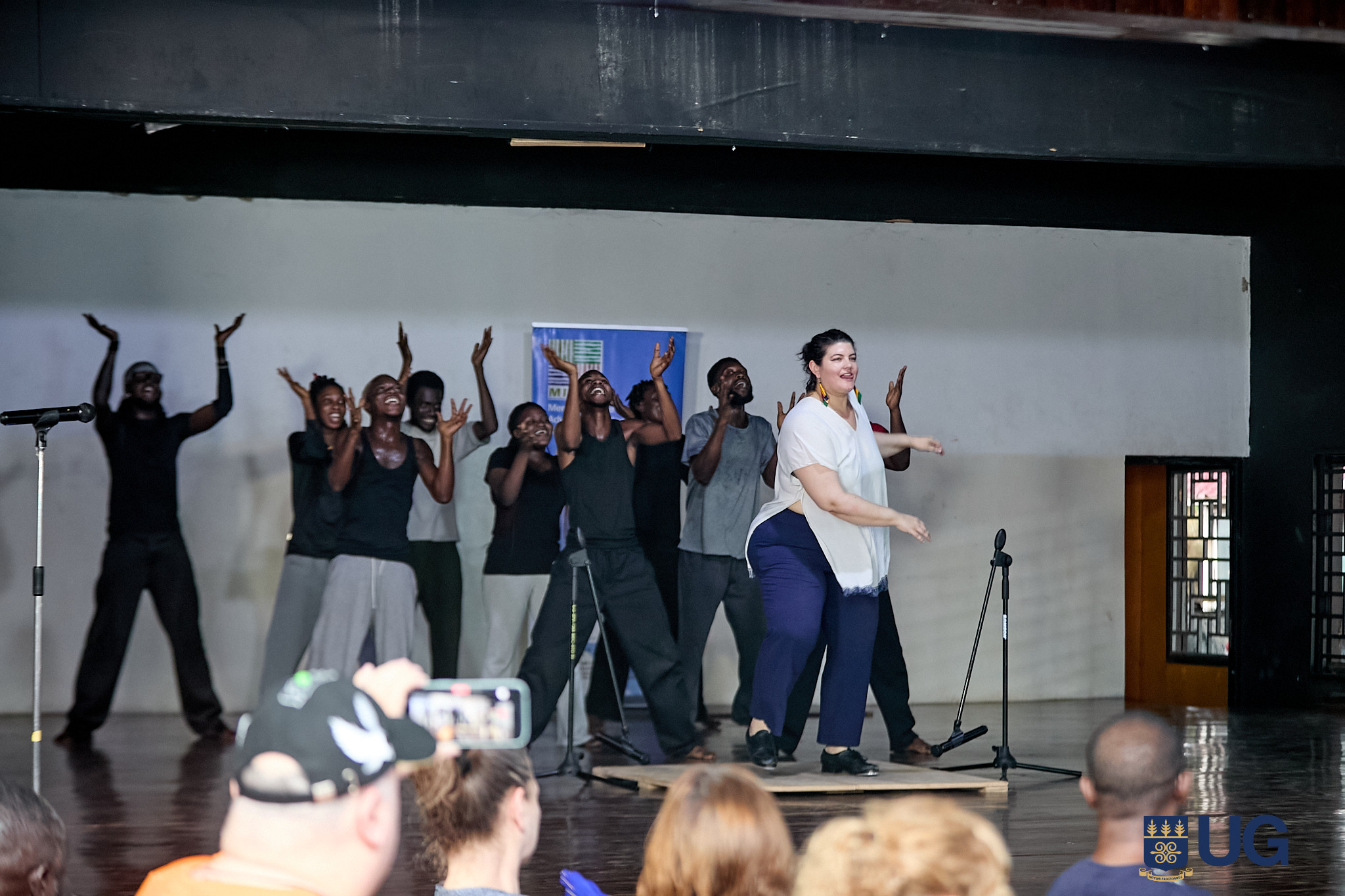
Centred on the question of what becomes of Ghanaian dance and music traditions in the absence of conventional musical instruments, Kor Ye invited audiences to experience body music, a form in which rhythm, movement and voice merge to create both music and dance. Through this approach, the performance examined how embodied knowledge can contribute to sustaining Ghana's intangible cultural heritage while opening new possibilities for contemporary artistic expression.
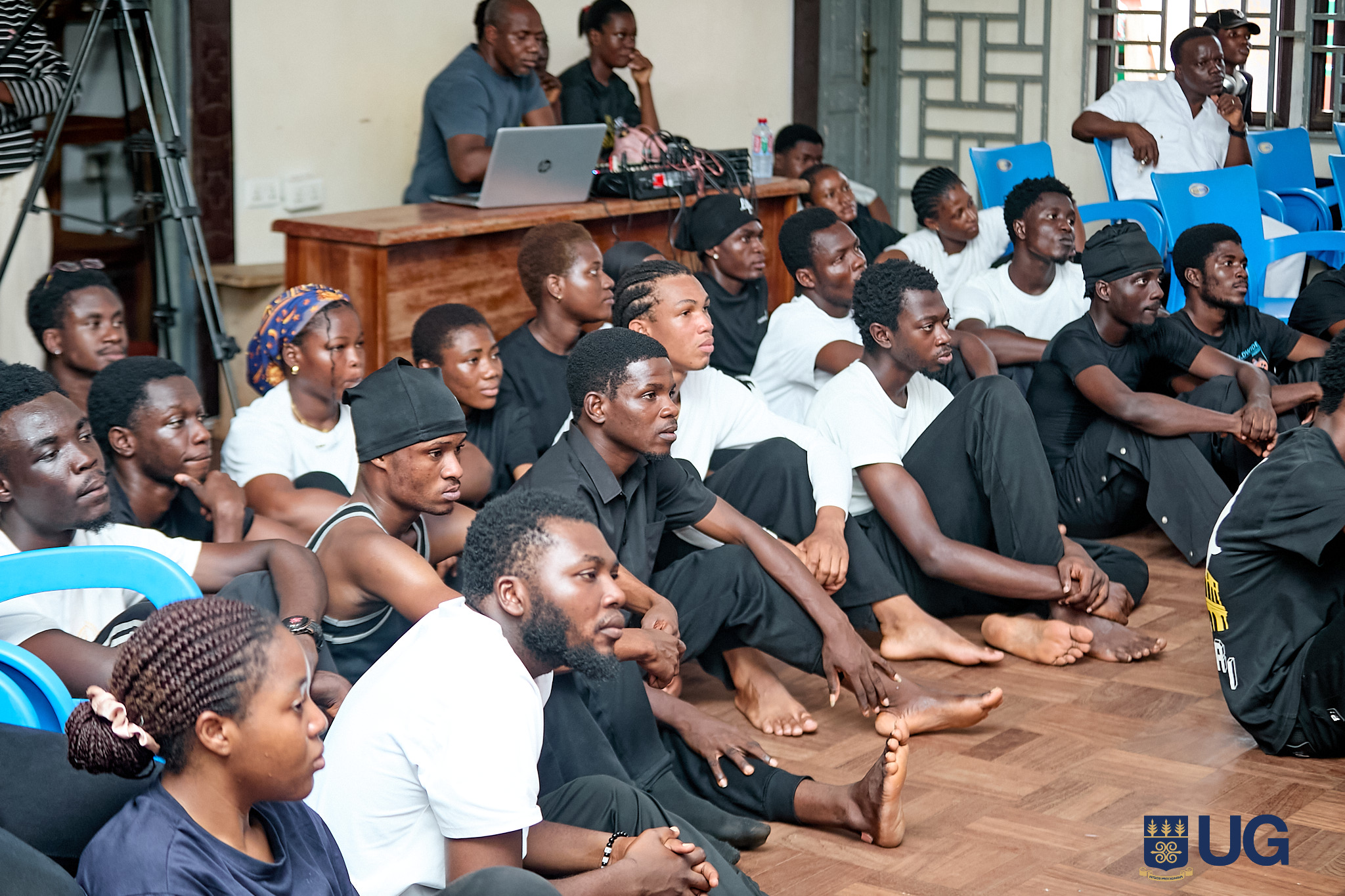
Beginning as a promenade through the Department of Dance Studies, audiences were guided by rhythmic body sounds created by students before arriving at the Dance Hall, where they became active participants in the concluding segment of the performance. The immersive production blurred the boundaries between performers and audience, tradition and innovation, and performance and participation.
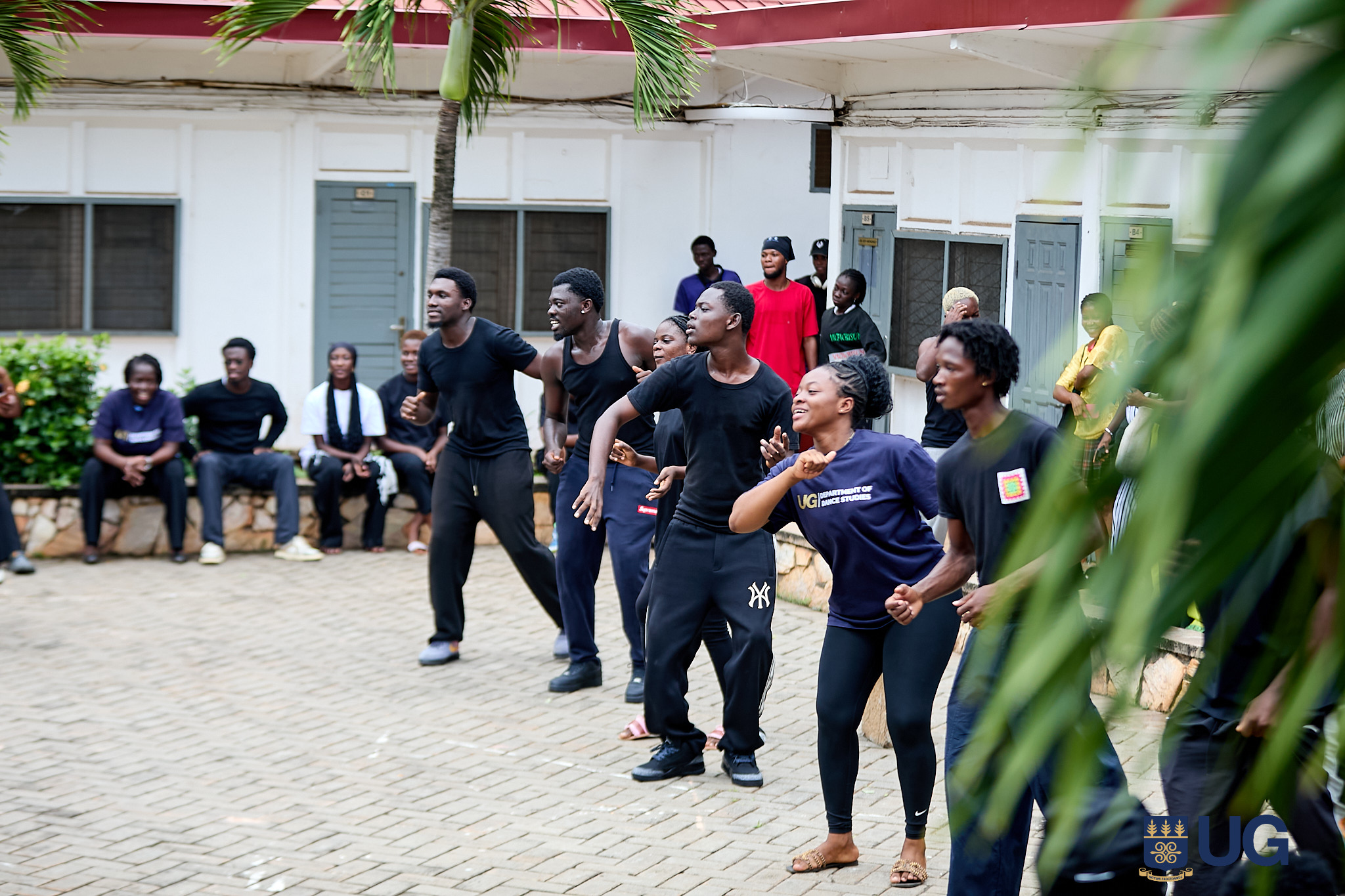
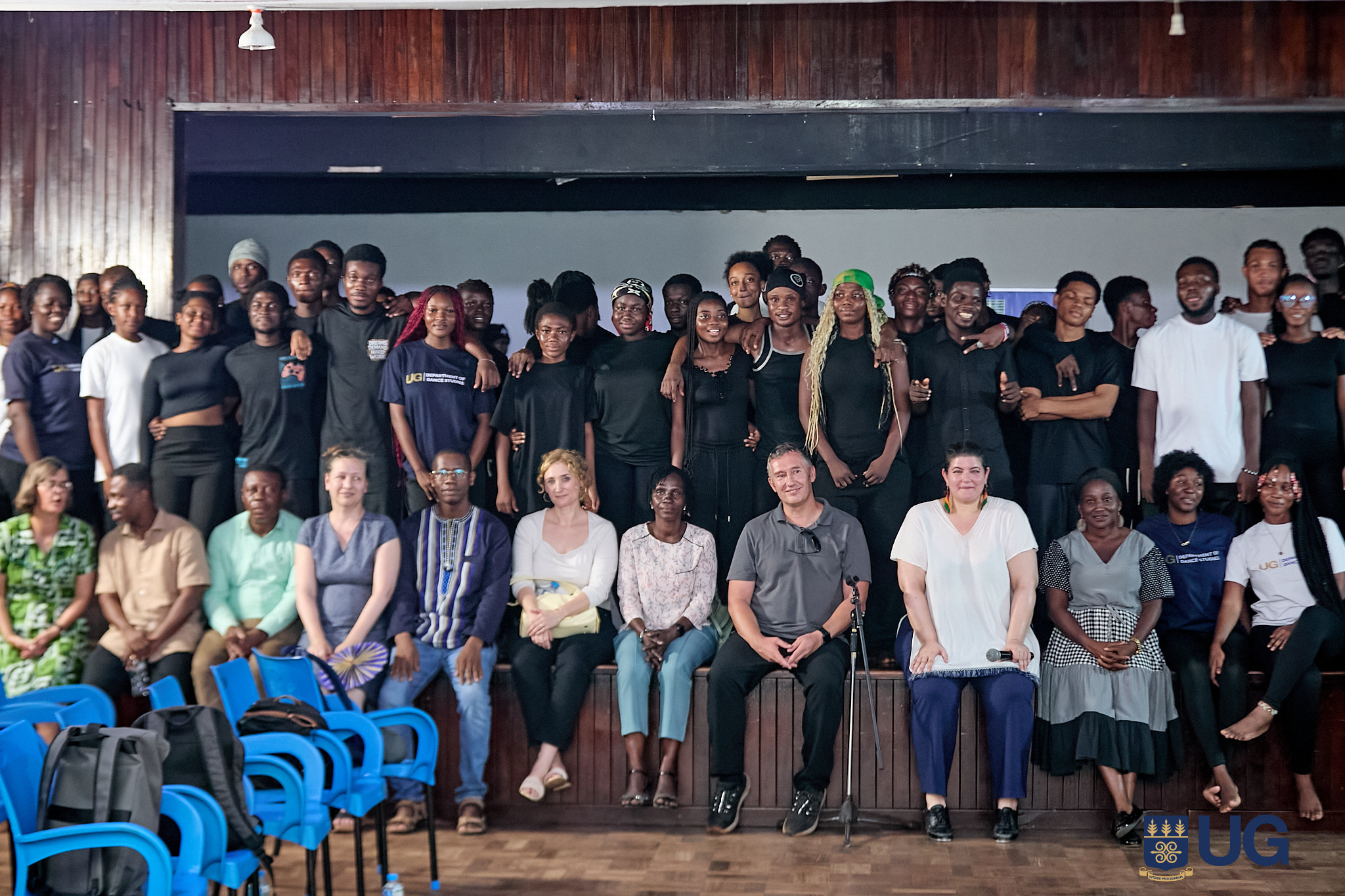
The performance brought together more than 70 performers, including students and staff from the Department of Dance Studies and collaborators from the Department of Theatre Arts, demonstrating the value of interdisciplinary and cross-cultural artistic engagement.
Reflecting on the production, the resident artist Natasa Chanta-Martin described the performance as an exploration of the unifying power of movement beyond language and cultural boundaries.
“Through this site-specific performance and the involvement of more than 70 performers, we showed that cross-cultural unity is possible through non-verbal means. At the same time, I'm very pleased that MIASA and the School of Performing Arts came one step closer in their connection and collaboration opportunities. It was a true privilege to work with the Departments of Dance Studies and Theatre Arts and explore their worldviews through the unified mediums of dance, music and film.”
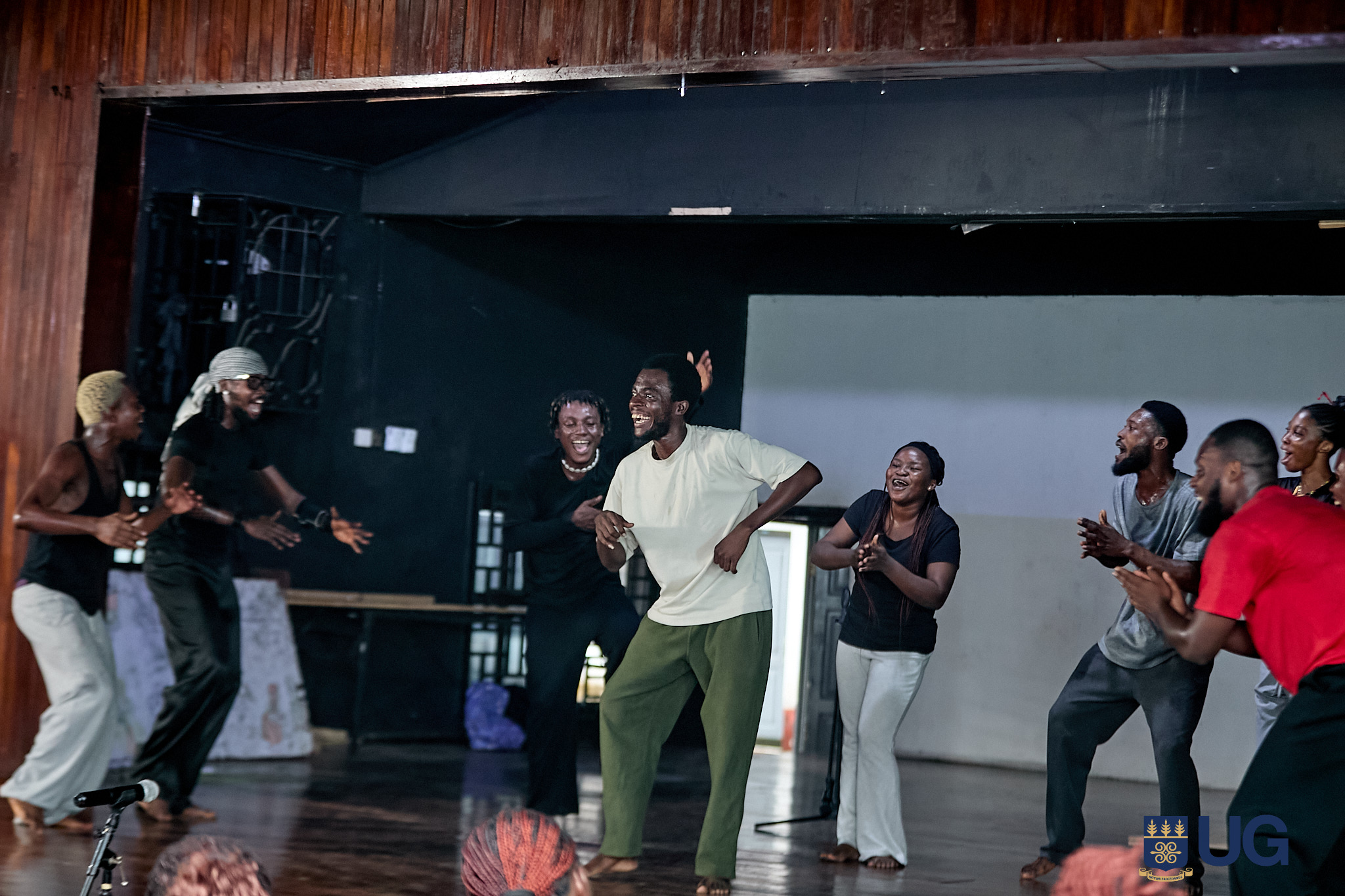
She noted that the residency had provided a unique opportunity to engage deeply with Ghanaian artistic traditions while working collaboratively with students and faculty to reimagine the relationship between dance, music and embodied knowledge.
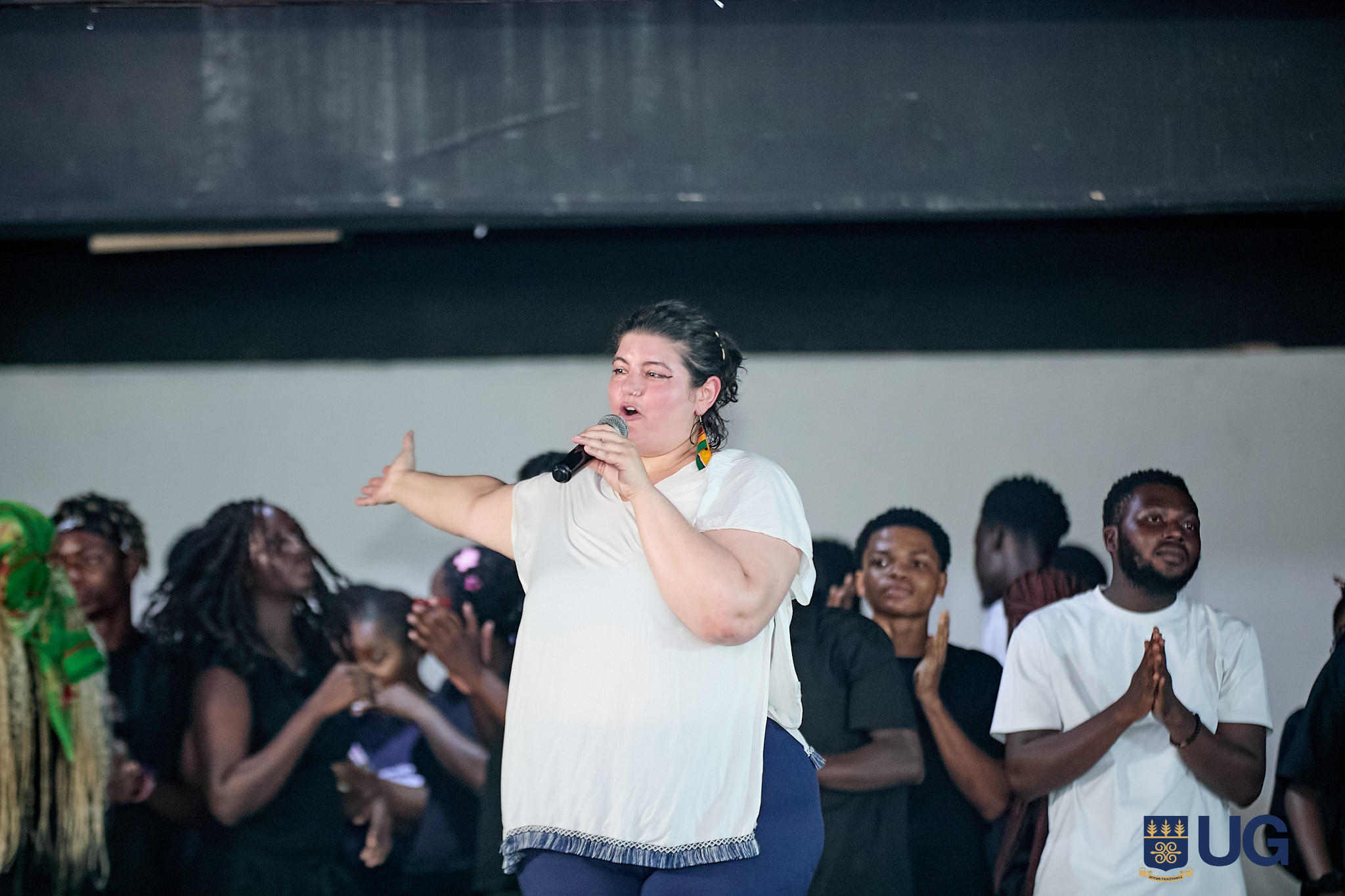
Commenting on the significance of the Artist-in-Residence Programme, Dr. Stefan Rother, MIASA Co-Director (Germany), highlighted the importance of expanding academic engagement beyond conventional forms of scholarship.
“At MIASA, we are mostly about words, writing, speaking and talking with each other. But with our Artist-in-Residence Programme, we open MIASA up to different forms of expression. Today was particularly impressive. So much was expressed through song, dance and bodies and then even a thunderstorm joined in. It was a great experience.”
He noted that artistic practice offers important ways of generating, sharing and communicating knowledge, complementing MIASA's broader mission of fostering interdisciplinary scholarship and dialogue.
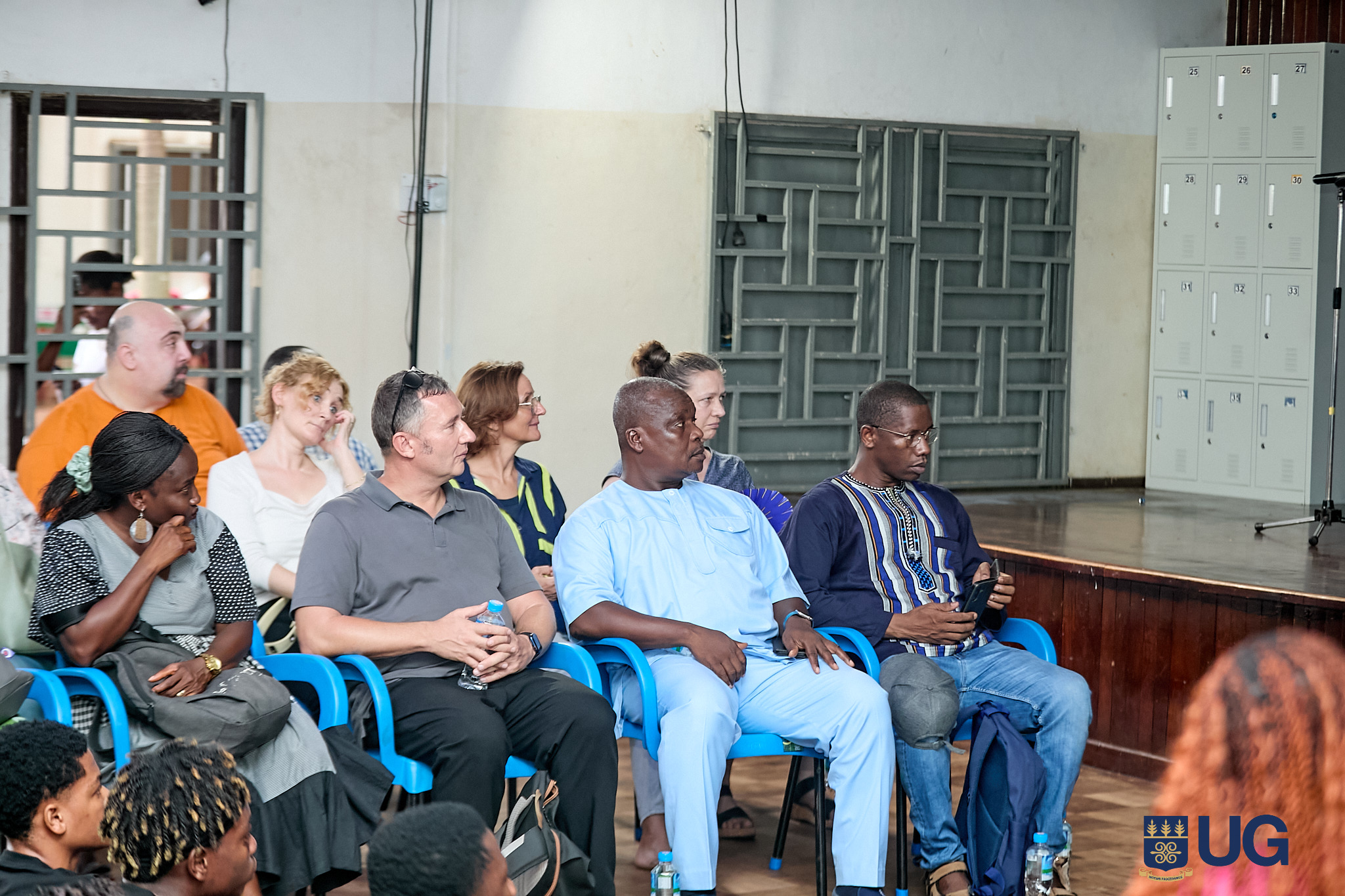
The performance also underscored the central place of dance within Ghanaian cultural life, illustrating how movement serves not only as entertainment but also as a medium for storytelling, identity, history and community memory. By placing the body at the centre of musical creation, Kor Ye demonstrated the resilience and adaptability of Ghana's cultural traditions while encouraging audiences to reflect on new ways of preserving and transmitting heritage across generations.
Organised in association with the Department of Dance Studies, School of Performing Arts, the performance featured contributions from faculty, students and cultural practitioners from the University of Ghana and partner institutions, highlighting the University's continued commitment to promoting creative research, artistic innovation and international collaboration through MIASA's Artist-in-Residence Programme.