Africa Climate Collaborative, UG, Champions Inclusive Climate Action with Greenhouse for School for the Deaf on World Environment Day
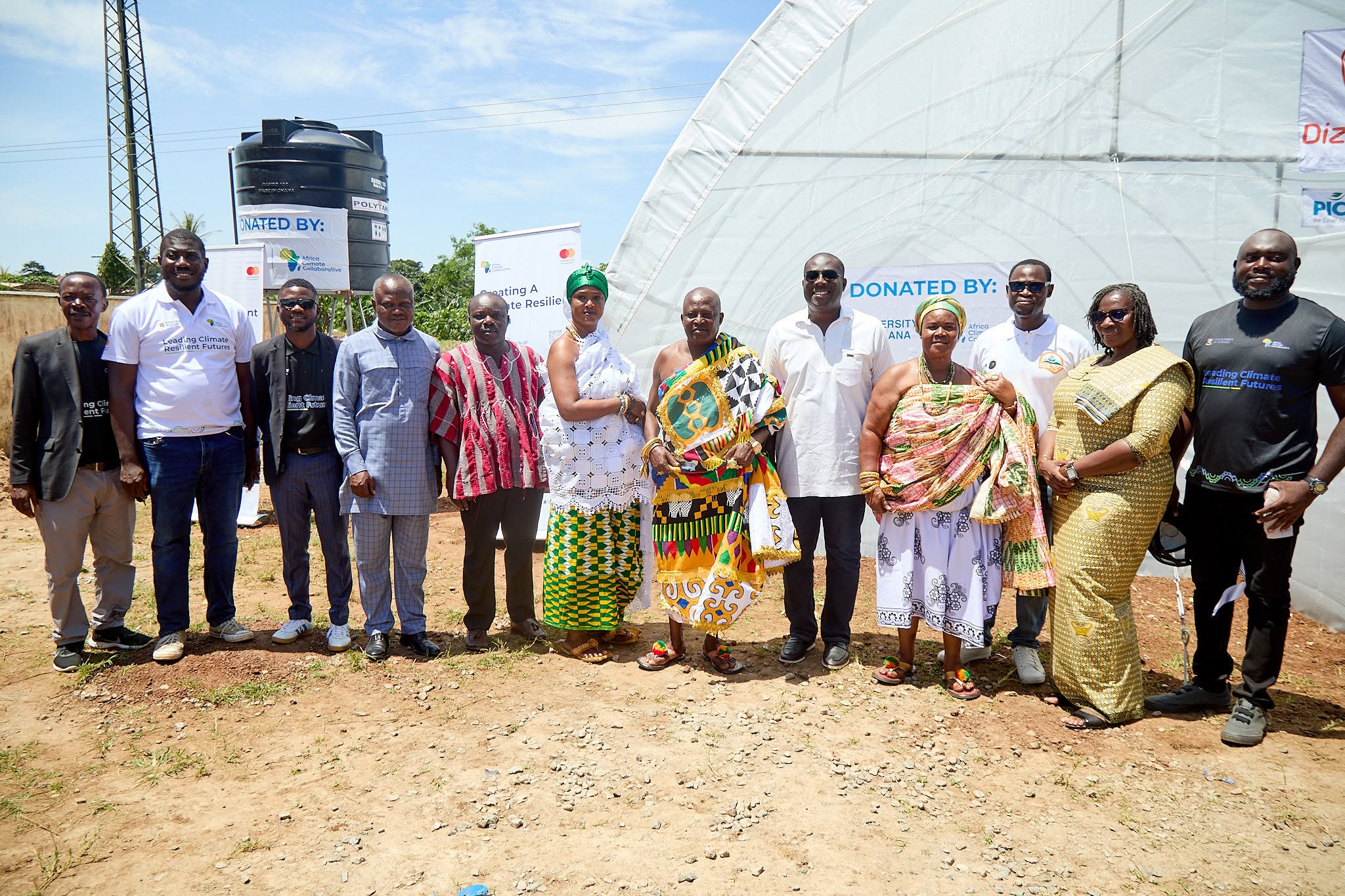
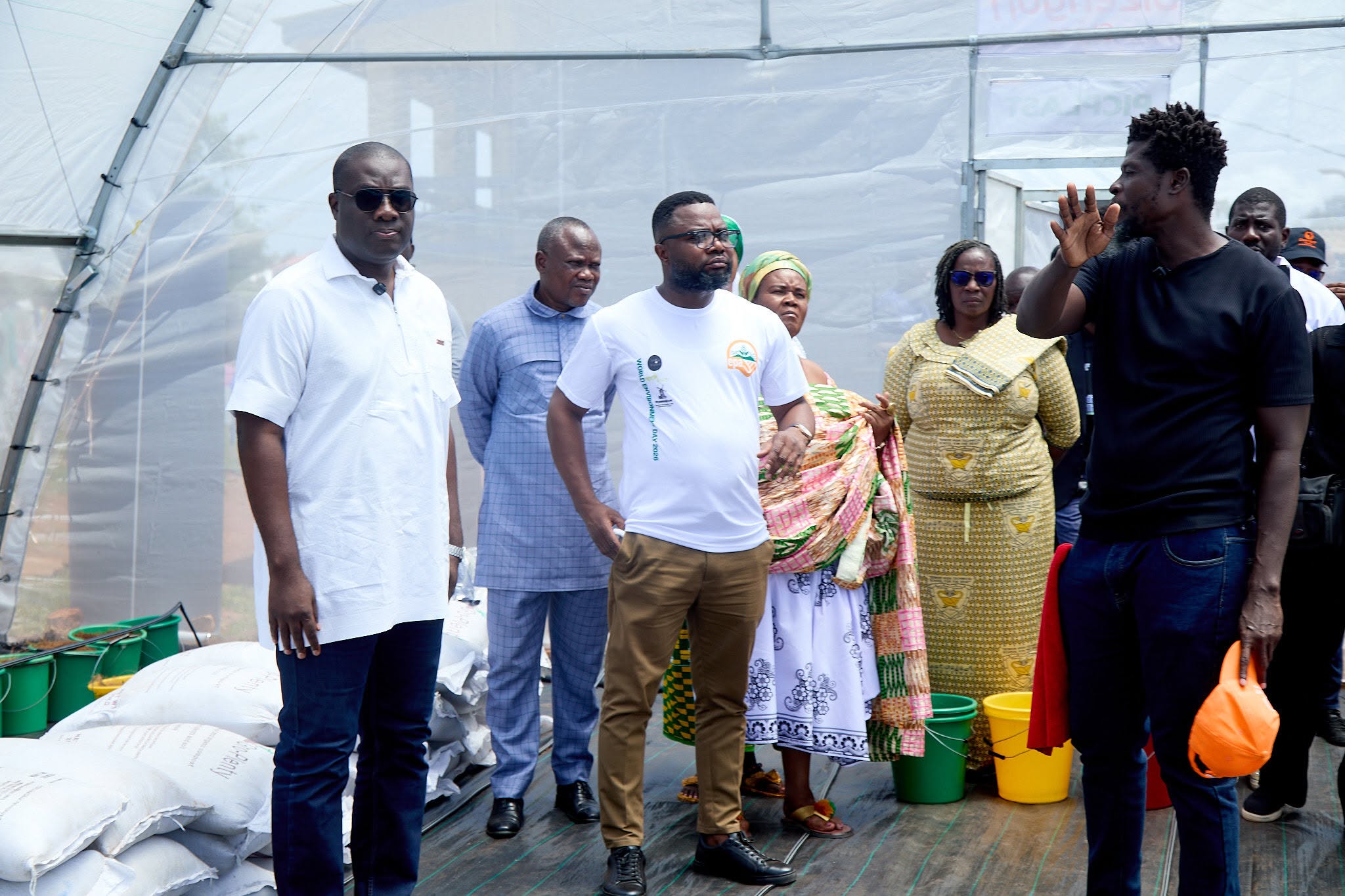
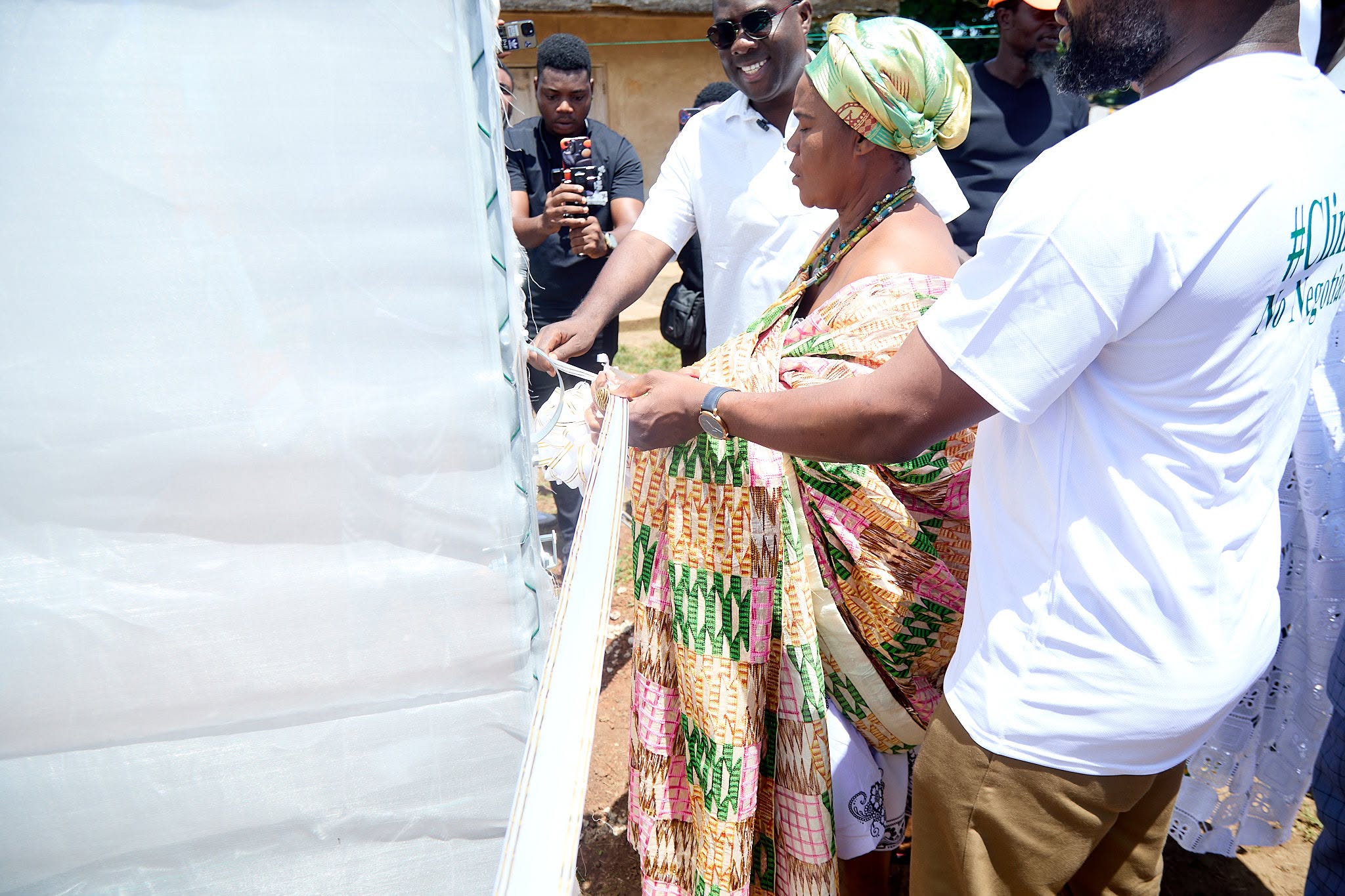
The Africa Climate Collaborative (ACC), University of Ghana, in partnership with the Mastercard Foundation, has officially commissioned a greenhouse project at the Mampong-Akuapem Senior High Technical School for the Deaf as part of activities marking World Environment Day 2026.
Through this initiative, students will gain practical skills in climate-smart agriculture, food production and environmental stewardship.
Representing the Mamponghene, the Chairperson of the event and Queen Mother of the Mampong-Akuapem Traditional Area, Nana Akua Peabea, called on Ghanaians to draw inspiration from nature and take collective responsibility for protecting the environment.
She urged citizens to contribute to safeguarding the country's natural resources for future generations.
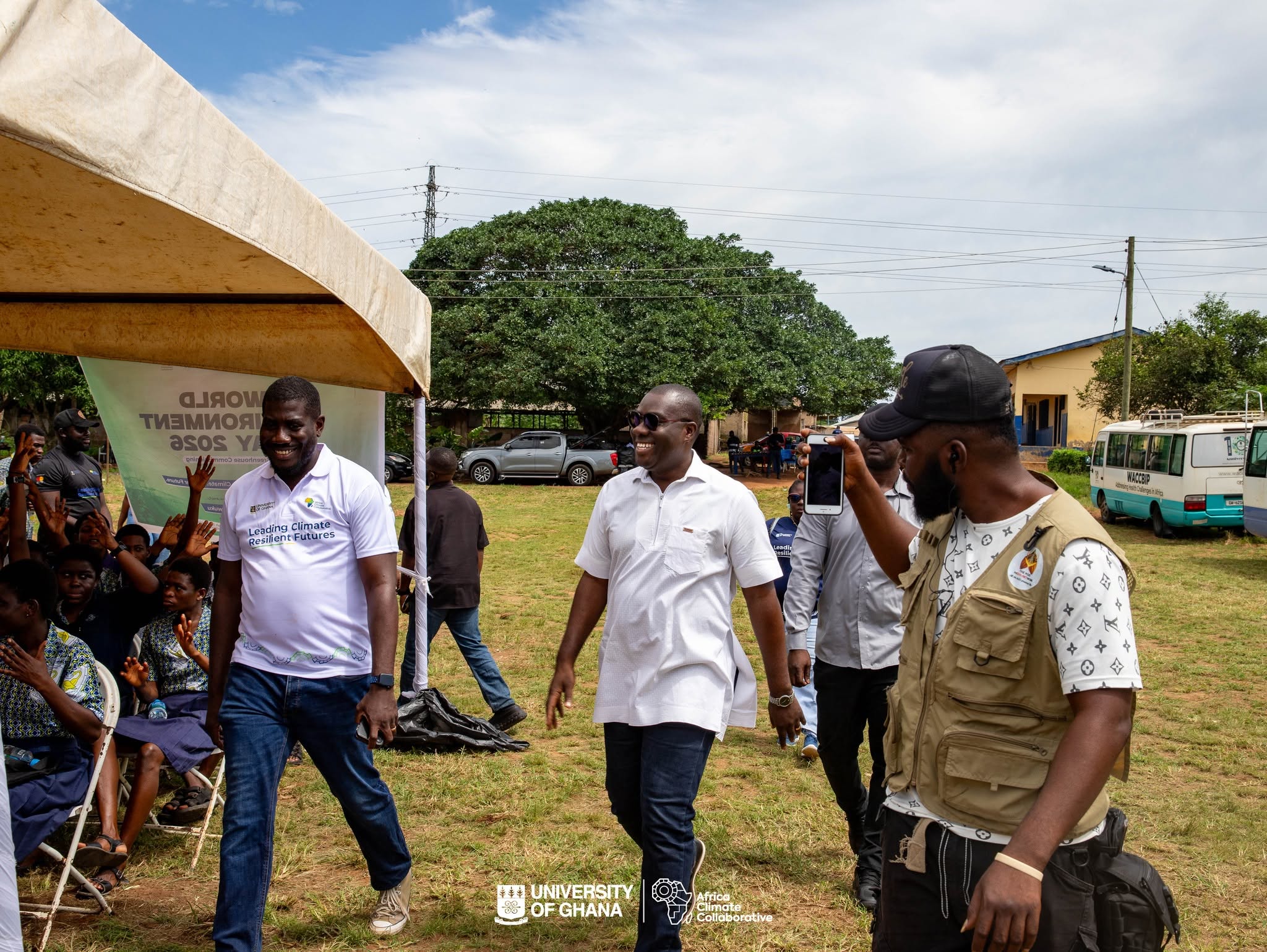
Member of Parliament for Akuapem North, Hon. Sammy Awuku, praised the Africa Climate Collaborative, University of Ghana, for its decision to establish the project at a school serving students with special needs, describing it as a powerful demonstration of inclusive development.
He stressed that young people with disabilities must not be excluded from conversations and opportunities relating to climate action and sustainable development.
"What we are celebrating today goes beyond a project," he said. "It is a statement of belief in people, in possibility, and in the future of this community."
He urged students to take ownership of the greenhouse and use it as a platform for learning, innovation and skills development.
Addressing the gathering, Deputy Director (Technical Affairs) at the Collaborative, Prof. Christopher Gordon, noted that the project forms part of efforts to advance Africa's green economy through training, research and entrepreneurship.
"The project is anchored in sustainability, diversity and inclusion," he said, adding that "no one should be left behind as we work towards climate resilience and sustainable development."
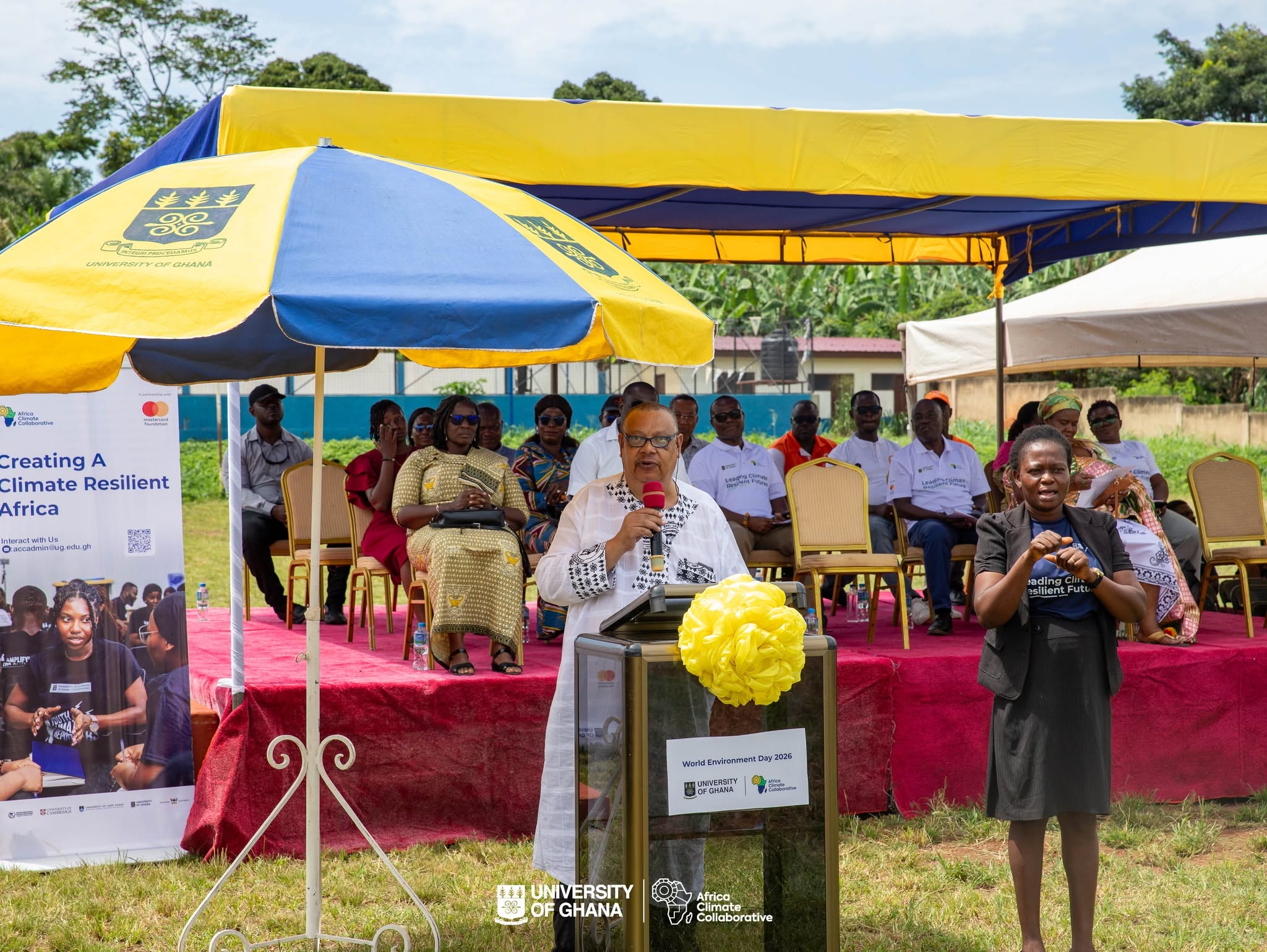
He also revealed that the Mastercard Foundation has provided a grant of $28.4 million, which aims to reach one million young people by 2032 and will provide scholarships, research grants and entrepreneurship support, particularly for women, persons with disabilities, refugees and other marginalised groups.
Delivering remarks, the Municipal Chief Executive for Akuapem North, Hon. John Evans Kumordzie, cited recent environmental challenges in Ghana, including devastating floods in urban centres and the degradation of natural ecosystems, as evidence of the need for stronger climate action.
"Environmental protection is not the responsibility of government alone," he noted. "It is a collective duty that requires commitment from individuals, households, institutions and communities."
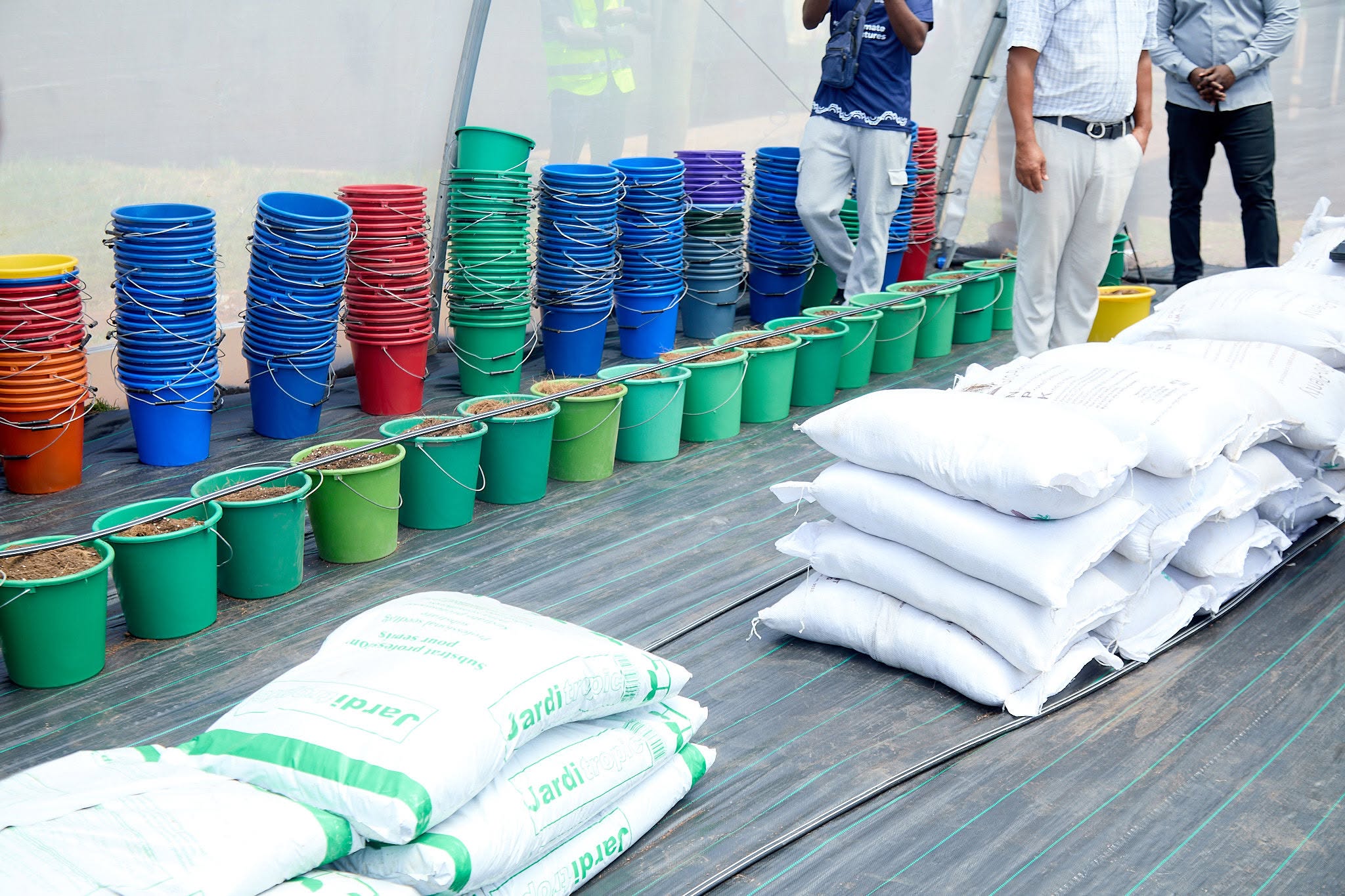
The Regional Director of Education, Dr Ivy Owusu, welcomed the project, describing it as a timely intervention that aligns with ongoing efforts by the Ministry of Education to encourage farming and school gardening initiatives nationwide. She noted that the greenhouse would provide students, particularly those with special needs, with practical agricultural skills that could improve future employment prospects while reducing food costs for the school. She further emphasised the health benefits of producing fresh, organic food for students and staff and appealed for similar projects to be replicated across schools within the municipality.
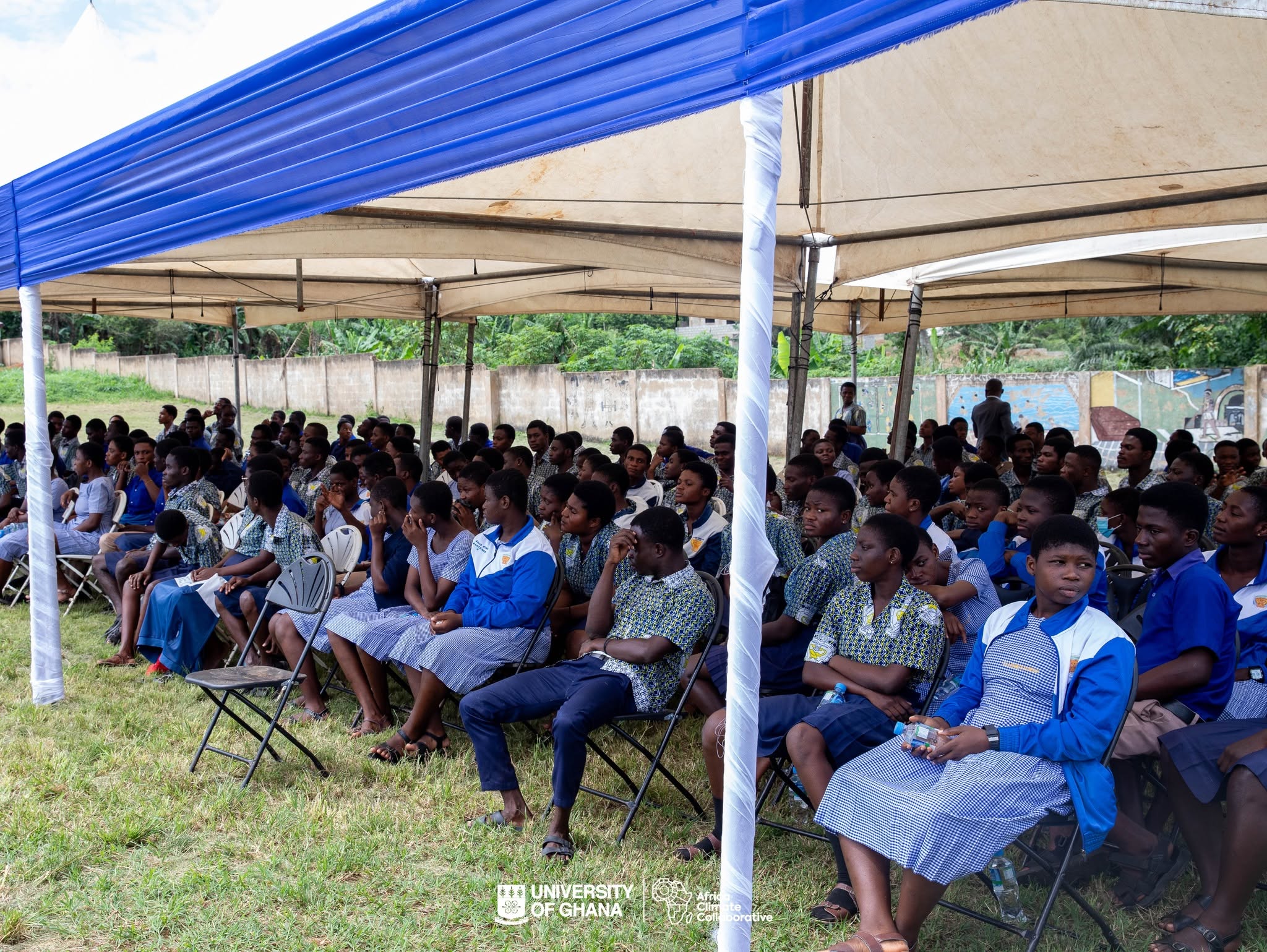
The Headmistress of the Senior High Technical School for the Deaf, Ms. Philomena Buckman, expressed her appreciation to the Africa Climate Collaborative and its partners for bringing the initiative to the institution. She described the greenhouse as a valuable learning facility that will provide students with practical agricultural skills, improve knowledge of sustainable food production, and contribute to healthier lifestyles within the school community.
She again noted that the greenhouse would serve not only students and teachers but also members of the surrounding community, who would be invited to learn about climate-smart farming practices.