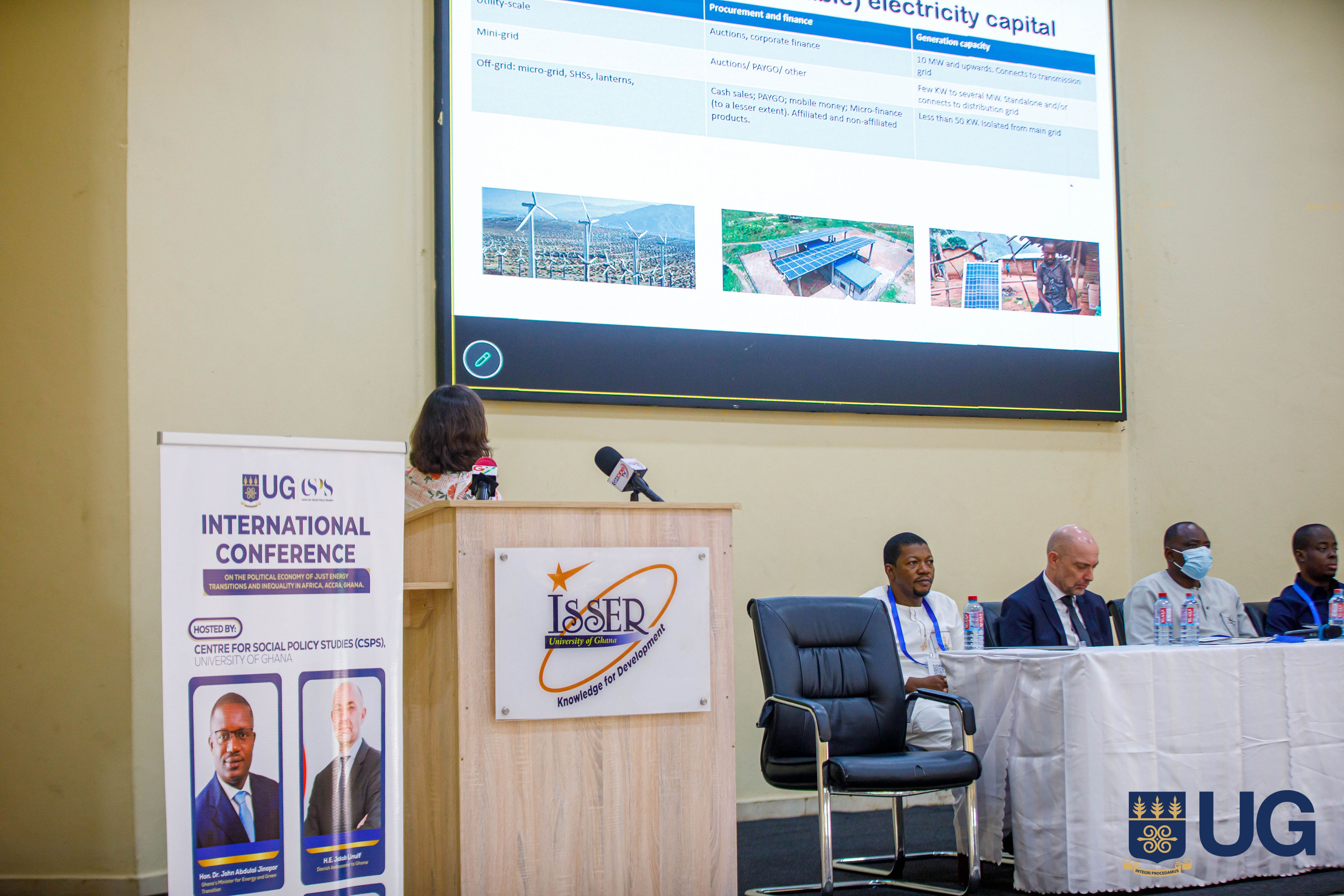
CSPS Organises International Conference on Just Energy Transitions and Inequality in Africa
While the continent contributes the least to climate change, it continues to bear a disproportionate share of its impact. This paradox underscores the need for Africa to take ownership of the energy transition conversation.
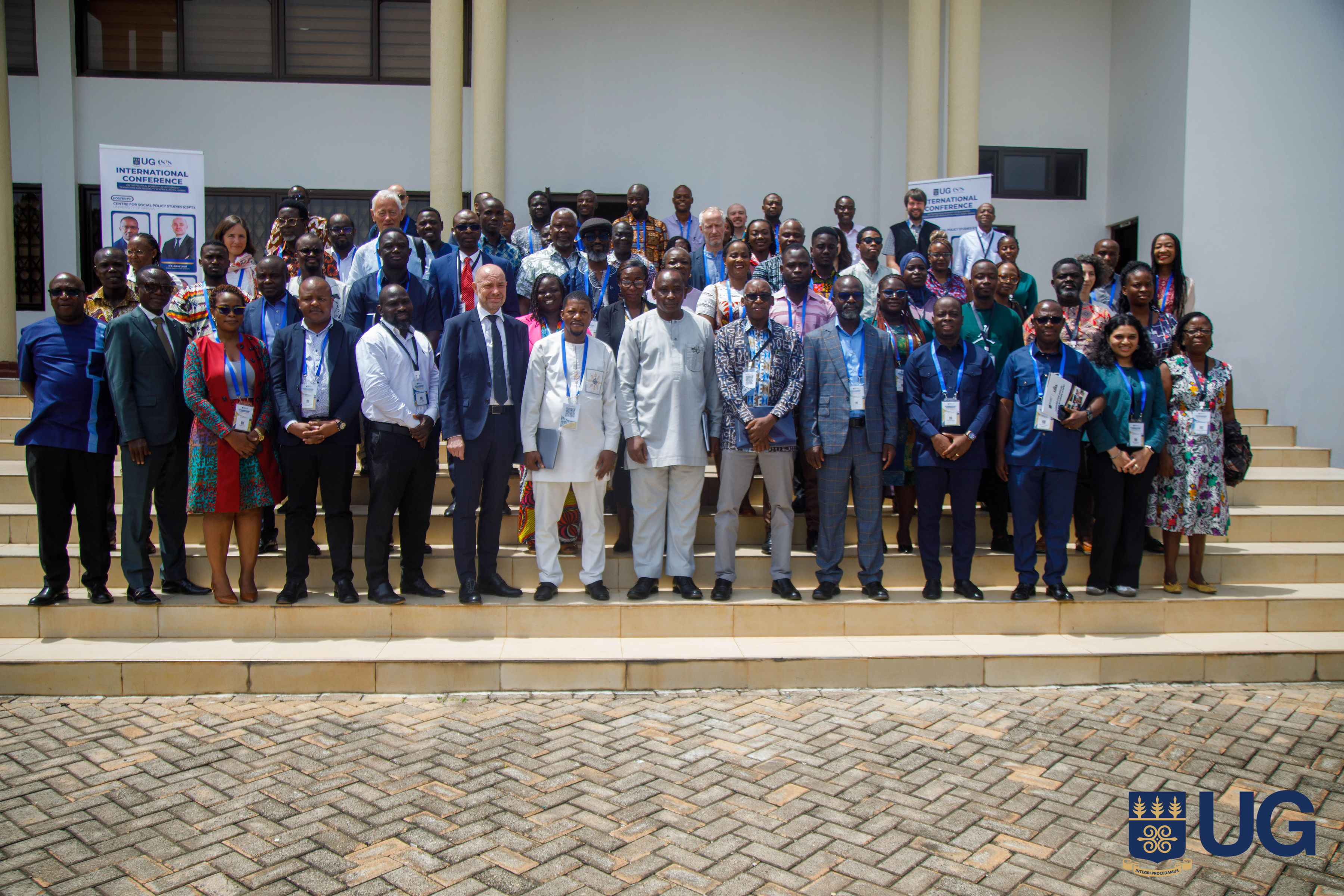
It is in this light that the Centre for Social Policy Studies, UG, has convened an international conference on the ‘Political Economy of Just Energy Transitions and Inequality in Africa.’
The two-day conference organised in collaboration with the Danish Institute for International Studies and OXFAM aims to deepen discourse on how Africa can transition to cleaner energy systems while addressing persistent inequalities.
At the opening of the conference, a powerful tone was set, highlighting the urgent and inevitable global shift from fossil fuels to renewable energy and Africa’s unique position within it.
Director of the Centre, Prof. Abdul-Gafaru Abdulai, noted that the conference emerged from years of collaborative research on the political and socio-technical drivers of renewable energy in countries such as Ghana and Tanzania. He explained that what began as a series of project workshops evolved into a broader platform to engage a wider audience, reflecting growing global interest in energy transitions and their implications for Africa.
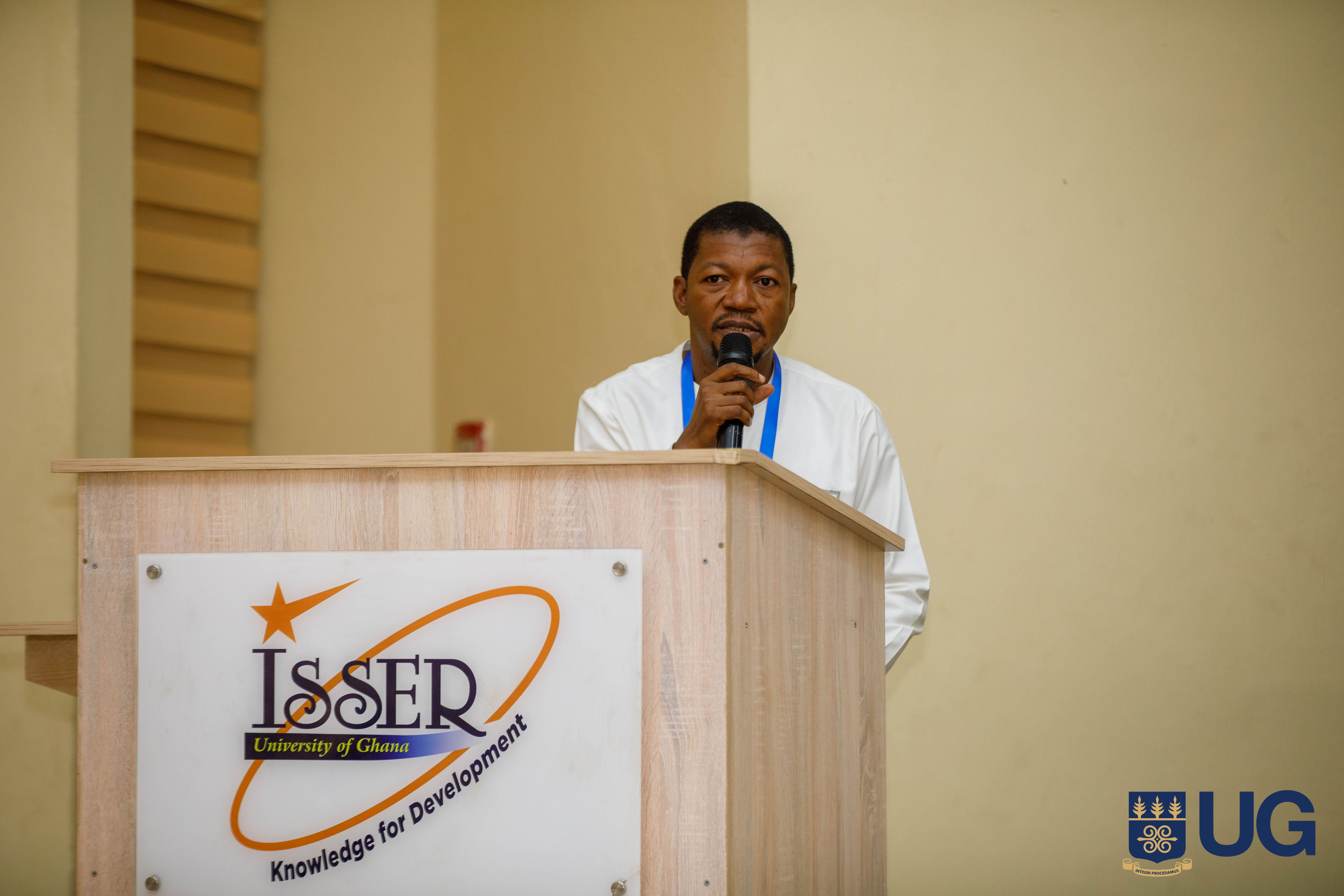
He further reiterated that this transition must be deliberate, context-specific, and driven by policies that safeguard development while advancing sustainability.
‘With many African economies still reliant on fossil fuel revenues, we must leverage existing resources, strategically to invest in cleaner energy, ensuring that the pace of transition supports both energy security and economic growth,’ he added
Chairing the event, Provost of the College of Humanities, Prof. Joseph Awetori Yaro, underscored the timeliness of the conference, noting that the global transition to low-carbon energy systems is no longer in question. However, he cautioned that the process raises critical issues of justice, inclusion and inequality, particularly for African countries.
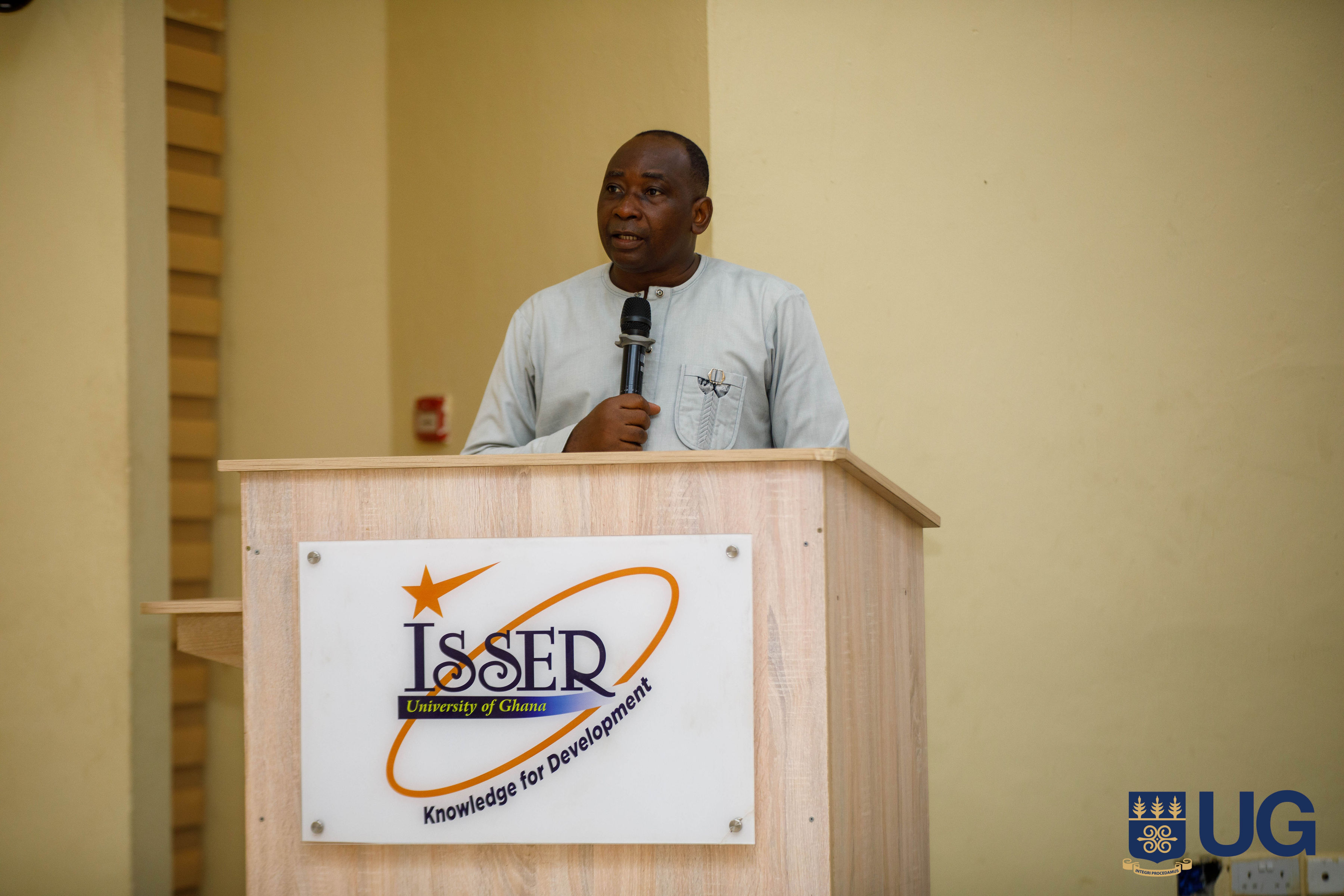
He urged participants to generate insights that are not only academically rigorous but also policy-relevant and capable of informing real-time decision-making on the continent.
Also addressing the gathering, the Danish Ambassador to Ghana, H.E Jakob Linulf, reaffirmed his country’s longstanding commitment to renewable energy, noting that Denmark has, for decades, maintained a strong national consensus on transitioning to green energy regardless of political changes.
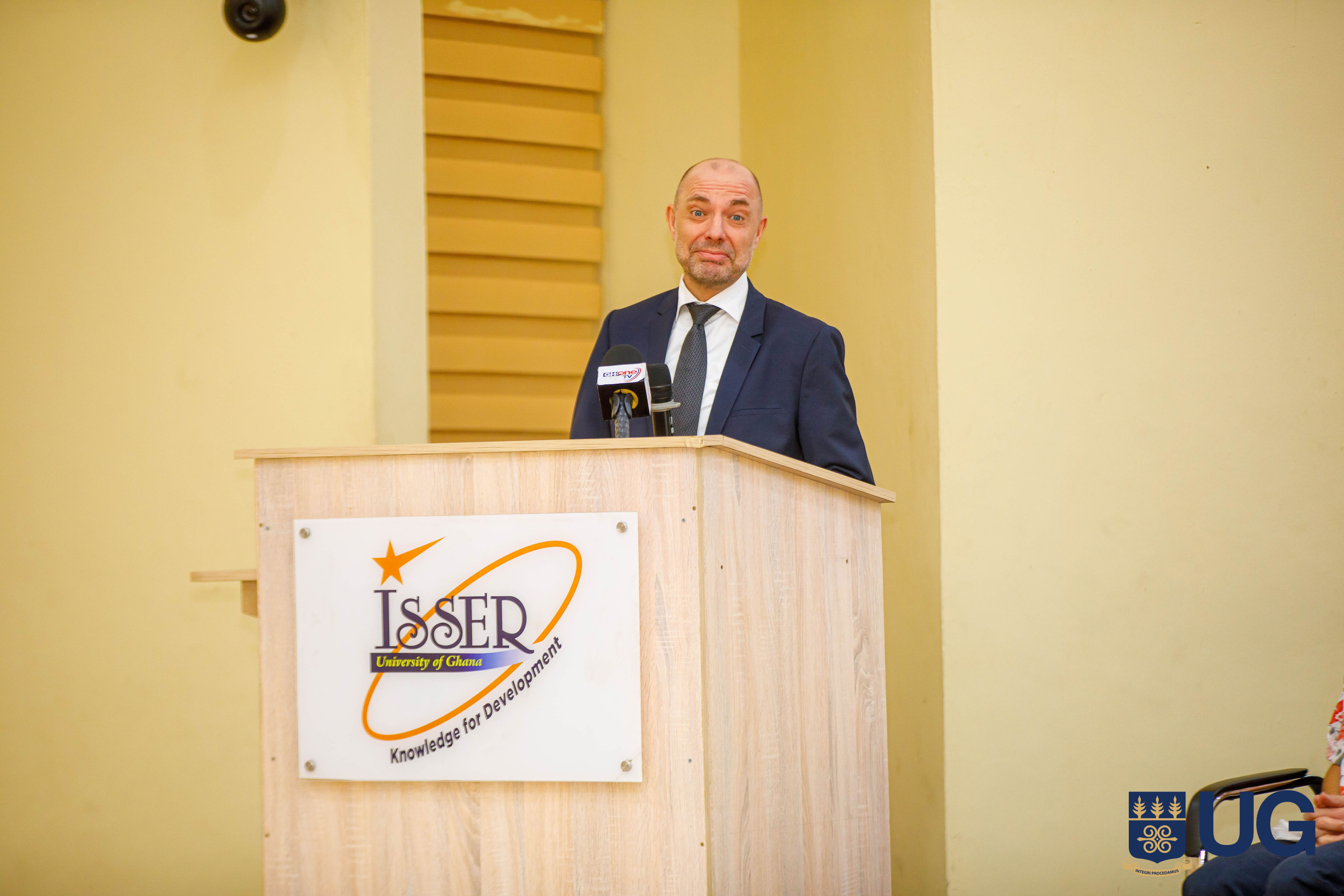
He encouraged African governments to harness their own natural resources, such as wind and solar, to build sustainable and resilient energy systems.
Delivering a message on behalf of the Minister of Energy, Technical Advisor Dr. Ishmael Ackah highlighted the importance of energy transition to Ghana’s development agenda. He reiterated the government’s commitment to advancing sustainable energy solutions while ensuring energy security and economic stability.
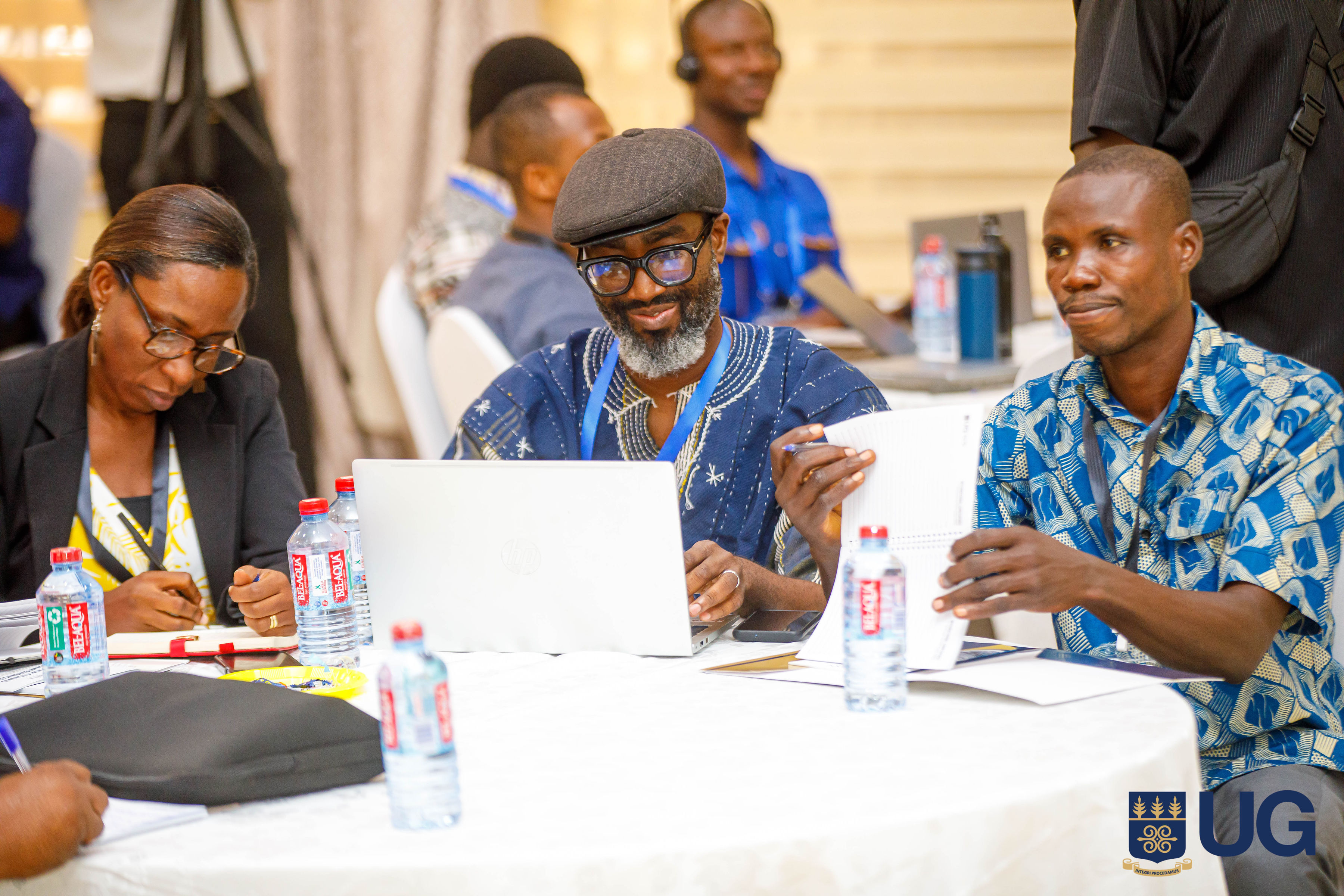
The conference also featured plenary sessions and breakout discussions focusing on key issues including energy access, financing renewable energy, policy frameworks and the broader political economy shaping Africa’s transition.