EU High Representative Kaja Kallas Engages University of Ghana Students on EU-Africa Relations and Youth Development
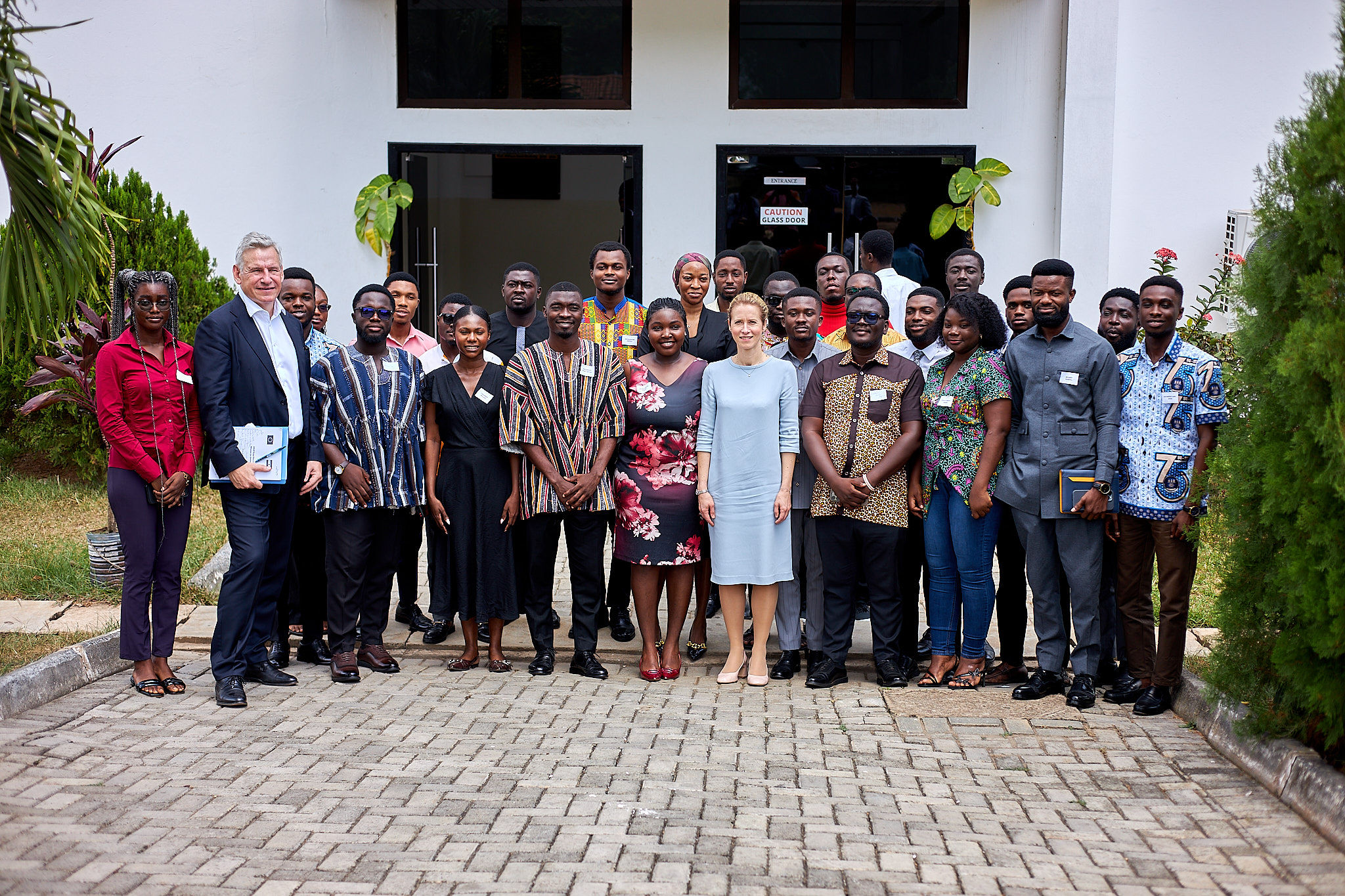
The High Representative for Foreign Affairs and Security Policy of the European Union and Vice-President of the European Commission, Her Excellency Kaja Kallas, has engaged student leaders of the University of Ghana in a dialogue on EU-Africa relations, youth opportunities and global governance challenges.
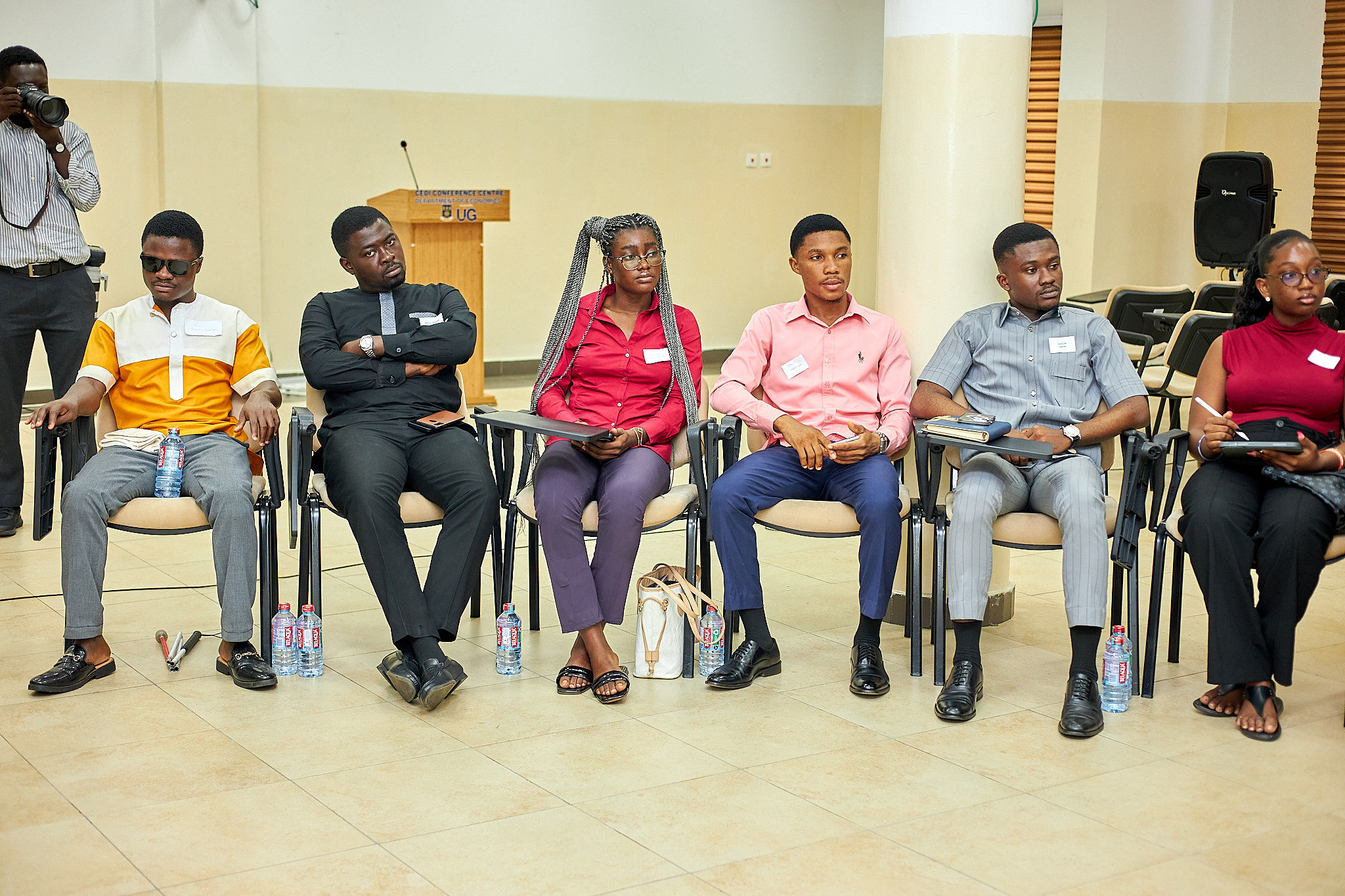
The engagement, held at the University, brought together student leaders from the Students’ Representative Council (SRC) and the Graduate Students’ Association of Ghana (GRASAG) to discuss issues ranging from international partnerships and climate change to youth development and economic cooperation.
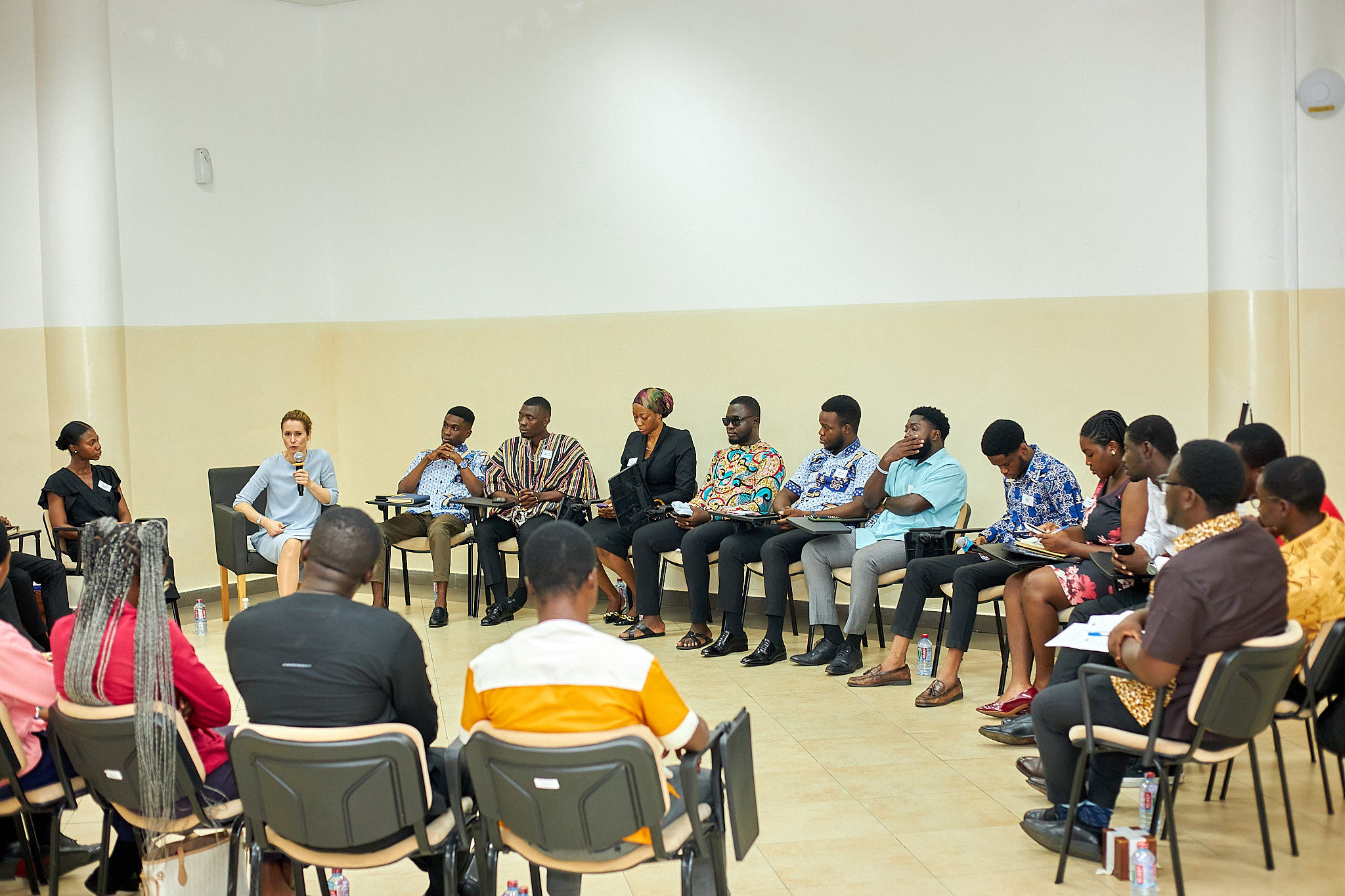
Delivering the welcome address on behalf of the University of Ghana community, the Dean of Student Affairs, Prof. Rosina Kyerematen, expressed appreciation to the EU delegation for visiting the university and engaging directly with students.
She noted that the visit reflects the longstanding partnership between Ghana and the European Union, particularly in areas such as education, job creation and sustainable economic development. She explained that youth engagement remains central to the university’s mission and aligns with its strategic priority of delivering a transformative student experience.
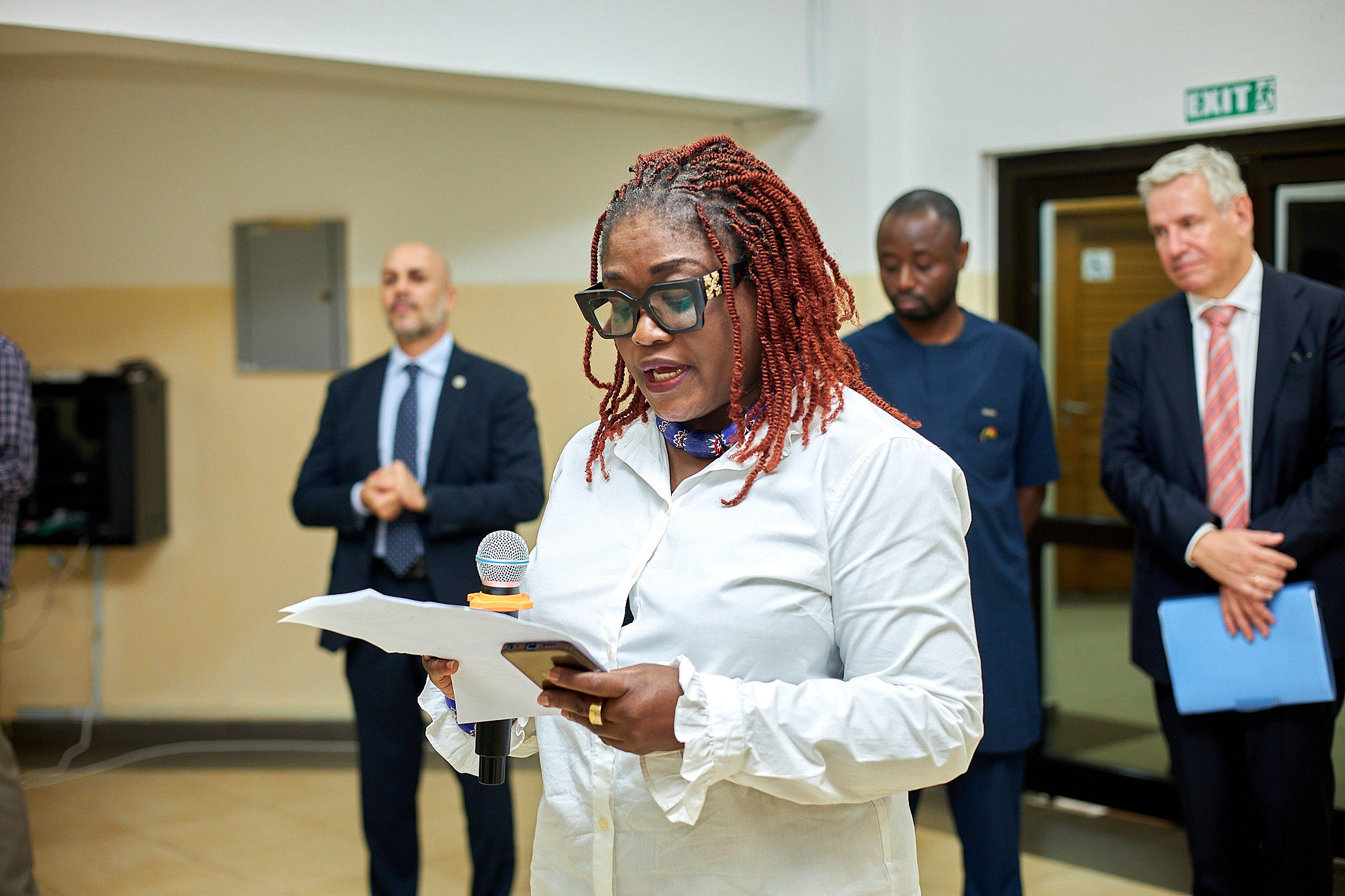
“The interaction provides a unique platform for our students to learn from your insights on the EU’s foreign policy, digital transformation, climate action and inclusive growth,” Prof. Kyeremanten stated. She added that such engagements help prepare graduates who are globally minded, innovative and committed to addressing pressing societal challenges.
She further highlighted the importance of partnerships between universities and international institutions in empowering young people to take leadership roles in research, innovation and service to society.
During the interactive session, H.E. Kaja Kallas invited students to share their perspectives on strengthening cooperation between the European Union and African countries.
Students raised questions on a range of issues, including global power dynamics, investment opportunities, youth participation in EU-Africa partnerships and climate action.
Responding to a question about the European Union’s role in global politics and its relationship with other major global powers such as China, H.E. Kallas acknowledged that the EU has sometimes been slow to respond to emerging global developments. However, she noted that the Union is increasingly working to become more proactive in shaping global partnerships.
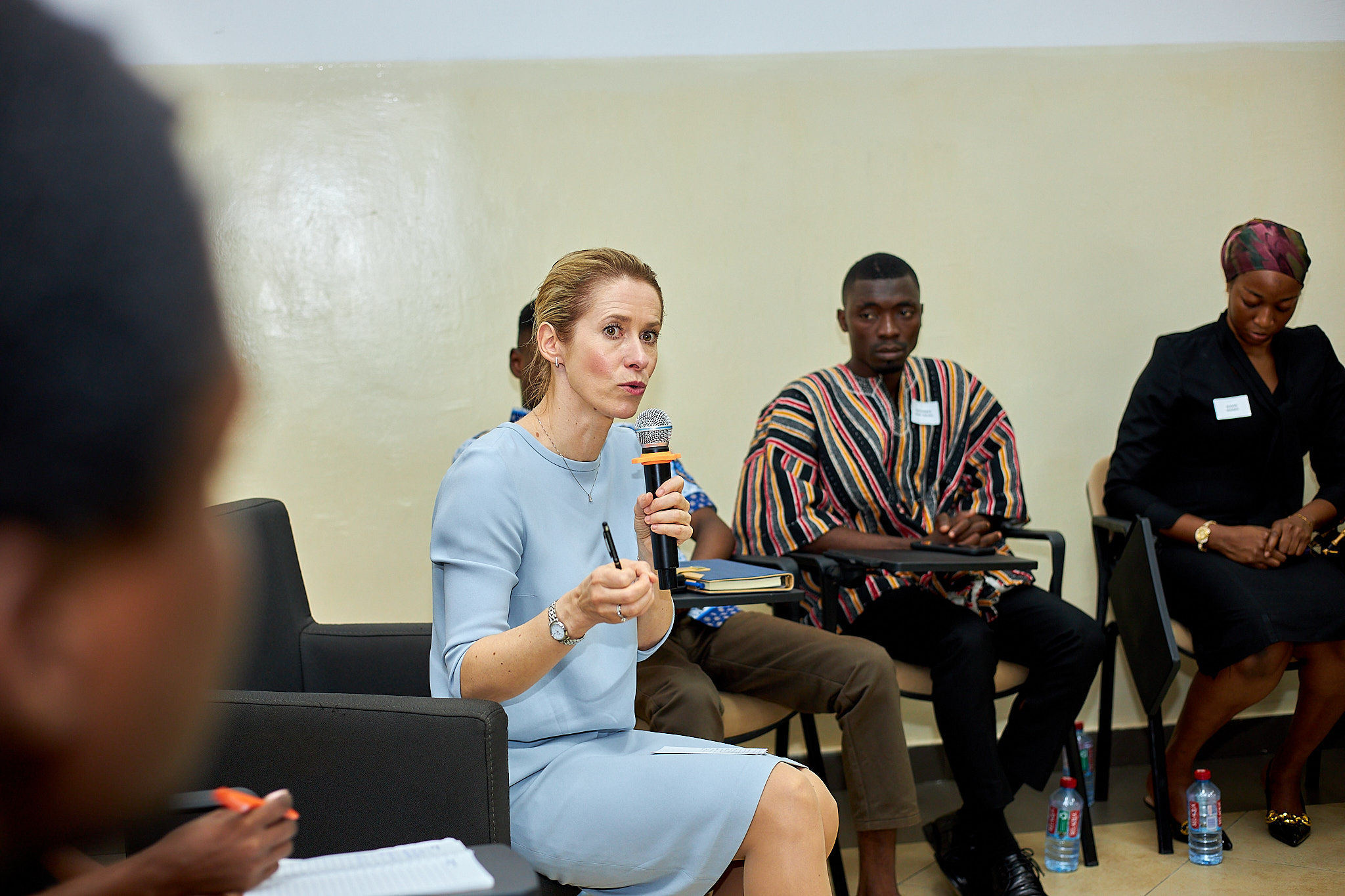
She explained that although the EU may not be a dominant military power, it remains a significant economic force and one of the world’s largest investors and trading partners.
H.E. Kallas added that the EU seeks to provide sustainable and responsible alternatives in areas such as infrastructure development and access to critical raw materials, particularly through partnerships with African countries.
During the discussion, she highlighted investment and economic cooperation as key areas for strengthening the EU-Ghana partnership.
According to H.E. Kallas, the European Union is currently Africa’s largest investor and trading partner, although this reality is sometimes less visible compared to other global actors. “What we want is a partnership that creates prosperity here,” she explained. “The technology and know-how can come from Europe, but the jobs and value from resources should remain in African countries.”
Students also raised questions about the role young people can play in shaping EU-Africa relations. In response, H.E. Kallas stressed that the relationship between Europe and Africa should be mutually beneficial, moving beyond traditional development assistance to include innovation, ideas and youth leadership.
She described Africa’s young population as a major strength and encouraged students to actively contribute to shaping future partnerships. “You bring innovation, ideas and perspectives about how the future should be designed. This relationship must work both ways,” she said.
Climate change also emerged as a key topic during the dialogue. H.E. Kallas warned that climate change is increasingly linked to global challenges such as migration, poverty and conflict, particularly in regions already facing environmental pressures.
She stressed that addressing climate change remains a critical priority for the European Union, despite the growing complexity of global climate negotiations.
“If you are worried about migration, you should also be worried about climate change,” she noted, explaining that environmental crises often force people to leave their homes when living conditions become unsustainable.
H.E. Kallas added that the EU is interested in strengthening cooperation with Ghana in areas such as green energy, climate technology and digital transformation.
The engagement formed part of broader efforts by the European Union to deepen cooperation with African countries in areas including investment, education, climate action and technological innovation.
The interactive session provided an opportunity for student leaders to engage directly with one of Europe’s top foreign policy officials, highlighting the importance of youth participation in global policy conversations.
The event concluded with a call for continued dialogue and collaboration between universities, policymakers and international partners to address shared global challenges and create new opportunities for young people.