MIASA Showcases African–German Academic Partnerships During Visit of German University Leaders
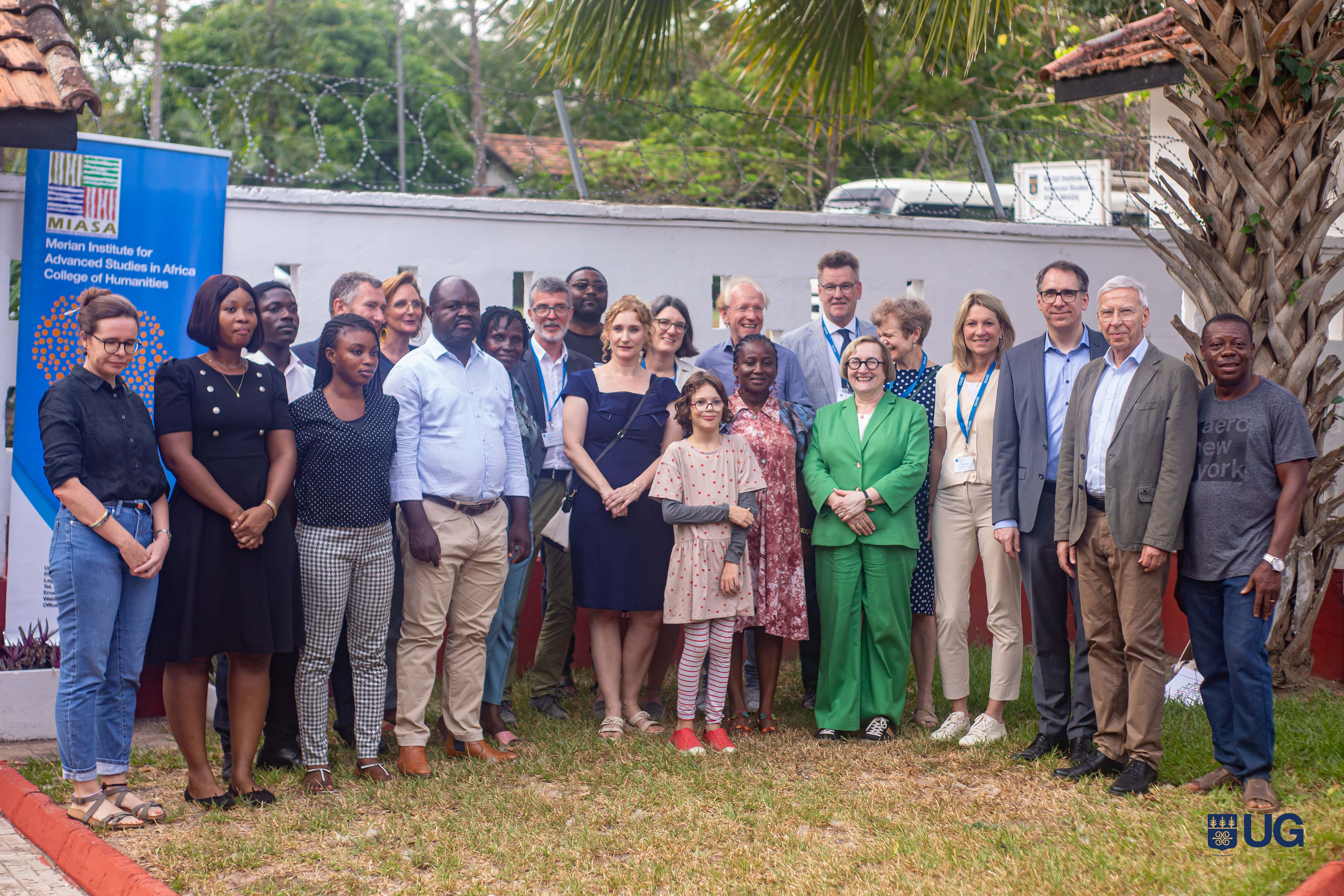
The Maria Sibylla Merian Institute for Advanced Studies in Africa (MIASA), one of Germany’s foremost partnerships dedicated to advancing African studies at the University of Ghana, recently hosted a high-level delegation of German university Rectors and Vice-Rectors as part of a study tour across Ghanaian higher education institutions.
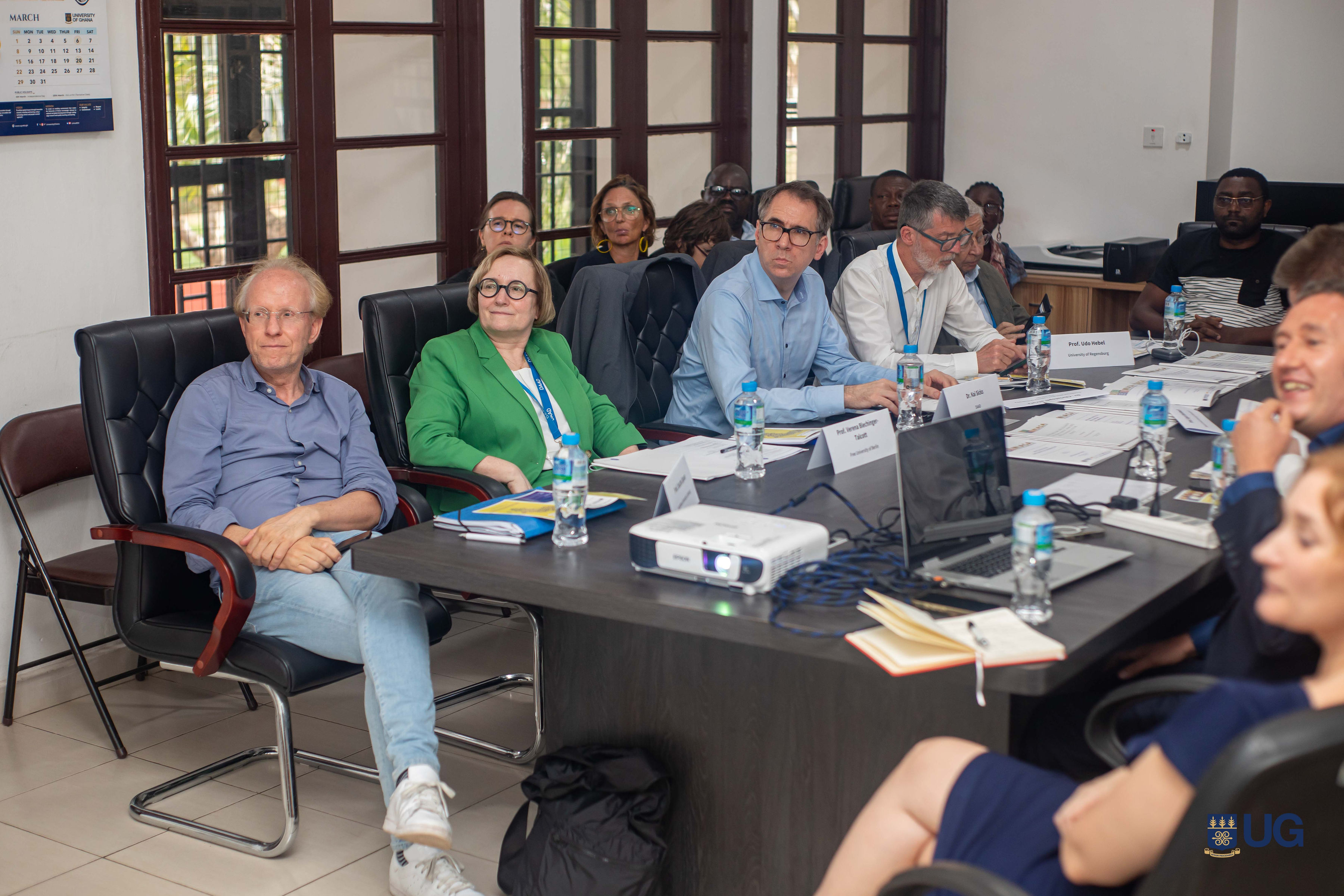
The visit was held to explore opportunities for academic collaboration, exchange ideas and learn about the impact of MIASA’s programmes on the German academic landscape.
Since its inception in 2018, MIASA has promoted research, academic exchange and policy engagement through fellowships, workshops, public lectures and collaborative projects, highlighting the outcomes of interdisciplinary research and the international networks it has helped to foster.
Speaking to welcome the delegation, Dr. Stefan Rother, the new MIASA German Director, provided an overview of the institute’s organisational structure, operations and core mandate.
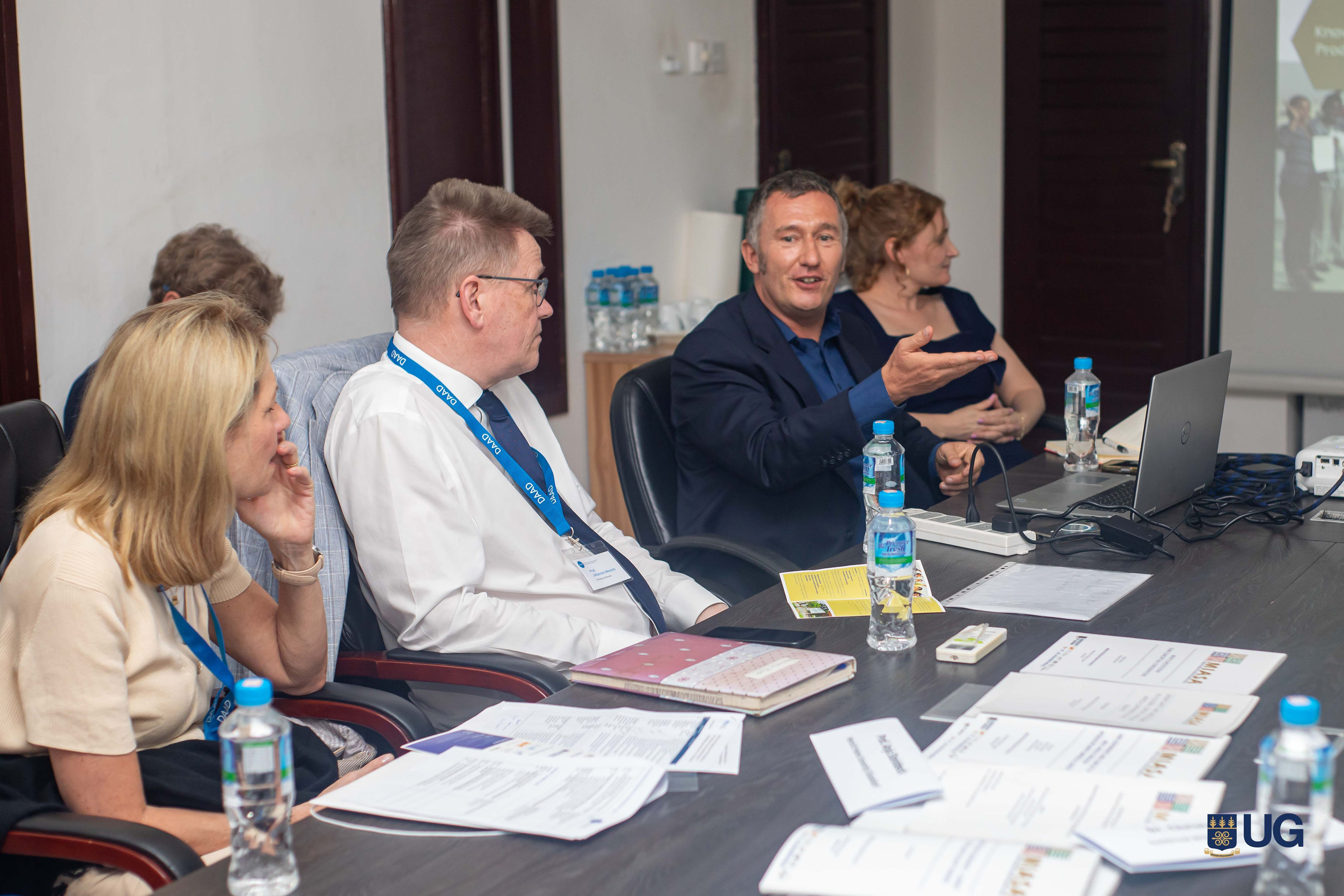
He highlighted programmes such as research residencies, lecture series including the Amo Lectures, internal seminars, targeted workshops for early-career academics, especially women and policy conferences, all designed to support knowledge production and capacity building.
Dr. Agnes Schneider-Musah, MIASA Academic Coordinator, described the Institute as a central hub for German-Ghanaian scientific cooperation, with societal and political impact in areas including restitution, migration, environmental transformation and democracy.
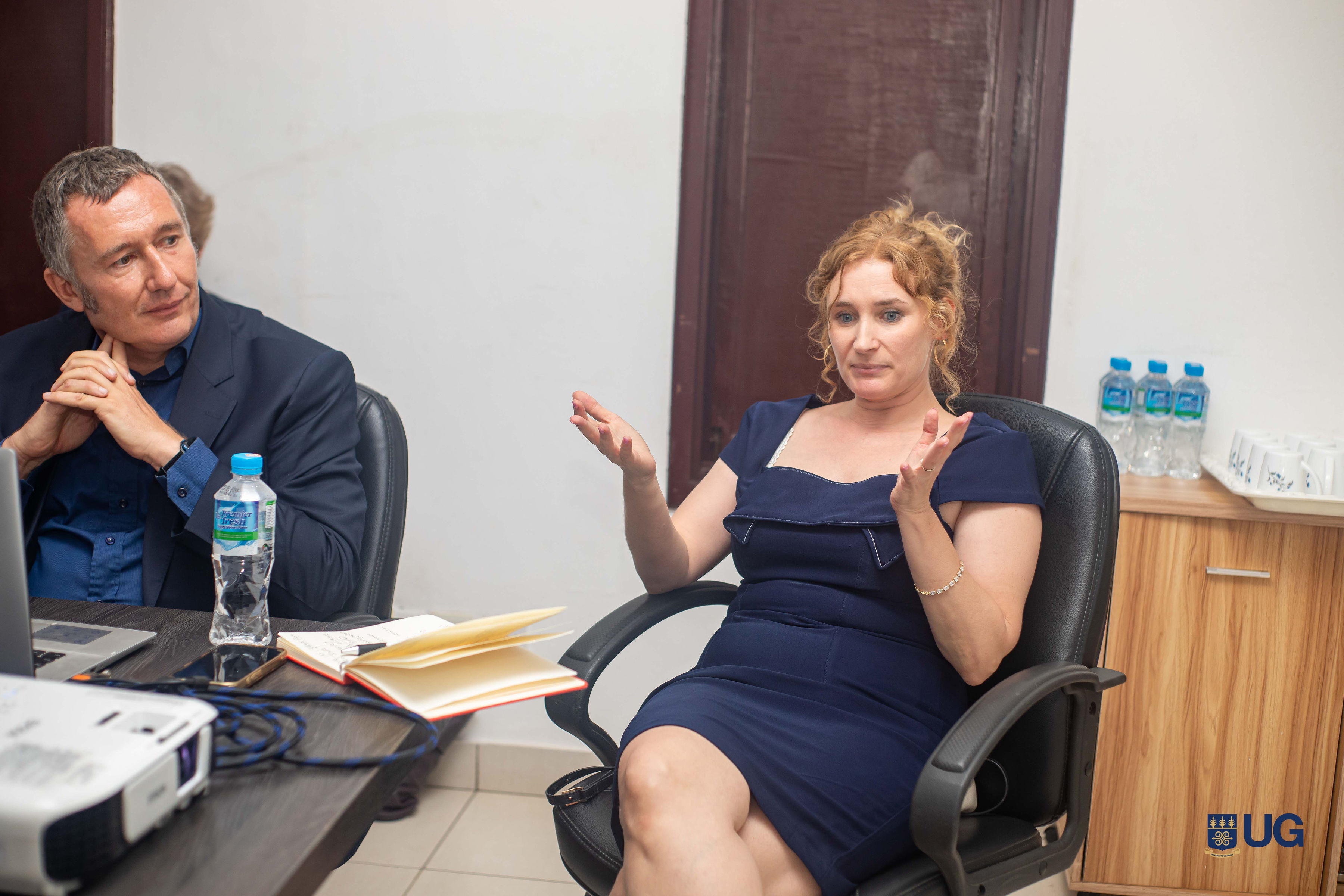
According to her, MIASA has expanded its reach to include joint PhD supervision by its alumni, academic exchanges and institutional collaborations, further strengthening its role as a bridge between African and German scholarship.
Delegation members from universities, including Leuphana University of Lüneburg, Freie Universität Berlin, Leibniz Universität Hannover, University of Regensburg, University of Düsseldorf, University of Münster and University of Kassel, engaged with MIASA fellows to learn about their research, professional backgrounds and contributions to knowledge production.
Discussions focused on the Institute’s thematic priorities, including sustainable democracy, sustainability transformation, peace, migration and mobility, African cities, land ownership, human rights and restitution.
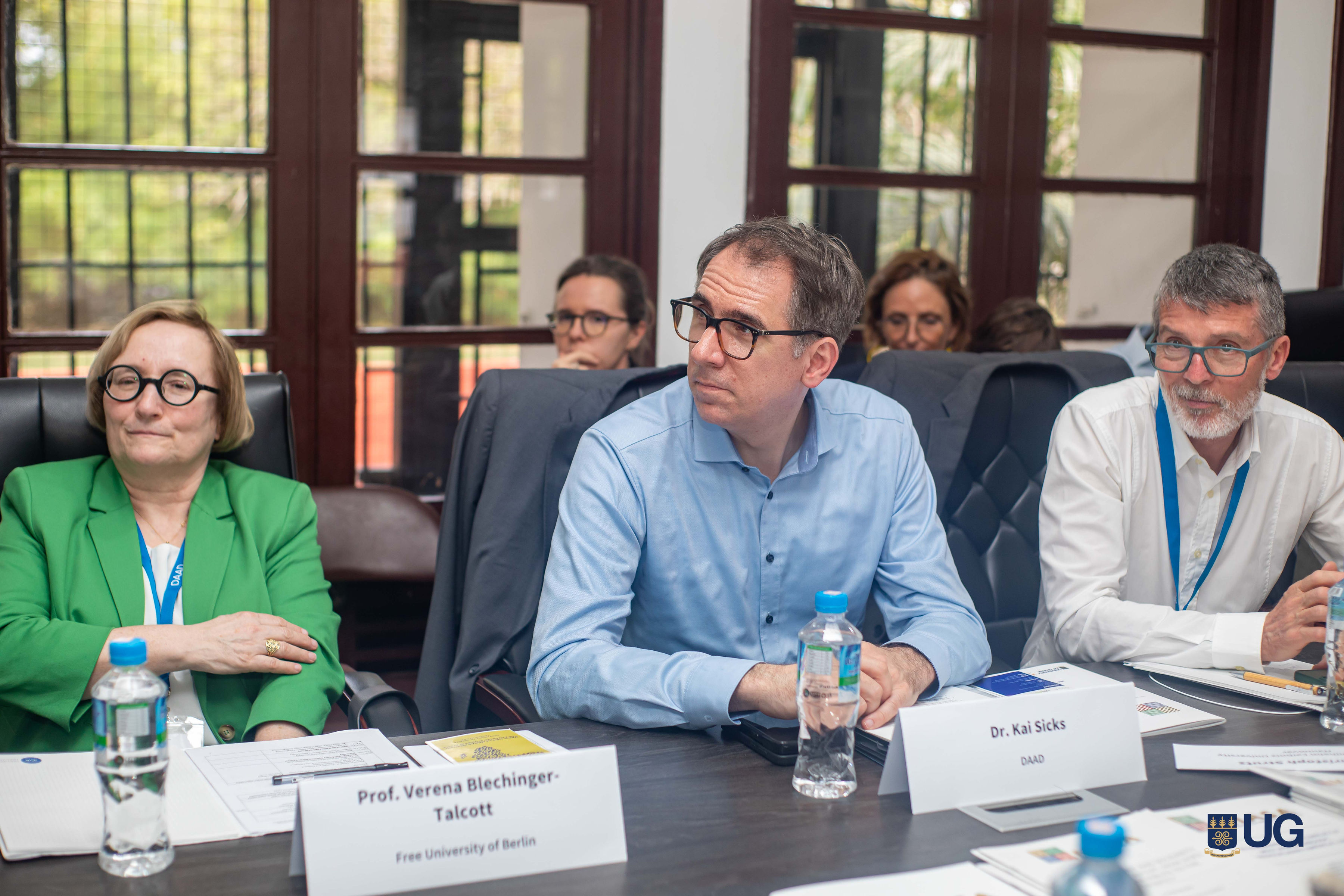
Prof. Sascha Spoun of Leuphana University of Lüneburg emphasised the importance of learning from MIASA’s fellowship programmes, while Dr. Kai Sicks, Secretary-General of the German Academic Exchange Service (DAAD), praised the Institute’s work as critical to strengthening African-German academic ties and promoting a hub for African Studies at the University of Ghana.
The visit underscores MIASA’s growing role as a centre of excellence in African-German research partnerships and its commitment to promoting interdisciplinary scholarship, global networks and collaborative knowledge production.