2025 Amo Lecture Spotlights Role of Therapeutic Intellectuals as Prof. Adomako Ampofo Makes Case for Justice and Healing
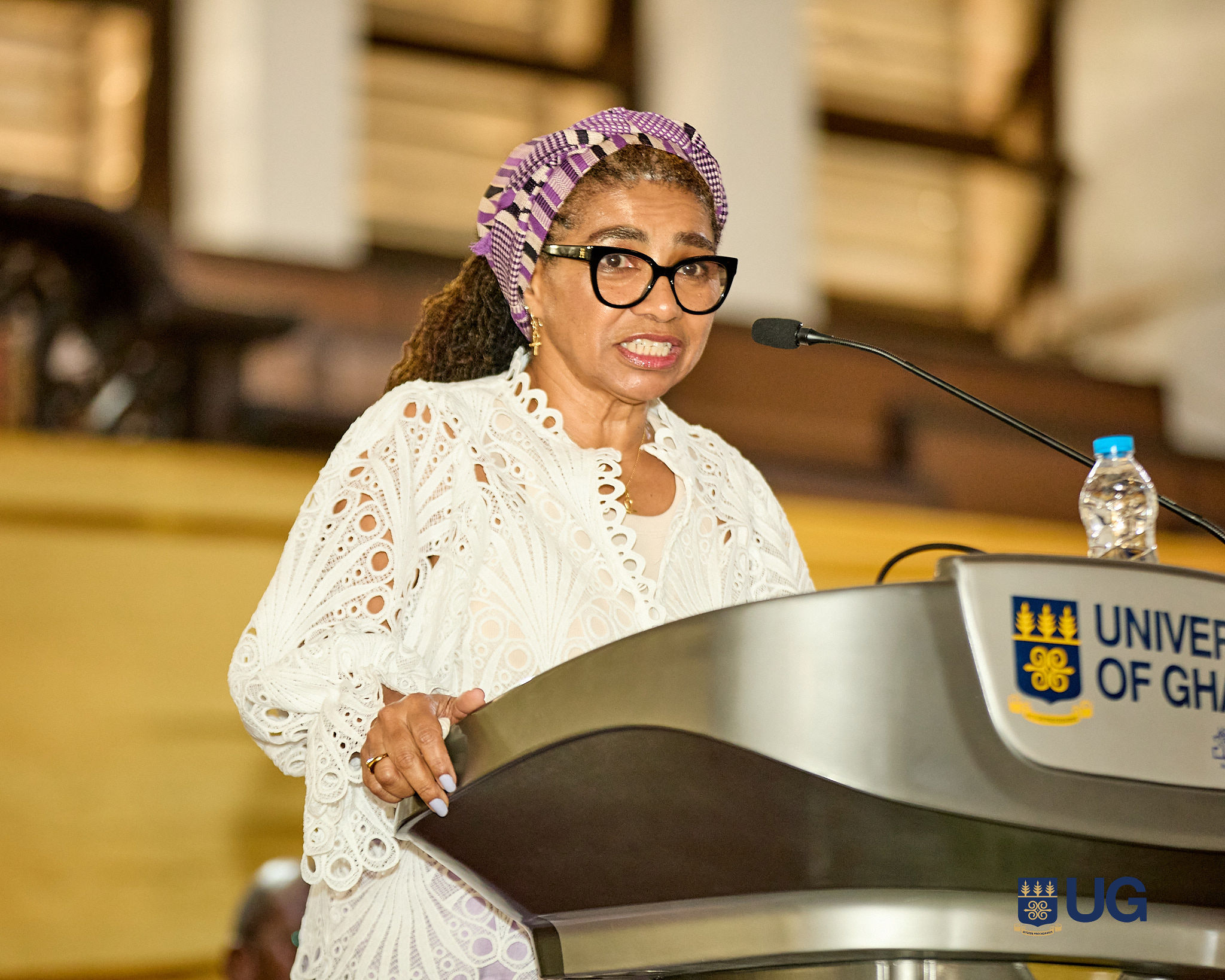
African scholars and intellectuals have a critical role in addressing societal trauma and guiding younger generations toward justice, Professor Akosua Adomako Ampofo has said during the 2025 Anton Wilhelm Amo Memorial Lecture at the University of Ghana’s Great Hall.
Delivering her lecture titled “Where are the Therapeutic Intellectuals? Popular Culture and Autobiographical Narratives for Justice and Healing,” Prof. Adomako Ampofo traced the historical and contemporary responsibilities of African-born philosophers and intellectuals in responding to societal crises, systemic inequalities and the aspirations of young people.
The lecture is the fifth in the series of annual Amo Lectures, which celebrates the legacy of Ghana’s first internationally recognised philosopher and continues to foreground African scholarship and public engagement.
Highlighting the challenges facing African youth, she pointed to climate and environmental crises, wars, cyberbullying, shrinking academic freedom and social and economic inequalities. She argued that "older generations of scholars and practitioners must engage meaningfully with younger generations, working in solidarity to envision and implement pathways for justice, healing and societal transformation."
Drawing on African cosmologies of human interconnectedness, Prof. Adomako Ampofo emphasised "that knowledge production and healing are inseparable from social responsibility." Quoting Anton Wilhelm Amo, she reminded the audience that “to be alive and to exist are not synonymous. Everything that is alive exists, but not everything that exists is alive,” framing her lecture as a call for intellectual engagement that is active, purposeful and responsive to contemporary realities.
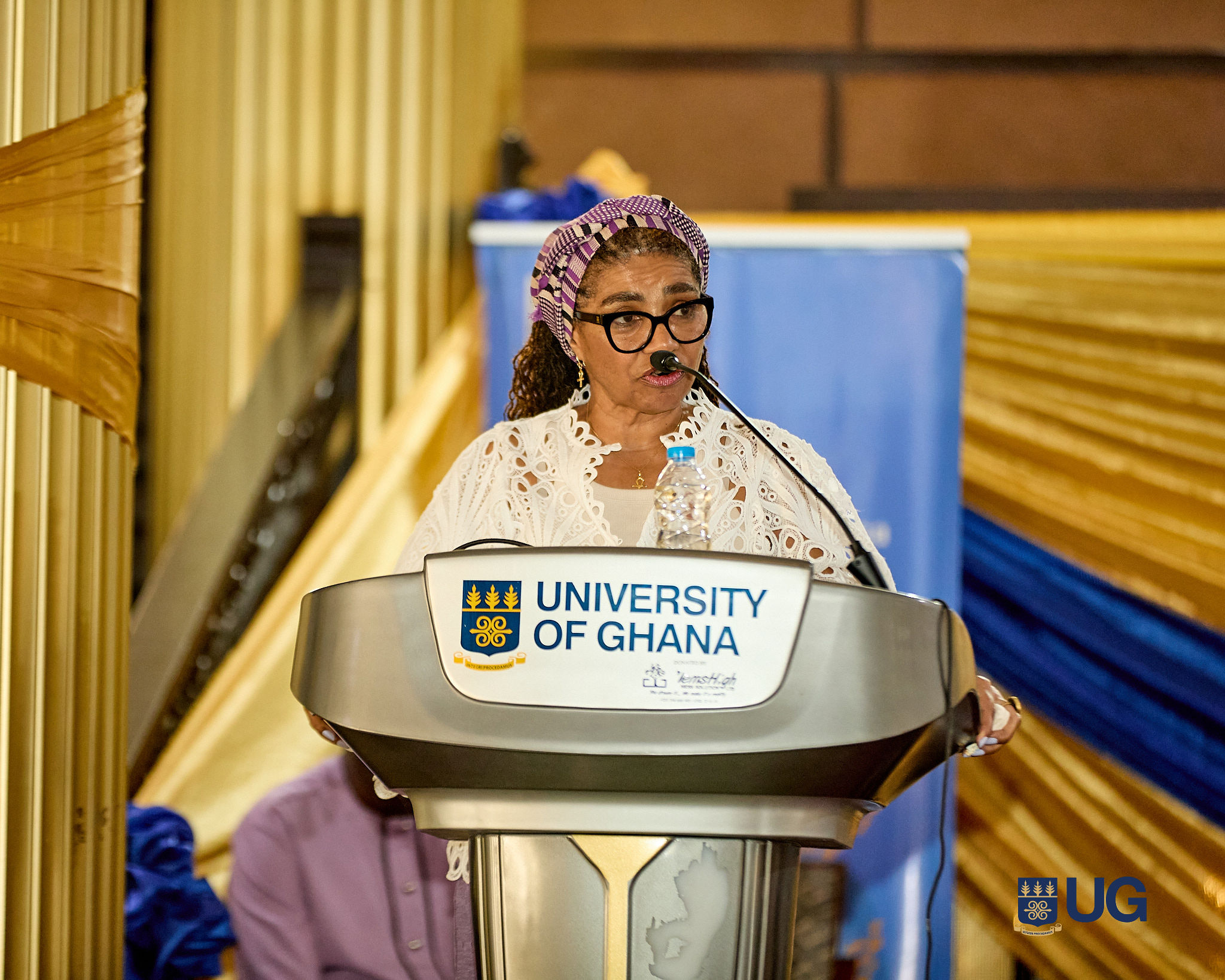
The lecture also highlighted the potential of popular culture and artistic expression to bridge the gap between academic scholarship and public understanding. Prof. Adomako Ampofo cited contemporary activism, storytelling and creative projects as vital tools in advancing inclusion, justice and collective healing. She asserted that both traditional and modern philosophical approaches must work together to address societal challenges.
Prof. Akosua Adomako Ampofo, currently the 2025 Claude Ake Chair at the Nordic Africa Institute and Uppsala University’s Department of Peace and Conflict Research, has dedicated her research to gender relations, masculinities and the politics of knowledge production.
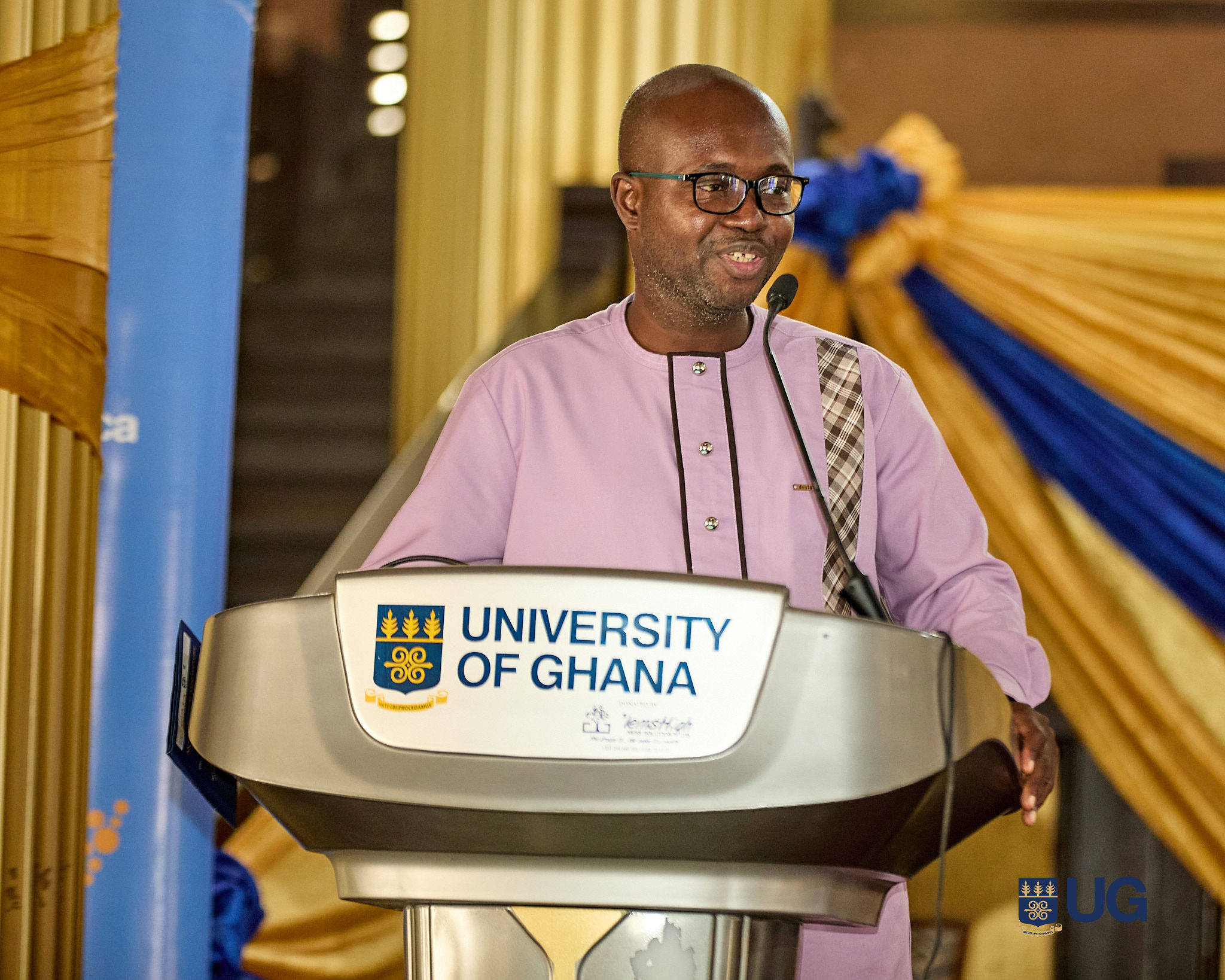
Prof. Grace Diabah, Co-Director of MIASA Ghana, the organisers of the Amo Lecture Series, said the Institute was proud to host the lectures as a flagship intellectual event at the University of Ghana, reflecting strong academic and cultural relations between Ghana and Germany.
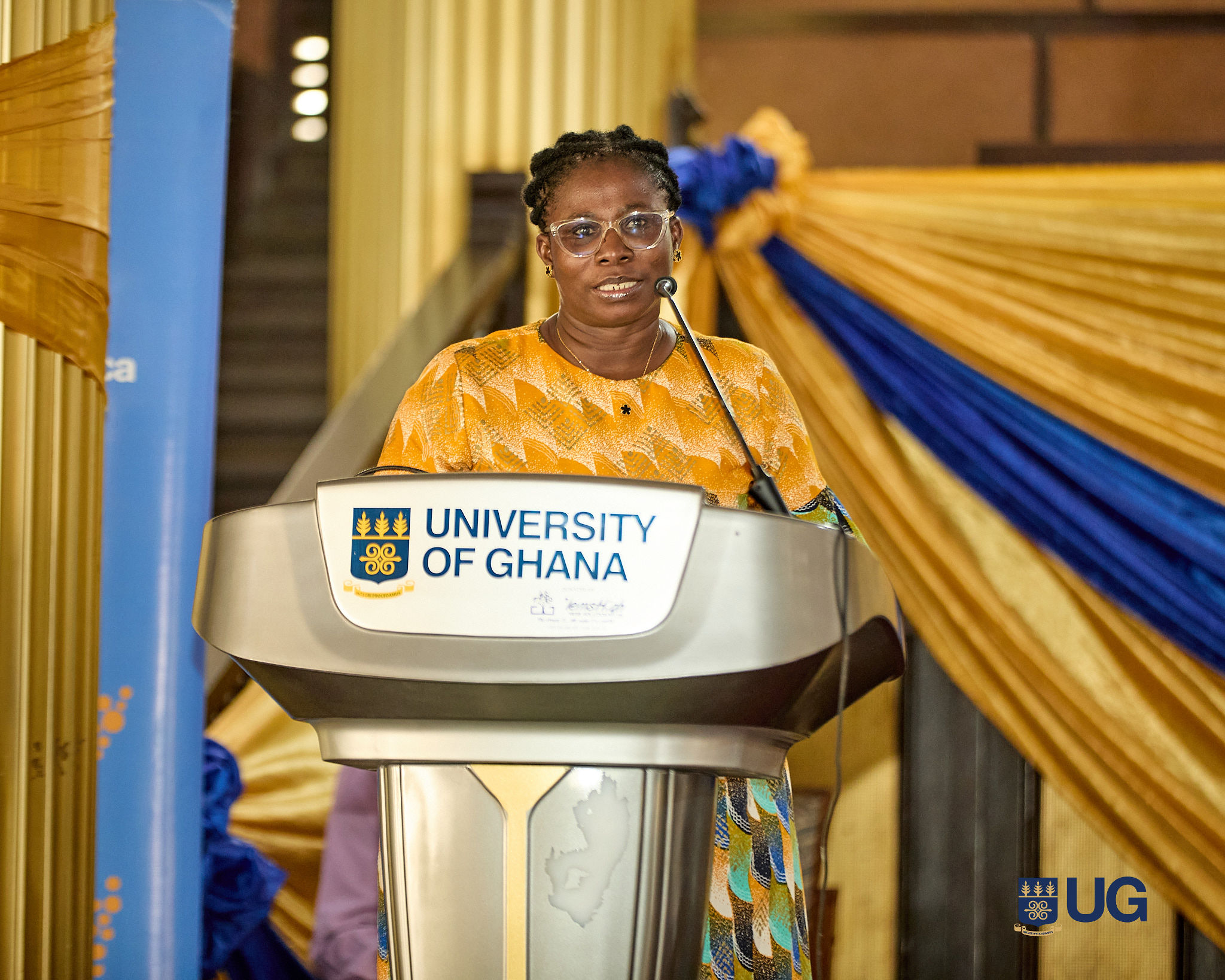
She added that the lectures bring together scholars committed to decentering knowledge production and making African perspectives more visible in global scholarship in line with MIASA's commitments.
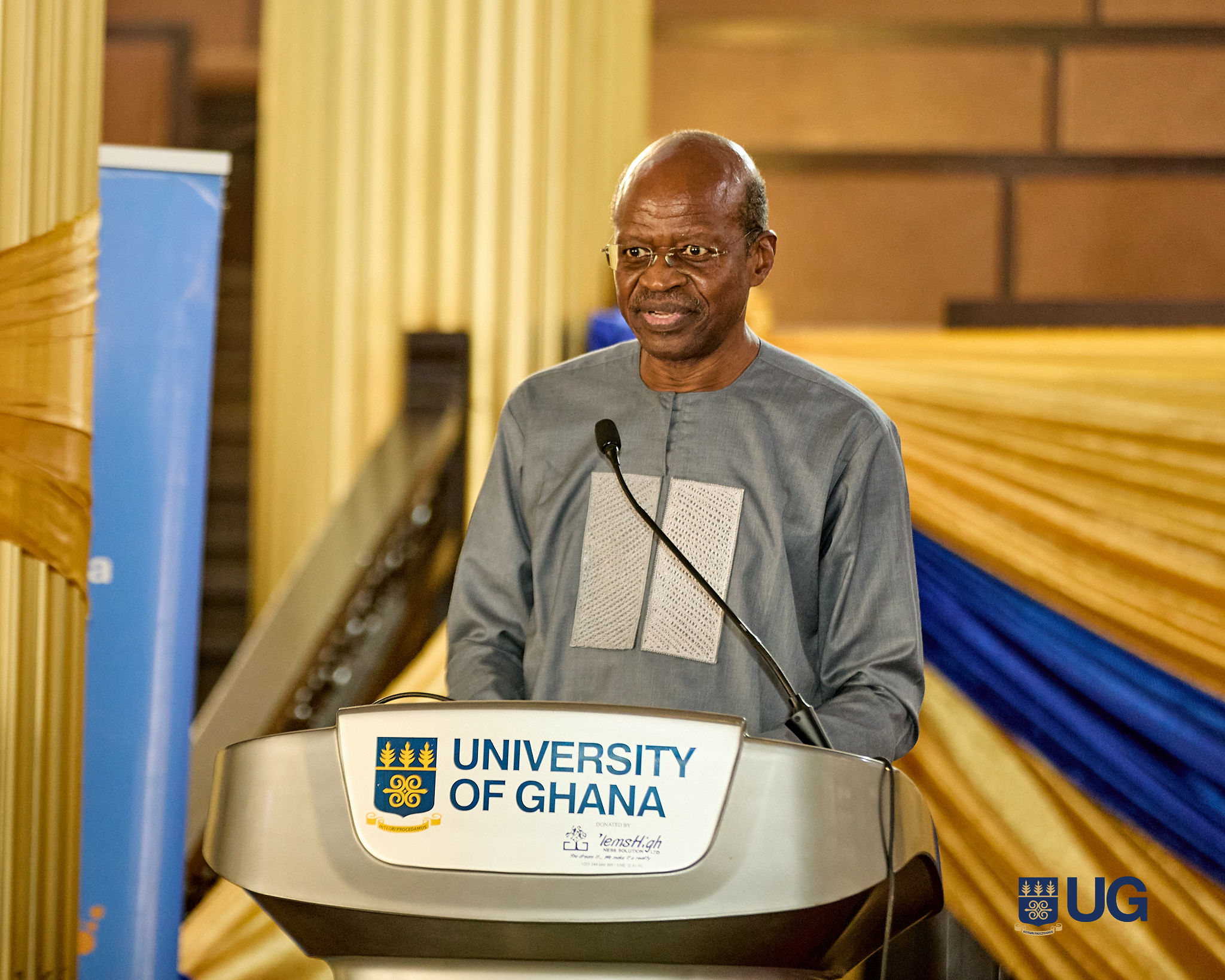
In his remarks, Prof. Joseph Yaro, Provost of the College of Humanities and Chair of the event, described the lecture as timely and relevant to carrying forward the intellectual legacy championed by Anton Wilhelm Amo.
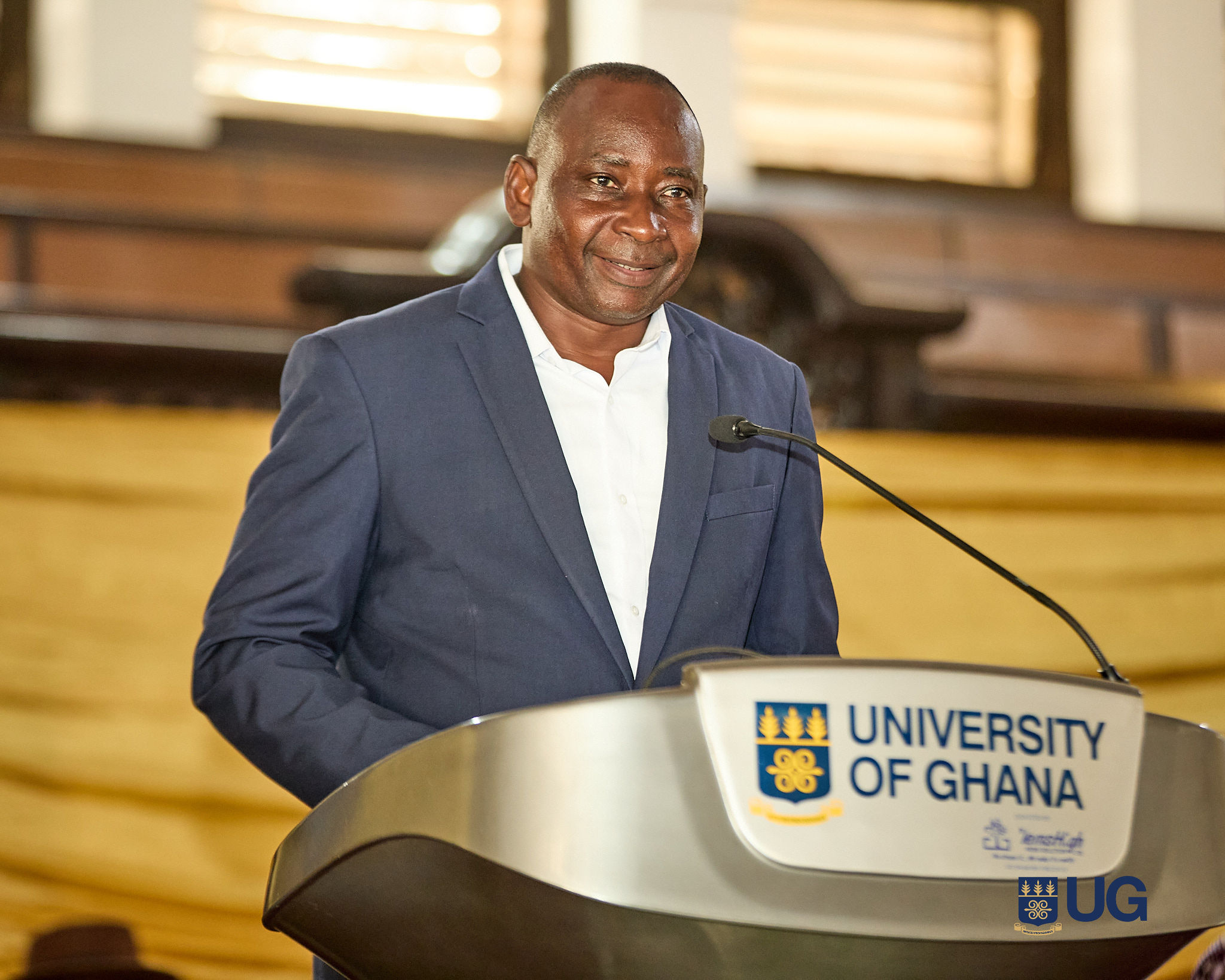
He emphasised that gatherings such as the Amo Lecture series provide valuable spaces for reflection, dialogue, and collaboration, while highlighting African contributions to scholarship and the University of Ghana’s role in national and continental development.
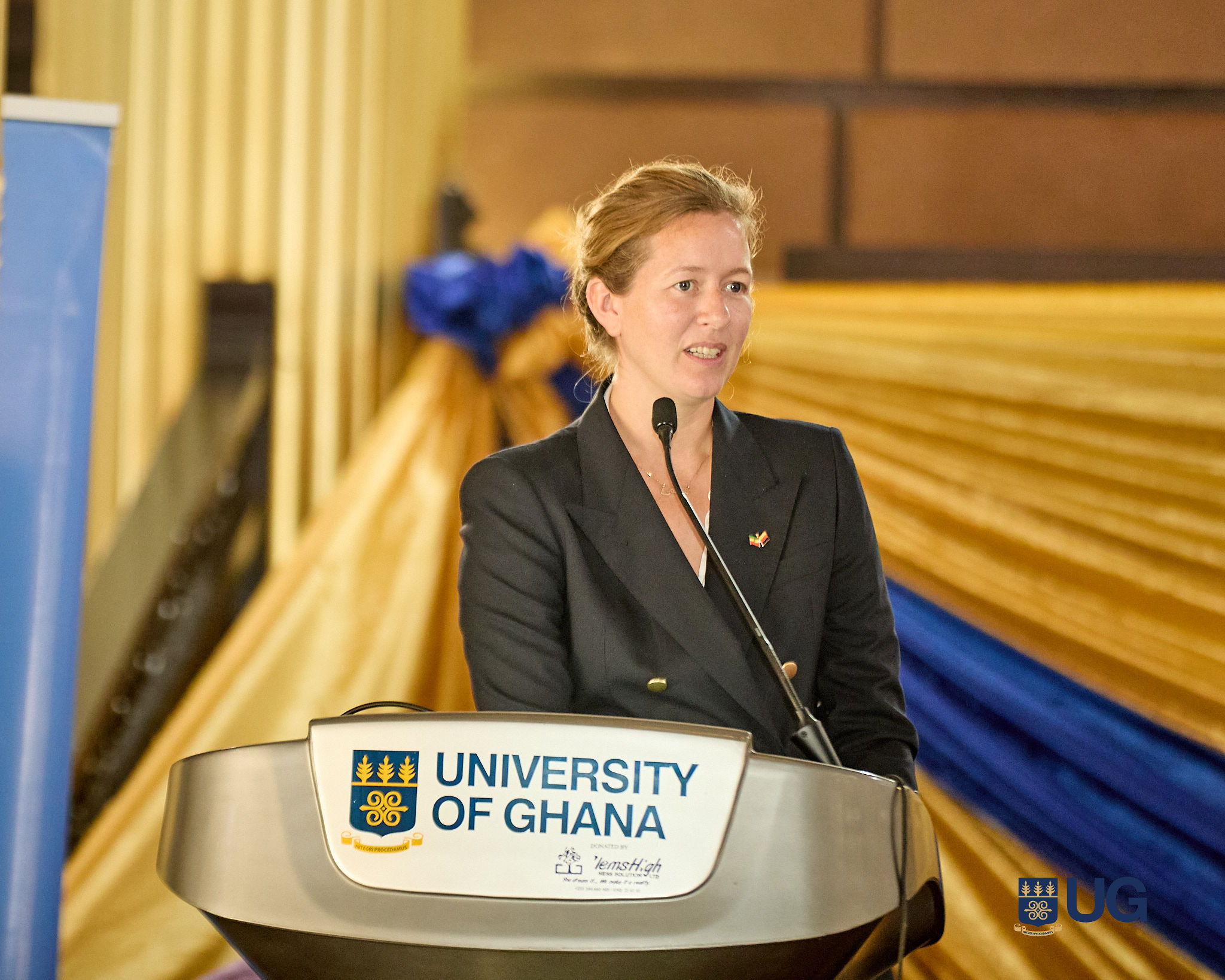
Deputy German Ambassador to Ghana, Ms. Sivine Jansen, who attended as a special guest, expressed gratitude to the University and MIASA for sustaining a platform for critical reflection and intellectual exchange.
She reaffirmed that the lectures honour the legacy of Anton Wilhelm Amo and highlight the continued importance of African scholarship in global academic discourse.
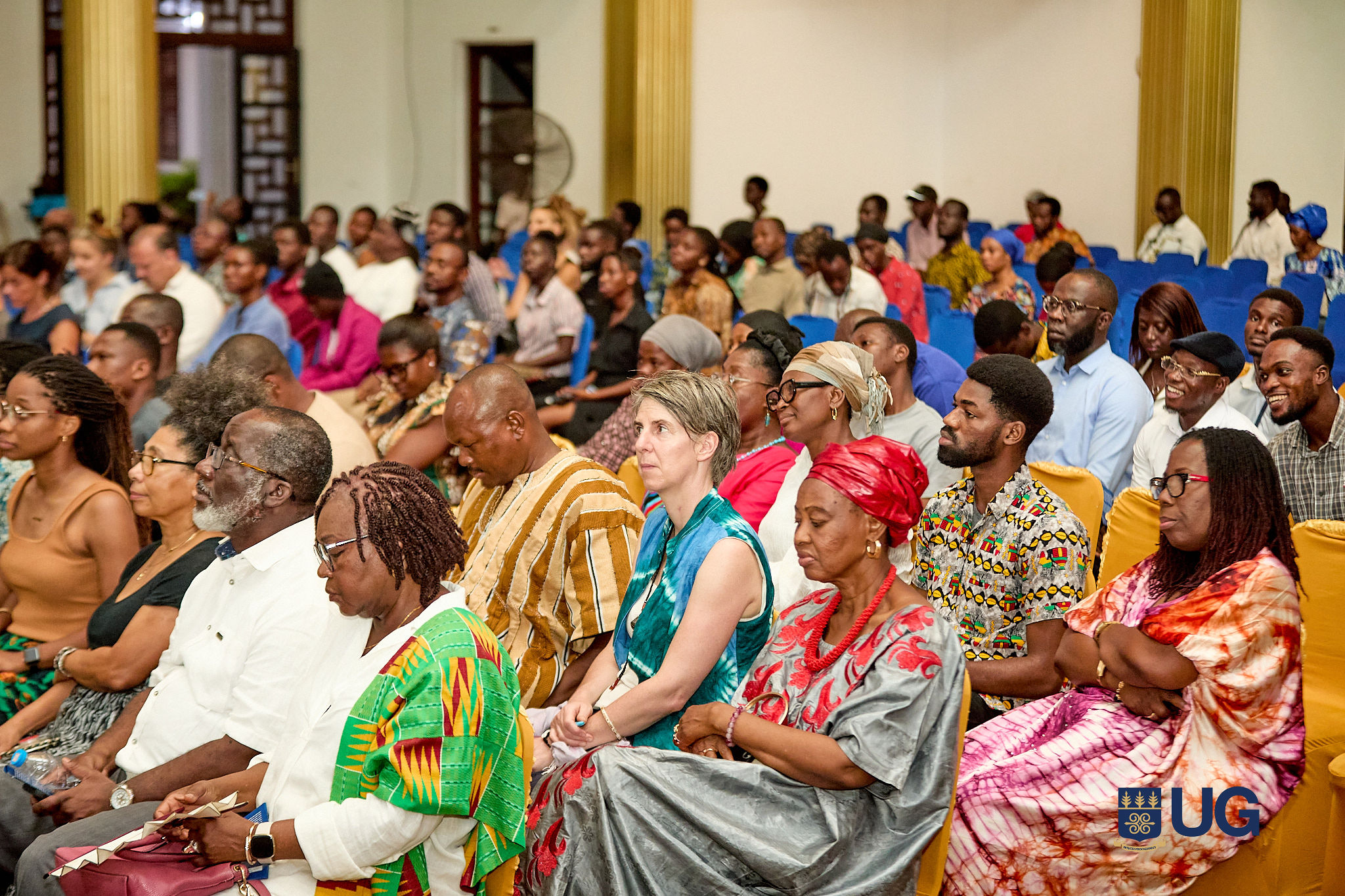
The lecture attracted a diverse audience of students, academics, and members of the public, reflecting a growing interest in scholarship that not only analyzes societal issues but also proposes practical avenues for collective healing, justice and the empowerment of younger generations.