UG International Mother Language Day Symposium Highlights Urgent Need to Integrate Ghanaian Languages into AI Systems
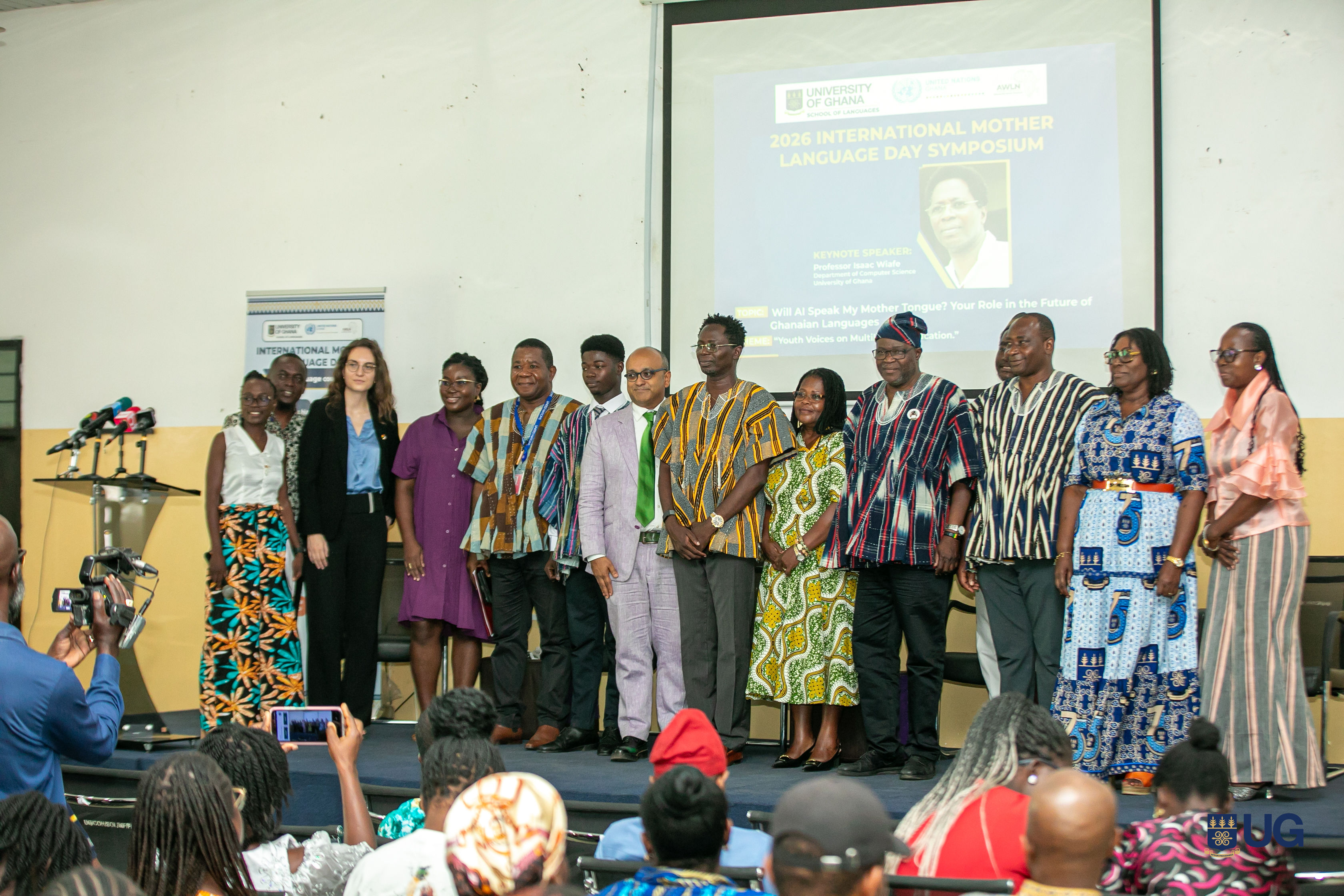
The University of Ghana, in collaboration with the United Nations (UN), Ghana and Africa Women Network Limited (AWNL, has organised a symposium to celebrate International Mother Language Day.
The programme brought together officials from both the University and the UN, as well as students, on the theme, “Youth Voices on Multilingual Education”.
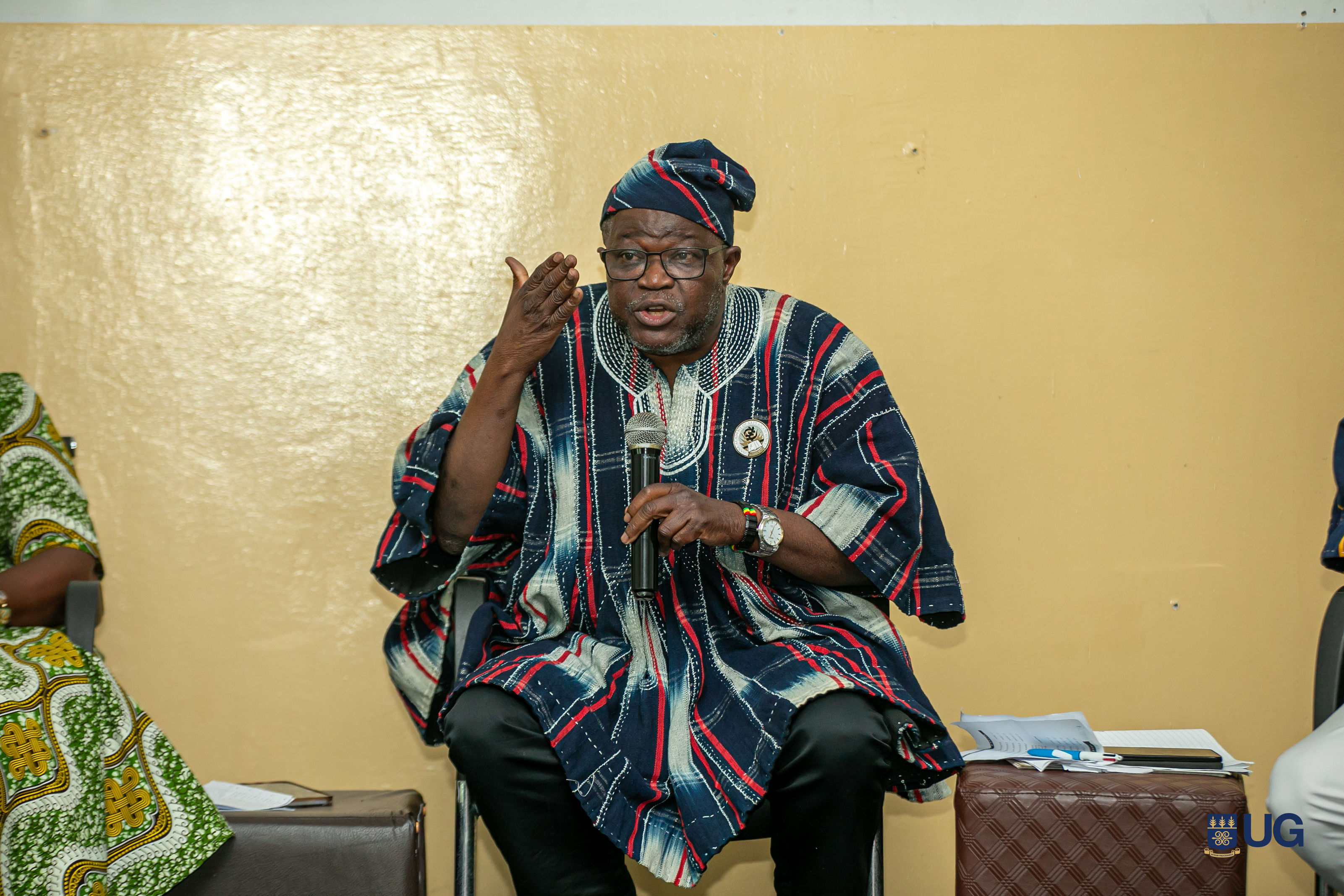
Provost of the College of Humanities, Professor Joseph Yaro, stated that celebrating mother languages signifies identity, peace and inclusion. According to him, there are over 7,000 languages spoken worldwide but many of them are being lost annually because of the dominance of some languages.
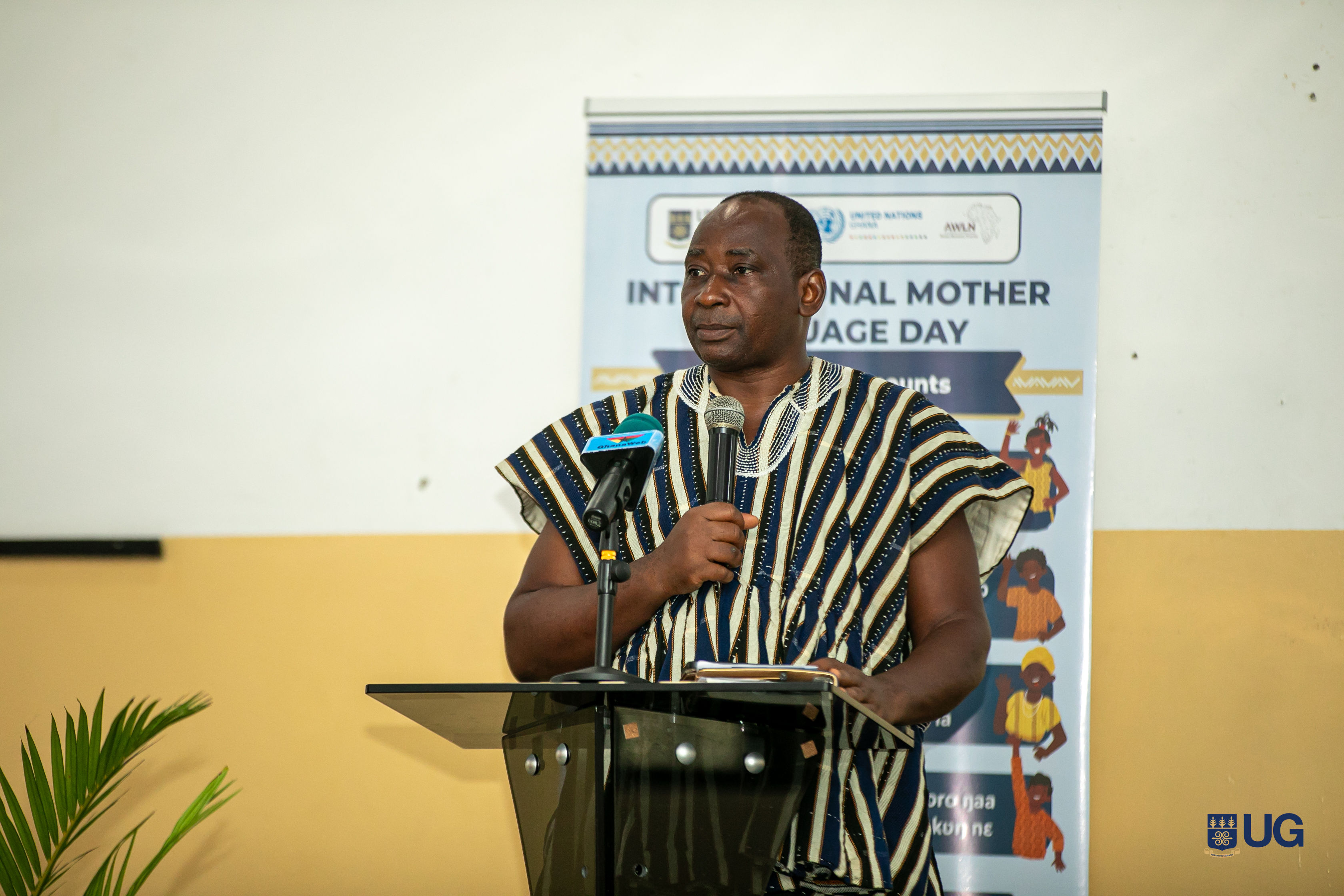
Prof. Yaro disclosed that the university is considering a fifth college, which would have the Centre for Development of African Languages and would help students learn and improve on their mother languages, which are fading out due to urbanisation.
In a keynote address, Head of the Human-Computer Interaction (HCI) lab at the University of Ghana, Prof. Isaac Wiafe, issued a powerful call for Ghanaian Languages to be urgently integrated into global AI systems. Prof Wiafe disclosed that, out of the 7,100 languages spoken globally, less than 1% are considered in online contents with 88.4% having no representation at all.
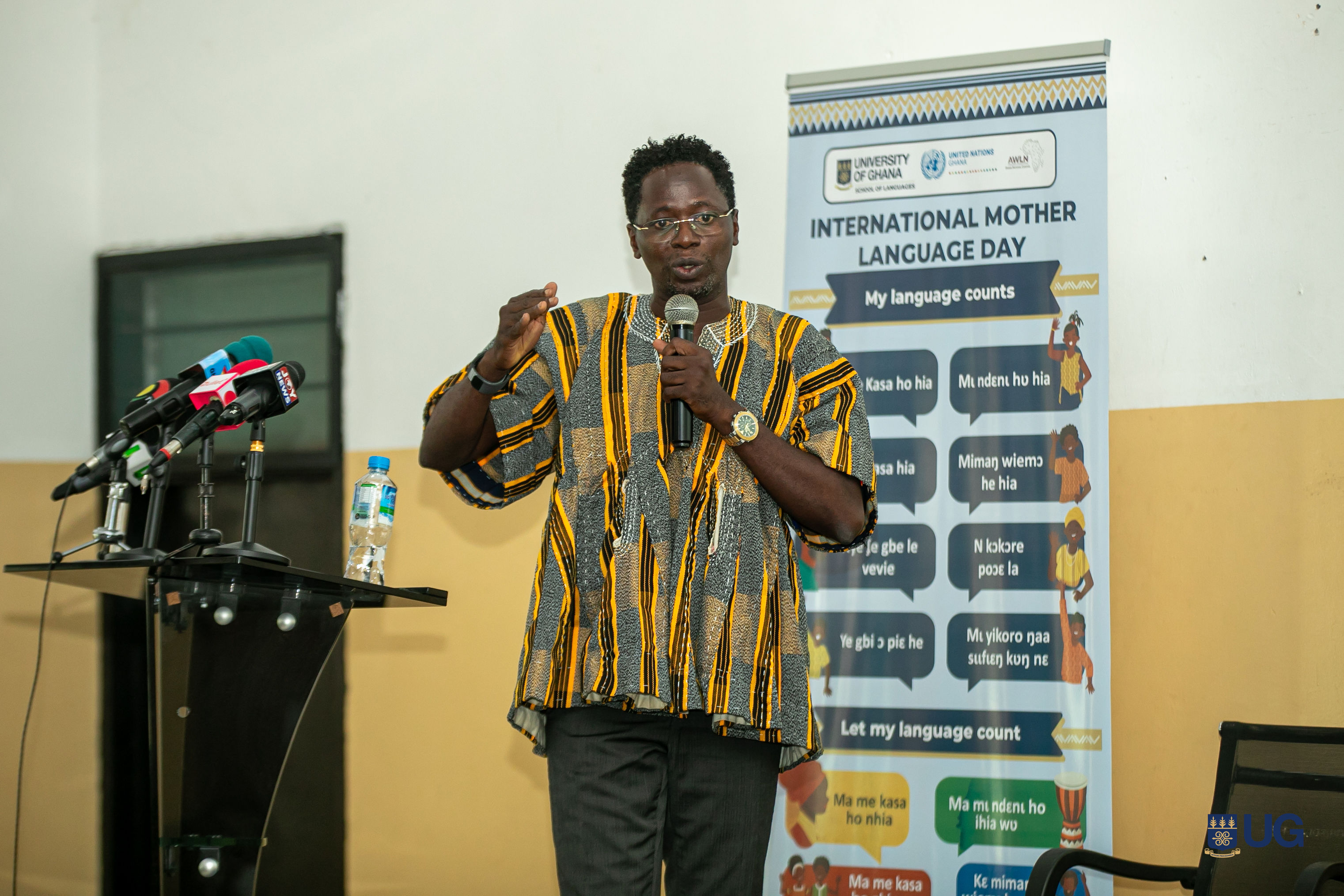
Prof. Wiafe revealed that, the ongoing partnership between UG and Google have helped place 5 Ghanaian languages, such as Akan, Ewe, Ga and Ikposo on Google Gemini AI which helps it perform better with our local languages as compared to ChatGPT and other AI platforms.
Furthermore, he highlighted key contributions by the HCI team in making AI work in Ghanaian Languages. These include electronic keyboards for all Ghanaian languages, the UGspeechdata dataset for five languages, Text-to speech models for Akan and Ewe and many others.
He urged Ghanaians to produce content, upload them and create new scientific terms in their mother languages, warning that “if your language is missing in AI, it simply will not influence the future”.
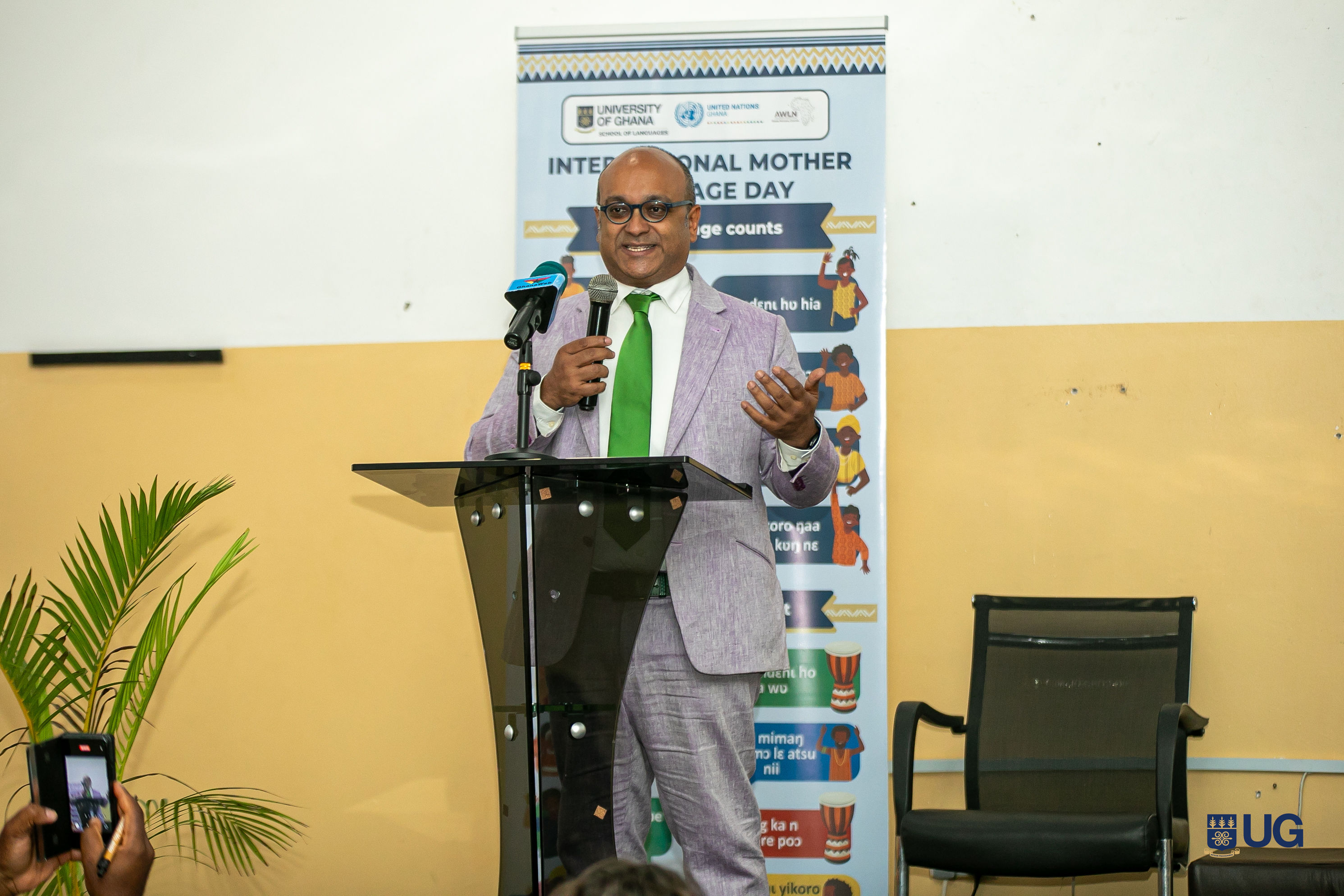
The UN Resident Coordinator for Ghana, H.E Zia Choudhury, noted the significance of the celebration, emphasising that Mother Tongue Day is being celebrated globally to promote linguistics, cultural diversity and multilingualism.
Chairperson for AWNL, Dr. Charity Binka expressed that “investing in multilingual education is investing in leadership”, adding that “when young people are empowered to think, read and innovate in languages that reflect their heritage they become confident”.
She charged policy makers, educators, parents and young people to strengthen implementation of multilingual education policies and to take pride in their local languages.
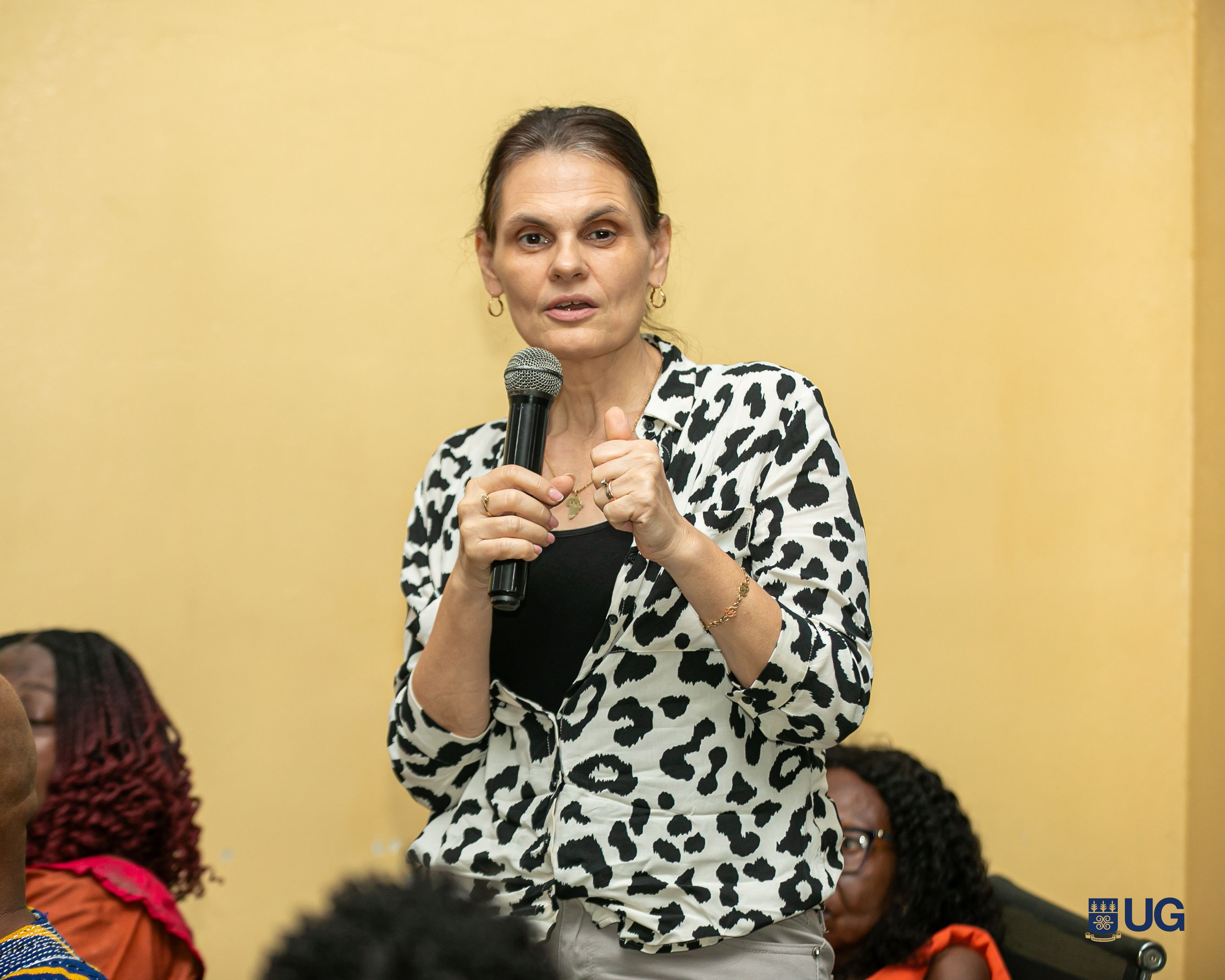
The CEO for African Language Consultants, Genevieve Anna Preprah underscored how proficiency in African languages can unlock opportunities and promote broader exposure especially regarding full-time jobs in the UK. She encouraged the learning of African languages as a pathway to career prospects and growth.
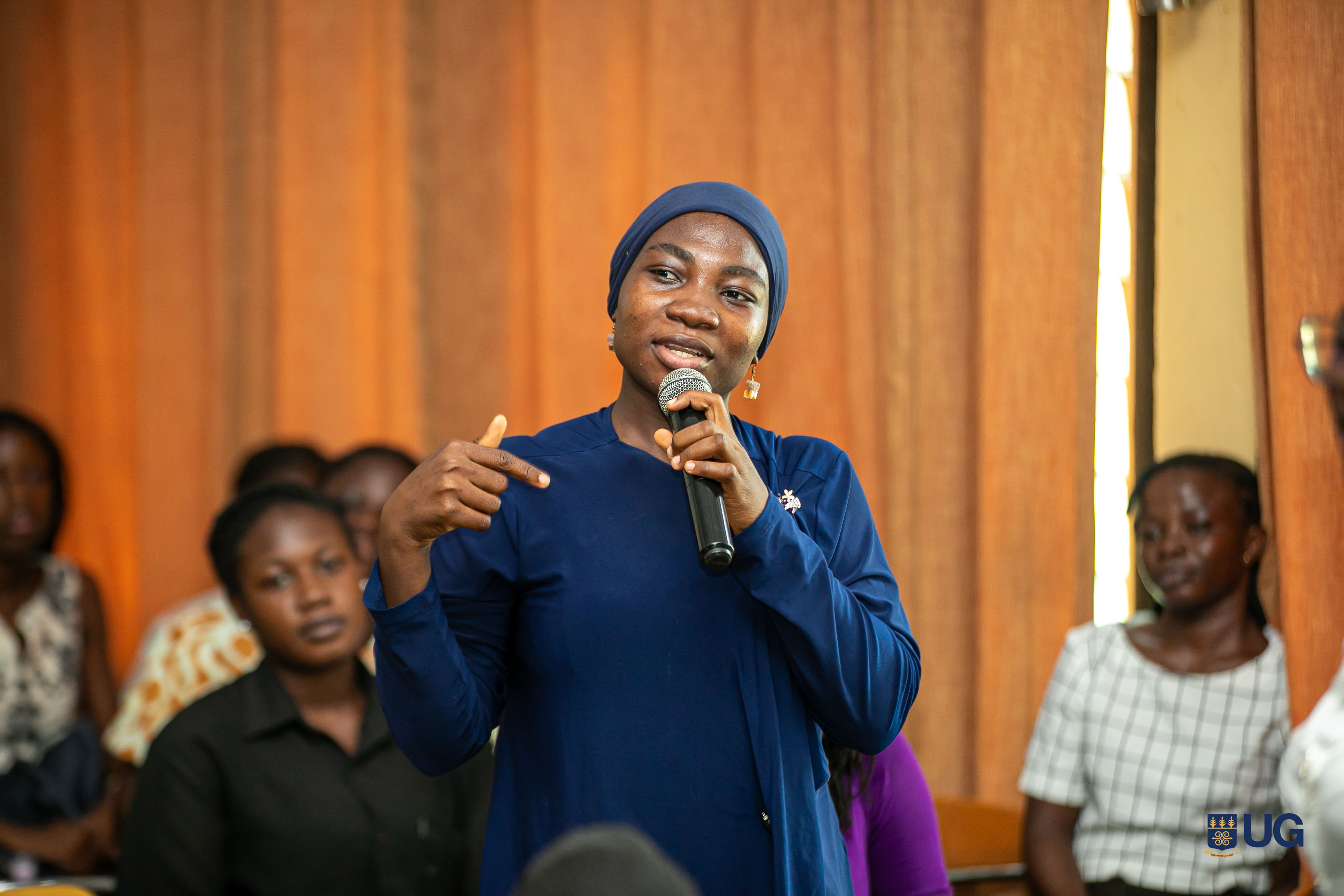
The programme featured poetry recitals, drama performances and a thought-provoking panel discussion where guests shared insights on youth perspectives on multilingual education.
Delivering the closing remarks, the Dean of the School of Languages, Prof. Josephine Dzahene-Quarshie commended the keynote speaker for bringing fresh perspectives on developing Ghanaian languages and making them accessible to the youth through AI.
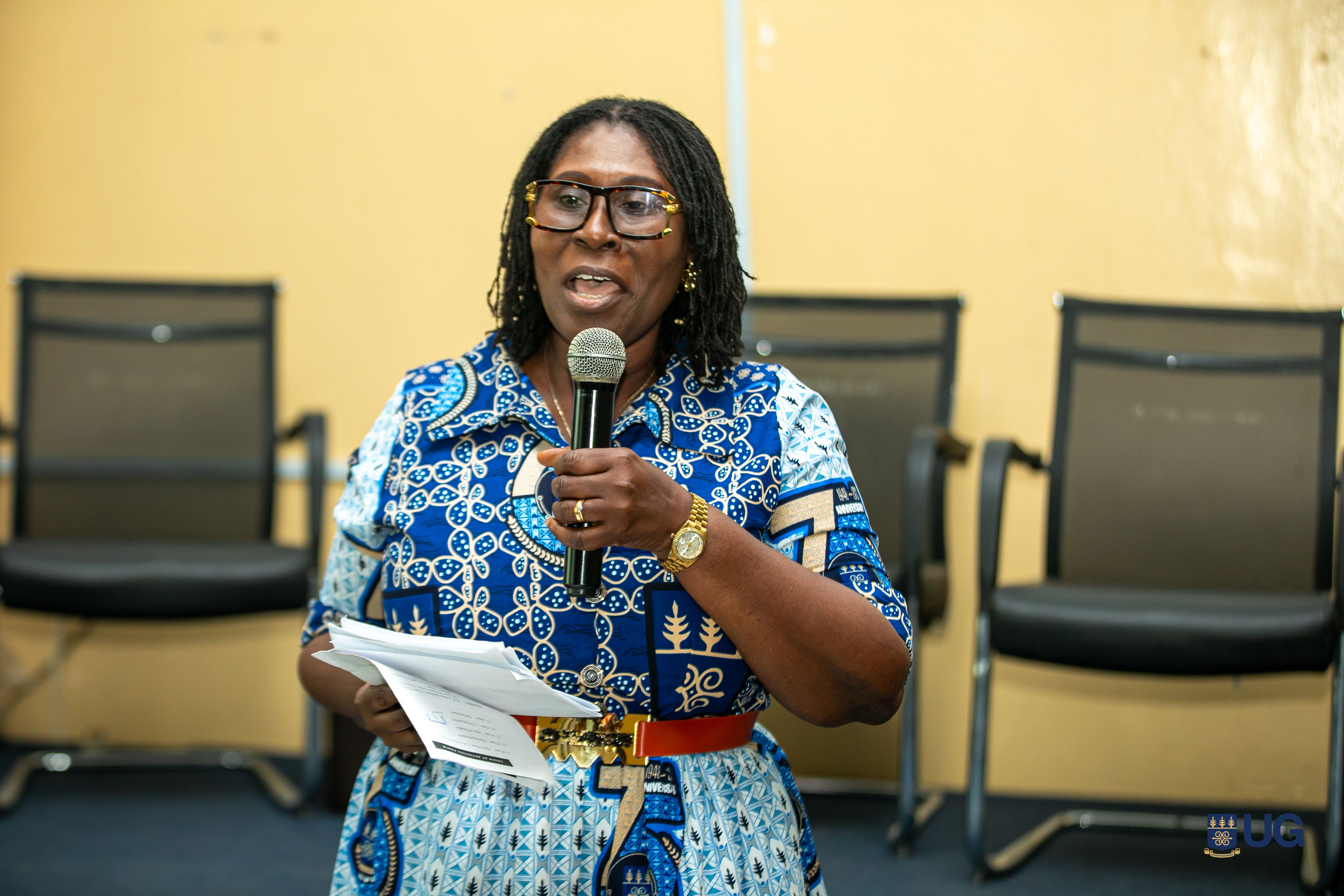
She urged young people to actively promote their mother tongues so that AI can truly serve local communities.