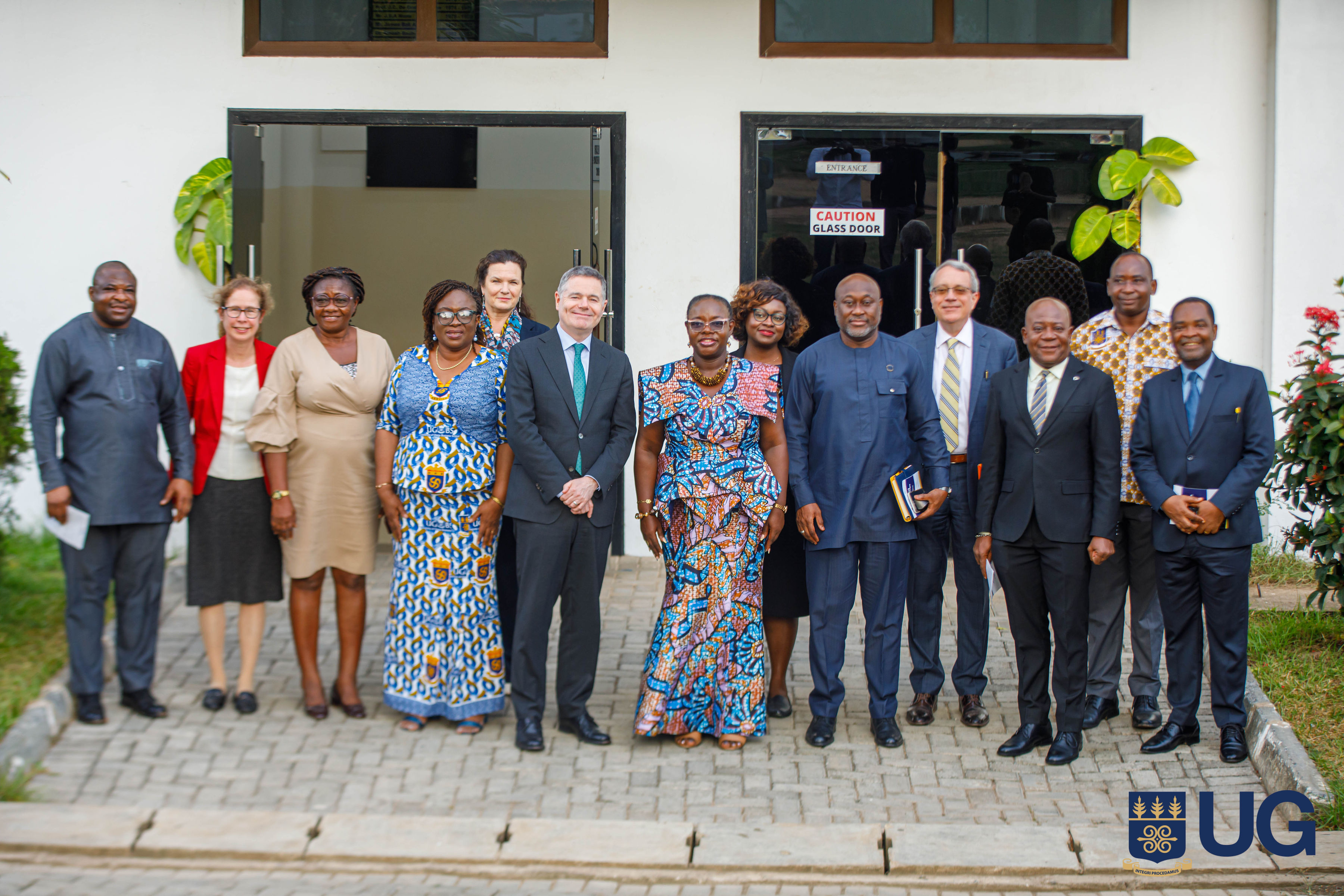
World Bank MD Paschal Donohoe Urges African Youth to Develop Skills for Changing Global Economy and Job Market
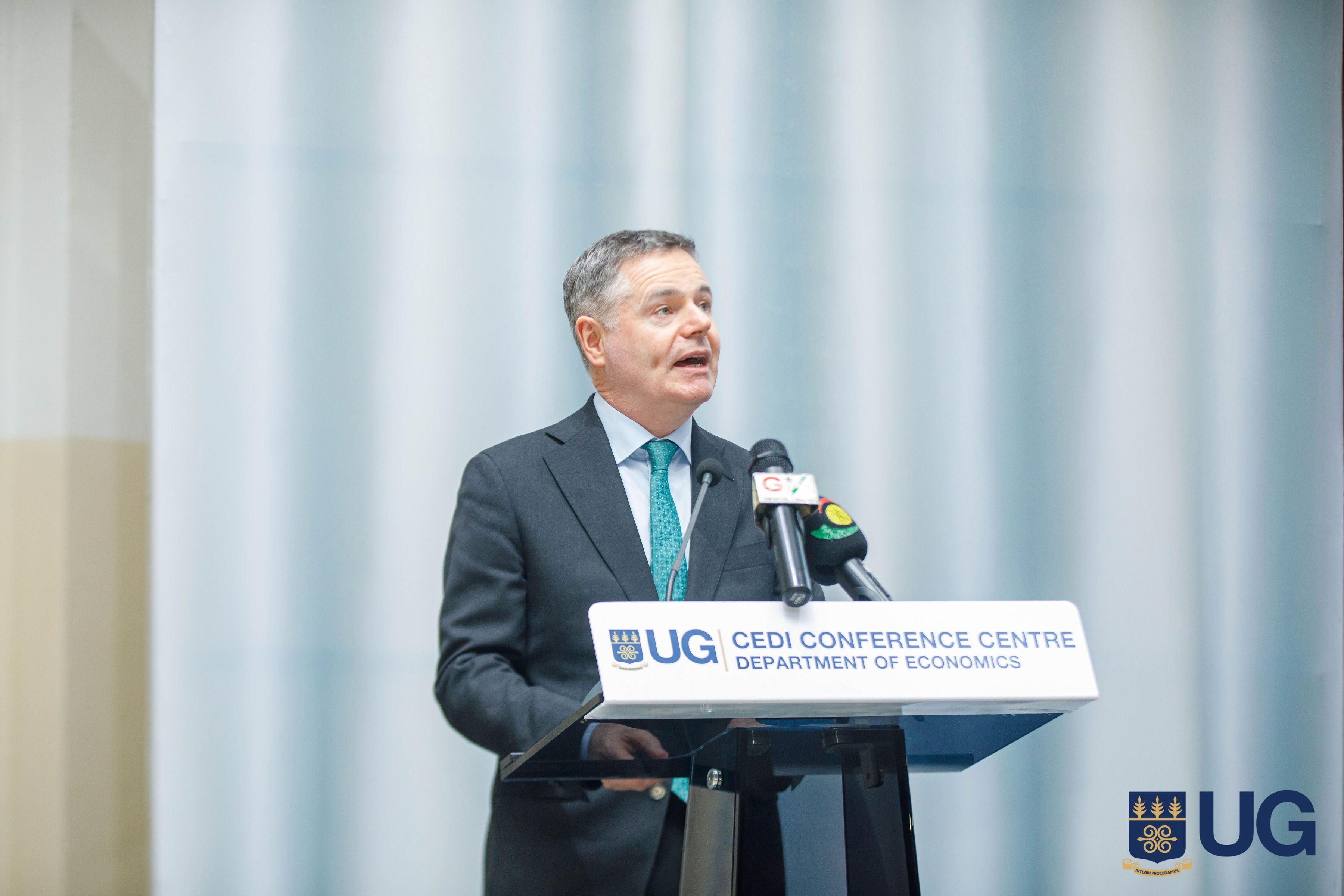
Managing Director and Chief Knowledge Officer of the World Bank Group, Mr. Paschal Donohoe, has, at the first Vice-Chancellor’s Occasional Lecture for 2026, urged African youth to develop relevant skills to navigate the changing global economy and evolving job market.
Mr. Donohoe, who is in Ghana for a high-level working visit, delivered the lecture at UG on the theme “Building Skills, Creating Jobs and Empowering Africa’s Future”, drawing attention to what he described as a growing global skills gap and the urgent need to align education with labour market demands.
Addressing students, staff and faculty, he noted that rapid technological change, automation and the green transition are reshaping economies worldwide, making it critical for young people to continuously build adaptable and job-relevant skills.
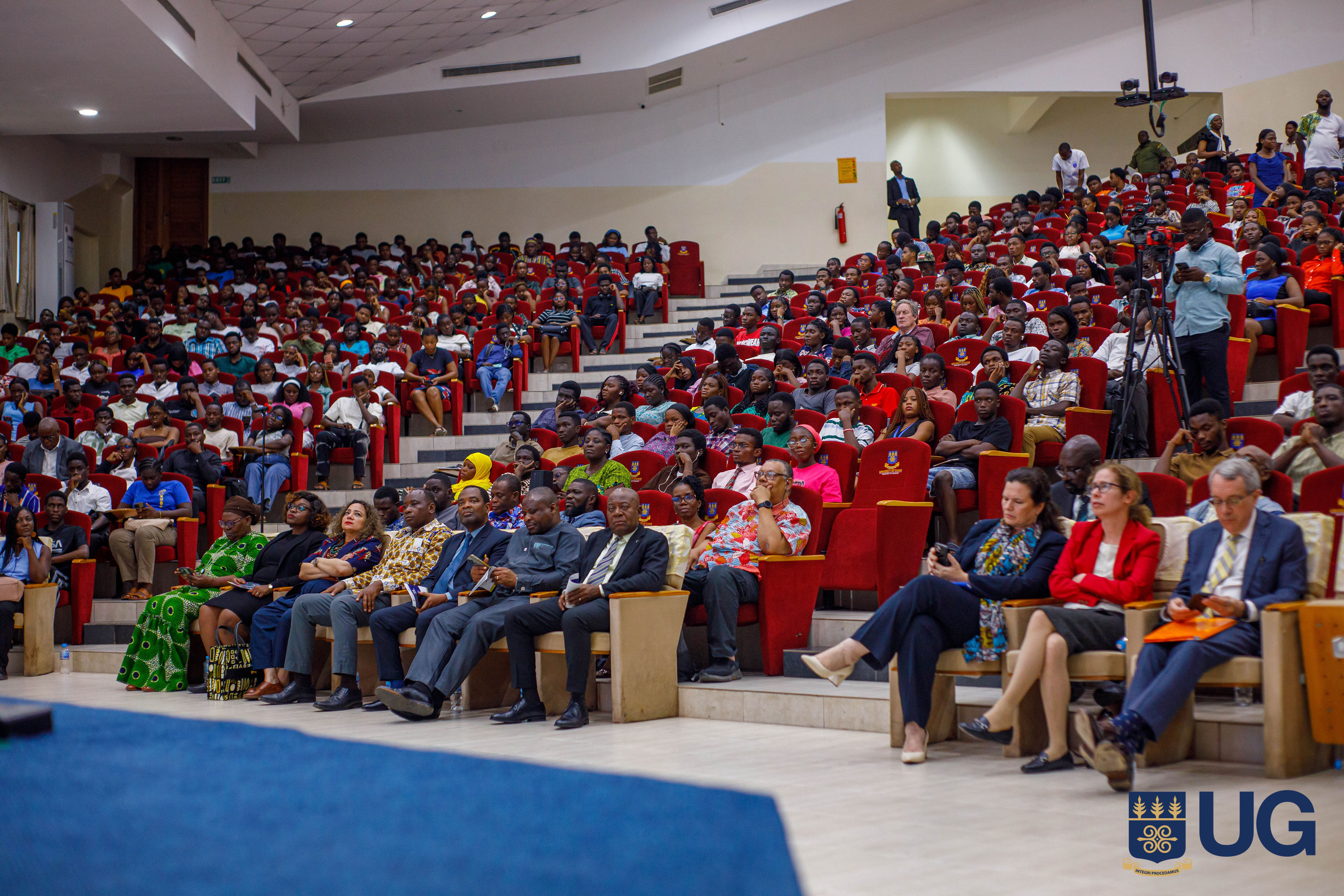
“This is not just a local challenge, it is global in scale,” he said, adding that “education must translate into opportunity and young people must be able to find their footing in an economy that keeps changing beneath their feet.”
Focusing on Africa, Mr. Donohoe highlighted the continent’s demographic advantage, describing it as central to the future of the global workforce. The World Bank MD, however, pointed to the persistent gap between the number of graduates and available jobs, mentioning that “millions of young people enter the labour market each year without the skills required by employers.”
“The challenge is not simply to get people into jobs,” he explained. “It is to raise productivity and earnings across all forms of work, so that young Africans who are working are getting ahead.”
Mr. Donohoe further identified the “graduate insertion challenge,” citing skills mismatches, limited practical experience and shifting labour market expectations. He encouraged students to continuously develop critical and transferable skills.
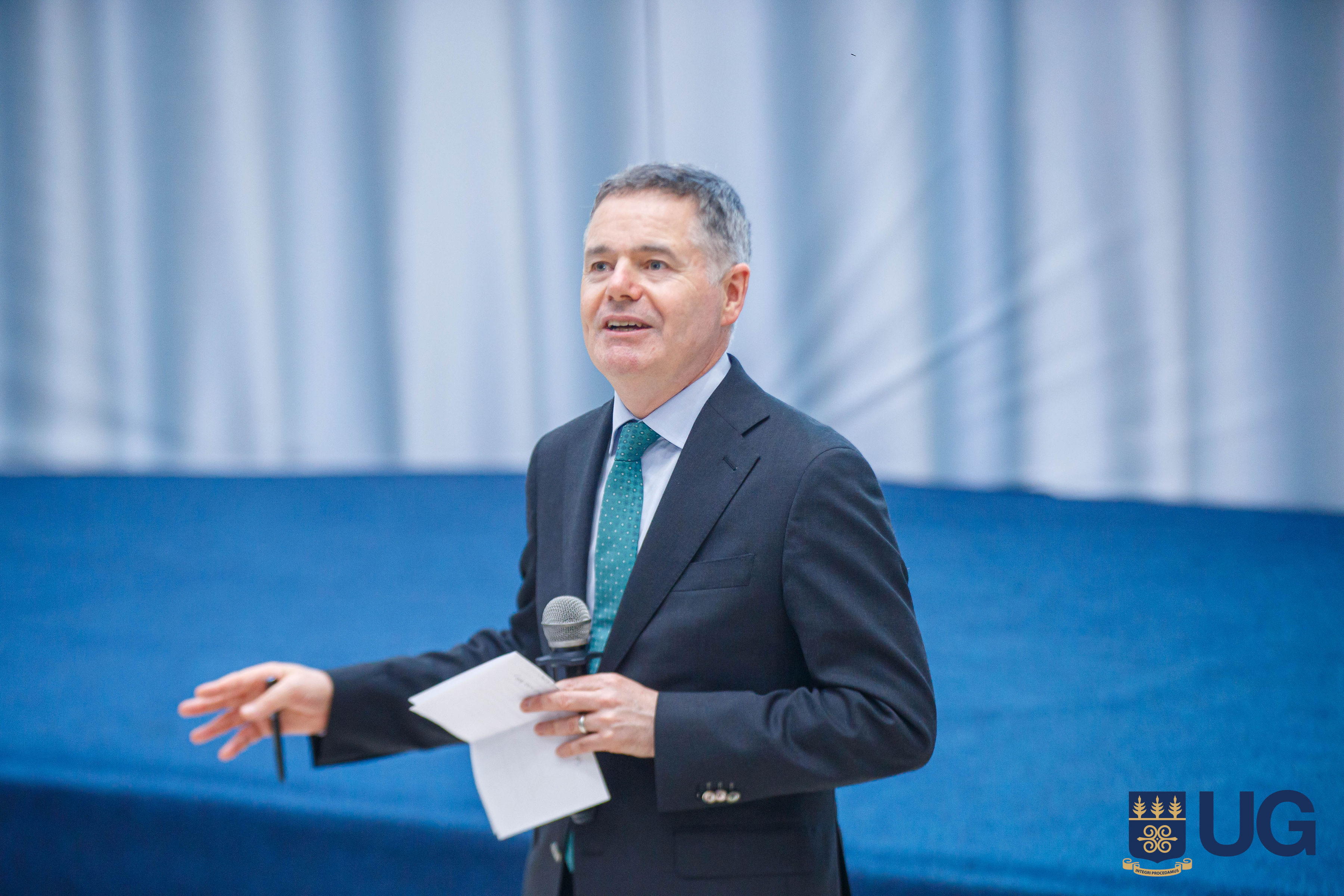
According to him, “the skills that will determine your trajectory, critical thinking, communication, data literacy, adaptability, are built continuously, not conferred at graduation,” he stated.
Mr. Donohoe also stressed the importance of stronger collaboration between education systems and industry, stating that training must be closely aligned with real labour market needs. “Training that happens in isolation from employers produces graduates who are ready for a job description, not a job,” he said.
The lecture featured an interactive session, where Mr. Donohoe engaged with students and responded to questions on employment, entrepreneurship and emerging opportunities, encouraging them to explore non-traditional career paths and remain adaptable.
In her remarks as Chairperson, the Vice-Chancellor, Prof. Nana Aba Appiah Amfo, noted that the theme of the lecture reflects one of the defining development challenges of the current generation, as rapid technological change and evolving labour markets continue to reshape how economies grow and how people work.
She observed that “although access to education has expanded globally, the transition from schooling to productive employment remains uncertain for many young people.”
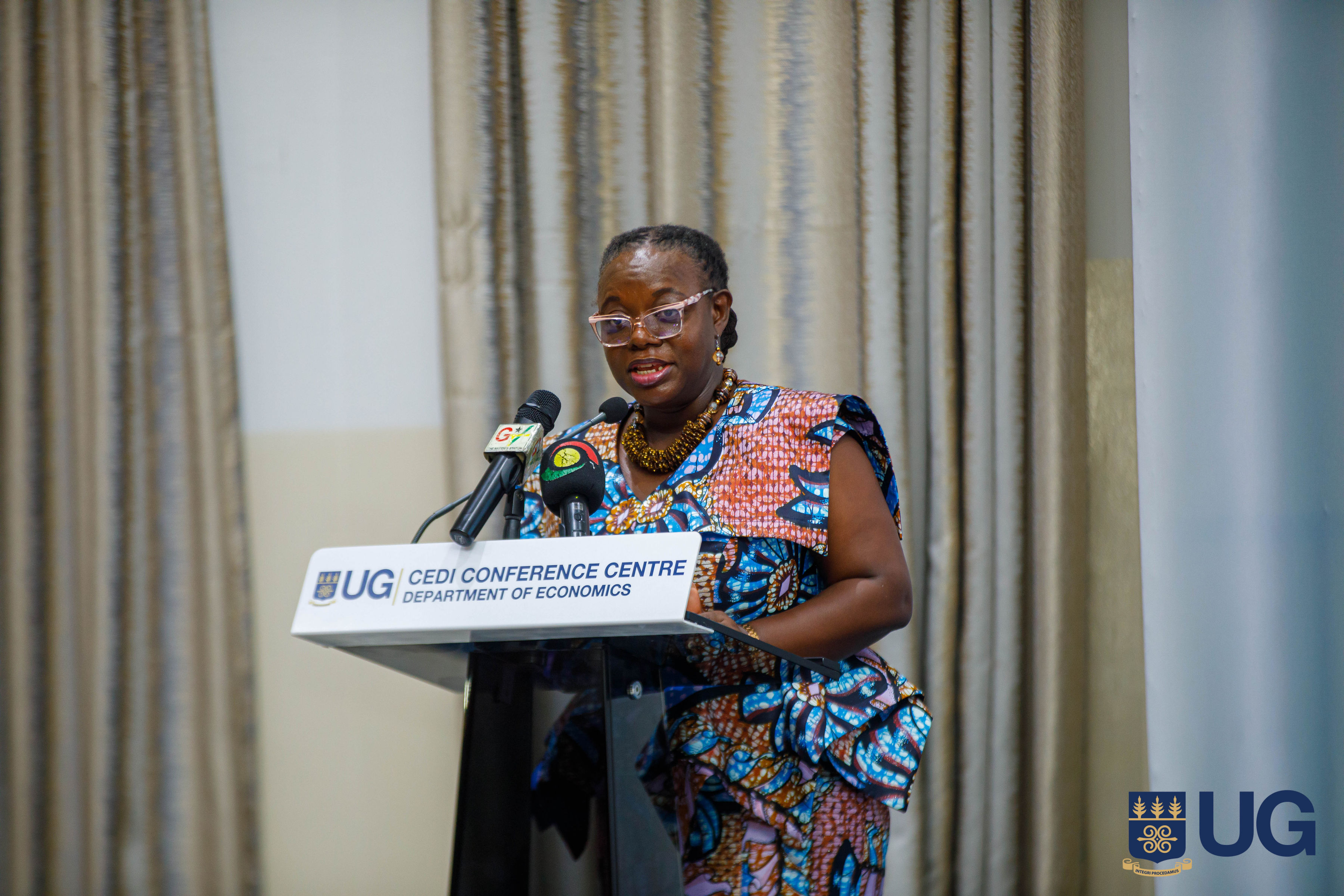
Prof. Amfo added that, “as the nation’s premier University, the University of Ghana is entrusted with the responsibility of developing highly skilled human resources to drive national transformation.”
According to the Vice-Chancellor, “the University’s core functions of teaching, research and community engagement must respond directly to emerging economic realities by producing not only graduates, but also innovators, entrepreneurs and critical thinkers capable of leading sustainable development.”
Prof. Amfo further underscored the urgency of aligning education systems with labour market opportunities, particularly in Africa, where youth disengagement and high NEET rates continue to pose significant challenges.
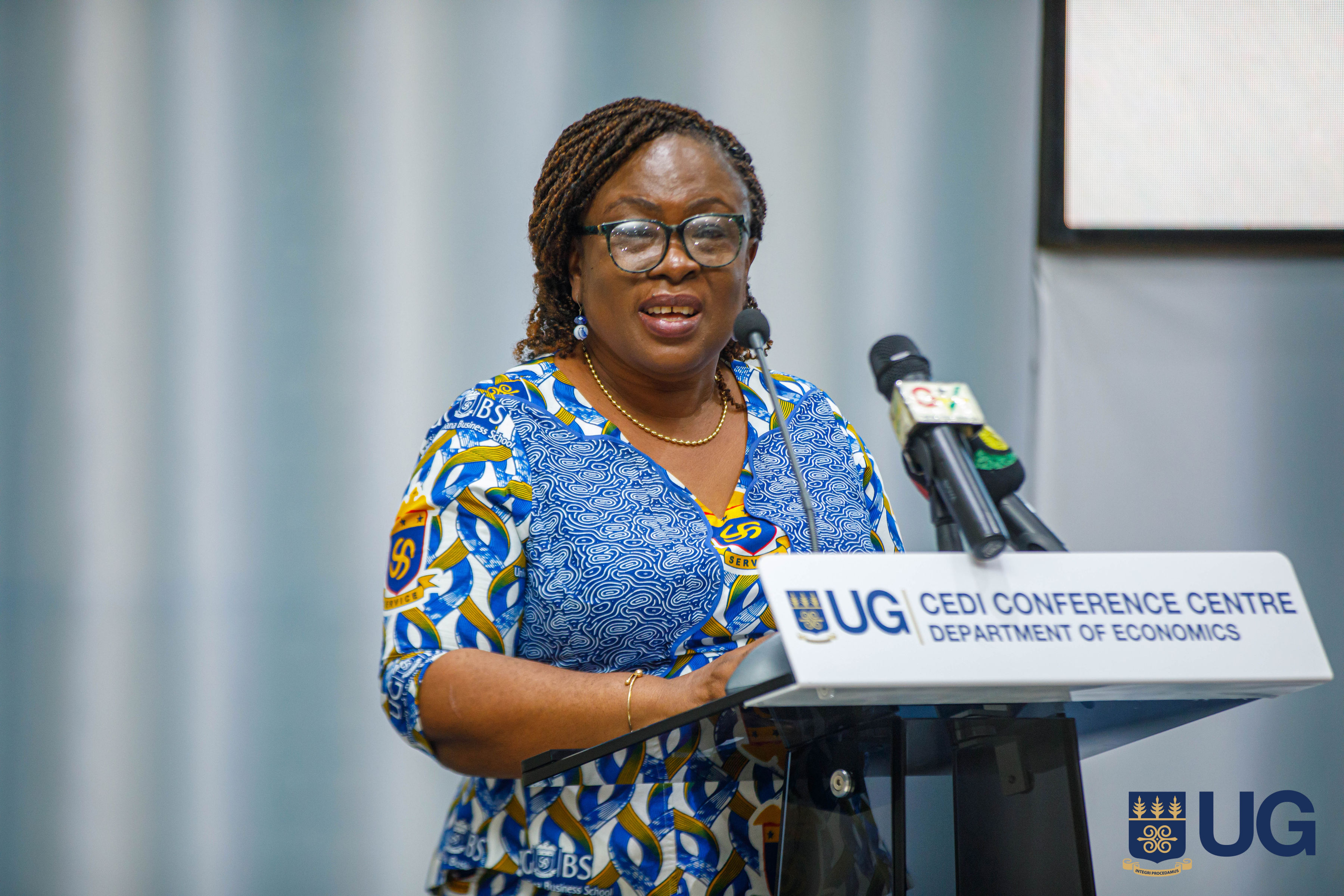
In her introductory remarks, the Registrar of the University, Mrs. Emelia Agyei-Mensah, noted that the Vice-Chancellor’s Occasional Lecture series provides a platform for discussing topical and policy-relevant issues. She added that the first lecture for 2026 was timely, given the growing global focus on skills development, employment and sustainable economic growth.
The event was attended by the Pro Vice-Chancellor for Academic and Student Affairs, Prof. Gordon Awandare, Provosts, Deans, Directors, faculty, staff and students of the University, as well as Officials from the World Bank Ghana office.