VC Speaks at Continental Dialogue on Advancing Justice for Women and Girls in Africa
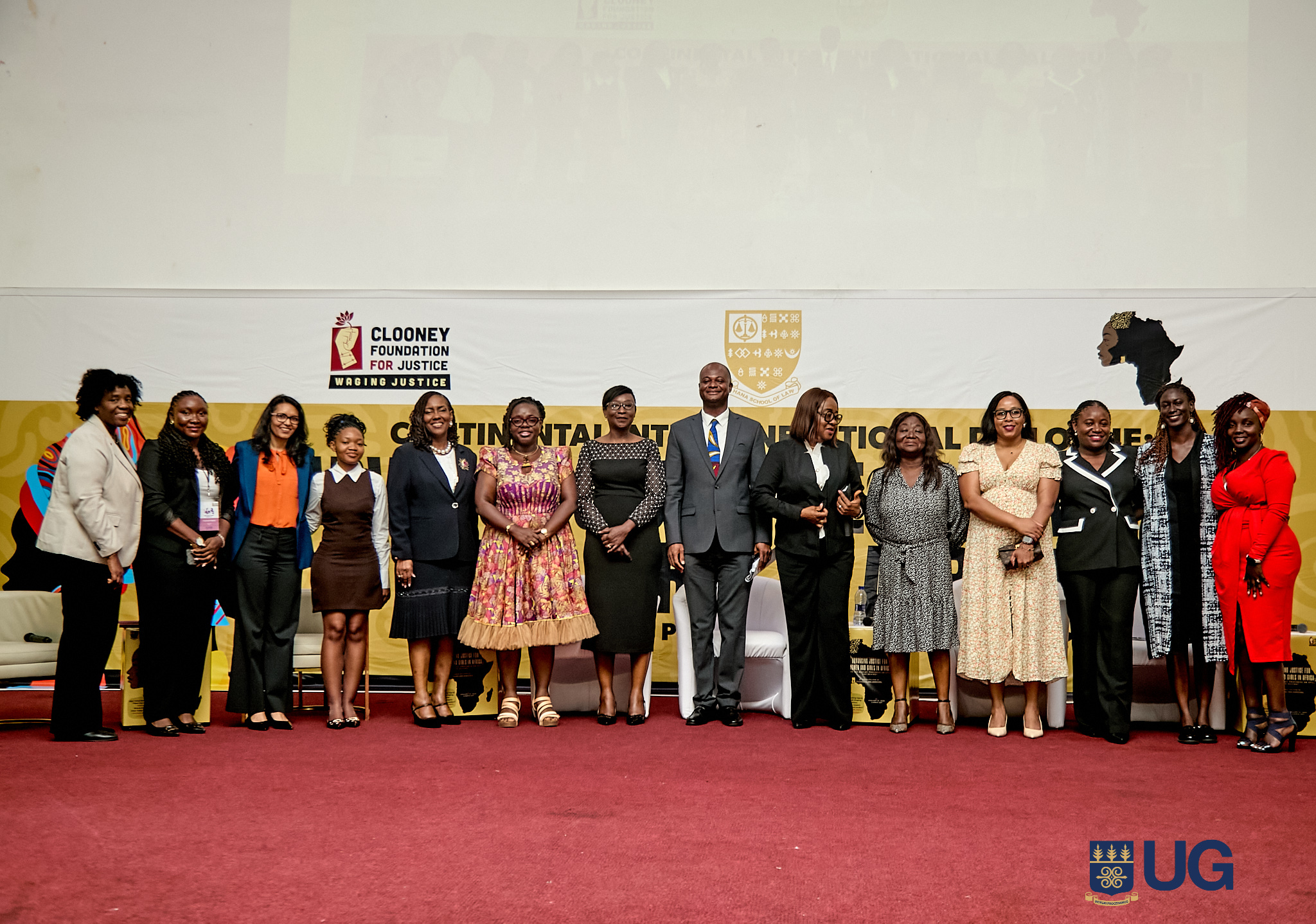
Vice-Chancellor Prof. Nana Aba Appiah Amfo has spoken at the Continental Intergenerational Dialogue on Advancing Justice for Women and Girls in Africa, organised by the Ghana School of Law (GSL), in collaboration with the Clooney Foundation for Justice.
The event brought together leading figures from the judiciary, academia, the legal profession and civil society to reflect on progress, challenges and pathways toward gender-responsive justice systems on the continent.
The forum featured high-level participants, including His Lordship Justice Paul Baffoe-Bonnie, Chief Justice of the Republic of Ghana; Ms. Nana Oye Bampoe Addo, Deputy Chief of Staff in charge of Administration; Prof. Raymond A. Atuguba, Acting Director of Legal Education and Acting Director of the Ghana School of Law; Mrs. Afua Ghartey, President of the Ghana Bar Association (GBA); Mrs. Isabel Boateng, Greater Accra Regional Bar President; Ms. Gloria Ofori-Boadu, Lawyer and Women’s Rights Advocate and Mrs. Sheila Mina Premo, President of the Women’s Committee of the GBA.
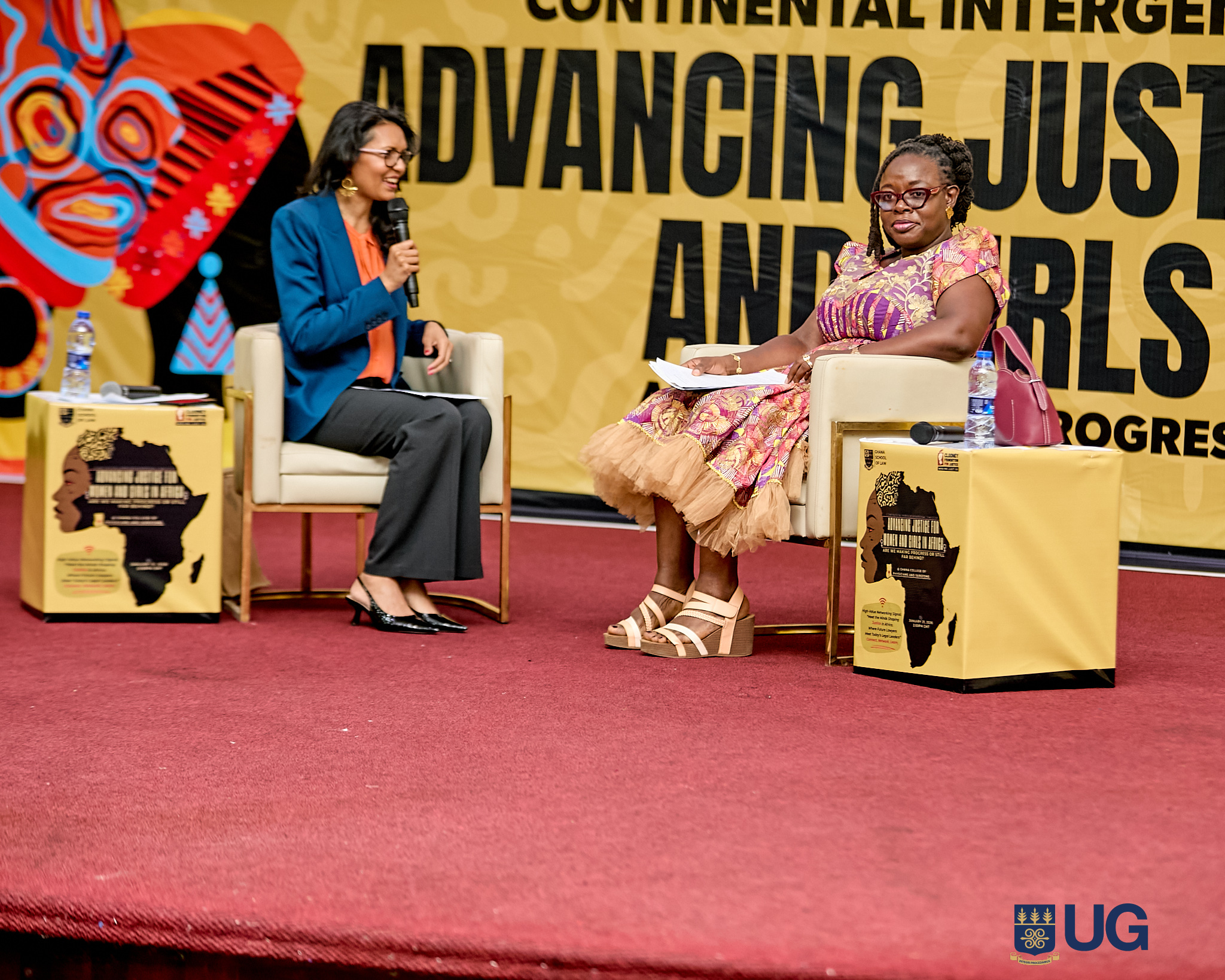
The Vice-Chancellor, Prof. Amfo, during a fireside chat, spoke candidly about women’s leadership, mentorship, and institutional responsibility.
Prof. Amfo noted that as women ascend to leadership positions, they carry a responsibility to deliver on their mandates and to create pathways for other competent women to rise. She stressed that leadership progression for women is rarely accidental, but rather the result of deliberate effort, resilience and support systems.
Reflecting on challenges, Prof. Amfo pointed to cultural expectations and caregiving responsibilities that disproportionately fall on women and can limit their professional advancement. She shared personal experiences and strategies she employed to navigate structural barriers, describing them as valuable learning moments that shaped her leadership journey.
On mentorship and institutional support, Prof. Amfo described herself as “a product of mentorship and sponsorship,” revealing that both are critical for women’s career growth. She explained that peer mentoring, in particular, provides opportunities for mutual learning, shared resources and collective support. She advocated for the institutionalisation of mentorship frameworks within organisations, noting that sponsorship, where individuals actively advocate for others by recommending them for opportunities, is equally essential.
She also reflected on setbacks and lessons learned over her journey and used them to encourage women to carefully assess leadership contexts, make informed decisions and recognise when it is strategic to step back, acquire additional skills and re-engage when better prepared. Prof. Amfo urged participants to protect their integrity, build strong professional networks and remain diligent in their roles.
Delivering the welcome address, Prof. Raymond A. Atuguba officially opened the dialogue and underscored the importance of intergenerational engagement in advancing justice for women and girls. He noted that legal education must play a central role in addressing gender inequities by shaping values, mindsets and professional ethics among future legal practitioners.
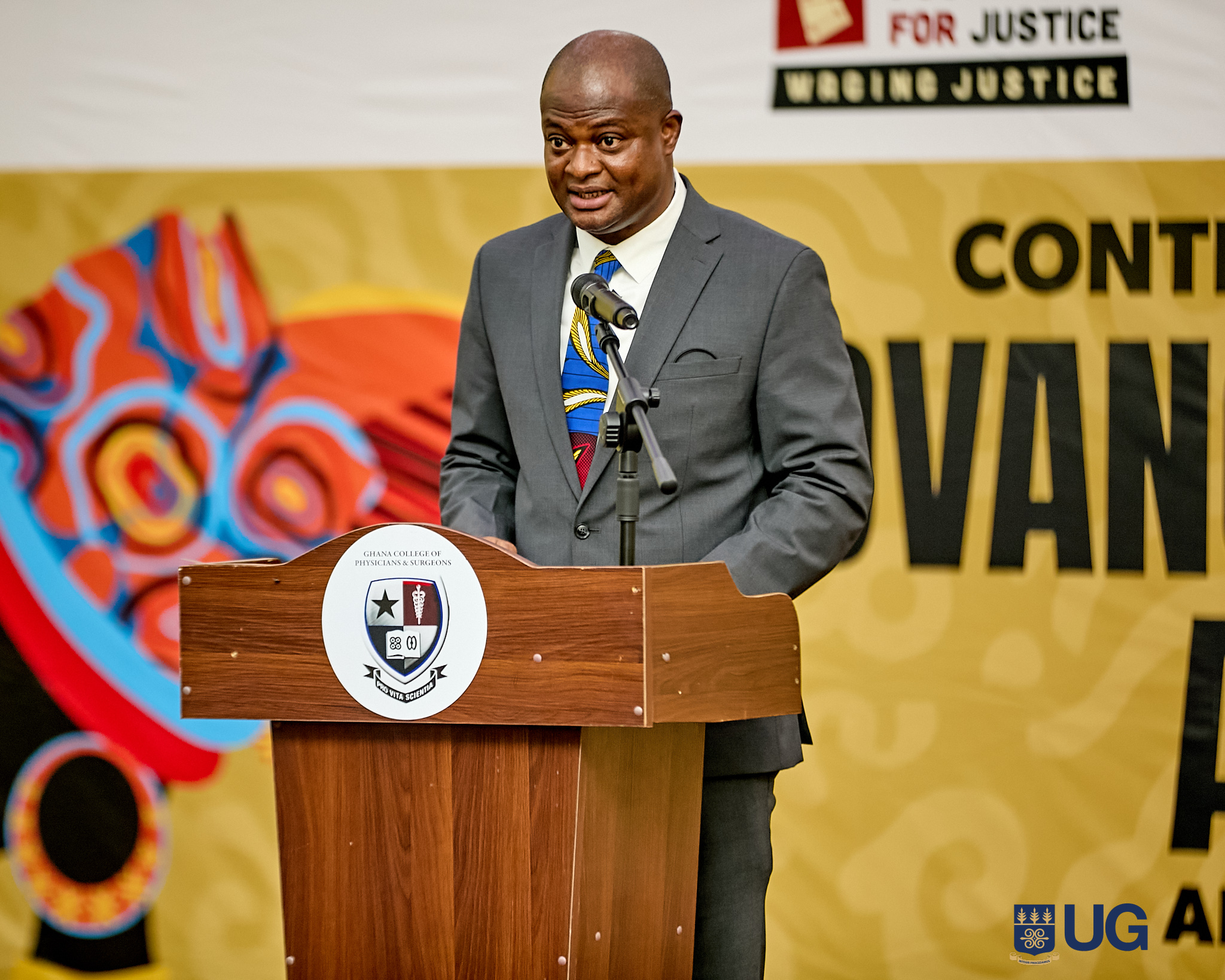
The Acting Director observed that most lawyers practise beyond the courtroom, working in policy, advocacy, regulation and community-based justice, where the law’s impact is often most profound. Such engagements, he noted, broaden students’ understanding of legal practice as a tool for advancing justice, dignity and equality for women and girls.
Prof. Atuguba highlighted that human rights and women’s rights are no longer peripheral to legal practice but central to the legitimacy of modern legal systems. He urged students to see justice for women and girls as a core responsibility of the law, extending across borders, communities and policy spaces.
In his keynote address, the Chief Justice of Ghana, Justice Paul Baffoe-Bonnie, described the advancement of justice for women and girls as both a moral imperative and a legal necessity, emphasising that achieving gender equity in legal education and the justice delivery system requires deliberate and sustained effort.
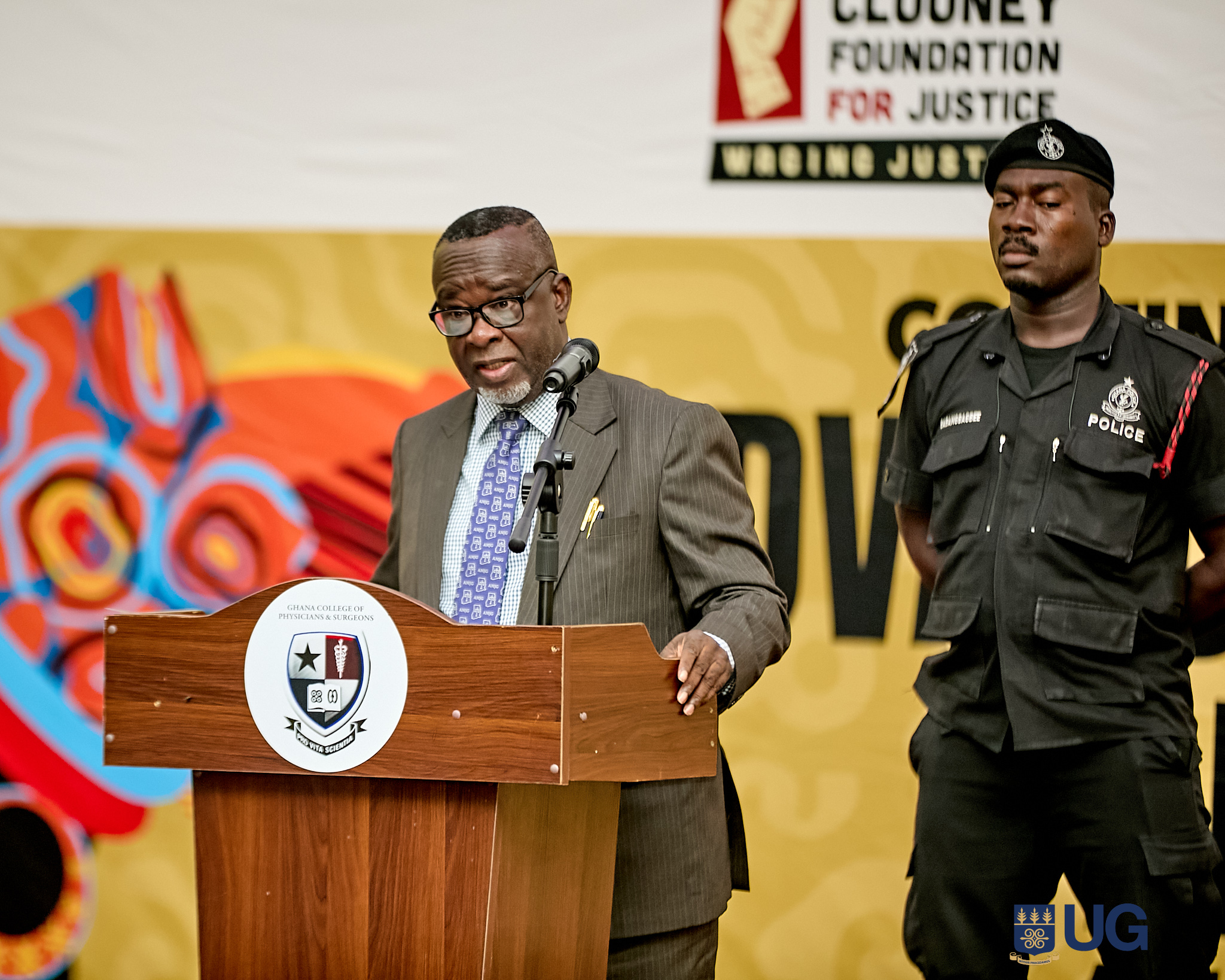
He reaffirmed the judiciary’s commitment to fairness, inclusivity and access to justice, particularly for women and girls facing structural barriers and commended institutions and individuals who have consistently championed women’s rights within the legal profession.
Justice Baffoe-Bonnie further noted that courts now operate within an interconnected legal environment, where exposure to regional jurisprudence, strategic litigation and institutional practice across Africa strengthens legal reasoning and coherence in rights protection.
He added that this reality reinforces the understanding that justice for women and girls is a shared continental responsibility.
In another fireside conversation, Ms. Nana Oye Bampoe Addo, Deputy Chief of Staff in charge of Administration at the Presidency and a long-standing human rights and social justice advocate, threw light on the decades of advocacy that have contributed to incremental gains for women in Ghana. She described the passage of the Affirmative Action Act as a significant outcome of such advocacy but cautioned that the law must be fully operationalised to achieve its intended impact.
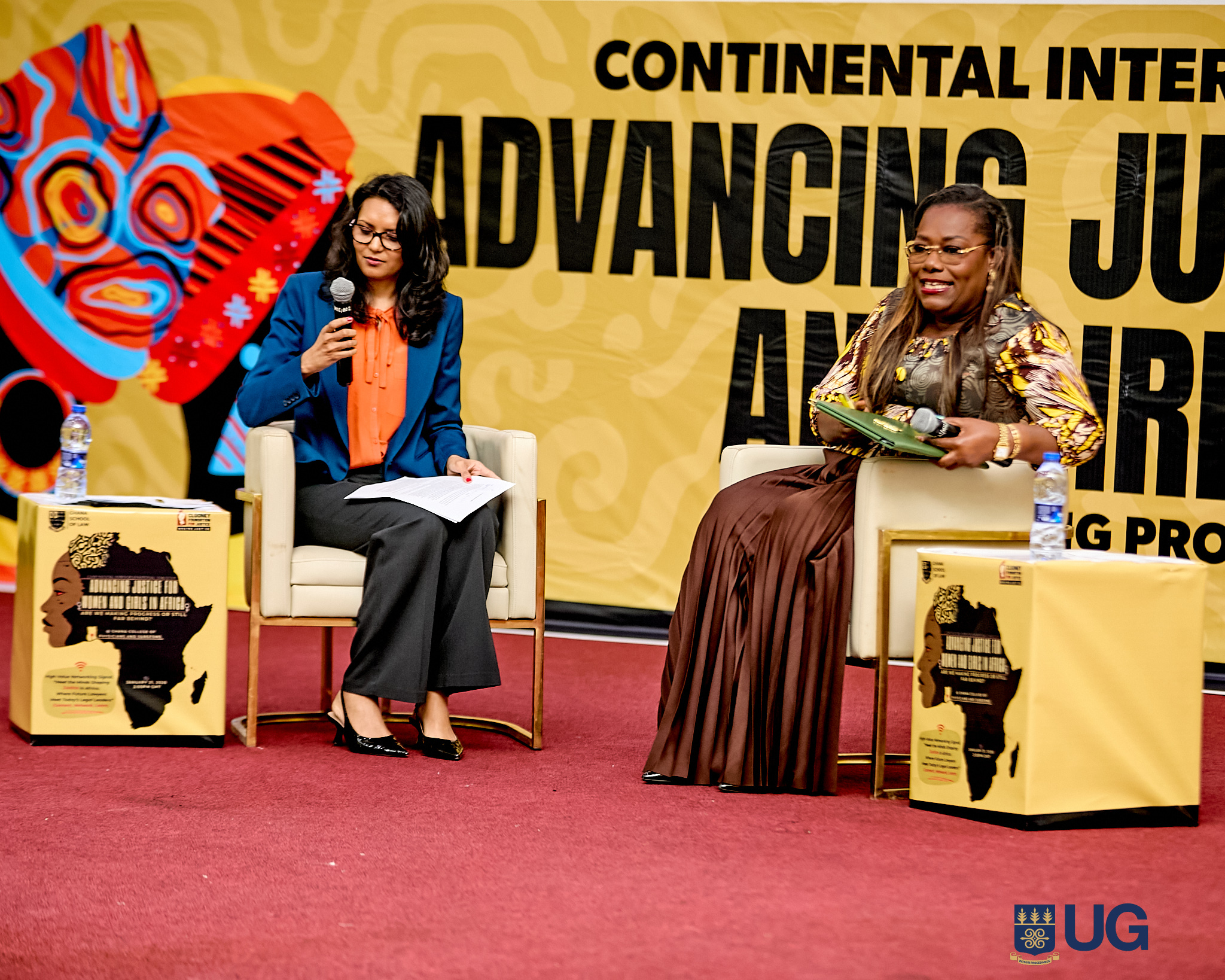
Ms. Bampoe Addo expressed concern about the persistent underrepresentation of women in leadership, particularly in Parliament and local government and called for sustained political will, enforcement mechanisms and societal commitment to ensure women’s full participation in governance.
Other special guests, including fellows of the Clooney Foundation for Justice, reiterated calls for stronger accountability mechanisms, legal reforms and cross-sector partnerships to protect and promote the rights of women and girls. Several speakers shared personal and professional experiences that highlighted both progress made and persistent challenges across African justice systems.
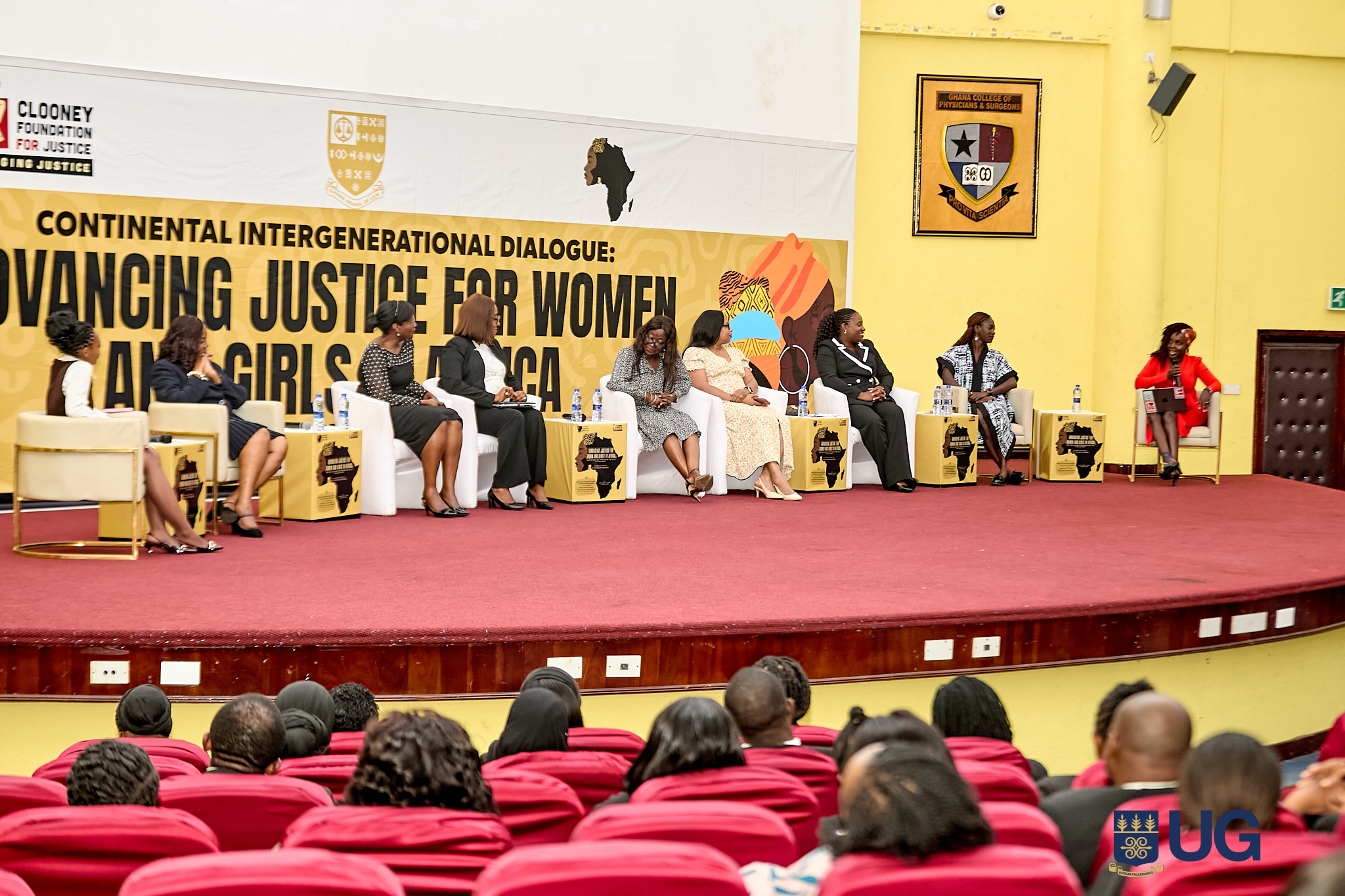
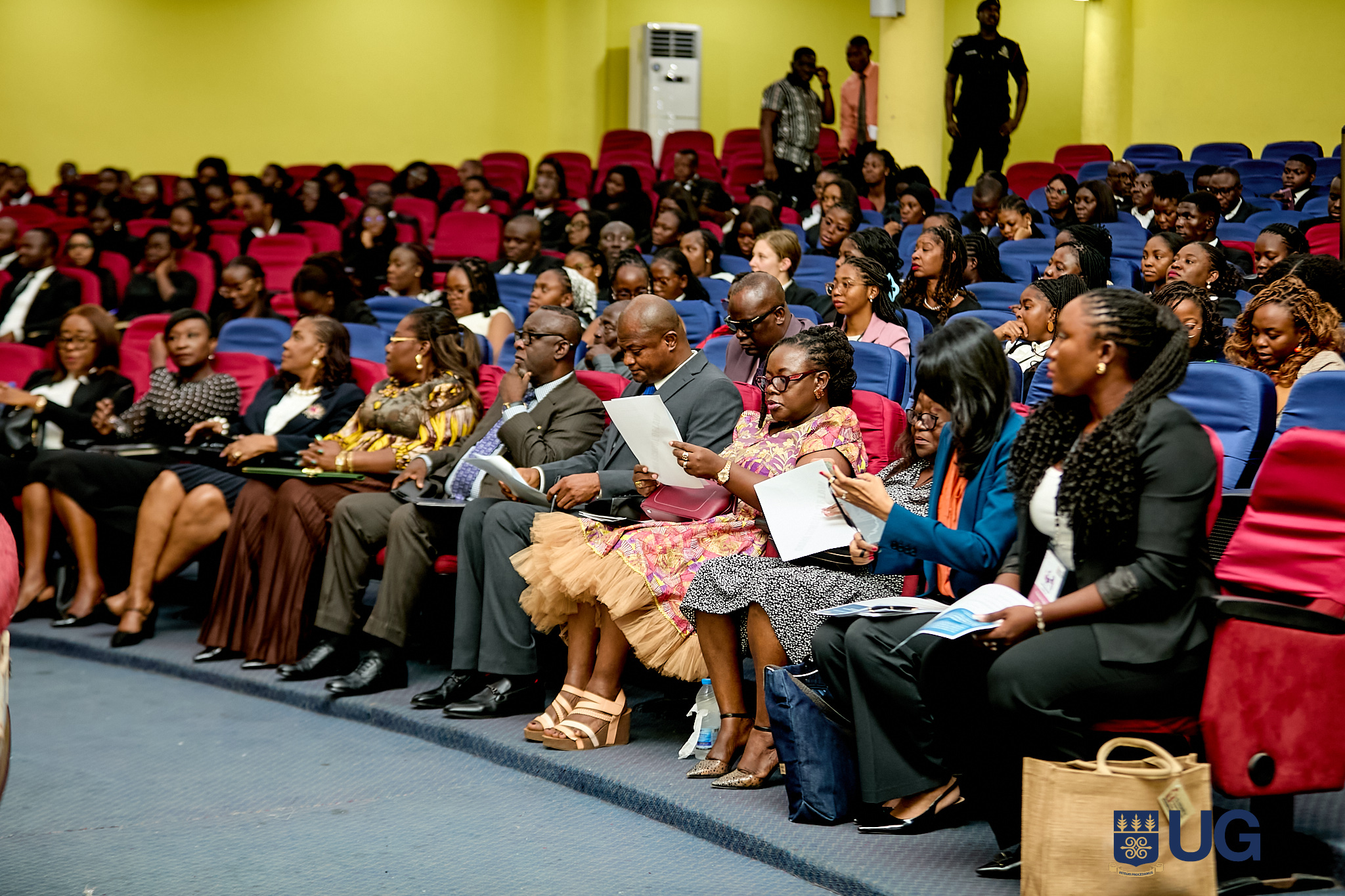
The event was attended by students and faculty of the Ghana School of Law, alumni, representatives of the Clooney Foundation for Justice and other partners, providing a vibrant platform for learning, reflection and intergenerational exchange.