UG Concludes GTEC Institutional Review, Commended for Progress in Governance, Research and Quality Assurance
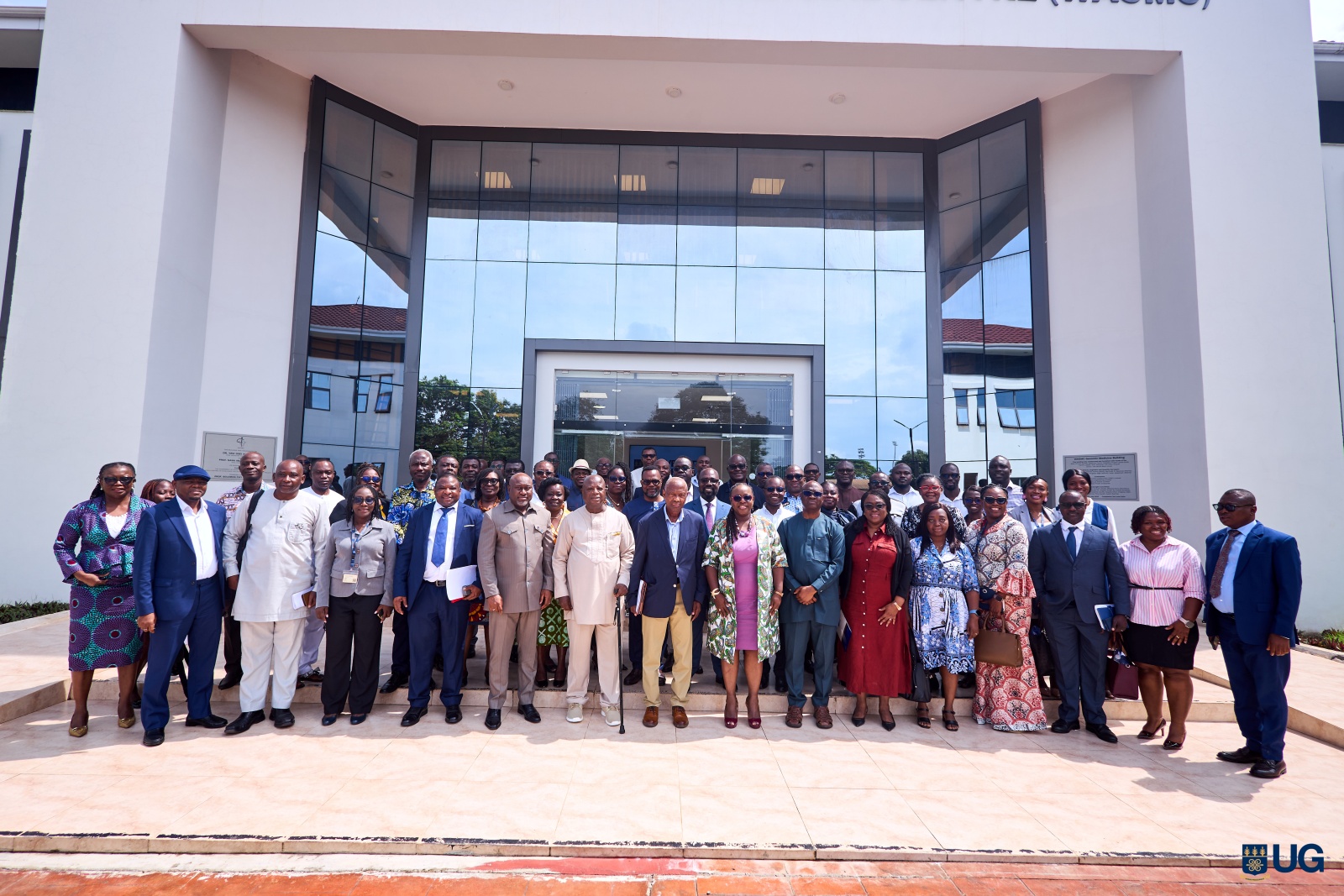
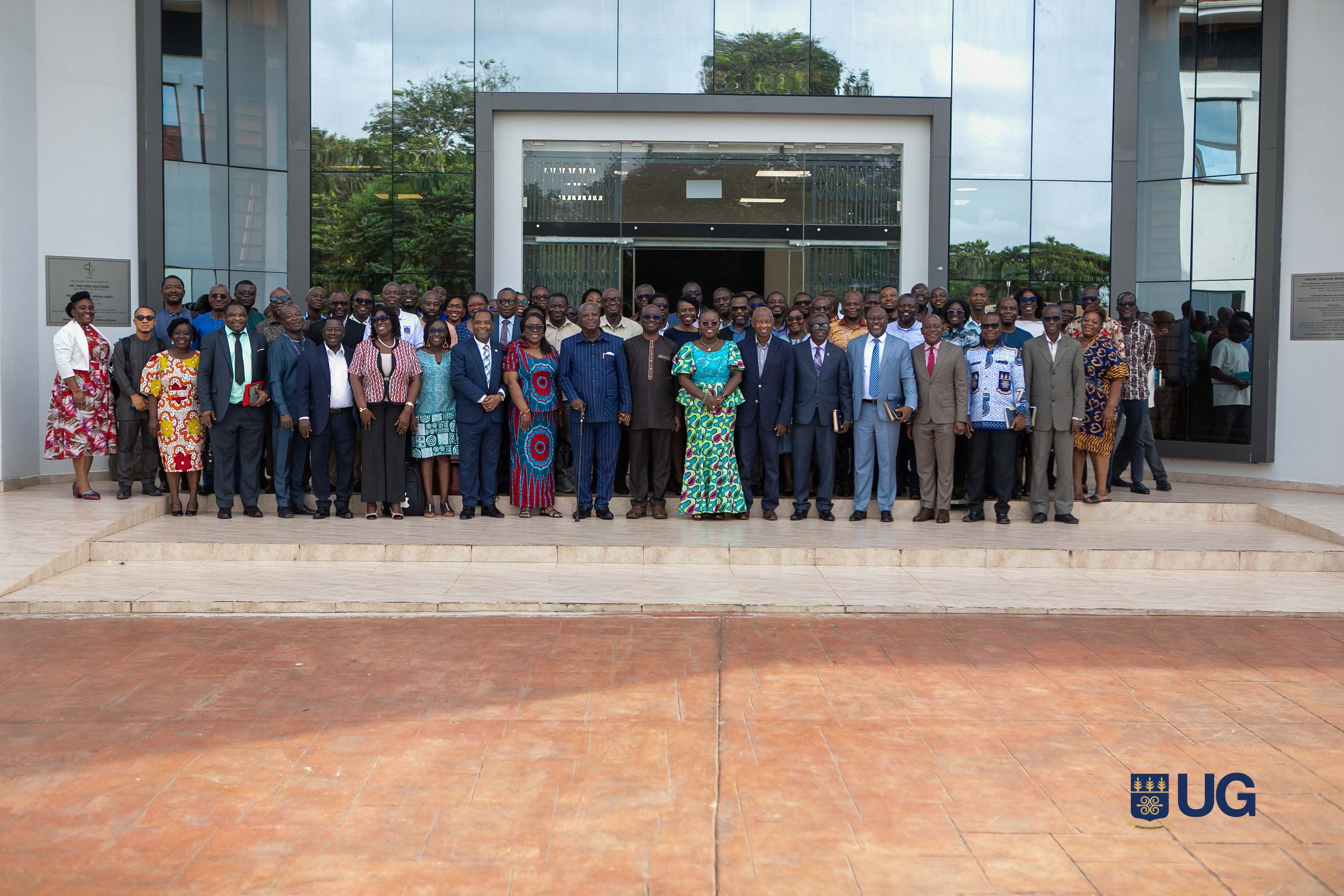
The University of Ghana has successfully concluded the Ghana Tertiary Education Commission (GTEC) Five-Year Cyclical Institutional Review, with the Commission commending the University for significant progress in governance, research, policy development, academic quality and institutional growth.
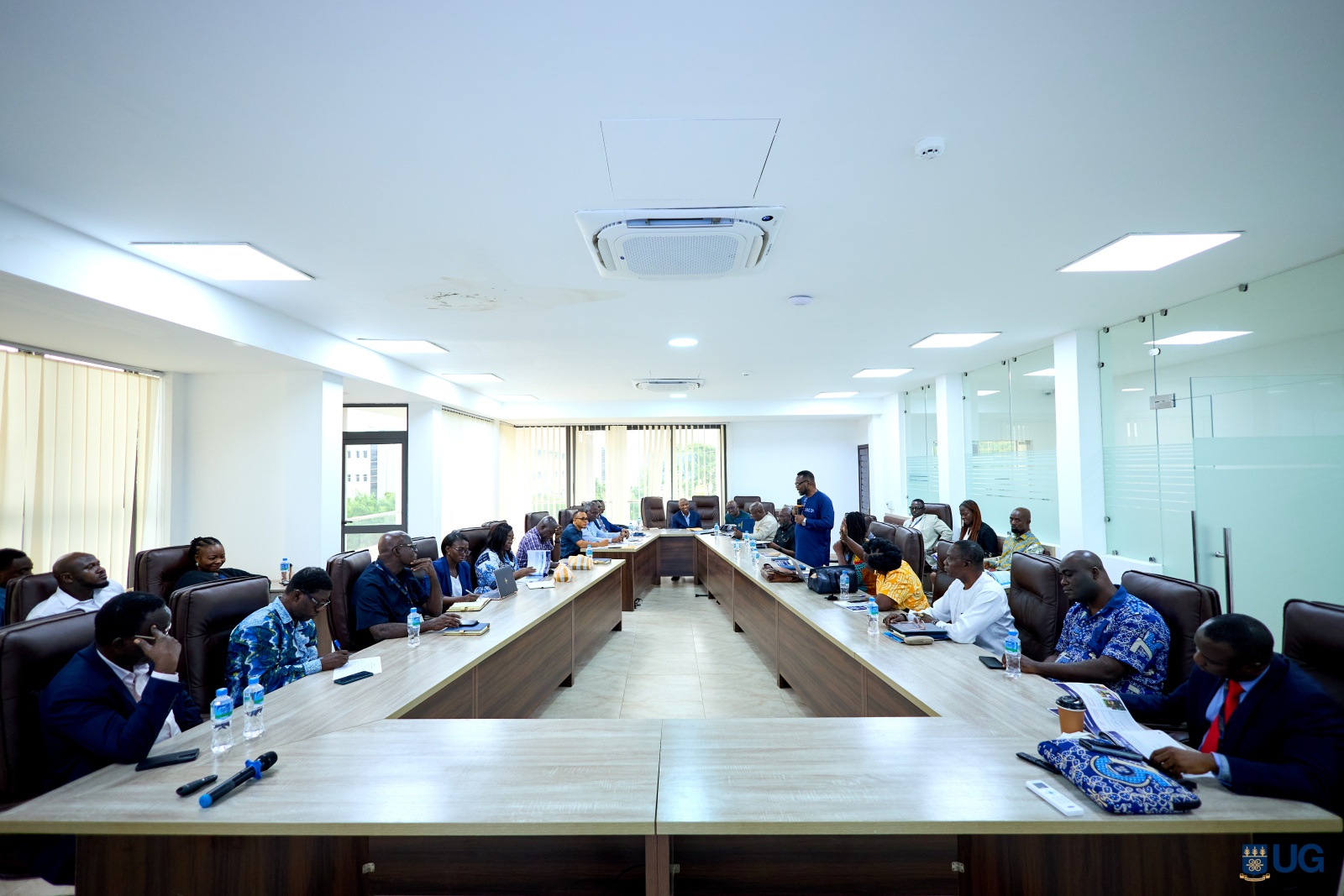
The comprehensive review, conducted over several days, assessed the University's quality assurance systems, governance structures, academic delivery, student support services and overall institutional performance over the past five years. The exercise also evaluated the University's response to recommendations from the previous institutional review and its adherence to national quality assurance standards.
At the opening session, the Vice-Chancellor, Prof. Nana Aba Appiah Amfo, described the review as an important opportunity for reflection, learning and continuous improvement. She noted that the exercise came at a pivotal moment in the University's development, following the implementation of the University of Ghana Strategic Plan 2024–2029.

Prof. Amfo highlighted the University's progress in teaching and learning, research, community engagement and institutional management, citing improvements in governance systems, digital infrastructure, student support services, international partnerships and quality assurance mechanisms. She also pointed to enhanced student participation in governance, expanded career development and mentorship programmes, as well as deliberate investments in student wellbeing and inclusiveness.
The Vice-Chancellor further underscored the University's growing research profile, highlighting advances in priority areas including health and wellbeing, food security, climate and environmental sustainability, governance and social transformation, and Fourth Industrial Revolution technologies. She noted that faculty members had continued to secure competitive research grants while producing impactful research addressing national, regional and global challenges.
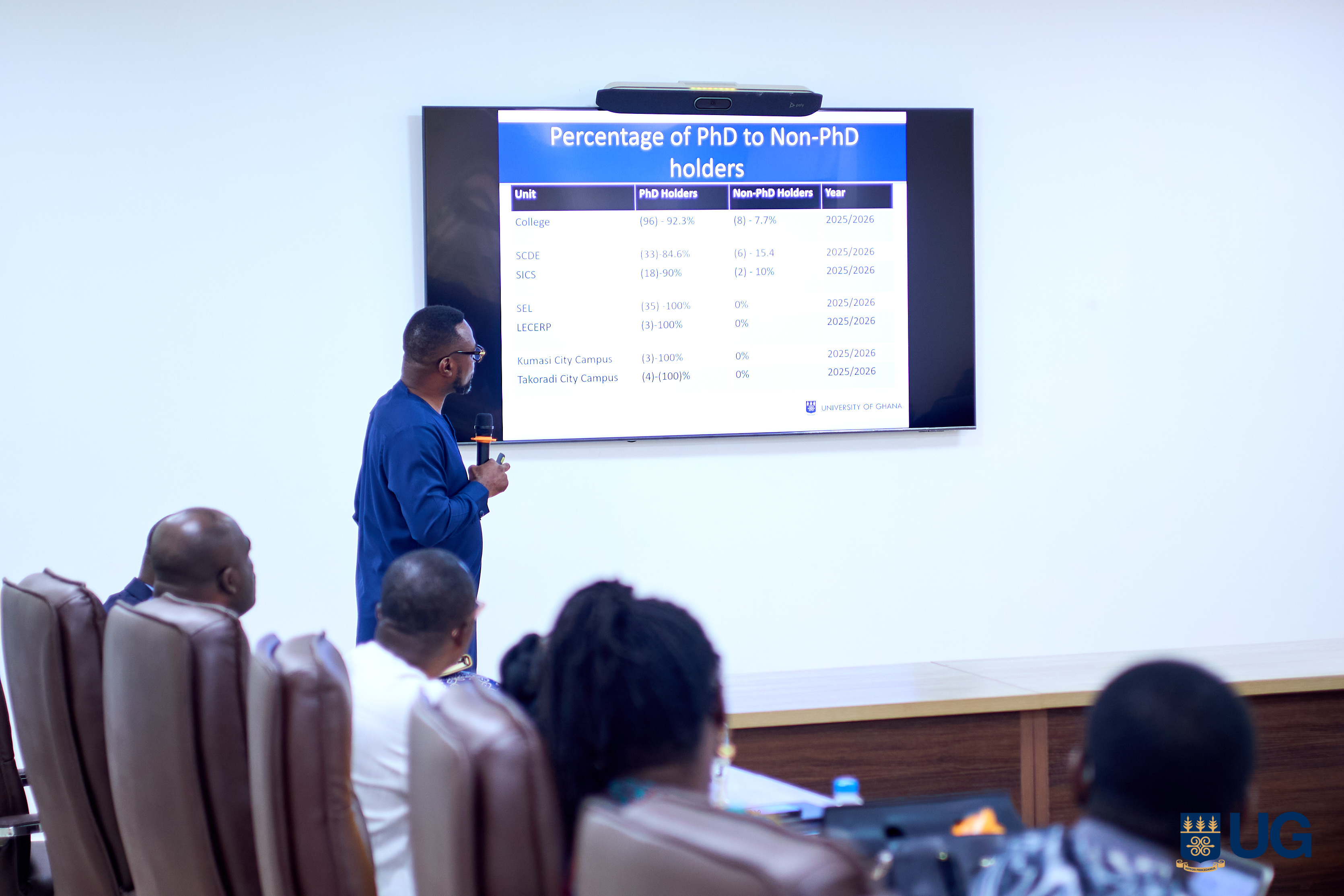
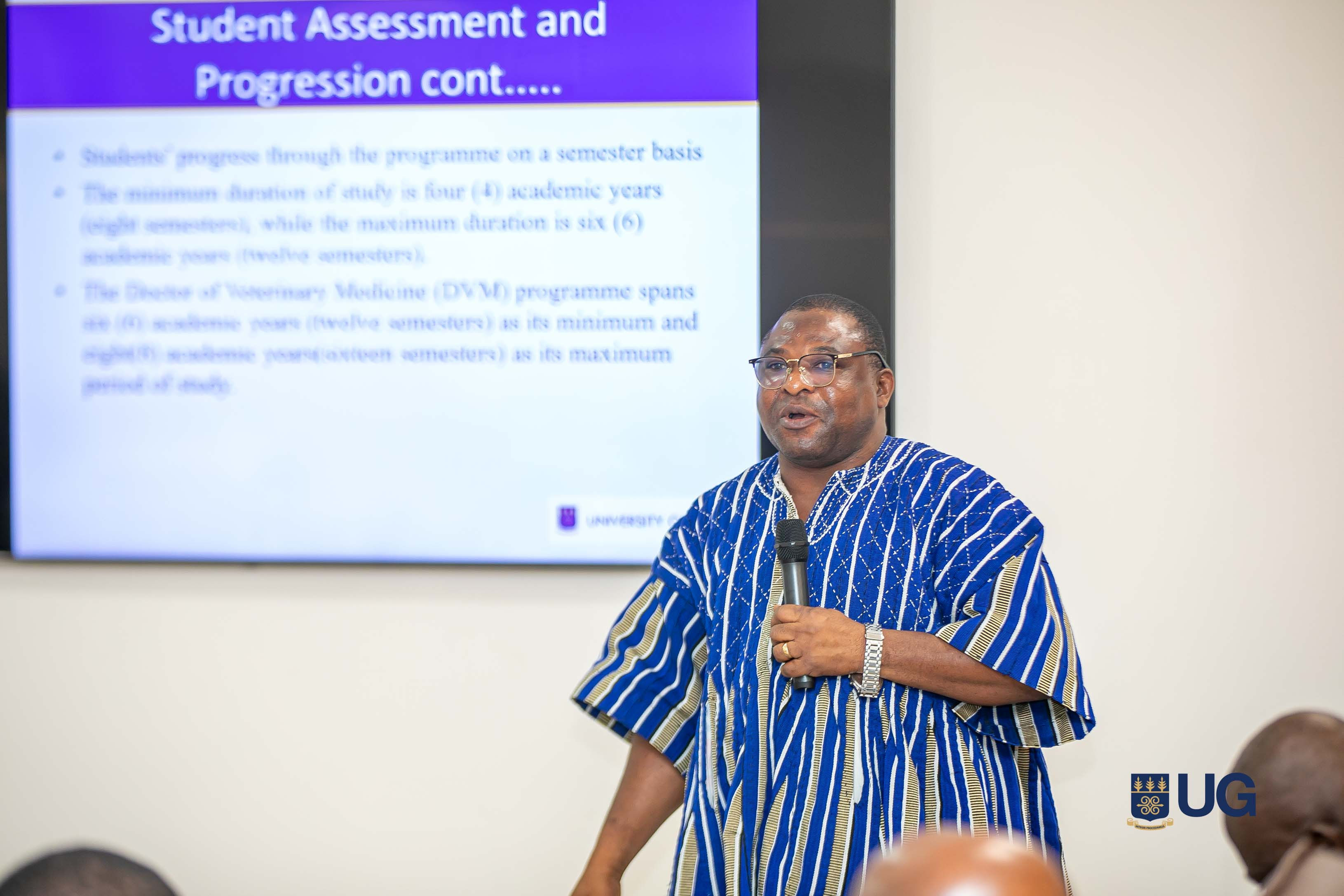
Presenting the University's institutional report, the Pro-Vice-Chancellor for Academic and Student Affairs (ASA), Prof. Gordon Awandare, outlined measures implemented in response to recommendations from the previous review. These included the introduction of a new strategic planning framework, the establishment of a Strategic Plan Implementation Committee, standardised planning templates and enhanced performance monitoring systems to strengthen accountability and data-driven decision-making.
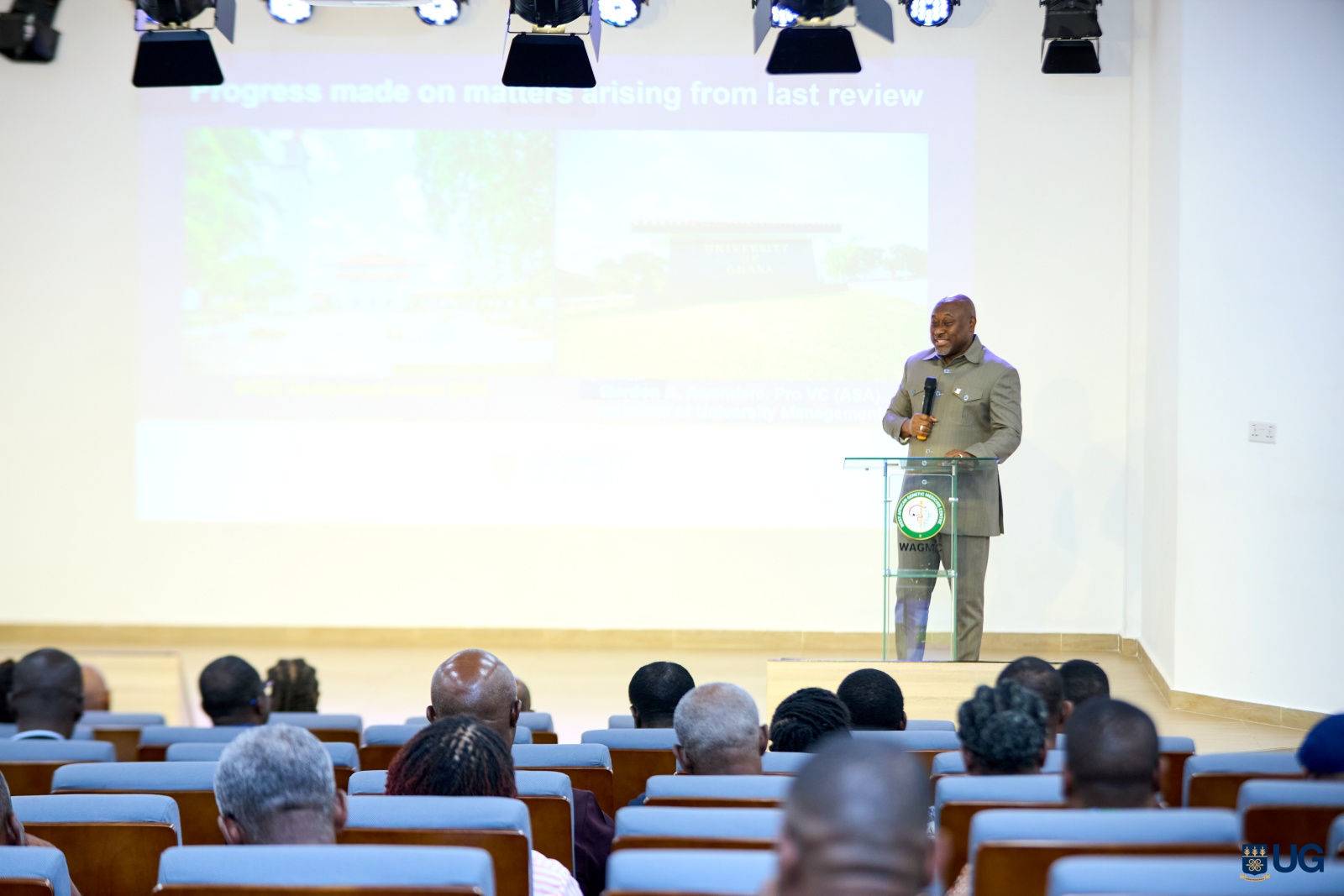
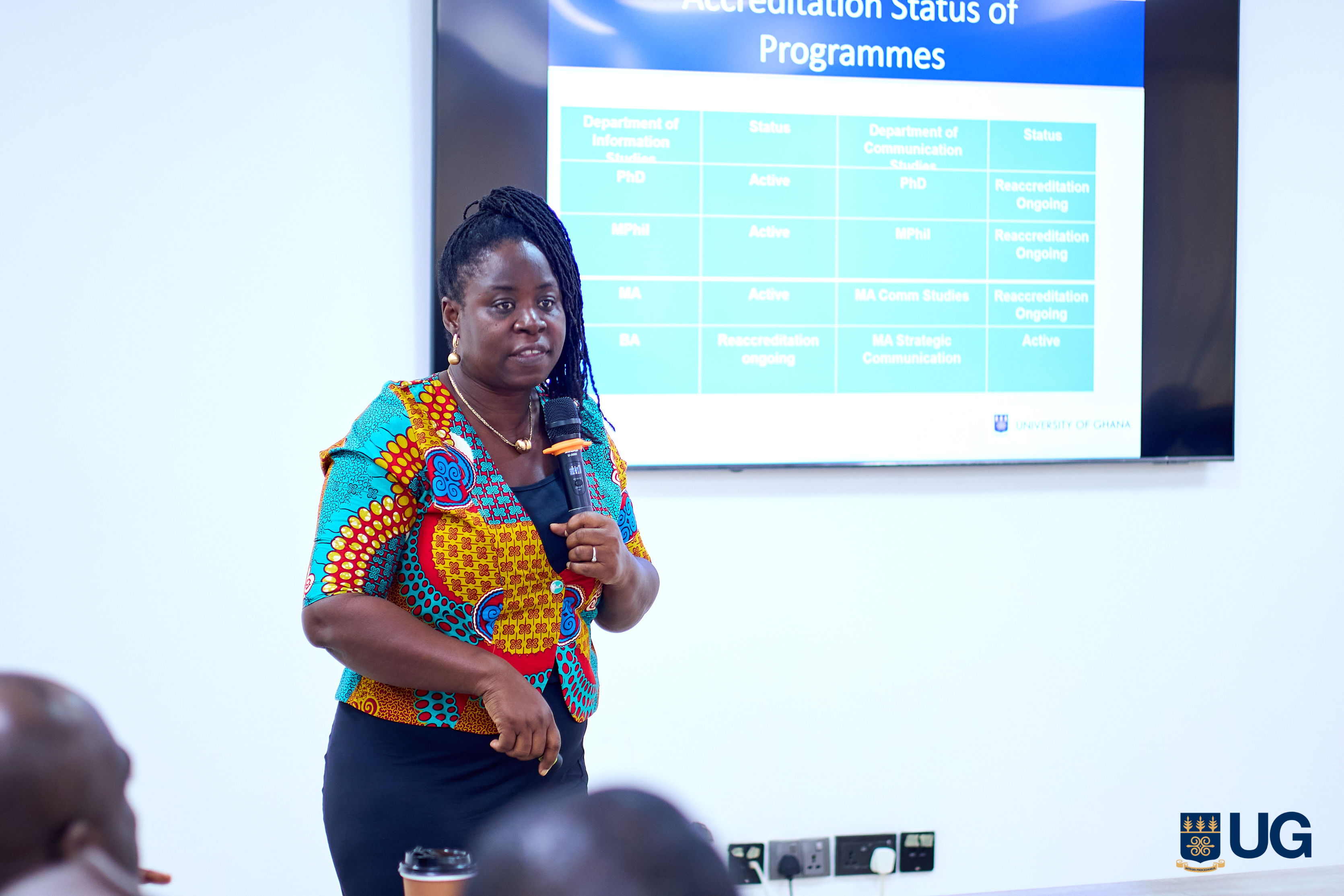
He also highlighted improvements in academic quality assurance through increased participation in post-lecture evaluations, the digitalisation of academic services, staff training on innovative teaching methods and the responsible use of artificial intelligence, as well as strengthened systems for monitoring programme accreditation. According to Prof. Awandare, substantial progress had been made on issues identified during the previous review, with remaining reforms being pursued through a structured action plan.
At the exit meeting, the GTEC review panel commended the University for its achievements over the review period. Presenting the panel's preliminary findings, the Chairman of GTEC and Chair of the Review Panel, Prof. Mahama Duwiejua, described the review as a partnership designed to strengthen higher education through continuous improvement rather than fault-finding.
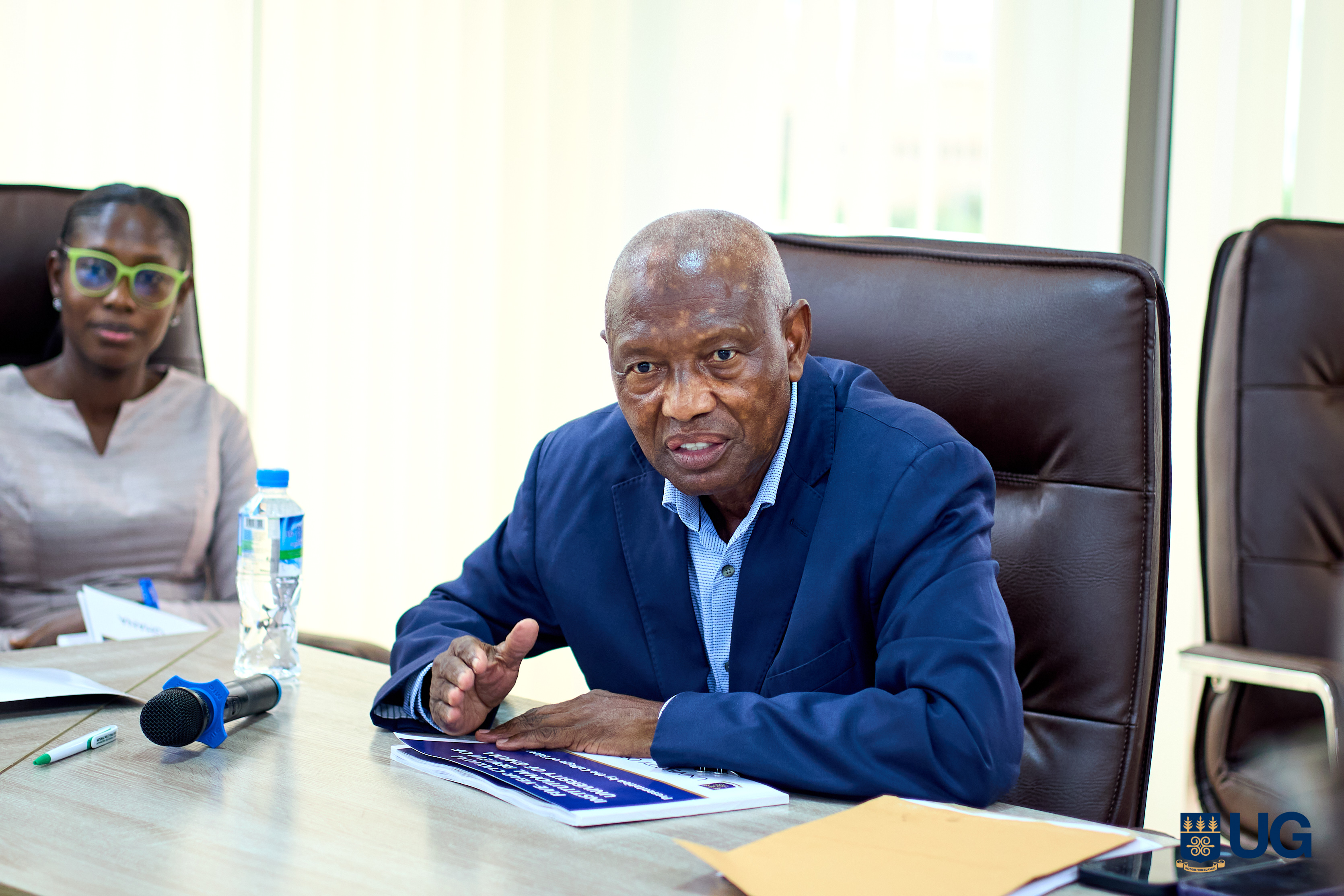
Among the University's notable achievements, the panel cited the successful implementation of a new Strategic Plan, strengthened governance structures, the introduction of key institutional policies, improved gender parity in student enrolment and a 49 per cent increase in research publications between 2021 and 2025.
The panel also made recommendations to further strengthen the University in areas including student–staff ratios, infrastructure, data management, curriculum development, graduate tracking, sexual harassment prevention and student support services.
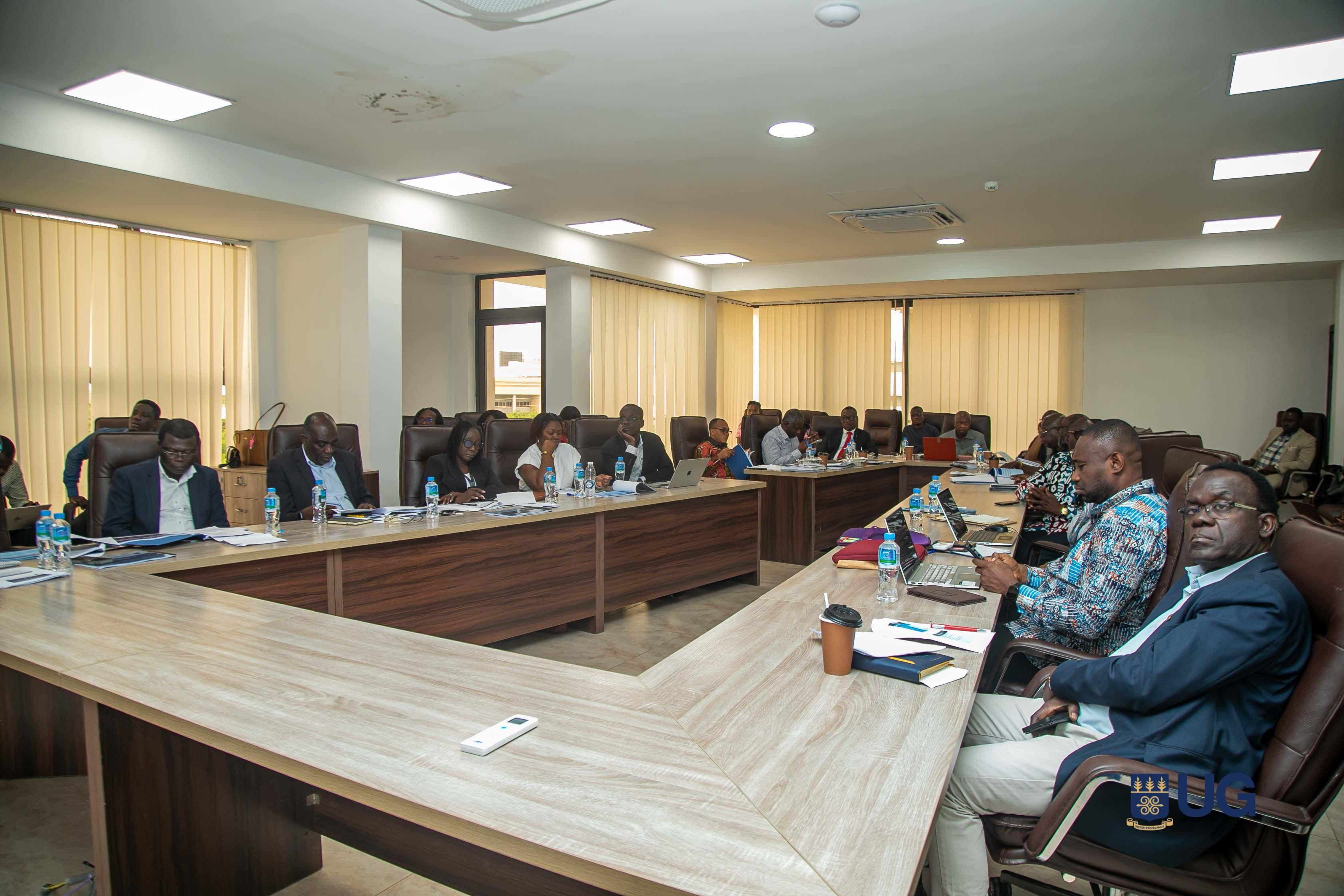
Receiving the panel's observations, Prof. Amfo welcomed the recommendations, describing external reviews as valuable opportunities for institutional learning and improvement.
“It is good that we have people coming from outside looking within. When you are looking at yourself from within, there is a limit to what you can see. So we do appreciate this exercise,” she said.
Responding to concerns regarding sexual harassment, the Vice-Chancellor noted that the University had recently revised its Sexual Harassment Policy, which has been approved by Council, and reconstituted the Sexual Harassment Committee to enhance its effectiveness.
She explained that the restructured committee is now better equipped to handle multiple cases simultaneously, while placing greater emphasis on education, awareness and prevention.

Prof. Gordon Awandare, Pro-Vice-Chancellor for Academic and Student Affairs (ASA), expressed appreciation to the GTEC review team for what he described as a comprehensive and constructive exercise. He assured the panel that the University would carefully study the recommendations and continue implementing measures to address identified gaps, while noting that broader challenges such as student–staff ratios would require sustained support from GTEC, the Ministry of Education and Government.
The Pro-Vice-Chancellor for Research, Innovation and Development, Prof. Felix Ankomah Asante, also acknowledged concerns relating to institutional data and indicated that steps were already underway to strengthen data integrity and reliability across the University.

In her closing remarks, Registrar Mrs. Emelia Agyei-Mensah thanked the GTEC review team for the collaborative engagement and reaffirmed the University's commitment to implementing the Commission's recommendations as part of its continuous drive for excellence.