RIPS Launches New Book; Explores Ghana’s Demographic Shifts and Their Impact on Development
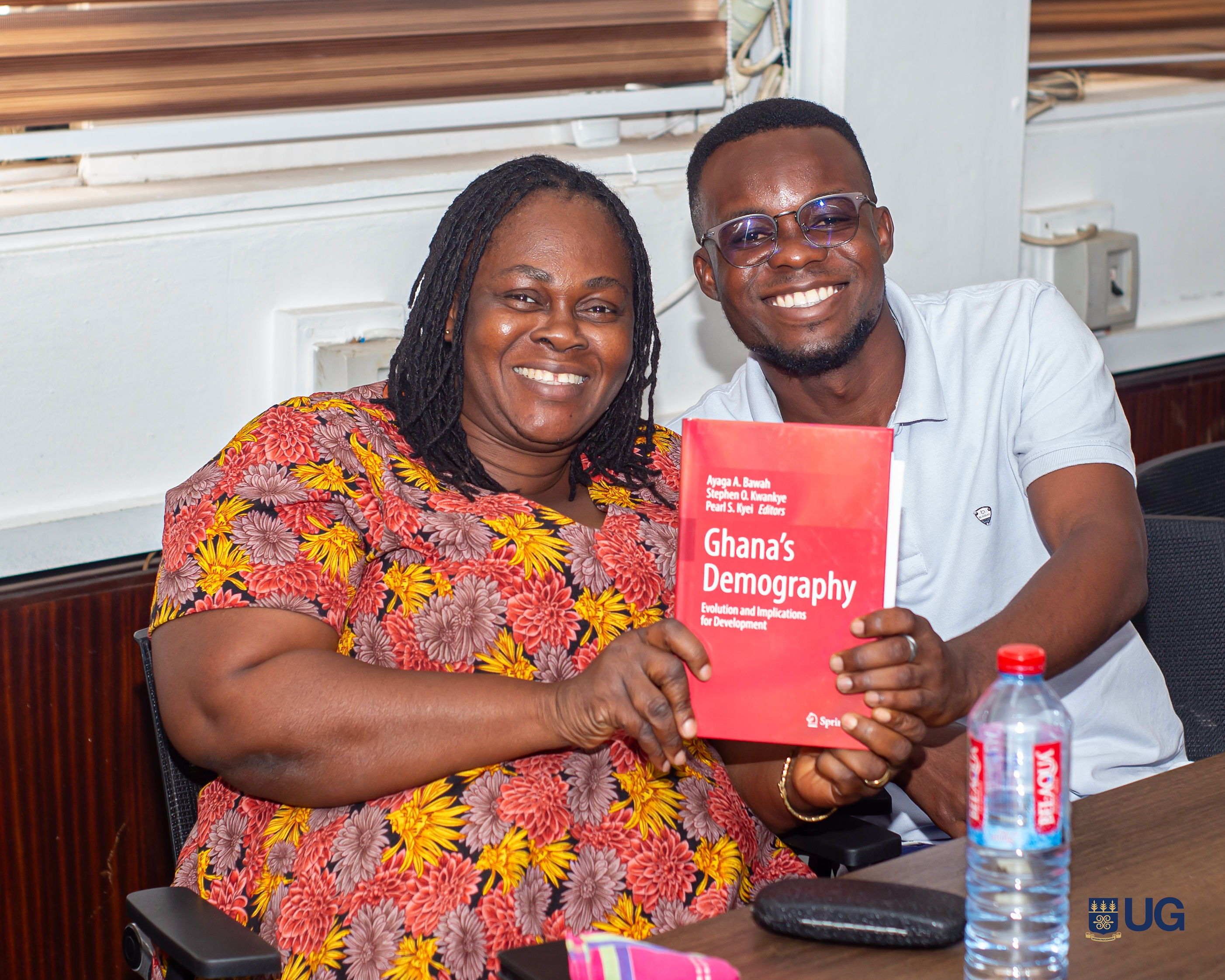
The University of Ghana's Regional Institute for Population Studies (RIPS) has officially launched its latest edited volume, “Ghana's Demography: Evolution and Implications for Development”, marking a significant milestone in interdisciplinary research on the nation's population dynamics.
The book, published by Springer, draws on decades of rigorous scholarship to explore Ghana's demographic shifts and their connections to key development areas such as health, education, ageing, poverty and environmental sustainability.
The hybrid event brought together academia, government officials, civil society organisations and international partners. It served also as a catalyst for policy dialogue, aligning with global frameworks such as the Sustainable Development Goals (SDGs) and the African Union's Agenda 2063.
In the welcome address, Director of RIPS, Prof. Mumuni Abu underscored the book's role in bridging research and policy. "This dissemination event is not just a mere formality. It is intended to serve as a medium or a catalyst for action," he said.
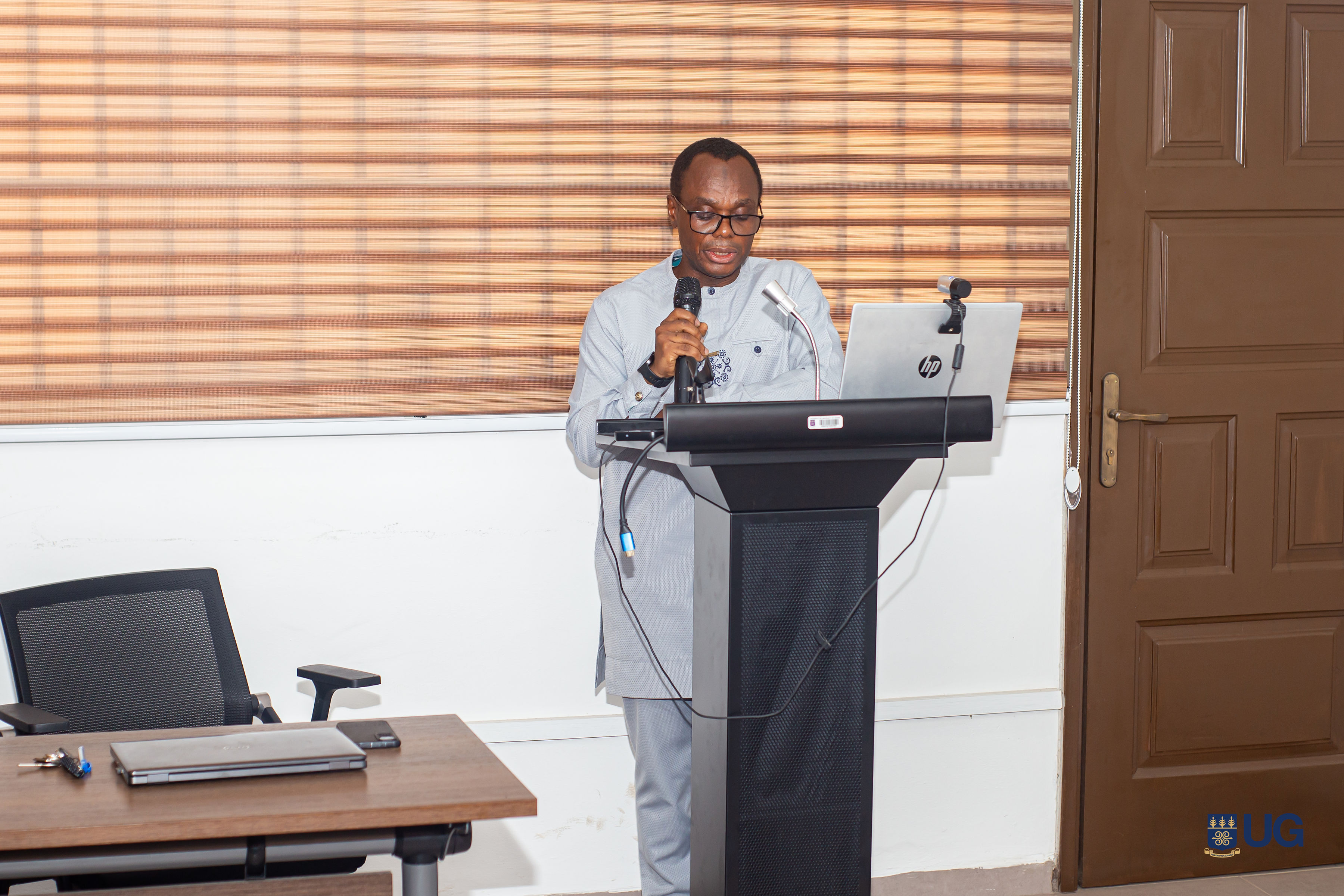
He highlighted the volume’s data-driven narrative on Ghana's population evolution, offering insights for sub-Saharan Africa and beyond. Prof. Abu noted that the project was conceived as part of RIPS' 50th anniversary celebrations to demonstrate the institute's relevance in guiding development through evidence-based research.
Chaired by the Chairman of the National Development Planning Commission (NDPC), Dr. Nii Moi Thompson, the launch featured insightful remarks on the book's timeliness. Dr. Thompson described the volume as "more than an academic exercise," capturing the interplay of fertility, mortality, migration and economic transformation.
He underscored its relevance for Ghana's long-term development vision, particularly in harnessing the youthful population for productive employment while addressing ageing and urban challenges.
Dr. Thompson stated that "development planning without demographic foresight is like planning in the dark." He drew parallels to sub-Saharan Africa's broader transitions, citing data from the World Population Prospects 2026 that fertility rates have dropped from 6.42 births per woman in 1950 to 4.1 in 2026, while life expectancy has risen from 37.2 to 62.7 years. He commended the book for equipping policymakers with robust data from censuses, surveys and geospatial sources to inform decisions.
A video presentation summarised key findings from the book's chapters, revealing Ghana's population growth of 4.6 times over six decades, declining fertility linked to women's education, rising non-communicable diseases among youth, high vulnerable employment and rapid urbanisation without adequate infrastructure. It noted disparities, such as higher child populations in northern regions and rural-urban differences in disabilities.
A former Acting Director of RIPS, Prof. Stephen Kwakye, in contributing to the discussion mentioned that "we wanted to go down memory lane to look at Ghana's demography, how it has evolved over the years and what lessons we can learn as Ghana navigates the challenges of development”.
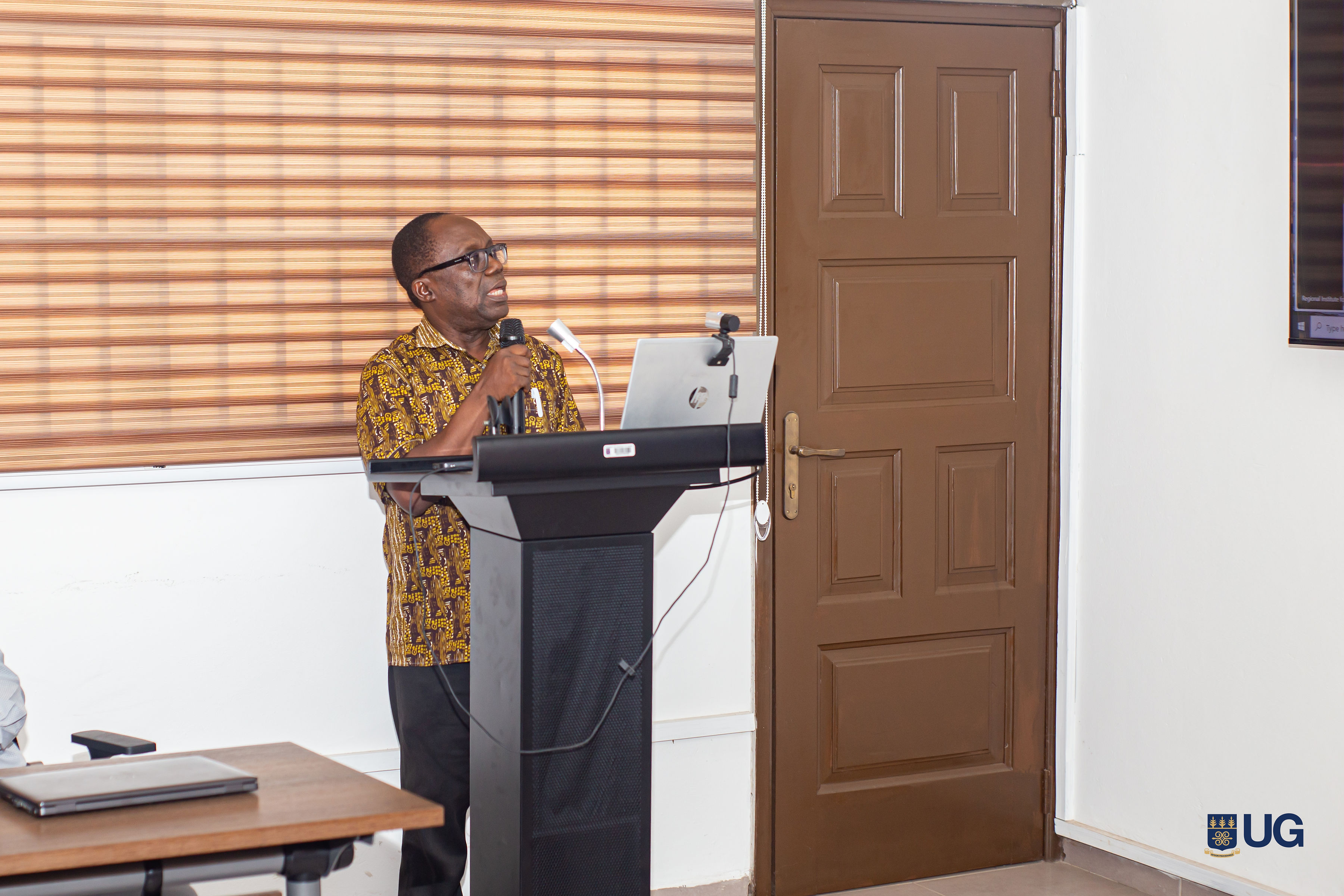
He stressed the use of diverse, reliable data sources to highlight disparities and provide policy implications, targeting academics, policymakers, advocates and cultural analysts.
Another contributor, Dr. Grace Bediako, a former Government Statistician, reflected on the book's policy relevance, challenging traditional demographic theories. She noted that Ghana's fertility decline has occurred without full industrialisation, driven instead by female education and reproductive health access. "The difference lies in policy choices," she said, urging investments in education, skills training and job creation to turn the youthful demographic into a dividend rather than a "ticking time bomb."
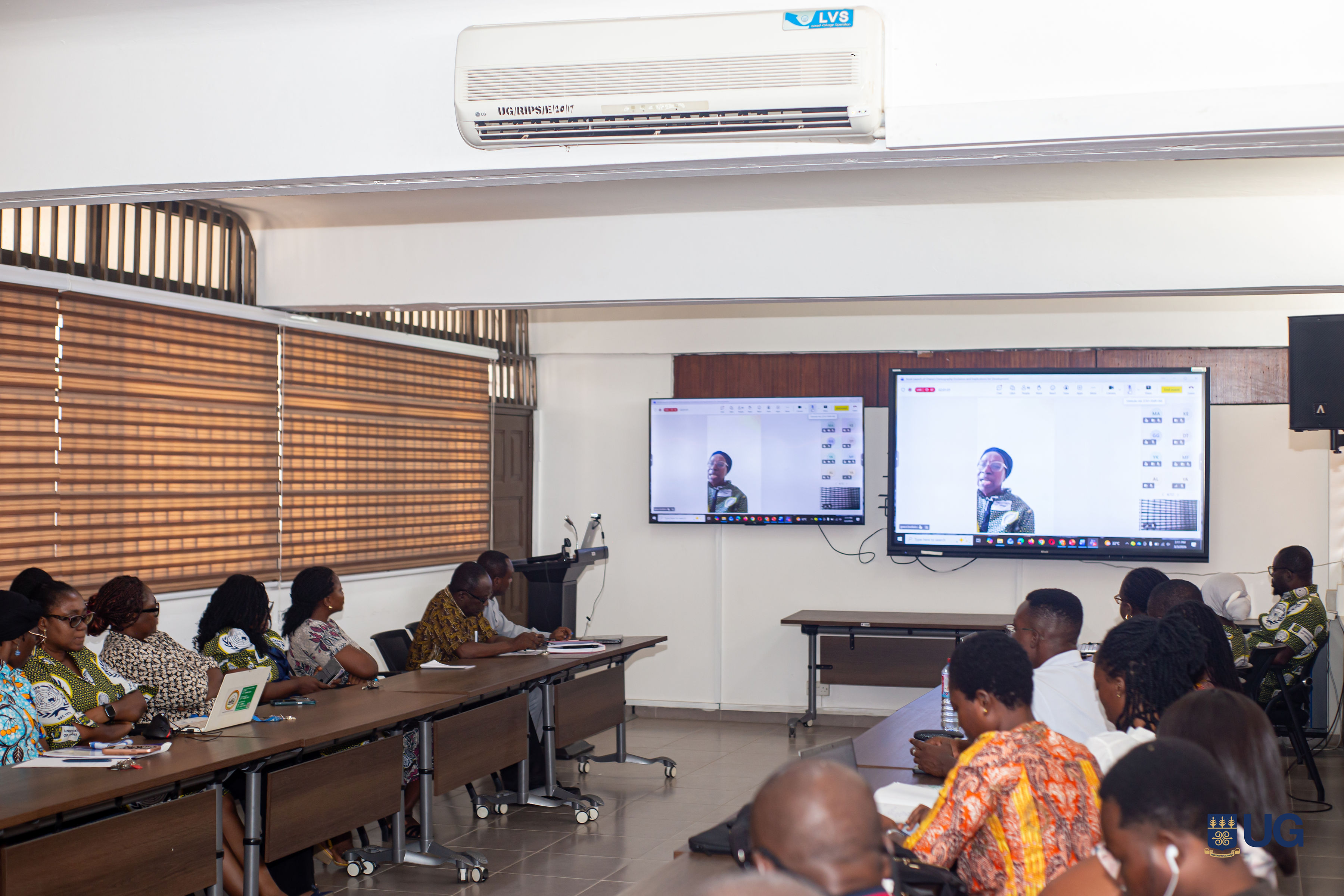
Provost of the College of Humanities, Professor Joseph Yaro, delivered remarks virtually, praising the book as a "scholarly achievement" and "strategic resource" for students, lecturers and planners.
"This book is a product of partnerships between the University of Ghana, our partners and collaborators from other institutions," he said. He encouraged students to engage with it critically, avoiding over-reliance on AI and urged all to use its insights for action rather than letting them "remain on shelves or in folders."
A representative from the Ghana Statistical Service, Godwin Gyebi congratulated RIPS, calling the volume a "compass for policy and practice" that reinforces collaboration for equitable development.
Copies of the book are available on the Springer and Amazon sites and also at RIPS. Dissemination materials can be downloaded from the RIPS website, with planned seminars to delve deeper into its chapters. The launch underscores the University of Ghana's commitment to impactful research that informs national and continental progress.