Professor Samuel Nii Ardey Codjoe Delivers Inaugural Lecture on Climate Change, Indigenous Knowledge and Health
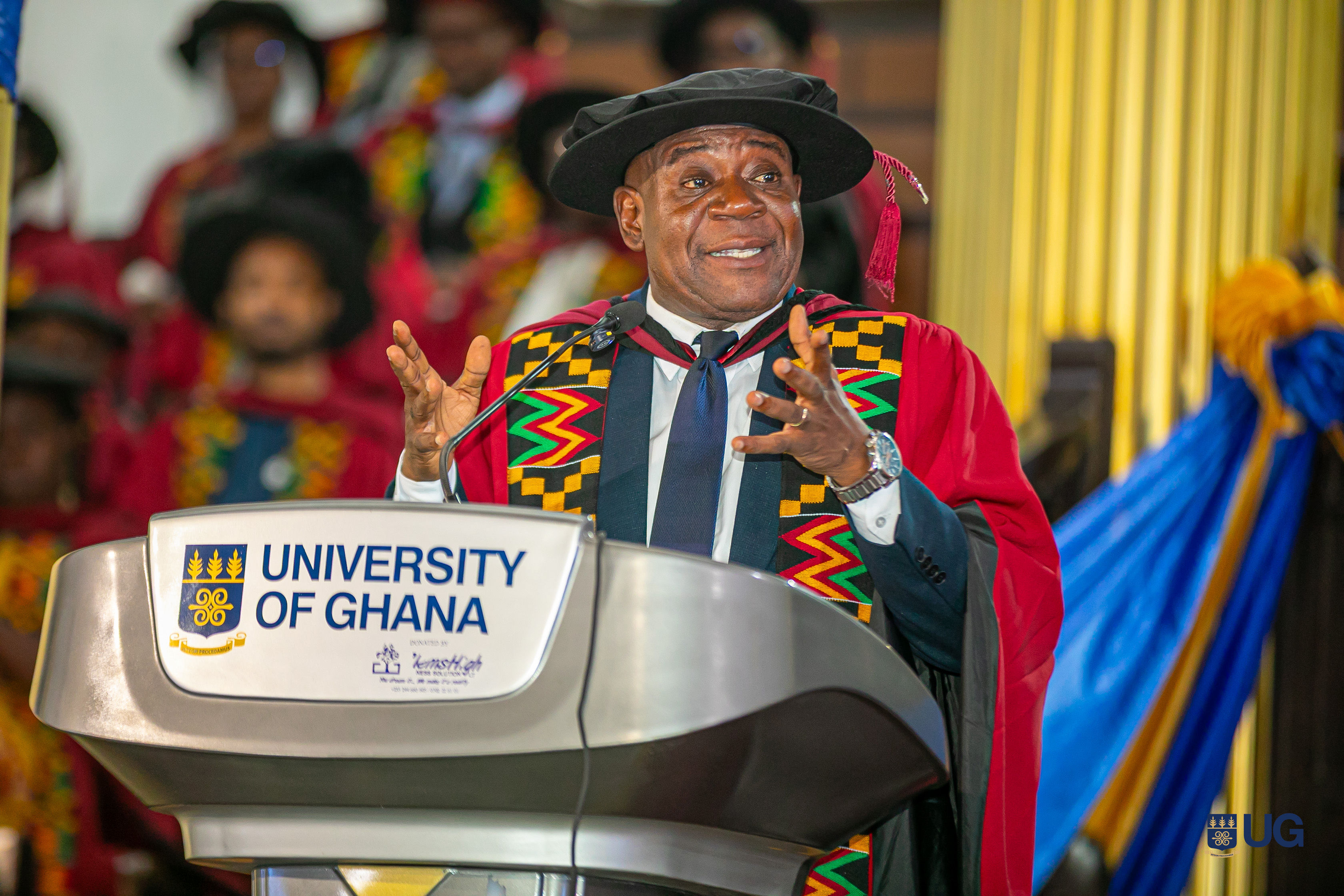
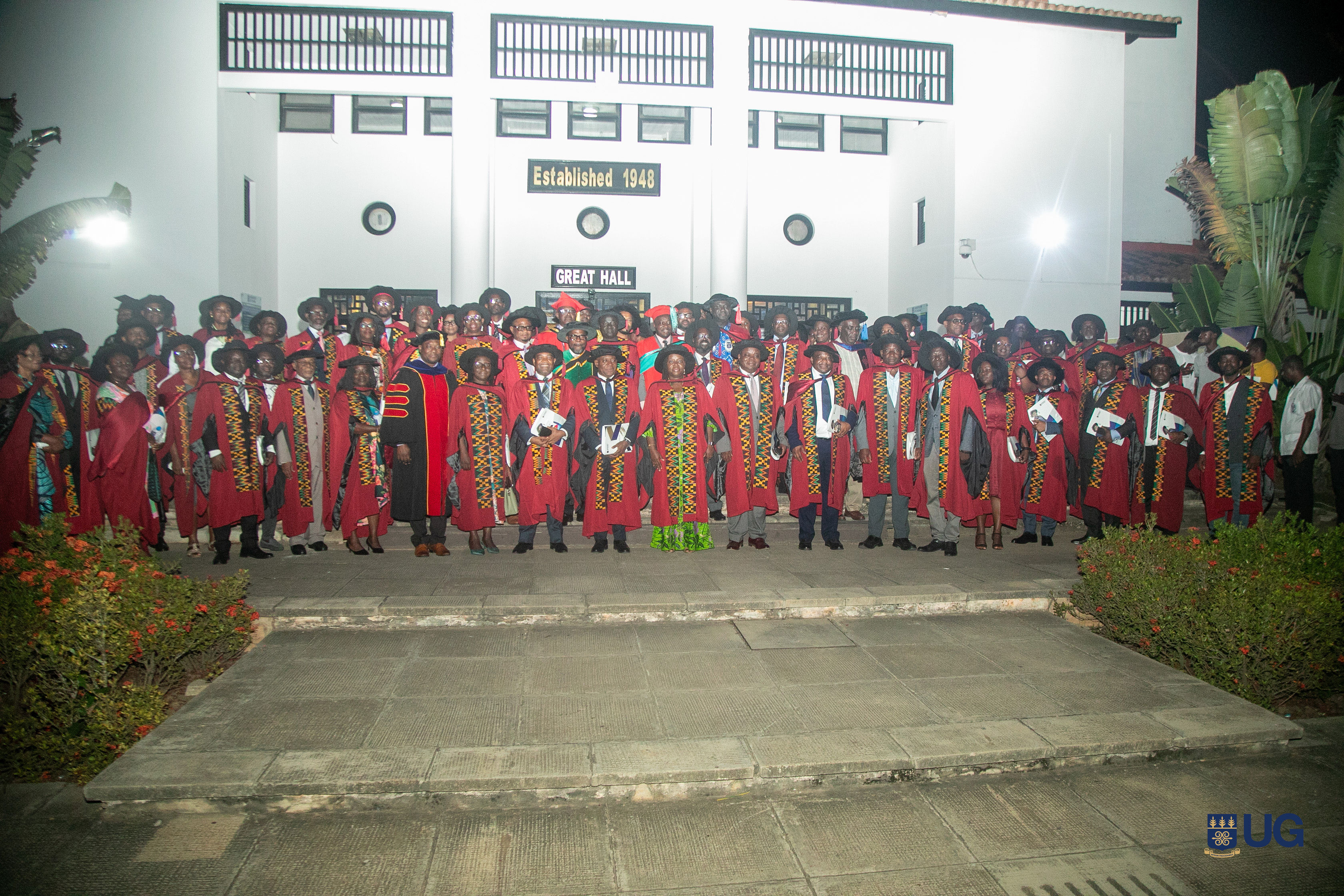
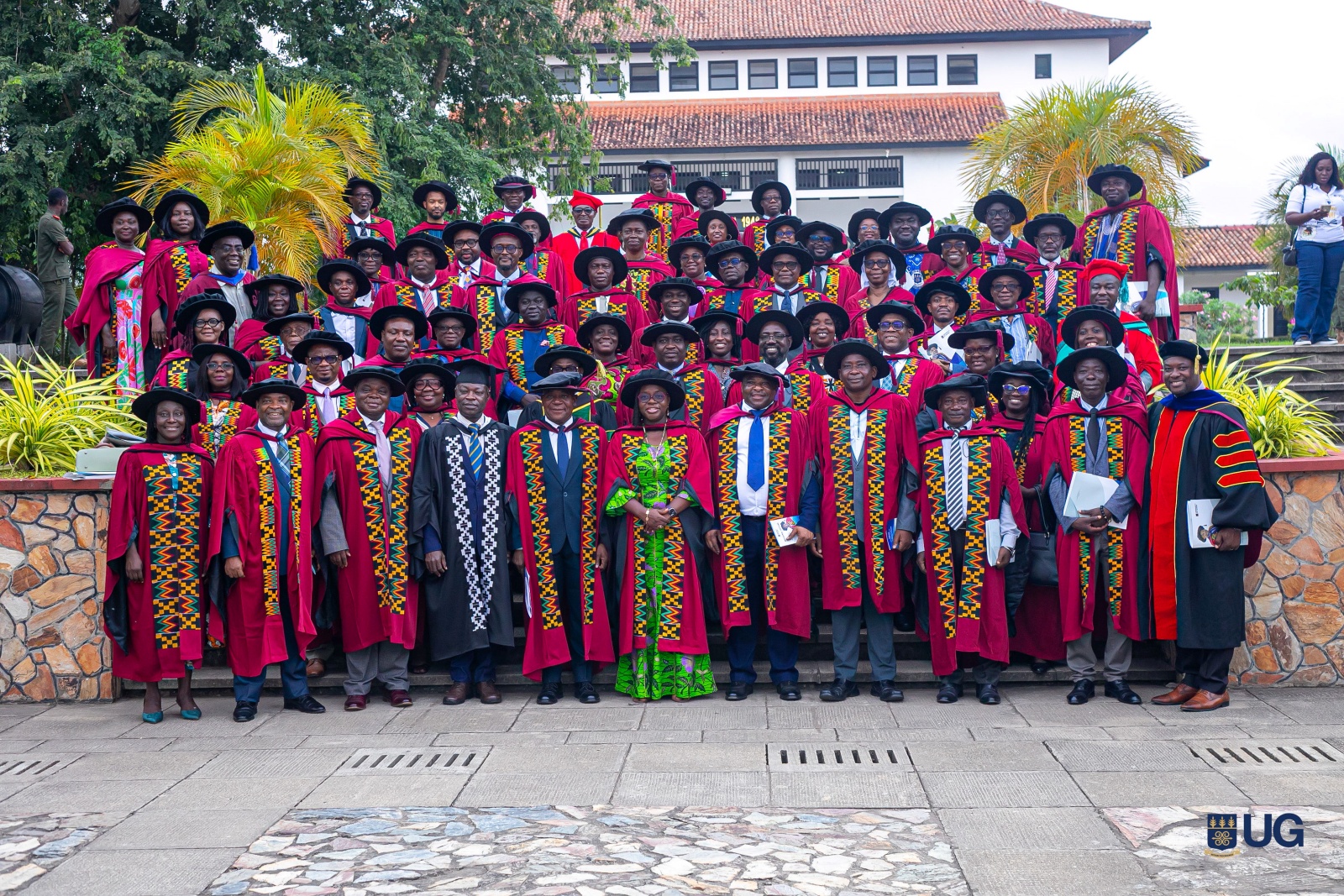
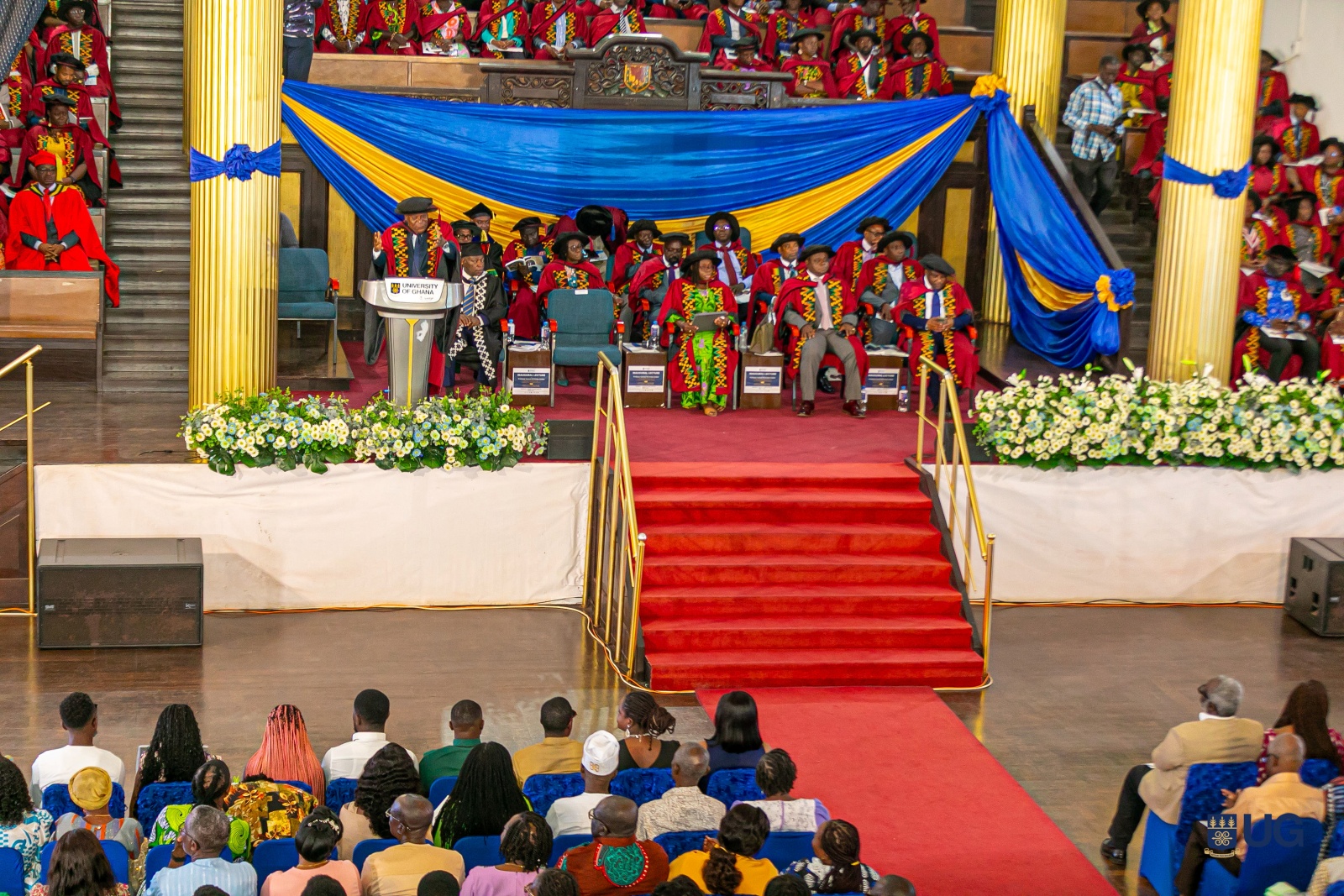
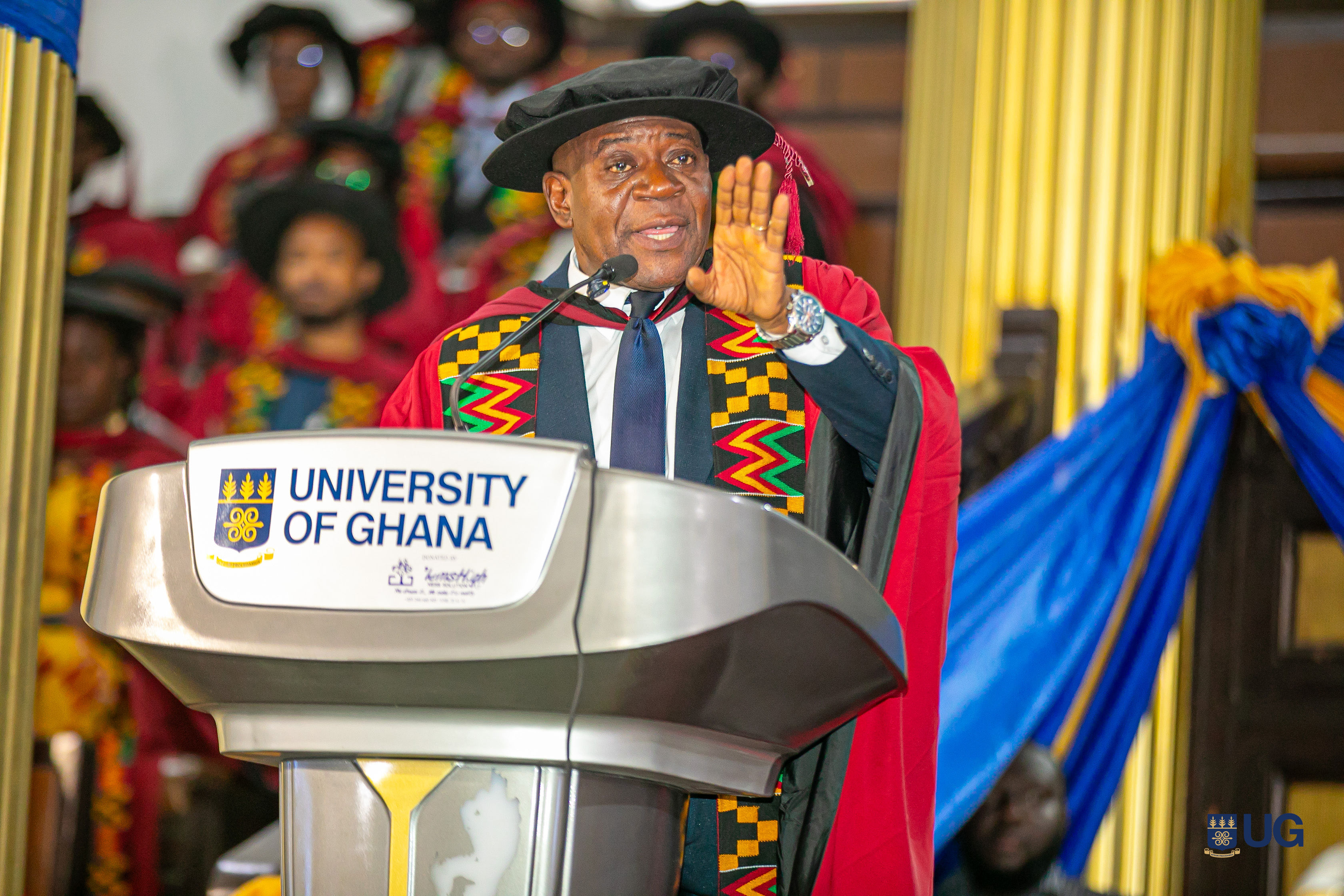
Professor Samuel Nii Ardey Codjoe, Professor of Population Studies at the Regional Institute for Population Studies (RIPS) and Pro Vice-Chancellor for Research, Innovation and Development, has delivered his Inaugural Lecture at the University of Ghana.
The Lecture, titled “Reading the Skies and Healing in the Land: Climate, Indigenous Knowledge and Health”, examined the relationship between climate change, indigenous knowledge and health, drawing on Professor Codjoe’s research in communities across Ghana.
Professor Codjoe said climate change should be understood as a health challenge with social, cultural and economic consequences. He noted that communities experience its effects through changes in temperature, rainfall, flooding and drought, with implications for health and livelihoods.
He explained that indigenous knowledge can provide valuable information on environmental changes, particularly in areas with limited scientific weather data. He said communities have traditionally “read the skies” by observing signs such as the sounds of frogs, the appearance of the moon, movement of birds, changes in the sea, rainbows and the behaviour of ants to anticipate weather and rainfall patterns.
Professor Codjoe called for indigenous knowledge to be considered alongside scientific knowledge in climate adaptation and health interventions.
Presenting findings from studies in Accra and Tamale, he said indoor temperatures in some homes and public facilities were significantly higher than temperatures recorded at conventional meteorological stations. He noted that conventional measurements could under-report the extreme heat experienced by some households.
On flooding, Professor Codjoe said inadequate drainage, waste disposal facilities, construction in flood-prone areas and low coastal elevation contribute to the problem. Research in Glefe, Mpoase and Agbogbloshie also revealed disagreements among stakeholders over the causes of flooding, which he described as a “blame game”.
He recommended greater involvement of traditional and community leaders in flood-risk management and the partial integration of informal institutions into formal metropolitan structures.
Professor Codjoe also examined the effects of climate change on schistosomiasis and cerebrospinal meningitis. He said public perceptions should be considered alongside scientific models because “mathematical models predict; but perceptions decide what people do”.
Drawing on research in Obuom and Kojo Ashong in the Ga District, he explained that rising temperatures can increase swimming in rivers and exposure to contaminated water, while sand-mining pits can provide habitats for disease vectors. He called for disease-control interventions to cover other at-risk groups beyond school children, including farmers, fishers and women.
On cerebrospinal meningitis, he presented findings from the Kassena-Nankana District, where residents linked recent severe heat, dust, drought and declining rainfall with the disease, alongside overcrowding, poor ventilation and dehydration. He also discussed community responses including vaccination, changes in housing, sleeping outdoors, restrictions on mass gatherings, afforestation and preservation of sacred groves.
Professor Codjoe said extreme weather also affects healthcare delivery. He noted that extreme heat, poor ventilation, water shortages and power outages can affect patient care, medicines, vaccines and the work of health professionals. Flooding can damage equipment and medicines, disrupt electricity supplies and isolate communities from healthcare services.
He called for improved ventilation, better drainage, contingency plans for power outages, solar-powered cooling systems and effective early-warning systems for floods and extreme heat. He said such warning systems should be embedded in existing communication structures.
The lecture highlighted interventions arising from his research and community engagement, including community climate change clubs, a 144-metre drain constructed in Agbogbloshie, waste disposal facilities in James Town, a fish-smoking facility in Sempe and a shed for fishmongers in Ussher Town.
In his conclusion, Professor Codjoe said integrating scientific knowledge with local understandings could strengthen health systems, improve adaptation strategies and build resilient communities in Ghana and across Africa.
As part of his commitment to faculty and his vision as Pro Vice-Chancellor for Research, Innovation and Development, Professor Codjoe announced plans to extend the Pen Ceremony, which he introduced during his tenure as Provost of the College of Education, to other colleges to celebrate academics promoted to the rank of Associate Professor. He said the initiative would help recognise academic achievement and sustain a culture of celebrating faculty milestones.
He also pledged to sponsor additional LED screens at the Great Hall for future inaugural lectures across the University.
In her remarks, the Vice-Chancellor, Professor Nana Aba Appiah Amfo, commended Professor Codjoe for his scholarship, research, mentorship and service to the University. She congratulated him on his assumption of office as Pro Vice-Chancellor for Research, Innovation and Development and wished him success in the role.
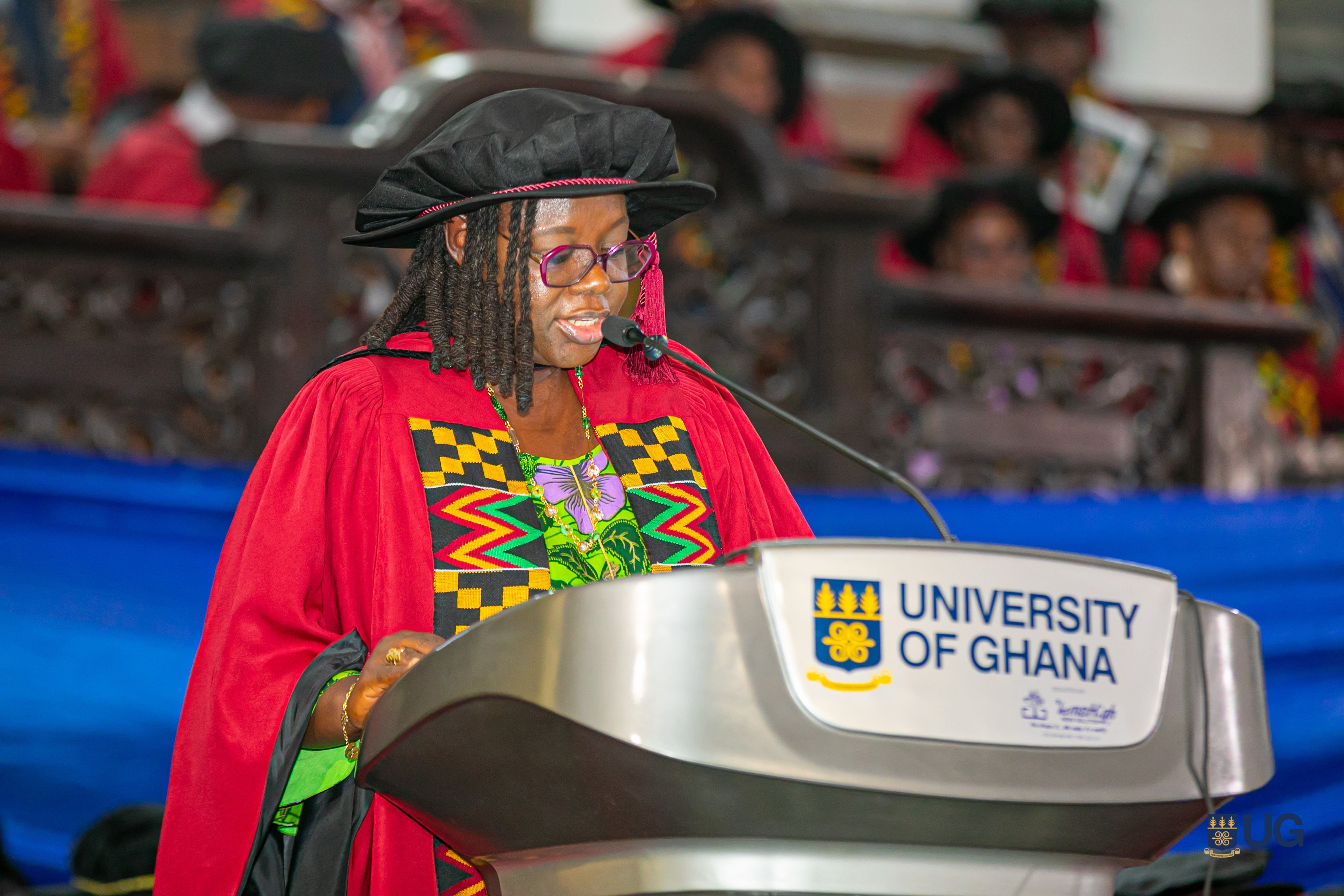
The Vice-Chancellor highlighted the relevance of the lecture to contemporary climate challenges and the importance of indigenous knowledge in climate adaptation and health.
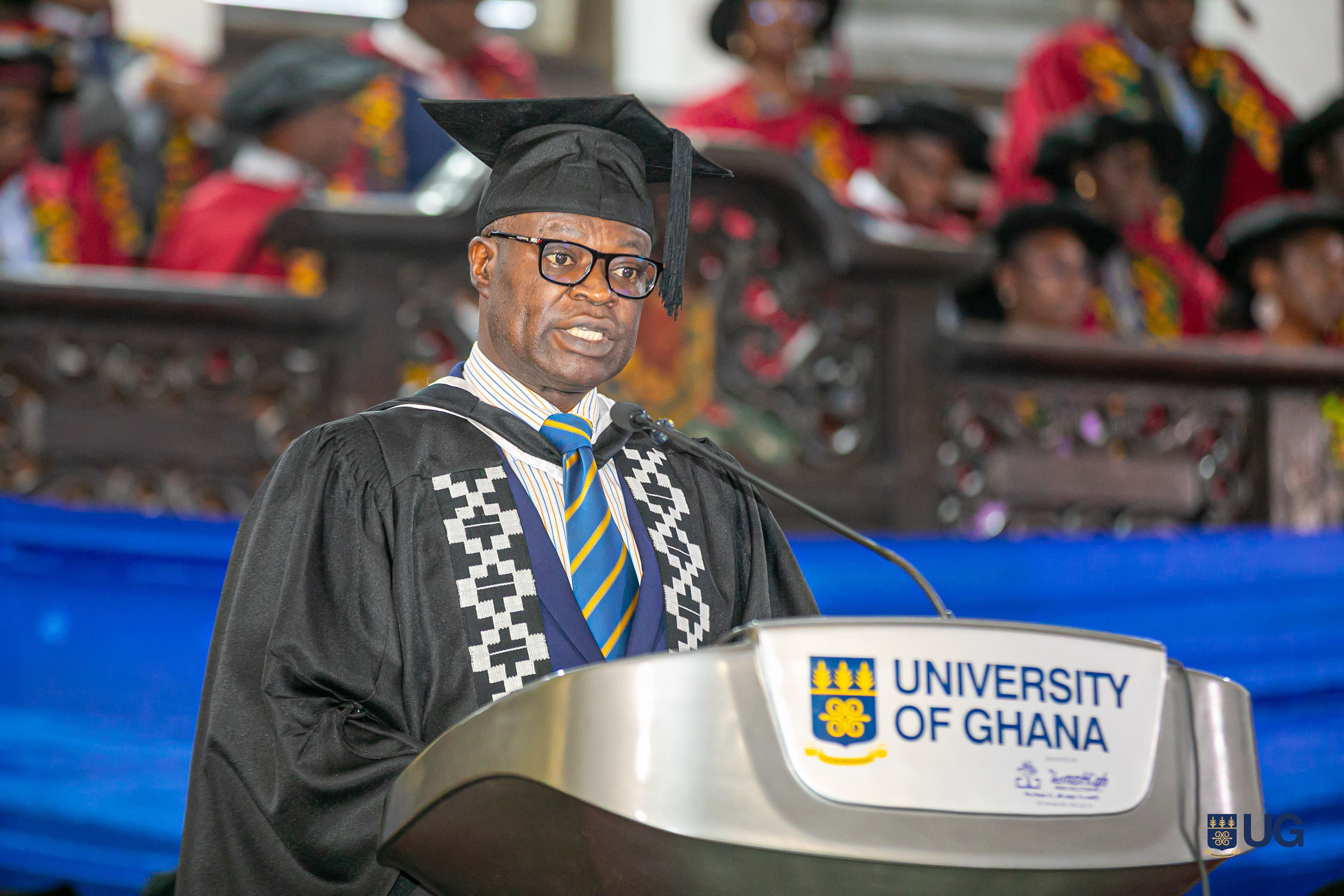
The Registrar, Mr. Michael Opare Atuah, described Inaugural Lectures as an important University tradition that honours academics who have attained distinction in scholarship and contributed to knowledge. He congratulated Professor Codjoe and recognised his contributions to research, mentorship and academic leadership.
Professor Codjoe joined the University of Ghana in 2004 and became a Professor in 2015. He is the immediate past Provost of the College of Education and has held several academic and leadership positions at the University and beyond. His research covers climate change, population dynamics, migration, health, food security and sustainable development.
A week-long exhibition of Professor Codjoe’s scholarly works was also held at the Balme Library as part of activities marking the inaugural lecture.
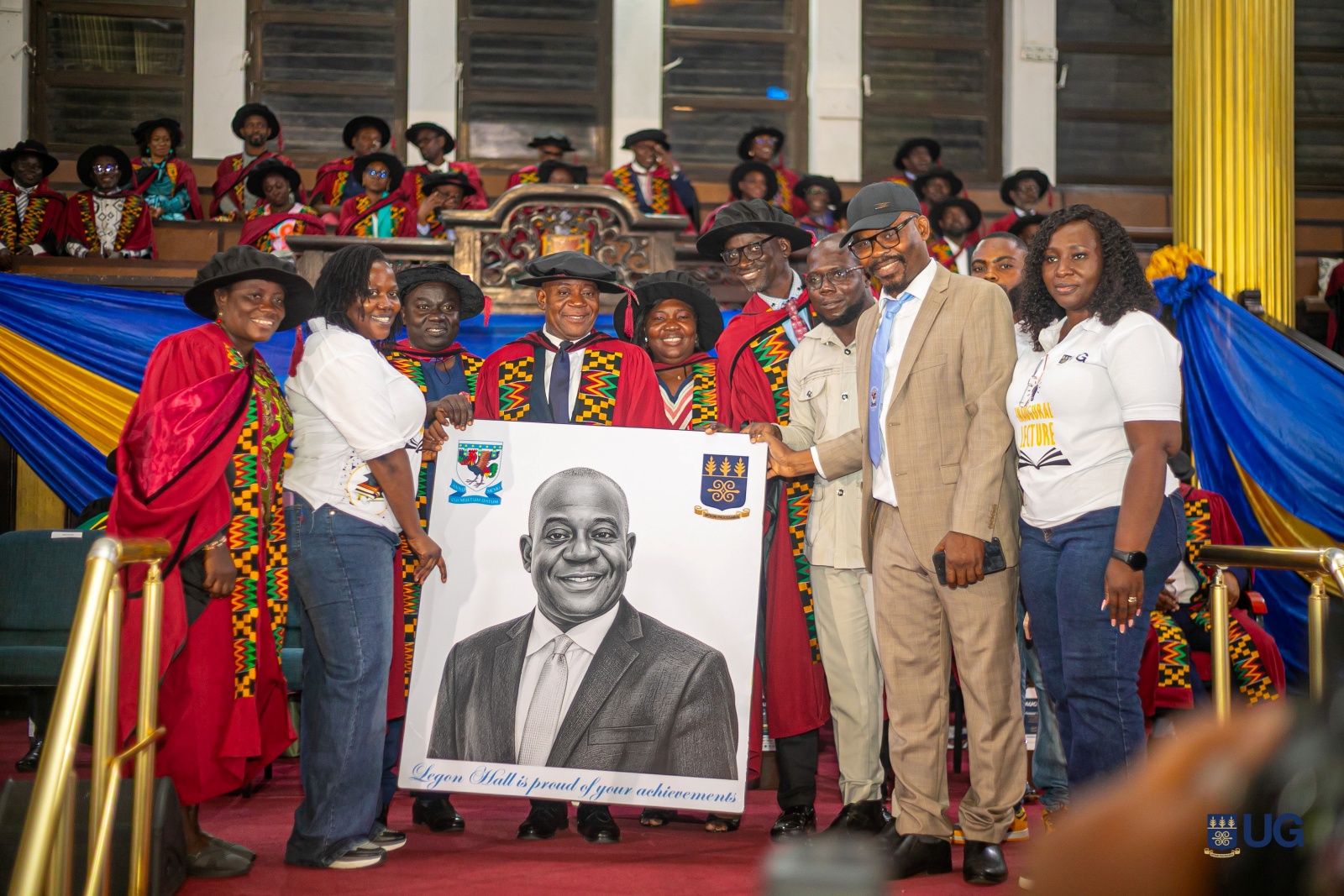
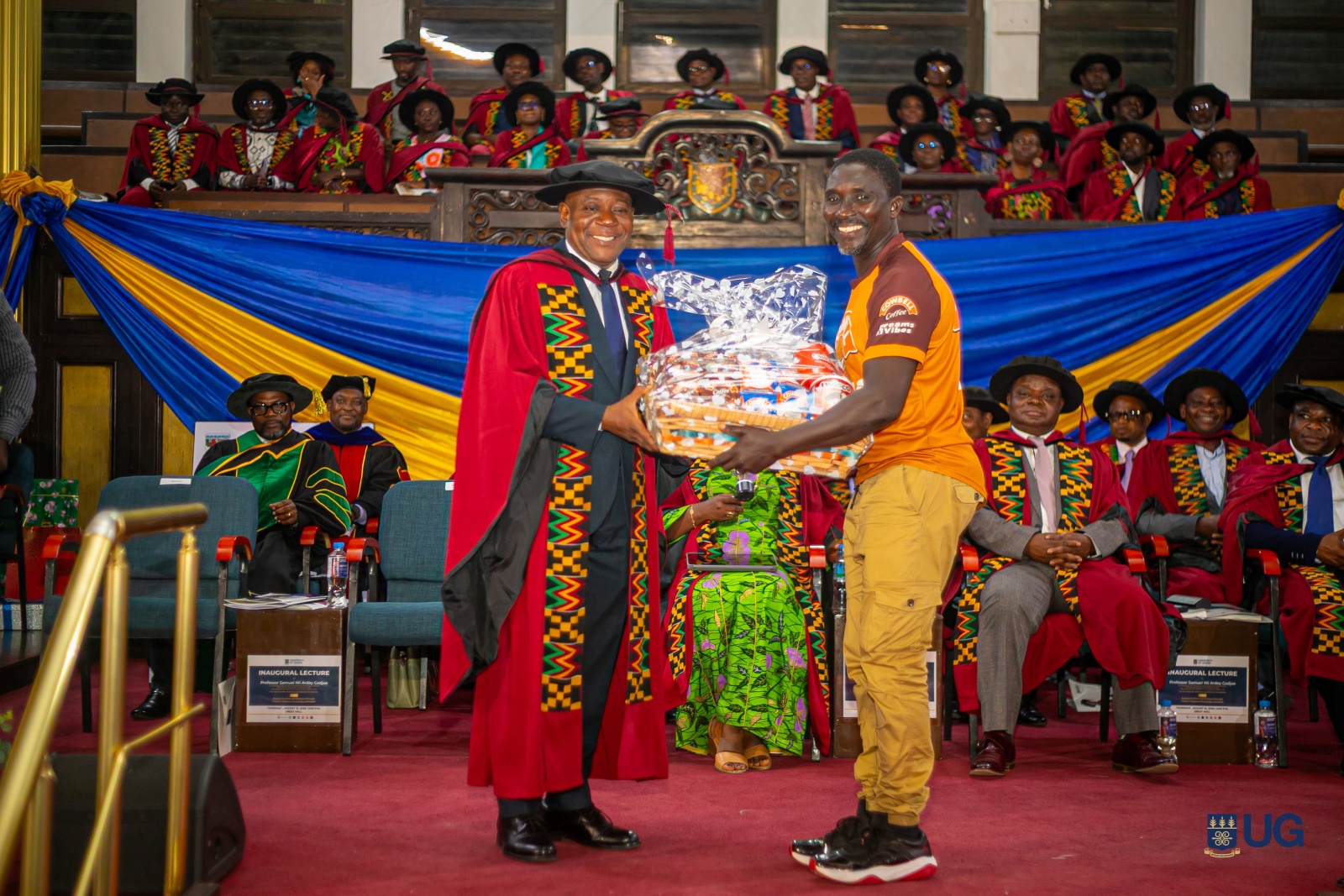
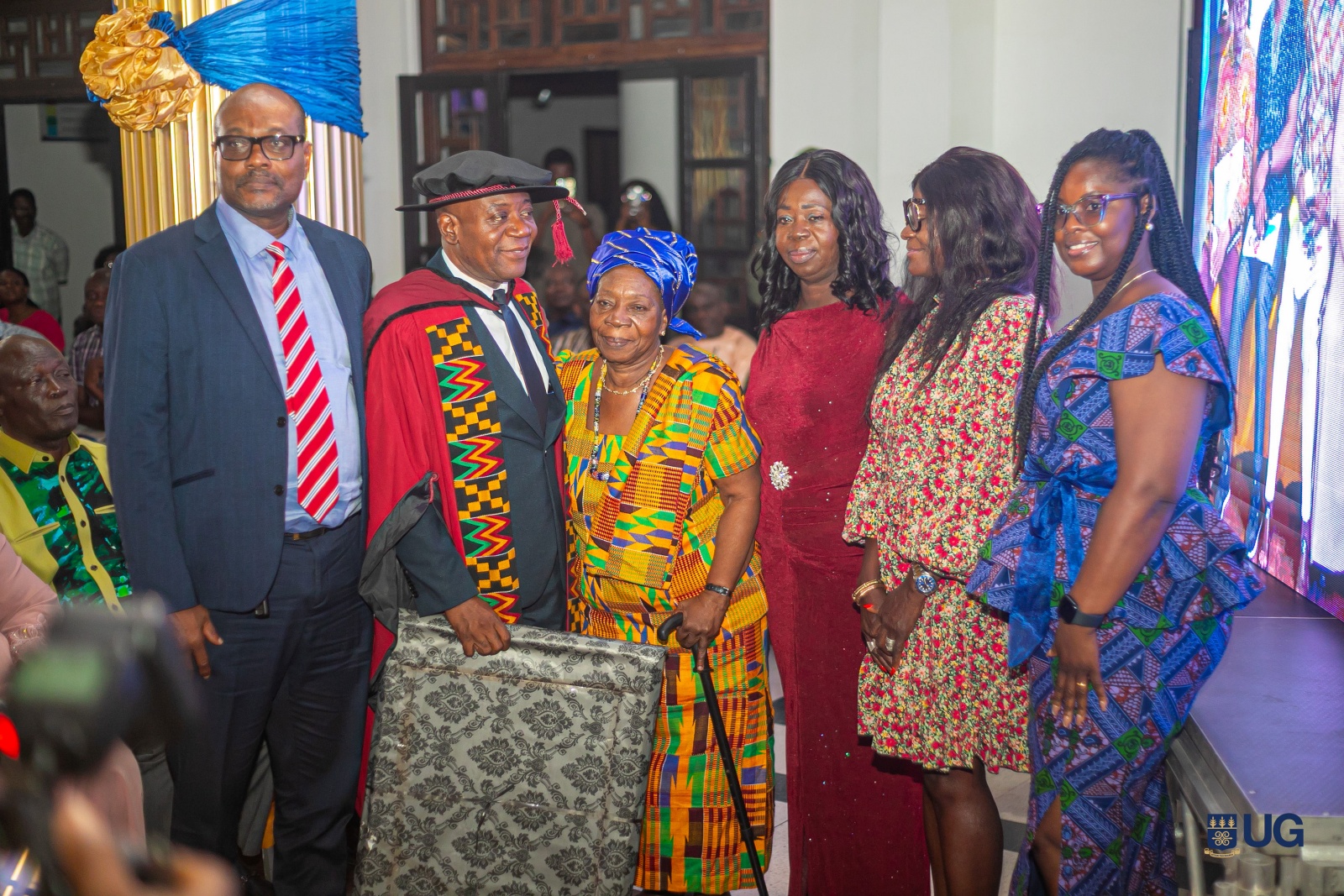
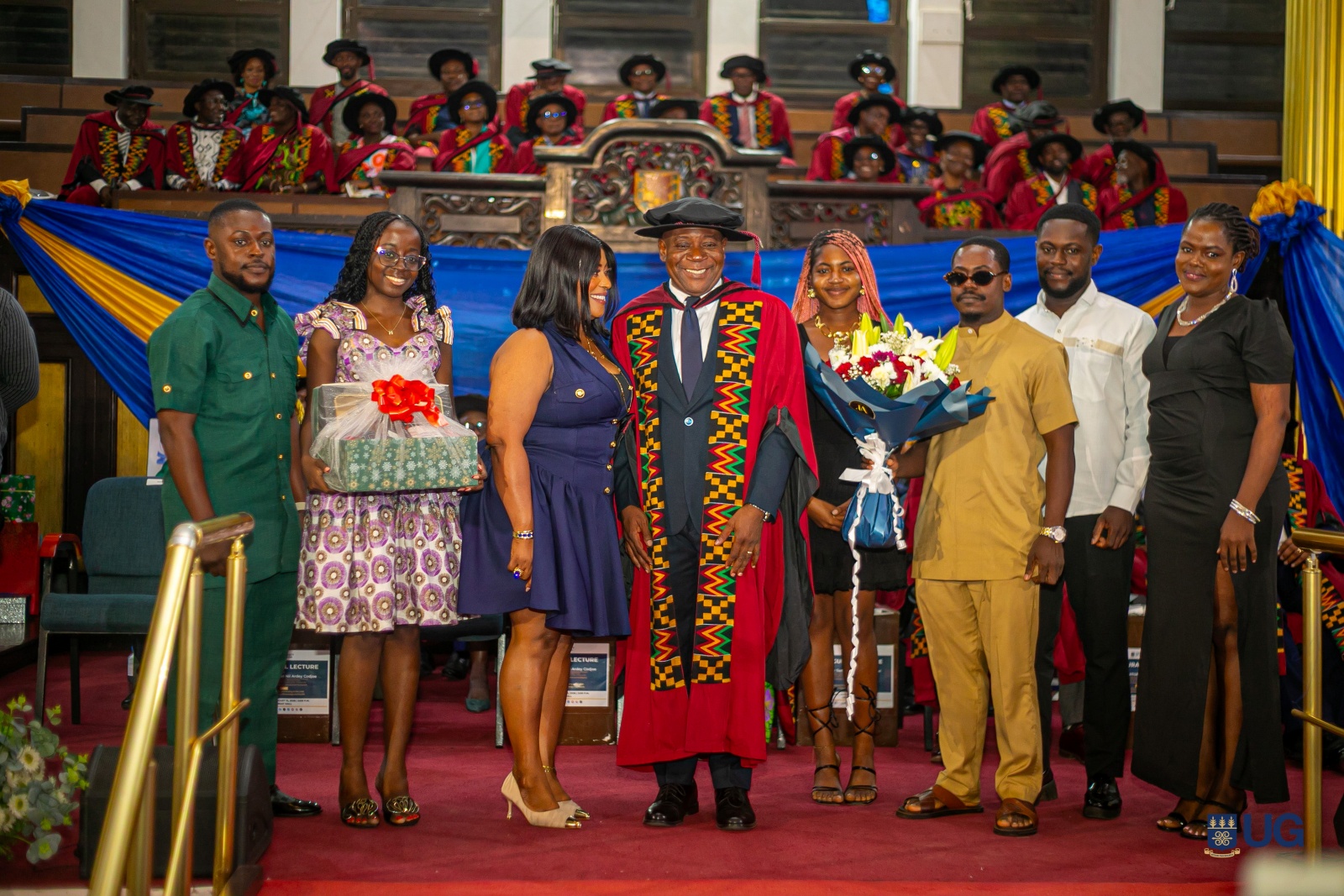
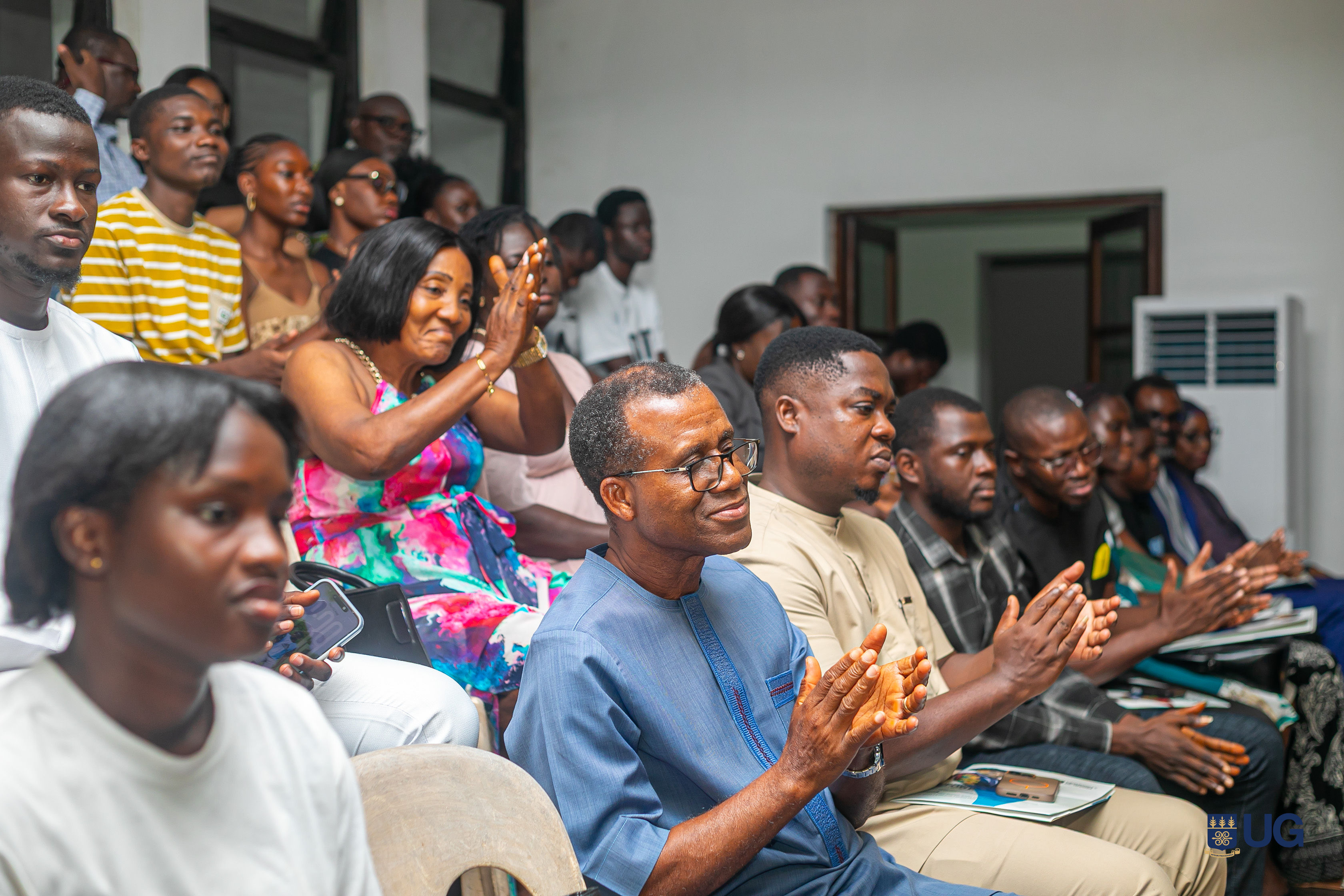
The lecture attracted guests from academia, industry, government, the diplomatic community, students, alumni, family and friends. Various University units and departments, family members and Promasidor Ghana also presented gifts to Professor Codjoe in recognition of his academic and professional contributions.