Prof. Nana Aba Appiah Amfo Calls for African Languages and Knowledge Systems to Shape the Future of AI at University of Warwick’s Distinguished Africa Lecture 2026
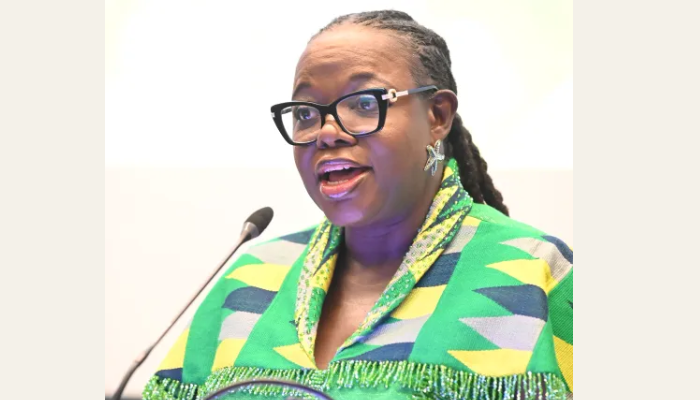
Vice-Chancellor of the University of Ghana, Prof. Nana Aba Appiah Amfo, has delivered a compelling call for African languages and indigenous knowledge systems to play a central role in the development of Artificial Intelligence (AI), arguing that meaningful technological advancement must reflect the linguistic and cultural realities of the societies it seeks to serve.
Speaking at the University of Warwick’s Distinguished Africa Lecture 2026, Prof. Amfo delivered a lecture titled, “Whose Language Counts? African Voices, Knowledge Systems, and the Future of AI,” where she examined the implications of language exclusion in emerging technologies and challenged prevailing assumptions about whose knowledge is represented in AI systems.
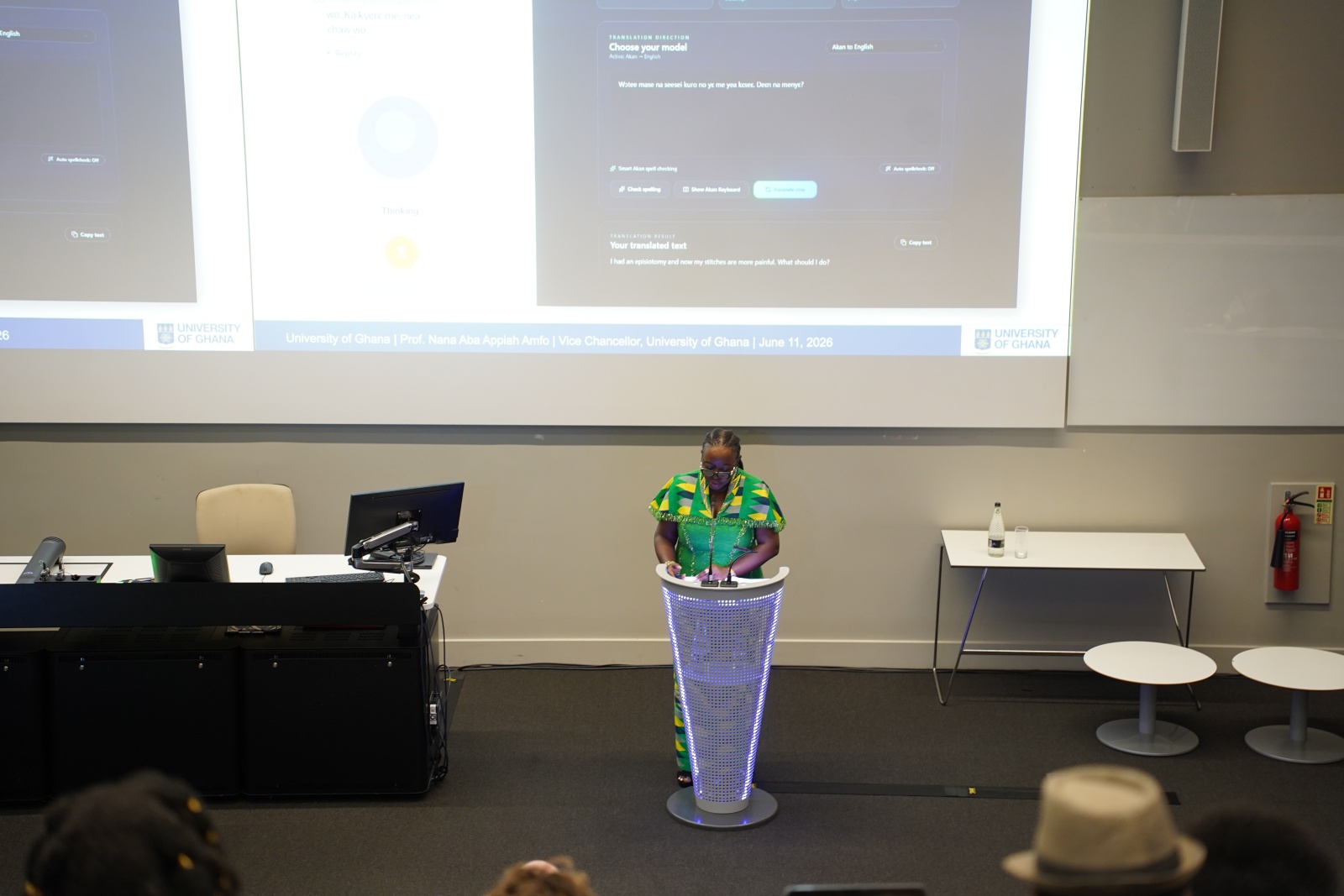
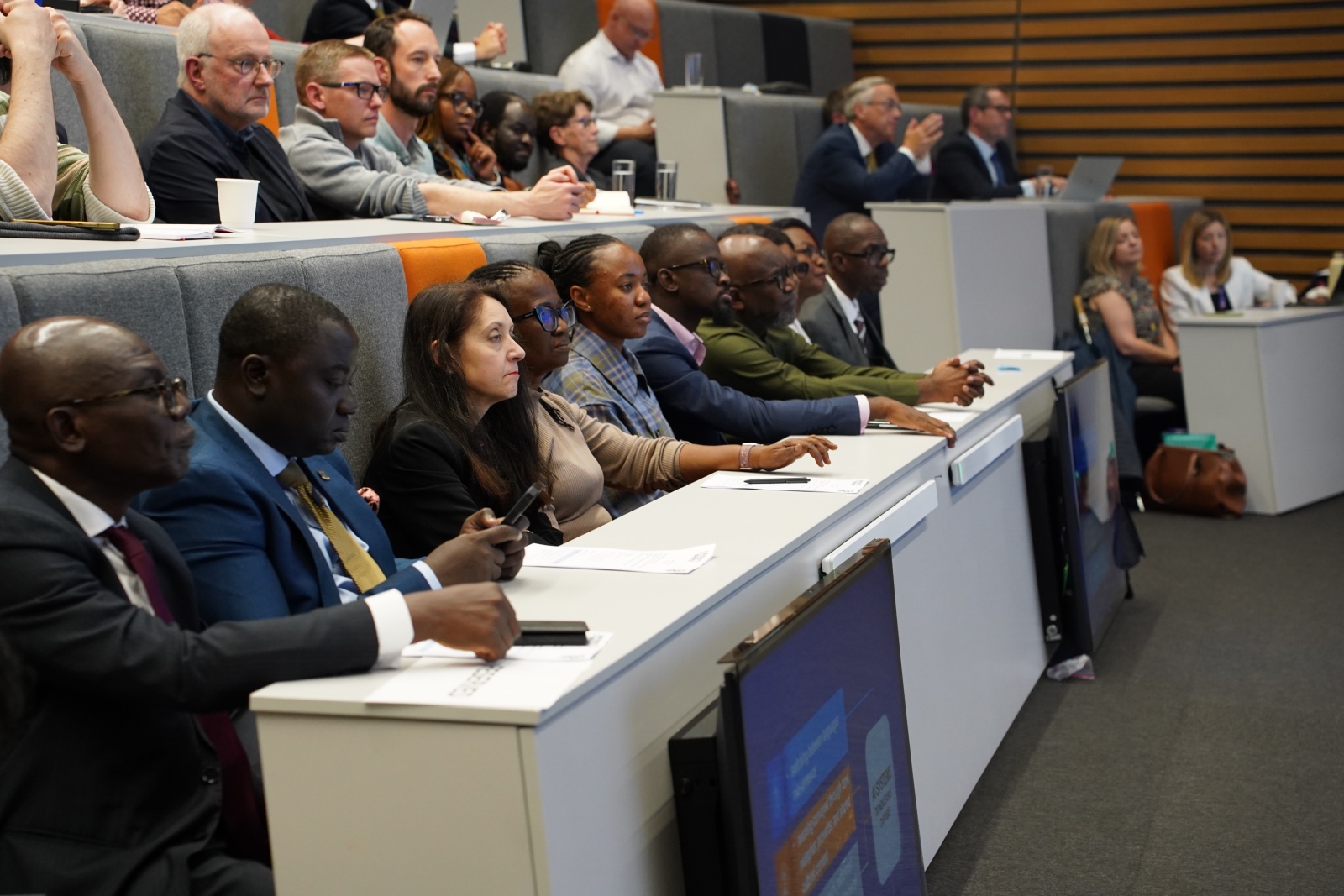
Addressing academics, students, researchers and development partners, Prof. Amfo noted that while AI is increasingly shaping how societies communicate, learn and access information, the technologies underpinning these systems continue to rely heavily on dominant global languages, leaving many African languages and knowledge traditions underrepresented.
She described language as more than a communication tool, emphasising its role as a repository of culture, history, values and identity. According to her, the absence of African languages from digital ecosystems is not merely a technical limitation but a matter of representation and inclusion.
“When a language is absent from the digital corpus, it is not merely a translation problem. It is a visibility problem. It is a knowledge problem. And ultimately, it becomes a question of justice,” she stated.
Drawing on Ghana's multilingual reality, Prof. Amfo illustrated how language serves as a vehicle for social connection, emotional expression and the transmission of indigenous knowledge. She argued that Africa's linguistic diversity should be viewed as an asset capable of enriching global AI systems rather than as a barrier to technological progress.
The Vice-Chancellor further explored how historical and institutional structures have often privileged certain forms of knowledge while marginalising indigenous perspectives. She cautioned that because AI systems learn from available data, existing inequalities in knowledge representation risk being reproduced within digital technologies.
Prof. Amfo welcomed Ghana's recently launched National Artificial Intelligence Strategy and the University of Ghana's AI Policy, describing both as important steps towards promoting responsible, inclusive and contextually relevant AI development.
She highlighted a growing movement of African-led AI initiatives that are working to address language and representation gaps through the development of multilingual datasets, natural language processing tools and locally relevant AI applications.
Among the initiatives cited were Masakhane, Deep Learning Indaba, African Next Voices and Lelapa AI, which are collectively contributing to the growth of an African-centered AI ecosystem.
The Vice-Chancellor also underscored the critical role universities must play in shaping AI futures through interdisciplinary research, innovation and policy engagement. She noted that institutions such as the University of Ghana are uniquely positioned to bridge the worlds of technology, language, culture and society.
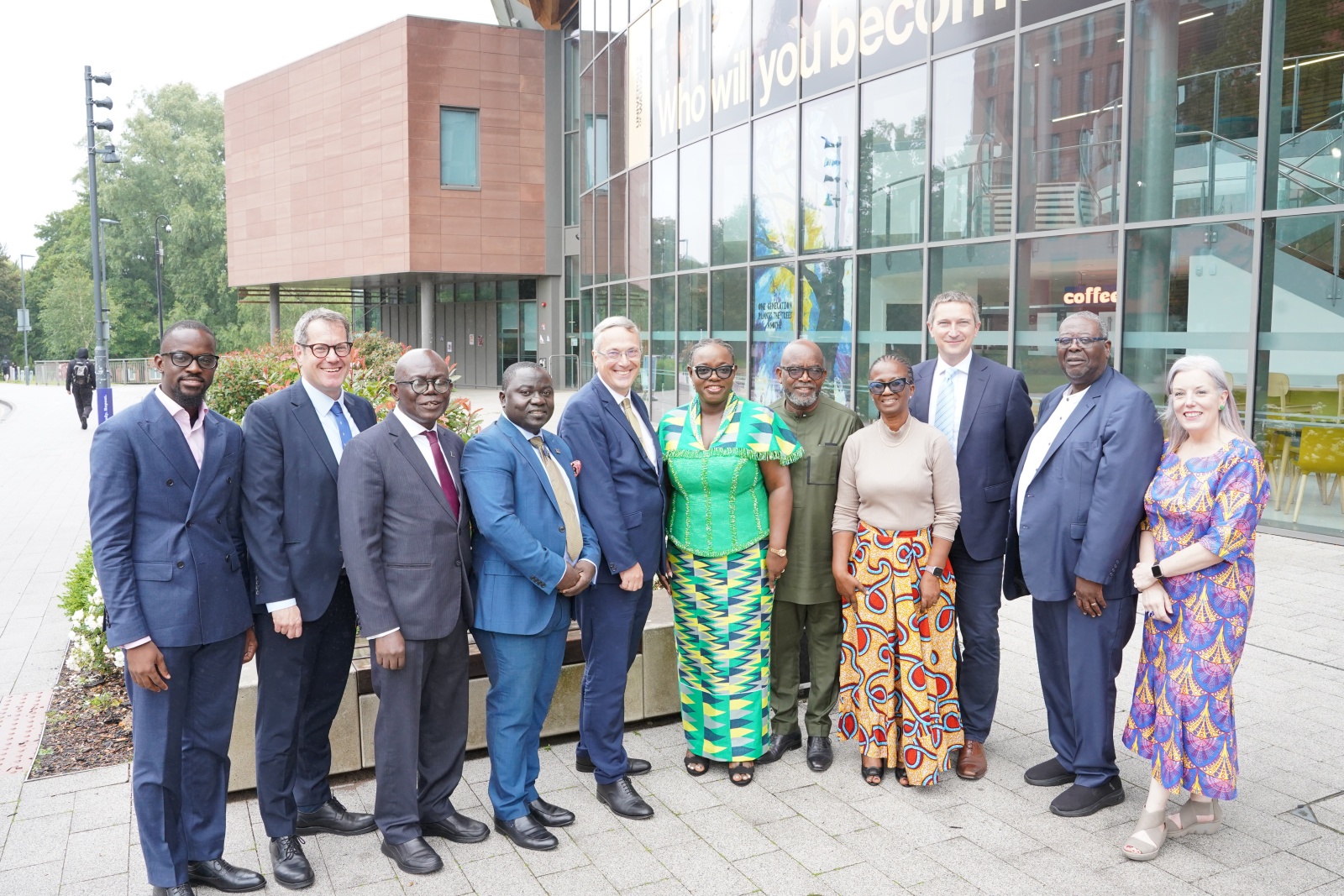
Looking ahead, Prof. Amfo called for sustained investments in language technologies, digital infrastructure, research capacity and data sovereignty to ensure that Africa becomes an active contributor to global AI development rather than merely a consumer of technologies created elsewhere.
She added, “Every language counts. Every knowledge system matters. And our shared task is to ensure that the intelligent systems we build reflect the richness of the world we inhabit.”
Click on the link below to watch the recorded lecture
Photo Credit: University of Warwick & Manuel Koranteng