New Africa-Led and UG-Hosted Agriculture, Nutrition and Health Collaborative Launched to Drive Evidence-Based Food Systems Reform
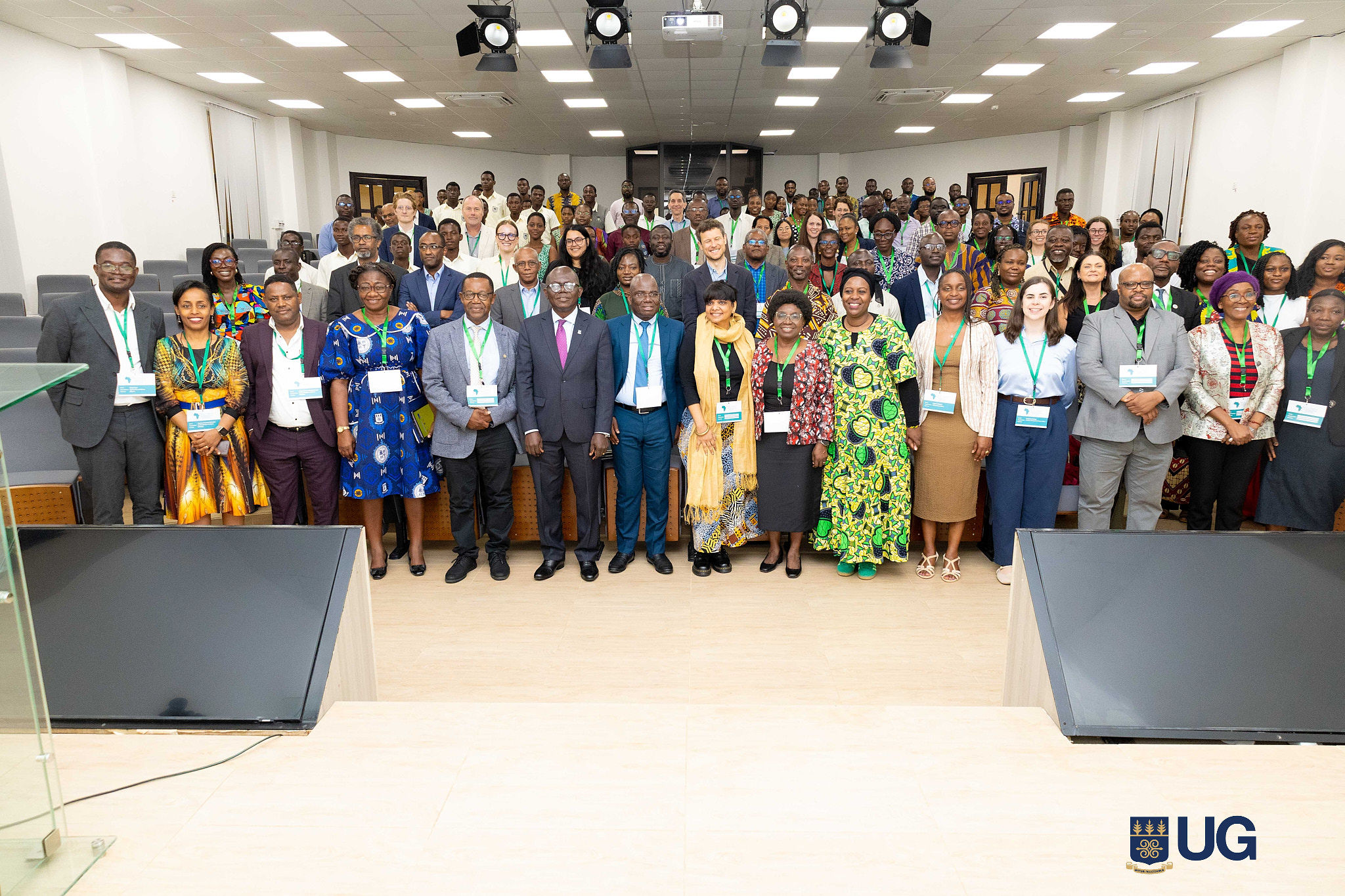
A new Africa-led and UG-hosted agriculture, nutrition and health collaborative has been launched to advance evidence-based food systems reform across the continent.
Dubbed the Africa Regional Collaborative for Agriculture, Nutrition and Health (ANH-ARC), the initiative brings together leading African institutions, including the University of Ghana, the Policy Studies Institute in Ethiopia and Stellenbosch University in South Africa, positioning Africa at the forefront of integrated solutions to food systems, nutrition and health challenges.
The Collaborative serves as the African node of the global ANH Academy Science Policy Platform, connecting regional institutions to a network of over 13,000 researchers, practitioners and policymakers working to strengthen the use of evidence in shaping food systems outcomes, with the University of Ghana hosting the Secretariat.
Speaking at the launch event held at the West African Genetic Medicine Centre (WAGMC) Auditorium, the Pro Vice-Chancellor for Research, Innovation and Development (RID) at the University, Prof. Felix Ankomah Asante, representing the Vice-Chancellor, delivered the Chairperson’s remarks, describing the initiative as a decisive step toward a coordinated, evidence-driven, Africa-led approach to transforming food systems.
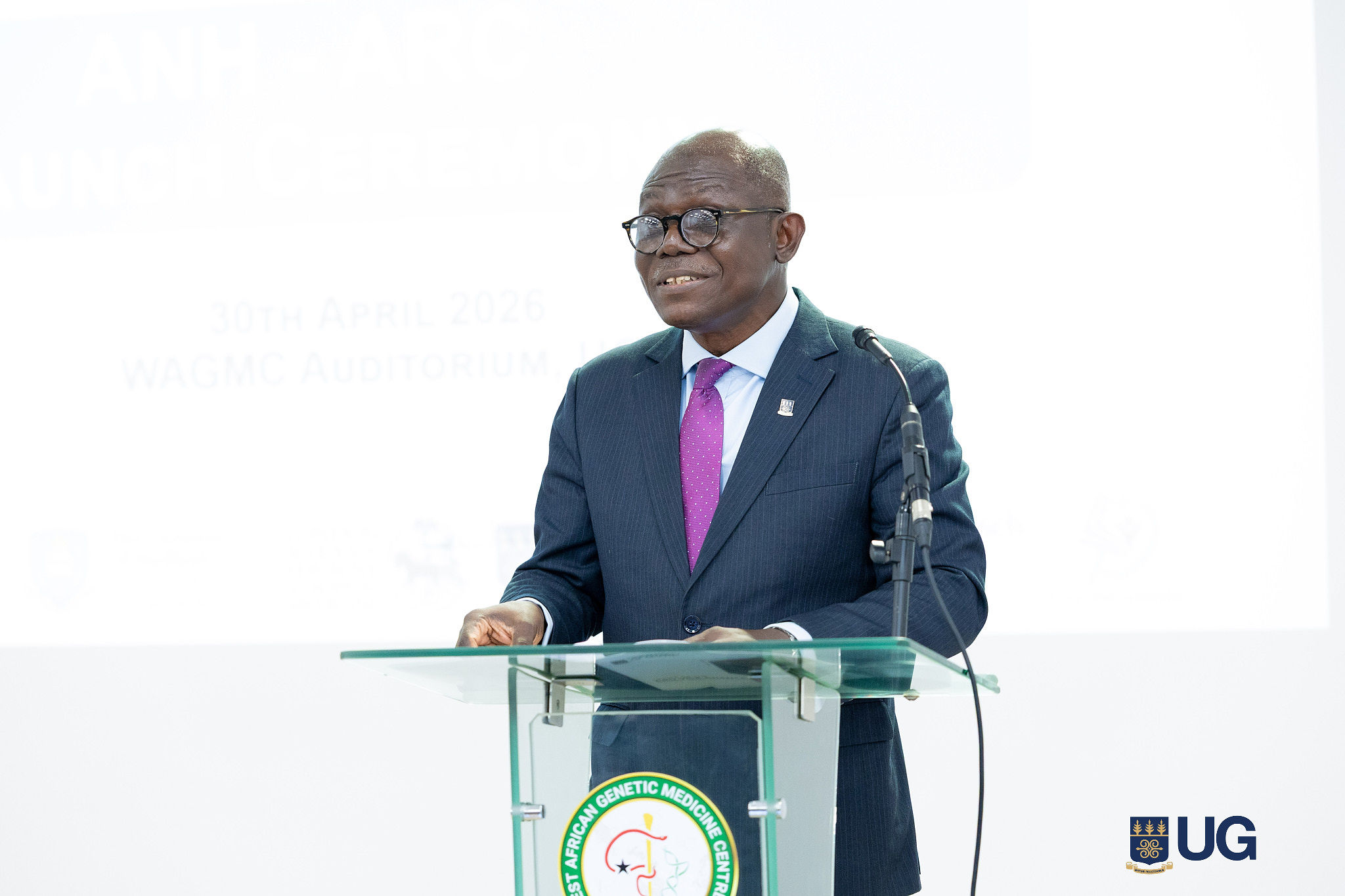
Prof. Asante pointed to the disconnect between agricultural production and access to affordable, nutritious diets, noting that climate change, urbanisation and rising food prices continue to deepen vulnerabilities across the continent and that fragmented policy and institutional responses limit impact.
The Pro Vice-Chancellor (RID) added that the Collaborative provides a platform to align research, policy and investment, moving beyond silos toward integrated, practical solutions grounded in African realities and capable of improving diets, livelihoods and health outcomes.
Providing the project overview, Prof. Amos Laar, of the School of Public Health and Project Lead for Ghana under ANH-ARC, outlined the vision, rationale and implementation approach of the initiative. He explained that the Collaborative is structured as a regional engine for evidence generation and translation, ensuring that research directly informs policy and investment decisions.
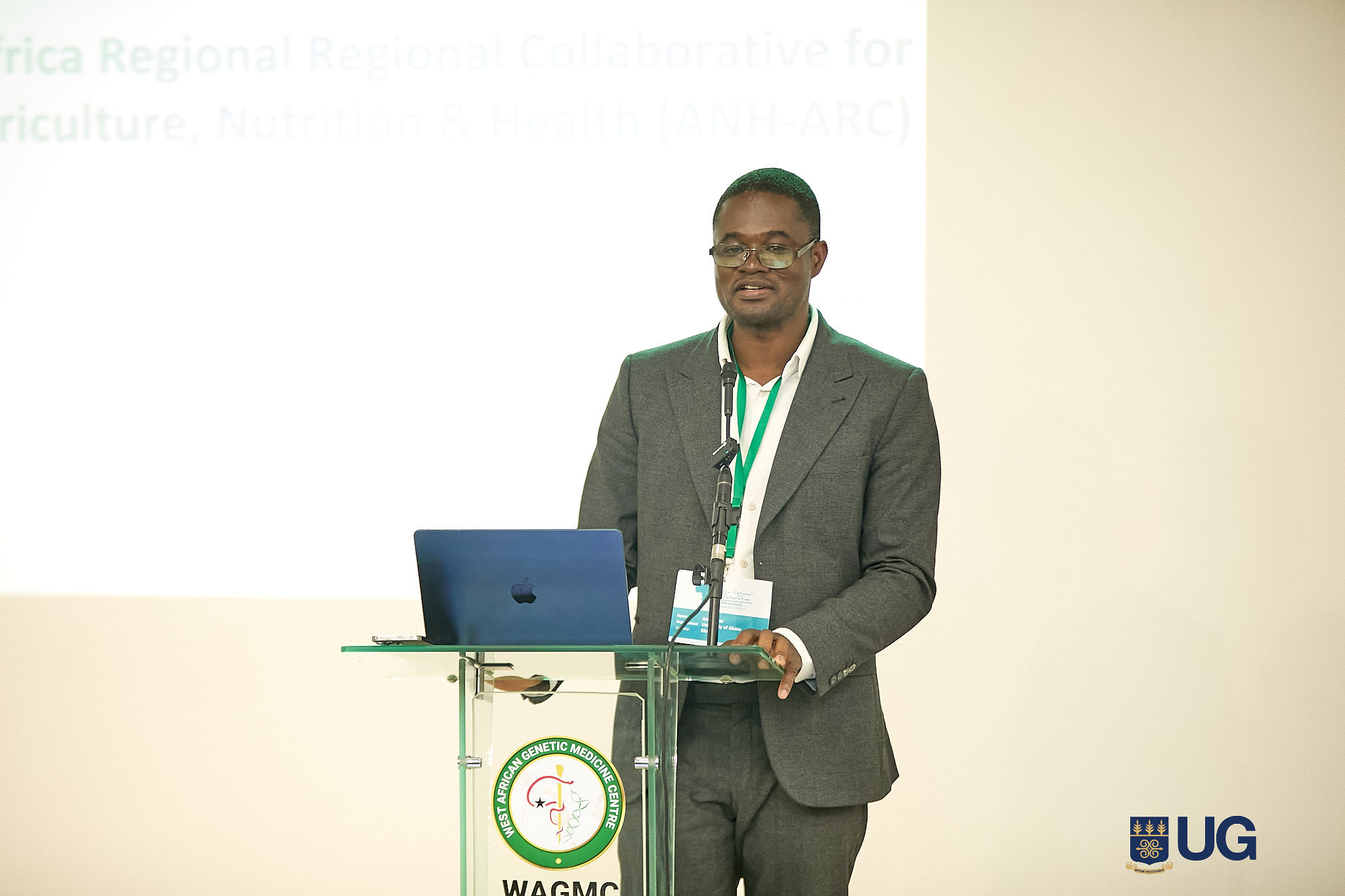
Prof. Laar noted that implementation will begin with joint mapping and synthesis of existing evidence to identify real gaps, with new research undertaken only where necessary and guided by policy demand. He added that analytical approaches will incorporate gender equity and climate resilience to ensure inclusive and context-relevant outcomes.
The Ghana PI indicated that thematic areas will focus on food environments, diet quality and health in Ghana, Ethiopia and South Africa; the economics and financing of food systems across countries, including Tanzania and Zambia and the political economy of just transitions within agrifood systems in Southern Africa and Ethiopia, alongside plans to establish a food systems governance learning centre.
Prof. Laar called for support in developing the project to ensure it delivers on its mandate.
Delivering the first keynote address, Prof. Anna Lartey, Professor of Nutrition, examined how consumer behaviour, market dynamics and structural factors shape food systems, diets and health outcomes.
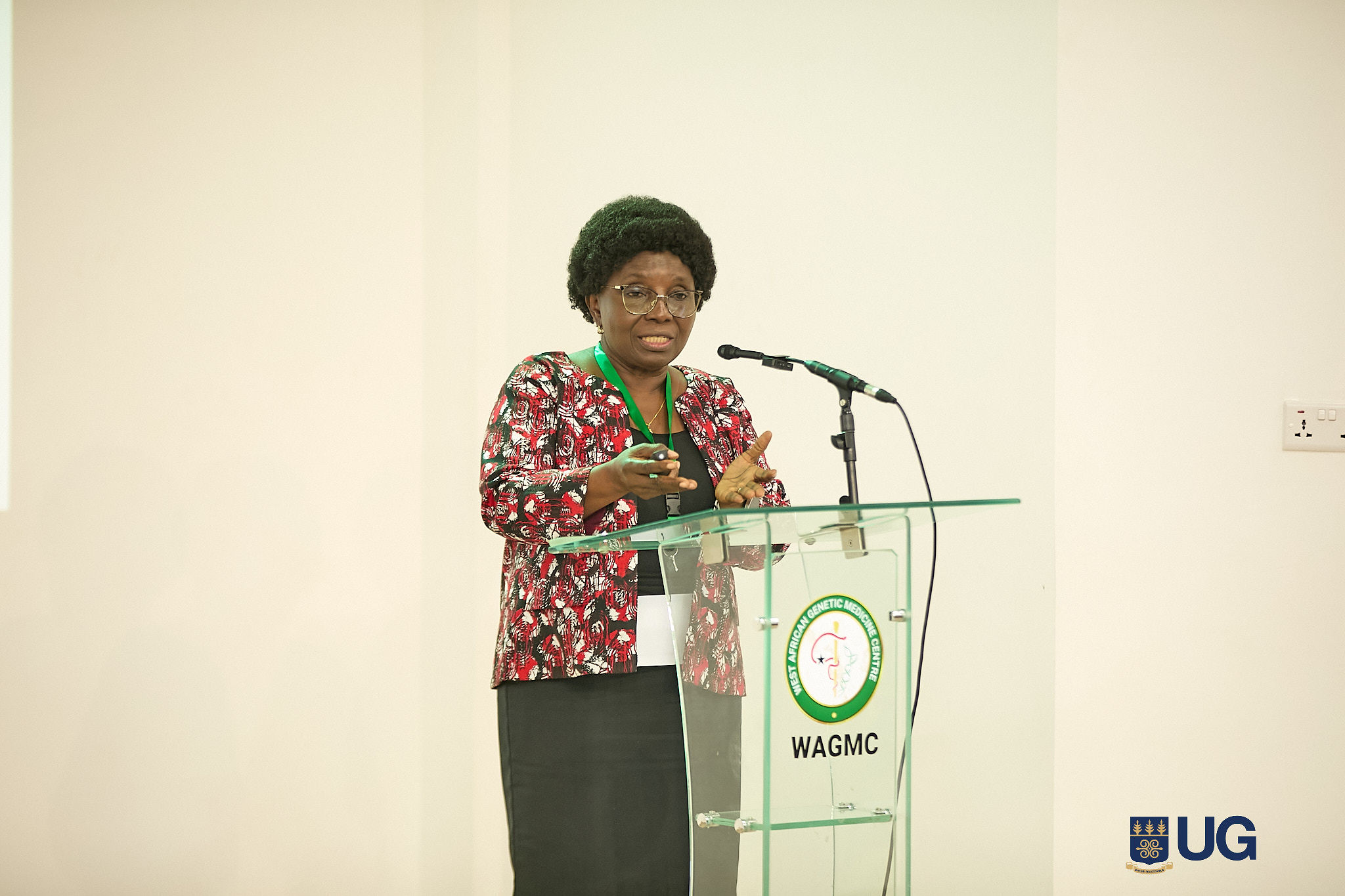
She noted that while agriculture remains central to Africa’s socio-economic development, persistent gaps continue to drive malnutrition, food insecurity and health challenges and called for stronger integration of data, policy and political action.
Referencing global commitments such as the UN Food Systems Summit, she highlighted the need to ensure access to safe and nutritious food, while drawing attention to the role of regional trade and policy coherence in transforming agrifood systems.
Providing the second keynote and policy perspective, Hon. Neema Lugangira, Secretary General of Women Political Leaders (WPL) and a Tanzanian Member of Parliament, highlighted the importance of translating evidence into actionable policy. Hon. Lugangira drew attention to the role of political leadership, governance systems and regional collaboration in driving agrifood systems transformation across the continent. She was hopeful that the project would receive the necessary backing to achieve successful implementation across the continent.
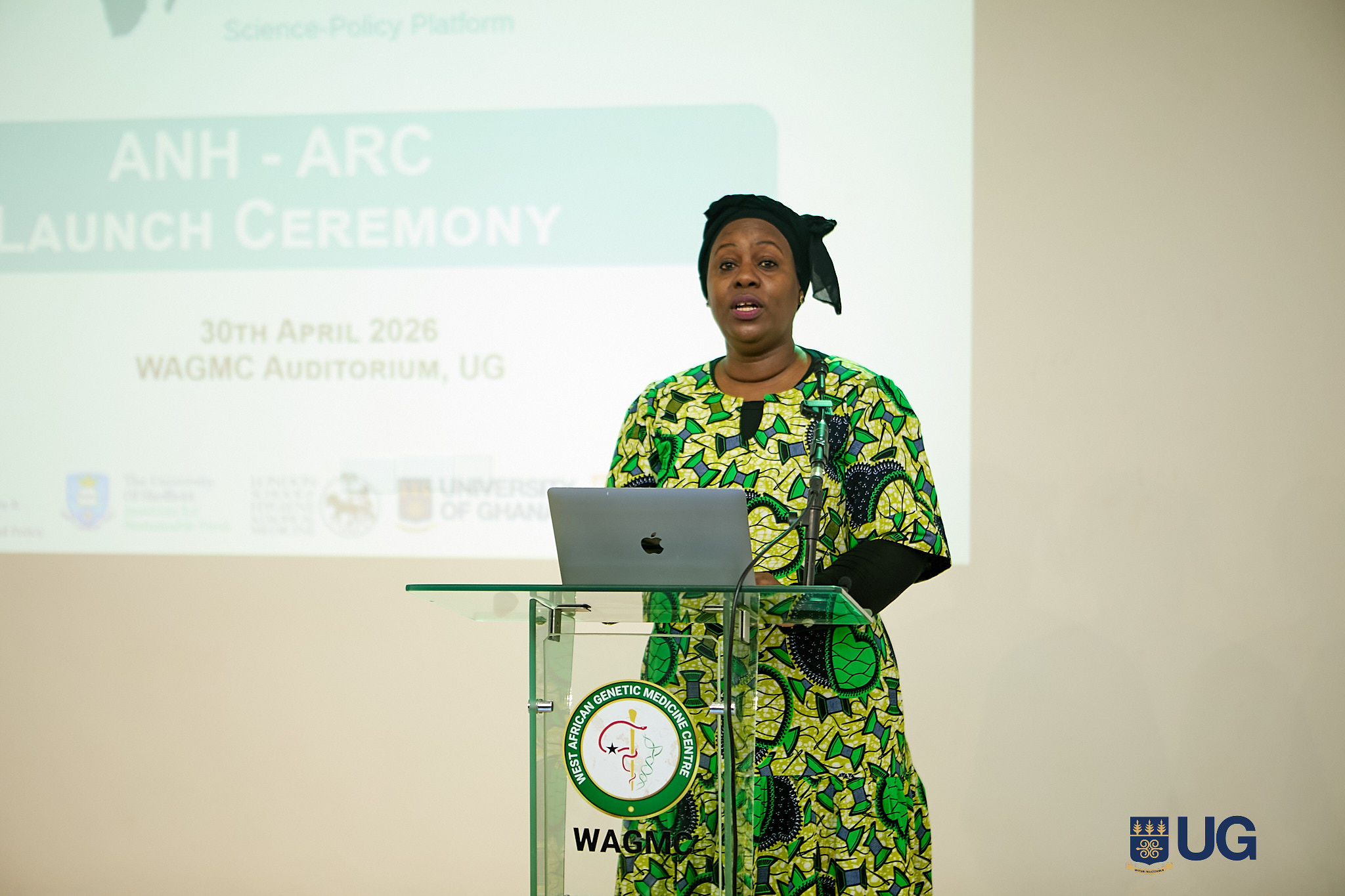
The project was officially launched by Madam Paulina Addy, Director of Women in Agriculture and Development at Ghana’s Ministry of Food and Agriculture, representing the Minister, who called for strong collaboration to ensure that the initiative delivers measurable benefits, particularly for women and vulnerable populations within food systems.
Representatives from African and international partner organisations delivered solidarity messages, describing the Collaborative as a deliberate effort to reshape policy formulation and implementation through Africa-led, partnership-driven approaches grounded in local realities and focused on translating knowledge into action.
On behalf of the University, Dr. Elizier T. Ameyaw-Buronyah, Director of Public Affairs, reaffirmed the institution’s commitment to the initiative, noting its alignment with the University of Ghana’s Strategic Plan (2024-2029), particularly its focus on impactful research, partnerships and policy engagement.
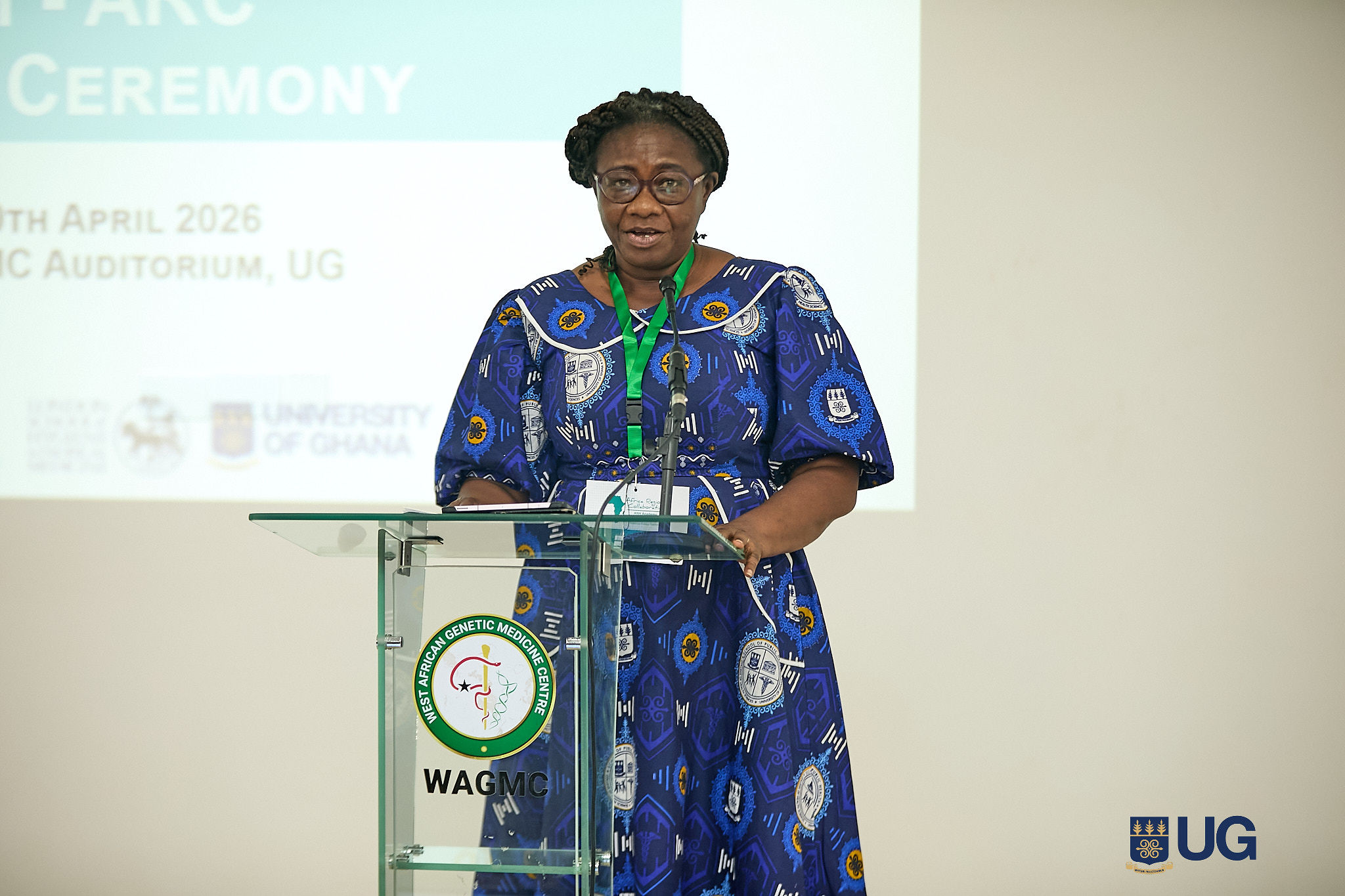
She indicated that the Public Affairs Directorate will support the Collaborative through strategic communication, stakeholder engagement and amplification of research outputs to enhance visibility and impact.
Angela Kimani, representing the Gates Foundation Africa Regional Office, described the initiative as timely in the face of growing pressure on African food systems, noting that support will focus on advancing Africa-led policy, financing and investment solutions, coordinating local knowledge and strengthening resilience and gender equity.
From the farmers’ perspective, Dr. Babafemi Oyewole, President of the Pan African Farmers Organisation, welcomed the initiative as a critical step toward bridging the gap between policy and farmer realities. He indicated that the organisation stands ready to support mobilisation and co-creation efforts, while calling for sustained investment in farmer training and capacity building.
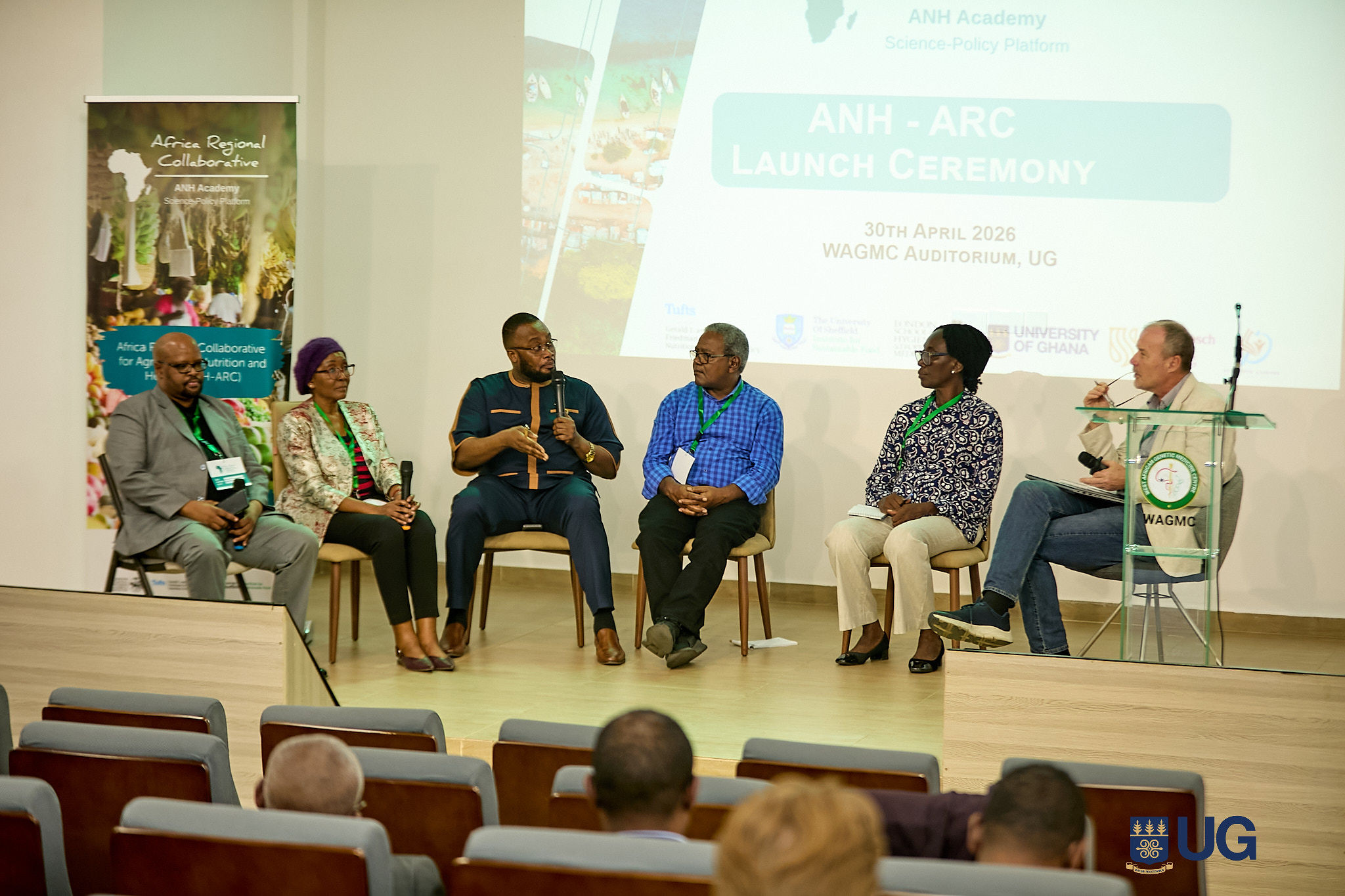
A panel session that explored pathways for translating evidence into policy and practice was moderated by Peter Delobelle and featured Anthony K. S. Morrison, Chief Executive Officer of the Ghana Chamber of Agribusiness; Mervyn Abrahams of the Pietermaritzburg Economic Justice and Dignity Group, representing SADC and Madam Paulina Addy, Director of Women in Agriculture and Development at the Ministry of Food and Agriculture, among others.
Discussions focused on strengthening coordination, improving the affordability of nutritious foods and aligning policy frameworks with the realities of food systems across the continent.
The ANH-ARC is designed to deliver a coherent, end-to-end programme that moves from evidence generation to policy action, integrating analysis, financing, governance and implementation support to ensure that food systems policies are evidence-informed, feasible, scalable and responsive to Africa’s diverse contexts.
Key deliverables include the design and reform of evidence-informed policies that are scalable for adoption and effective implementation, stronger science-policy interfaces and the development of practical tools and frameworks to support governments.
The initiative will also strengthen regional collaboration and learning systems, facilitate increased access to affordable, nutritious and sustainable diets, and promote more equitable, gender-responsive and climate-resilient food systems.
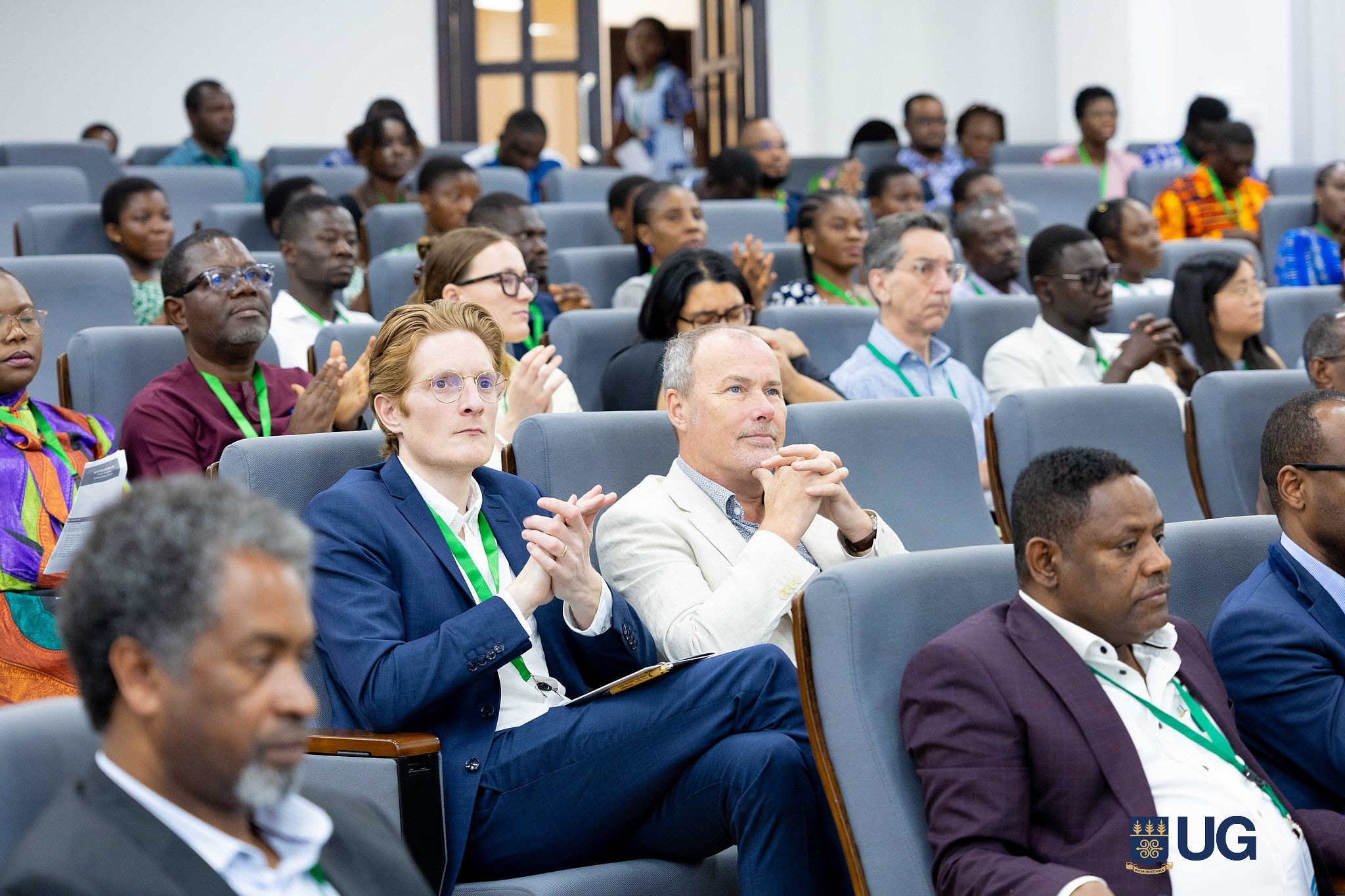
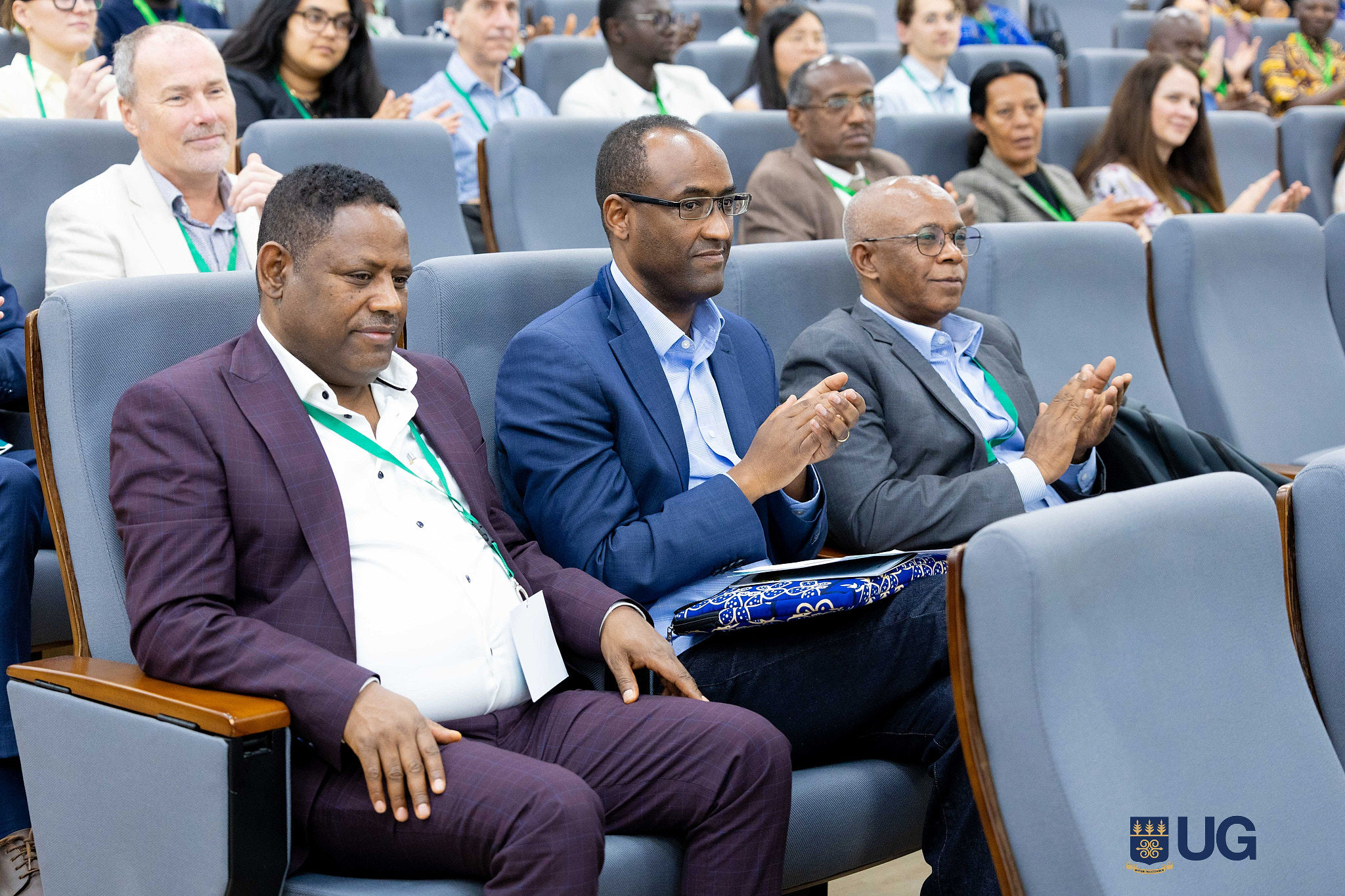
The launch brought together stakeholders from academia, government, civil society, farmer organisations and international partners across Africa, Europe and North America, reinforcing the need for sustained collaboration, bold policy action and a firm commitment to translating evidence into practical outcomes.
Through its research capacity, convening power and strategic partnerships, the University of Ghana is positioned to play a central role in advancing evidence-based food systems reform and supporting sustainable, inclusive and resilient food systems across Africa.