AHA-EHURA Mentorship Workshop Equips Early-Career African Scholars to Shape the Future of Humanities Research
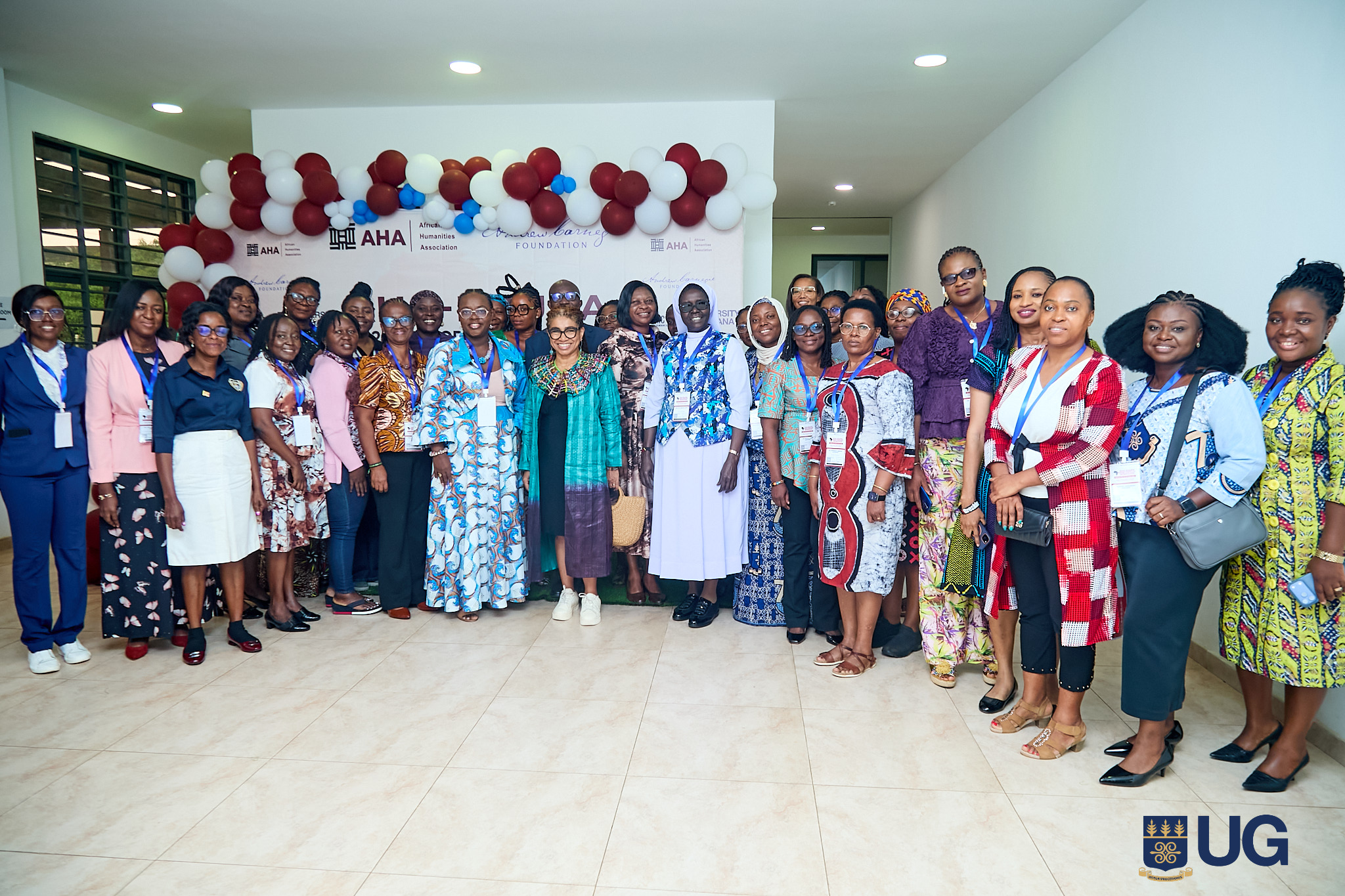
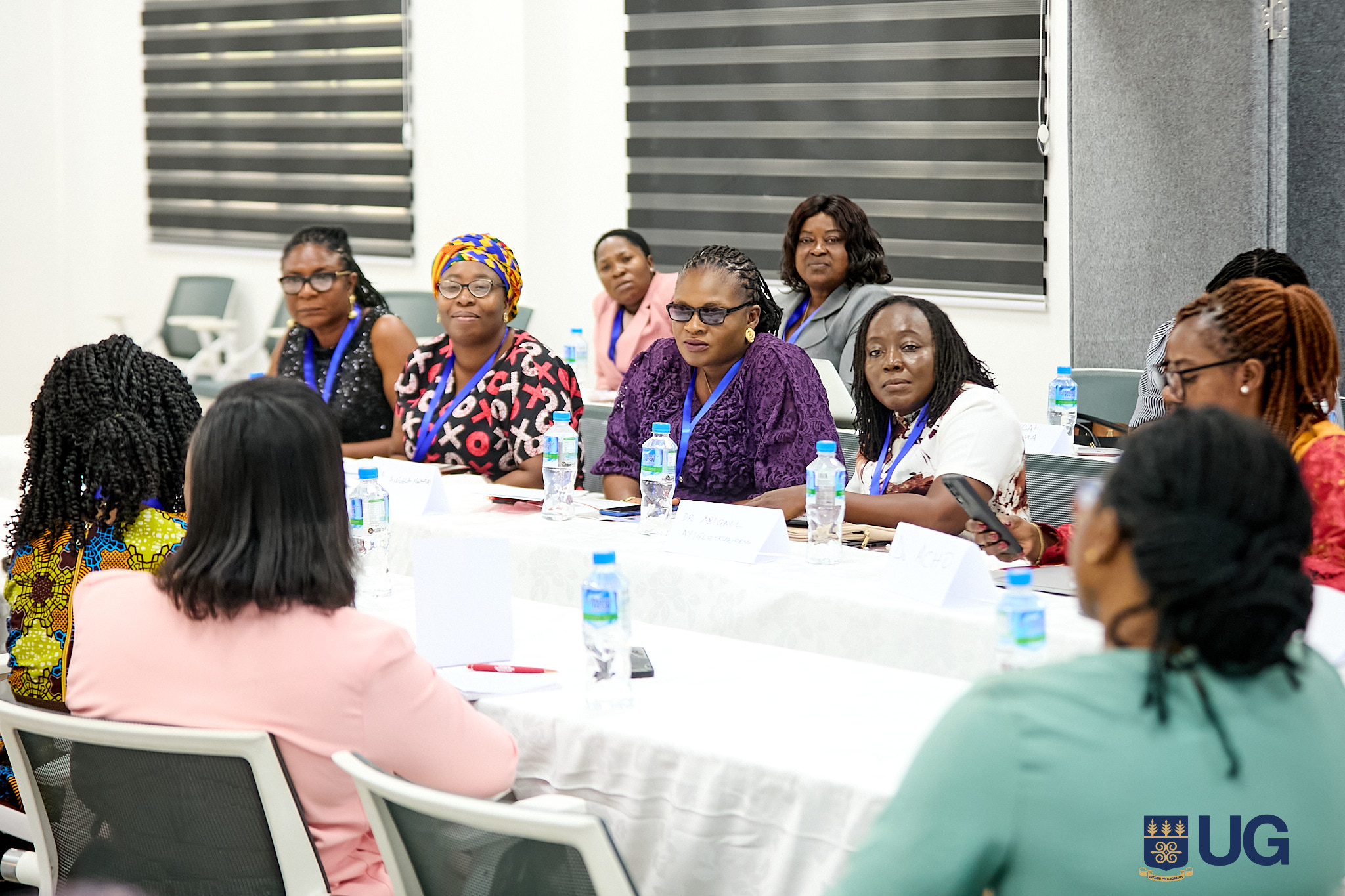
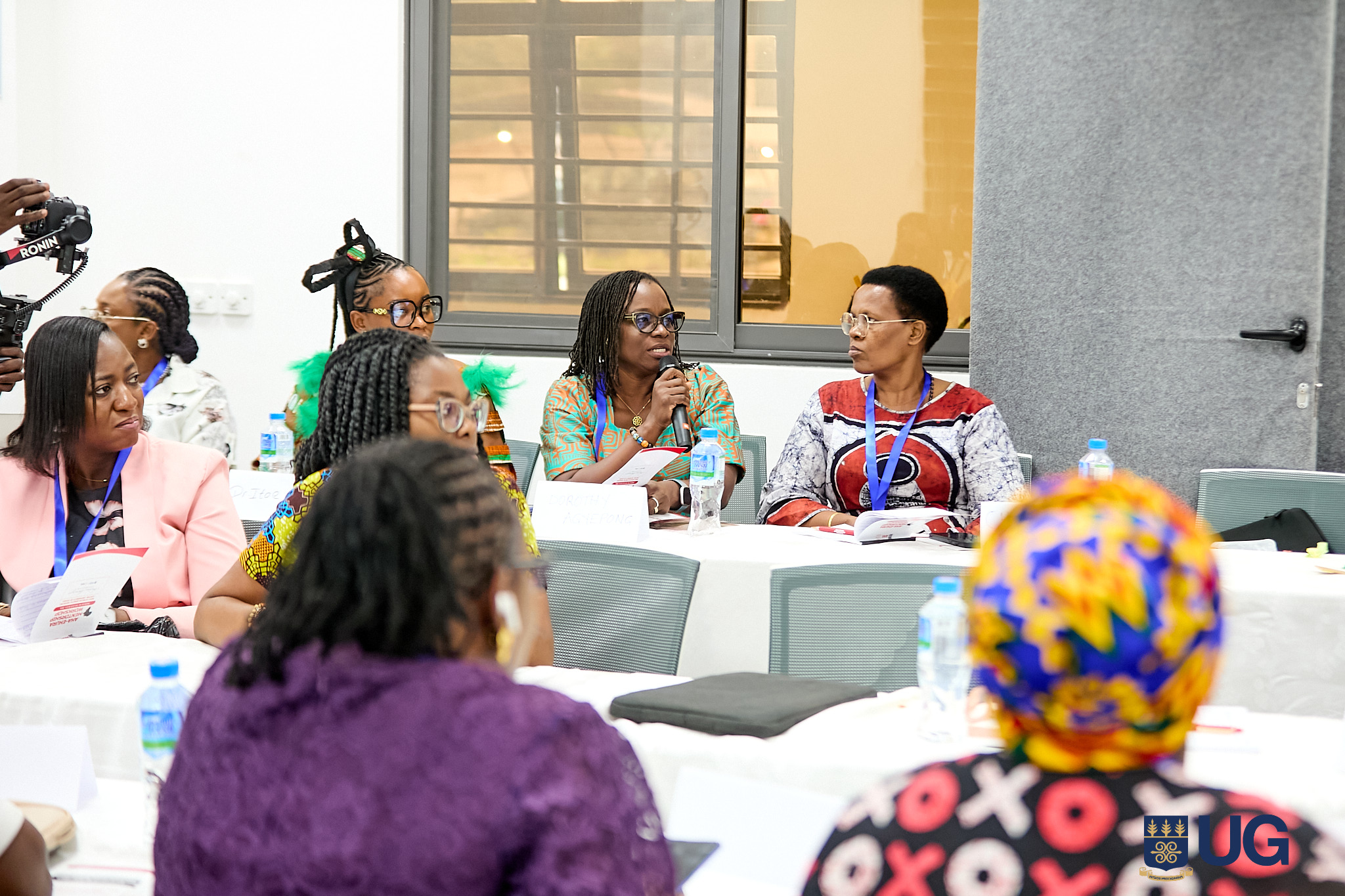
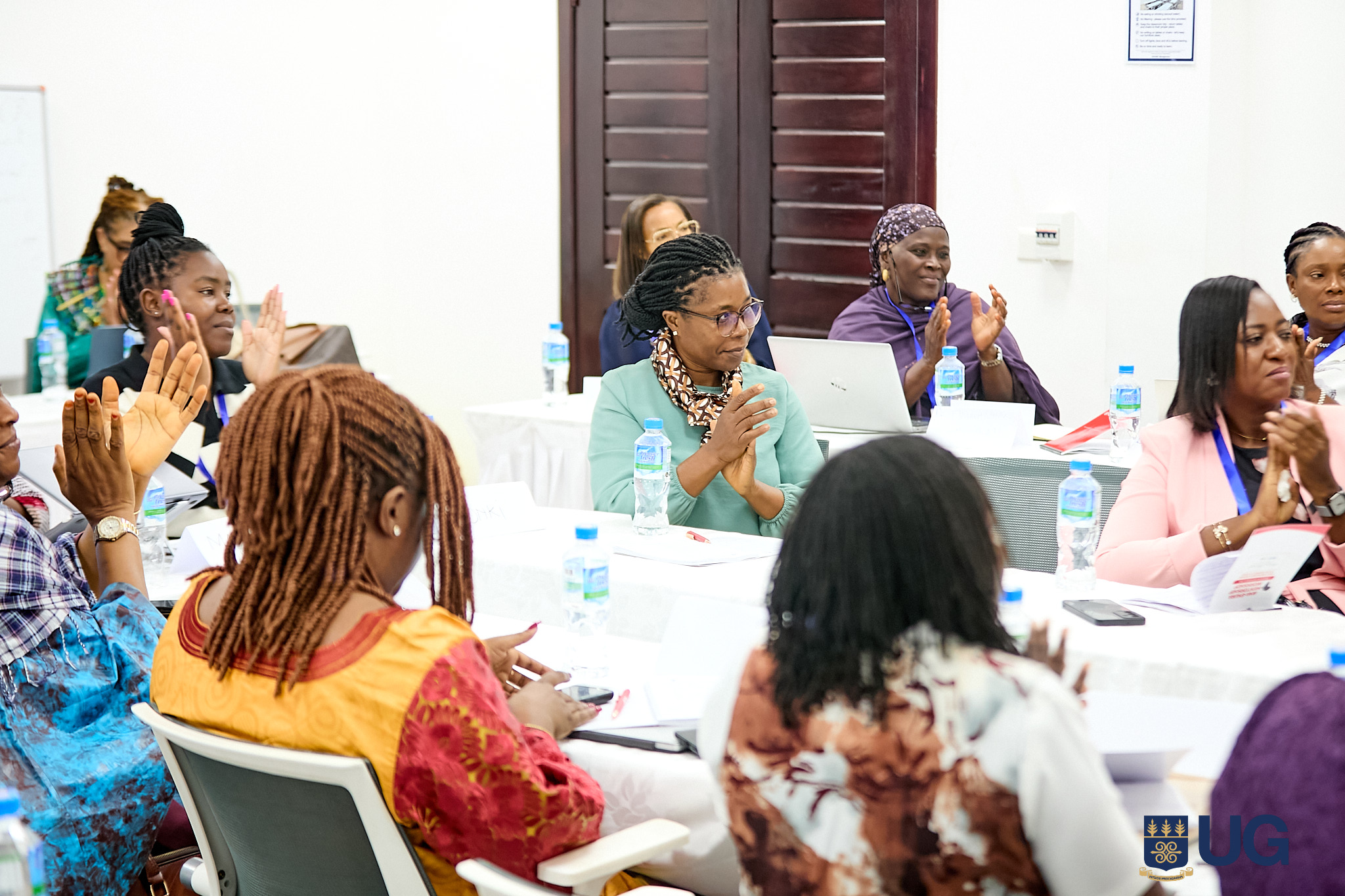
The University of Ghana has hosted the inaugural African Humanities Association (AHA) EHURA Mentorship Workshop, bringing together early-career humanities scholars from across Africa for two days of intensive mentorship, scholarly reflection and professional development aimed at strengthening the future of humanities research on the continent.
Held at the West African Genetic Medicine Centre (WAGMC), the workshop forms part of the Enhancing Humanities Research in Africa (EHURA) Project, an initiative of the African Humanities Association supported by the Andrew Carnegie Foundation. The project seeks to strengthen humanities scholarship through mentorship, research fellowships, scholarly exchanges, residencies and capacity-building opportunities for African researchers.
Following a competitive selection process that attracted 110 applications from across the continent, only thirty scholars were selected to participate in the mentorship workshop.
Addressing participants, Vice-Chancellor of the University of Ghana who also doubles as the Chair of AHA, Professor Nana Aba Appiah Amfo, discussed the importance of locating the self in the academic environment, underscoring academic identity, voice and developing intellectual confidence. She also led a session on leadership without losing scholarly integrity, focusing on women, leadership and institutional influence.
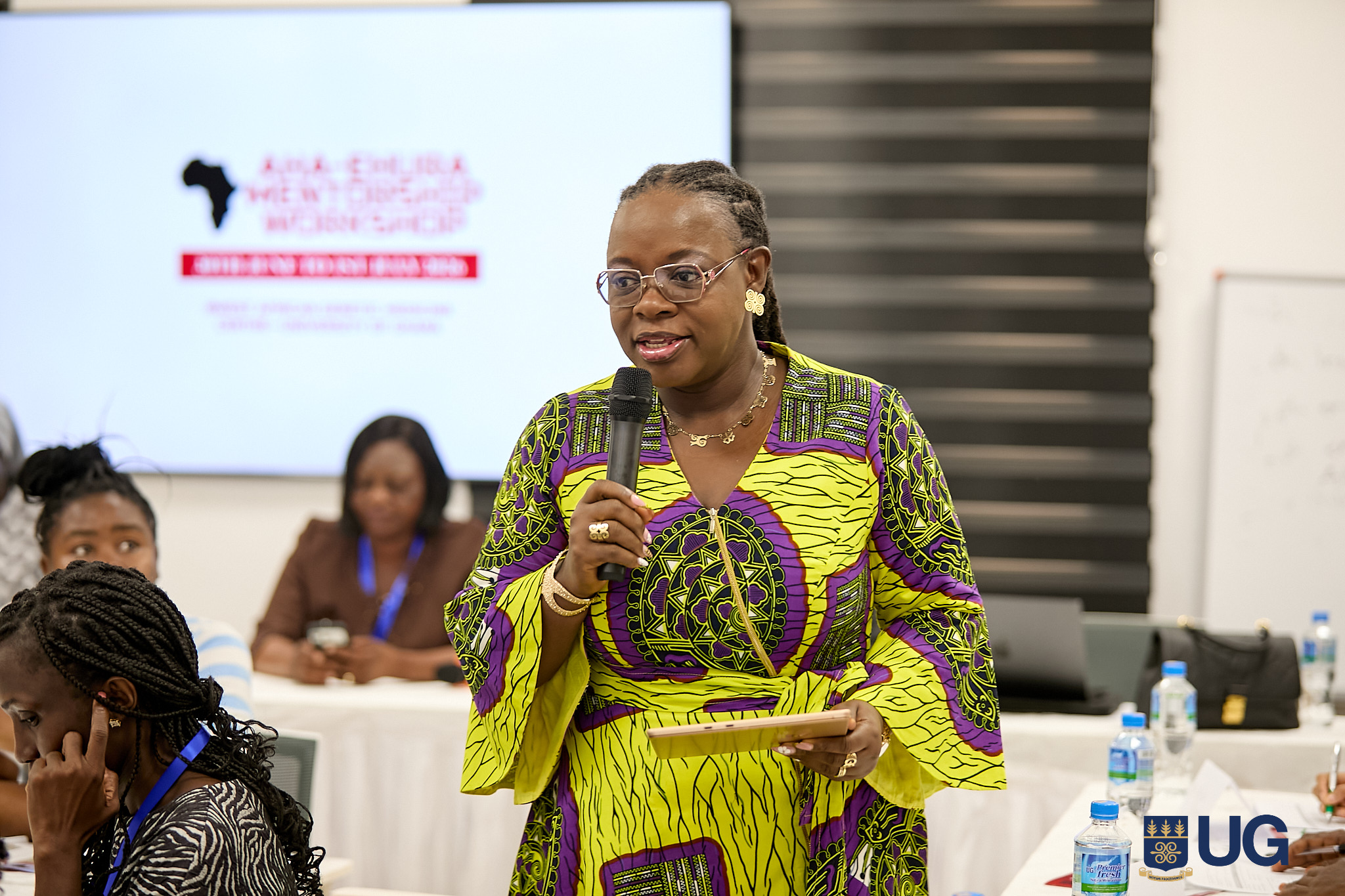
Prof. Amfo challenged early-career scholars to intentionally build authentic academic identities rooted in Africa rather than simply reproducing dominant scholarly traditions.
"The academy does not need another copy of someone else," she said. "The academy needs the scholar that only you can become."
Prof. Amfo encouraged participants to think beyond academic titles, institutional affiliations or publication counts, arguing that a scholar's identity is ultimately defined by intellectual curiosity, values, scholarship and the unique contribution they make to knowledge.
Reflecting on her experience as Vice-Chancellor, she explained how leadership had expanded rather than diminished her scholarly work by exposing her to new research areas, including higher education policy, institutional governance, innovation and equitable research partnerships.
She encouraged participants to convert their leadership experiences into scholarship, maintain active writing projects regardless of career stage, continue teaching and supervising students where possible, and collaborate intentionally with colleagues.
Complementing these discussions, Professor Sunungurai Dominica Chingarande, Vice-Chancellor of the Women’s University in Africa, Zimbabwe, focused on helping participants build sustainable research careers by identifying and developing clear research niches.
Using her own academic journey as an example, she explained that she intentionally chose to specialise in gender equality and women's empowerment while studying sociology, building expertise through continuous learning, targeted research, training opportunities and small research grants.
She encouraged participants not to be intimidated by international opportunities but to challenge themselves by applying for grants, conferences and research programmes, even at the earliest stages of their careers.
"Start where you are," she advised, noting that small opportunities often become stepping stones to larger academic achievements.
Prof. Chingarande stressed that successful scholars are known for a specific area of expertise rather than attempting to become experts in everything. "You cannot be everywhere," she said. "You have to identify what you want to be known for. That becomes your brand."
Professor Samuel Agyei-Mensah, former Provost of the College of Humanities, shed light on the importance of understanding institutional power dynamics and promotion pathways for early-career scholars.
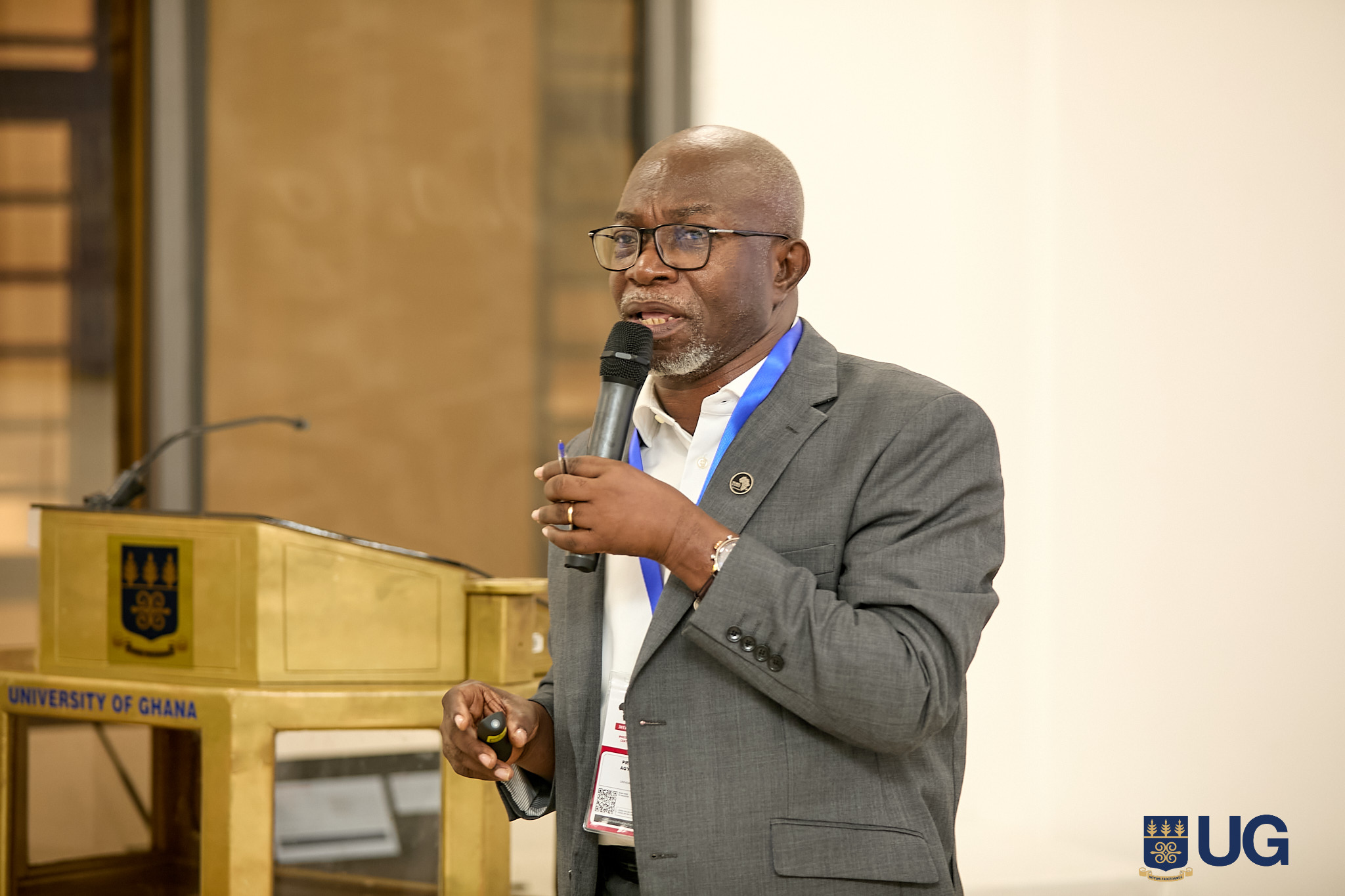
He outlined the university's organisational hierarchy, detailing the roles of vice-chancellors, provosts, deans and academic boards, and stressed that informal power, such as respected scholars and long-serving academics, also plays a critical role in decision-making processes.
Professor Agyei-Mensah advocated for networking, active participation in professional associations and building meaningful collaborations as vital strategies for enhancing one's academic career.
Professor Sr. Dominica Dipio, an executive committee member of the Association, covered two topics: one on writing as a practice, power, and survival, emphasising effective academic writing for productivity and authority, and another on fostering teaching excellence and pedagogical leadership as aspects of scholarly capital.
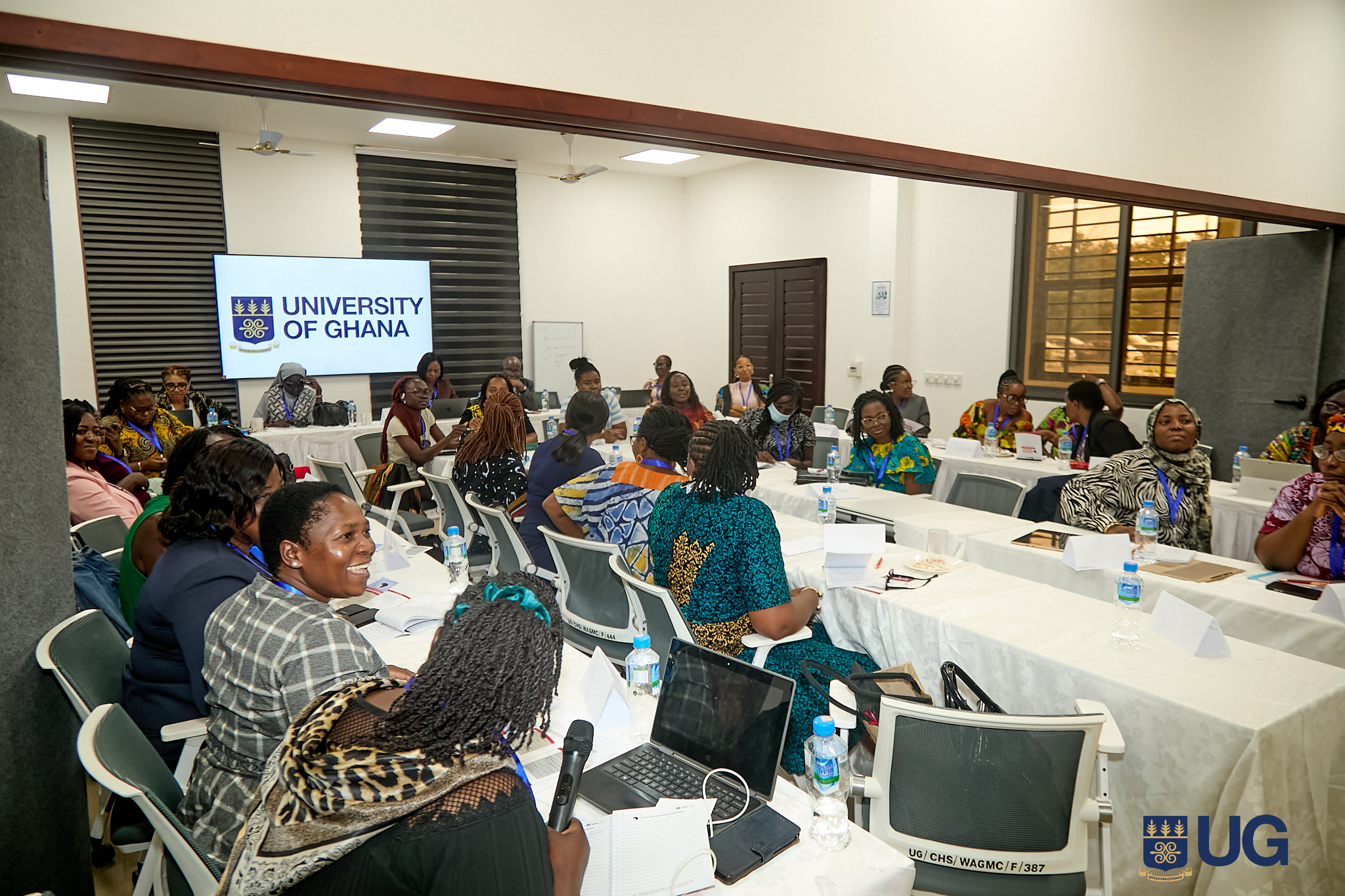
In her presentation, Project Director and Dean of the International Programmes Office at UG, Professor Jemima Asabea Anderson, focused on strategic relationships for academic advancement, including mentoring, sponsorship and creating scholarly networks to support growth and visibility.
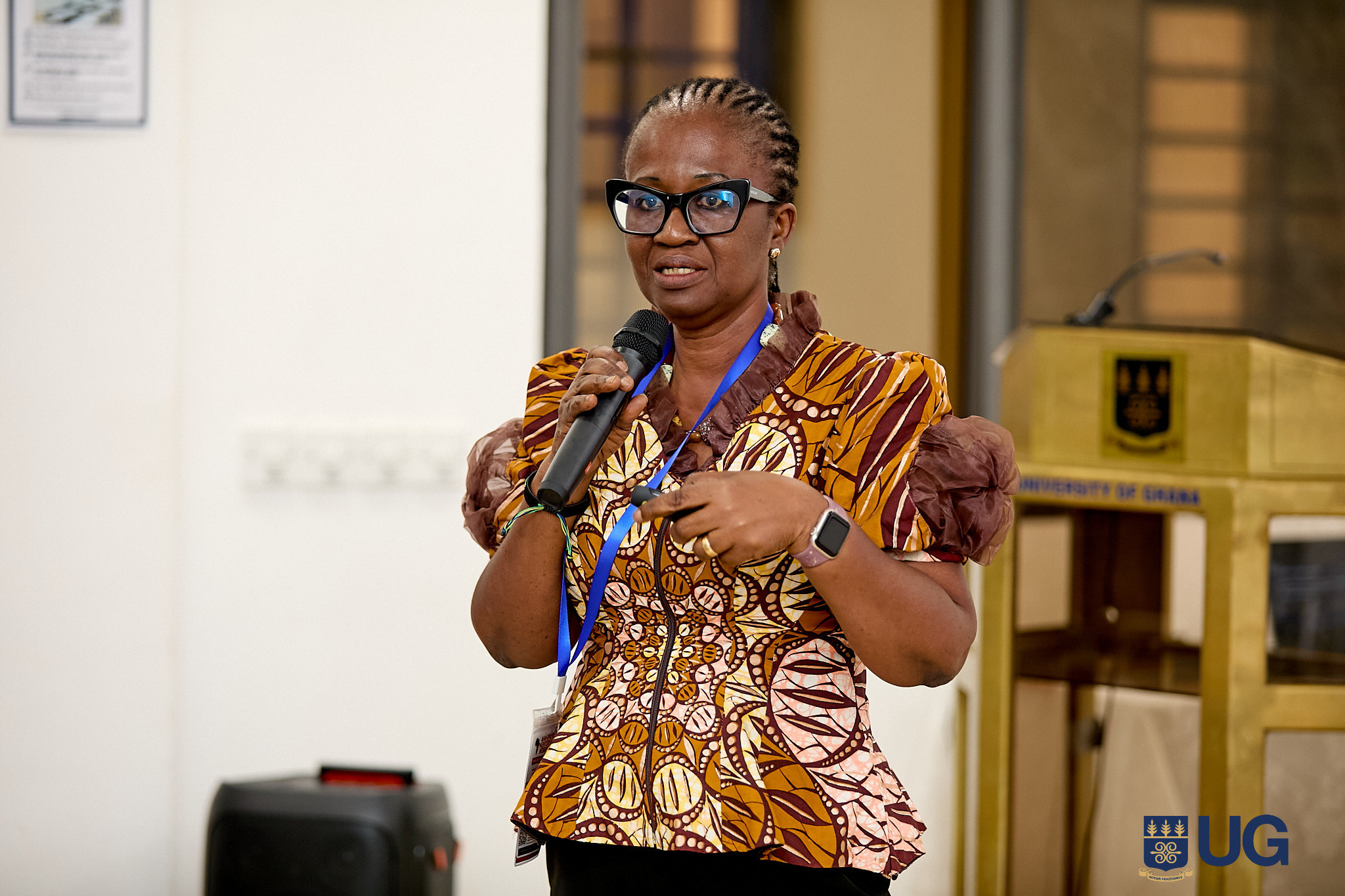
Emerita Professor Akosua Adomako Ampofo, former Director, Institute of African Studies (IAS), addressed the significance of public scholarship, policy engagement and societal impact, encouraging academics to extend their influence beyond traditional academic settings.
The programme also included a panel discussion which featured all the facilitators under the theme ‘Navigating Academic Careers in African Humanities.’
These discussions collectively aim to empower scholars in the African humanities to develop their identities, advance their careers and make meaningful societal contributions.