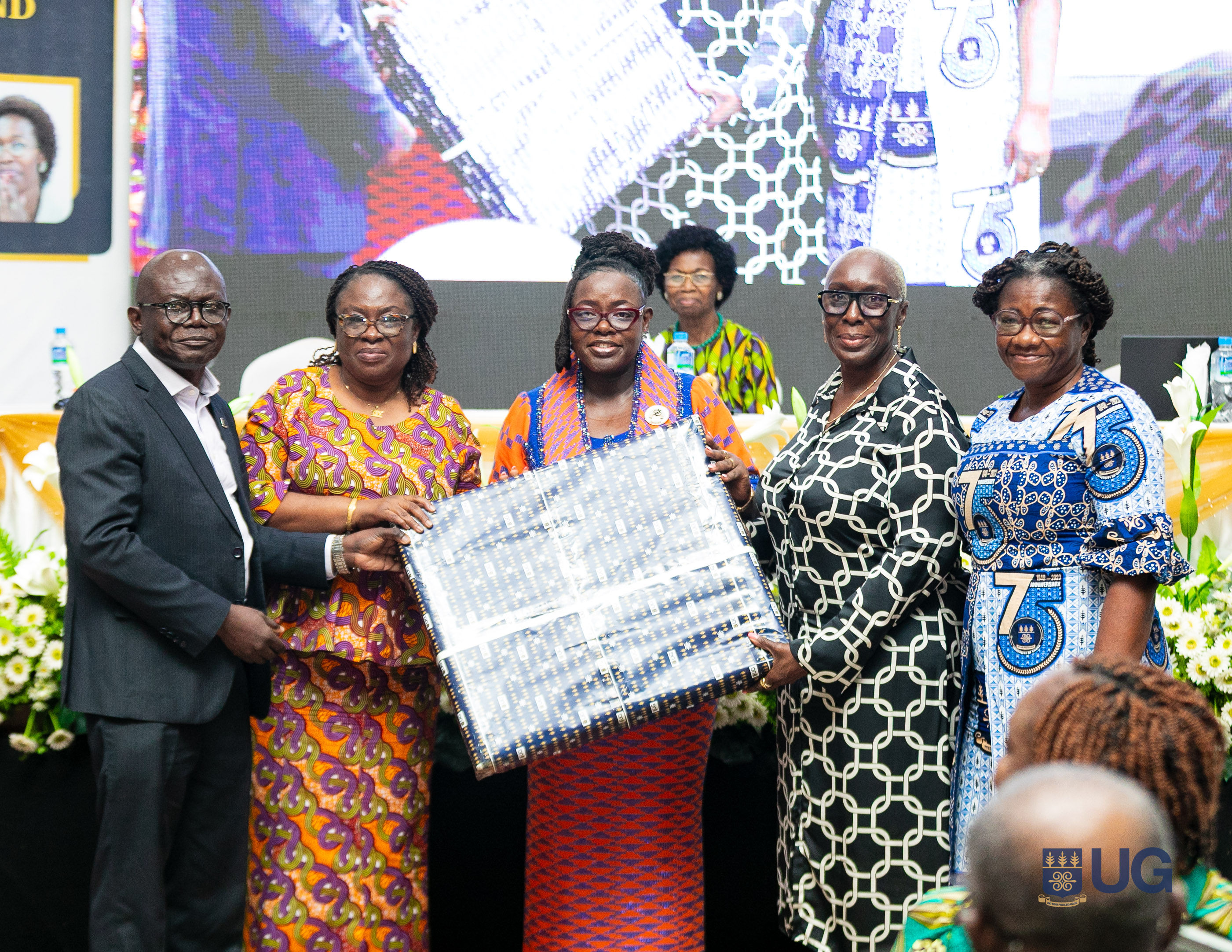
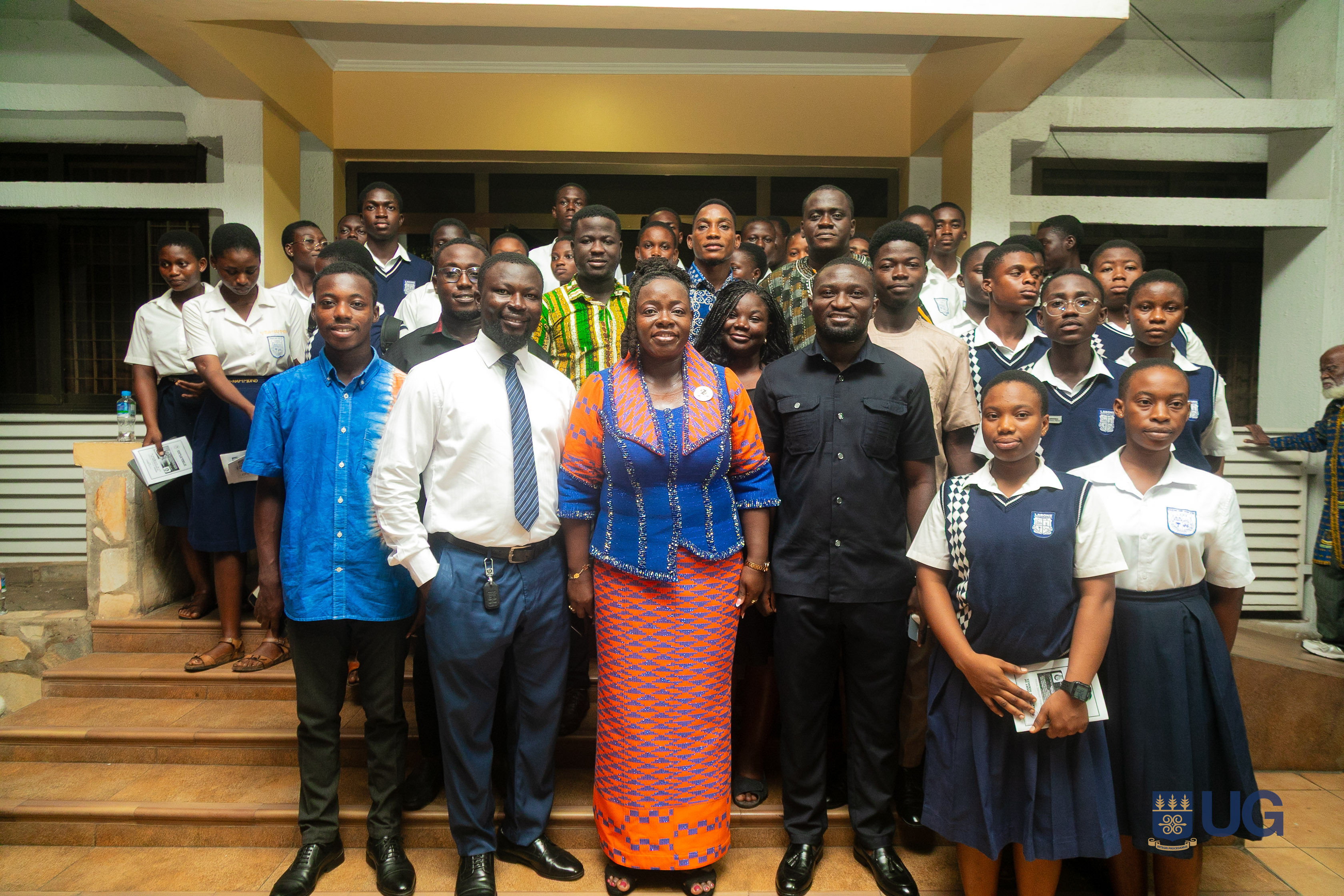
“Africa Cannot Remain a Site of Data Extraction when Funding Determines whose Knowledge Counts,” Prof. Amfo Warns that Africa’s Reliance on External Research Funding Weakens its Global Voice
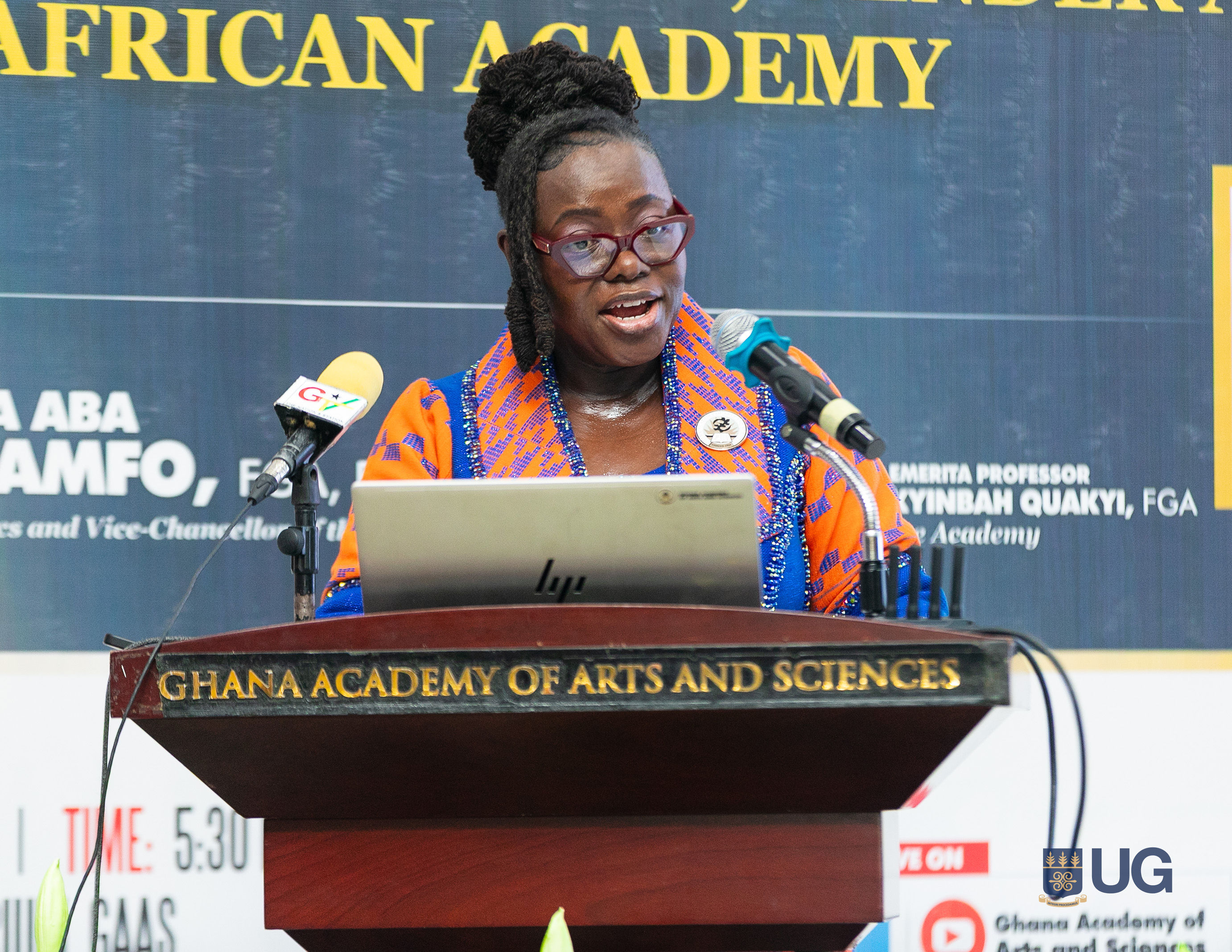
Professor Nana Aba Appiah Amfo has warned that Africa risks remaining a “site of data extraction” in global research unless the continent strengthens its control over knowledge production, research funding and intellectual agenda-setting.
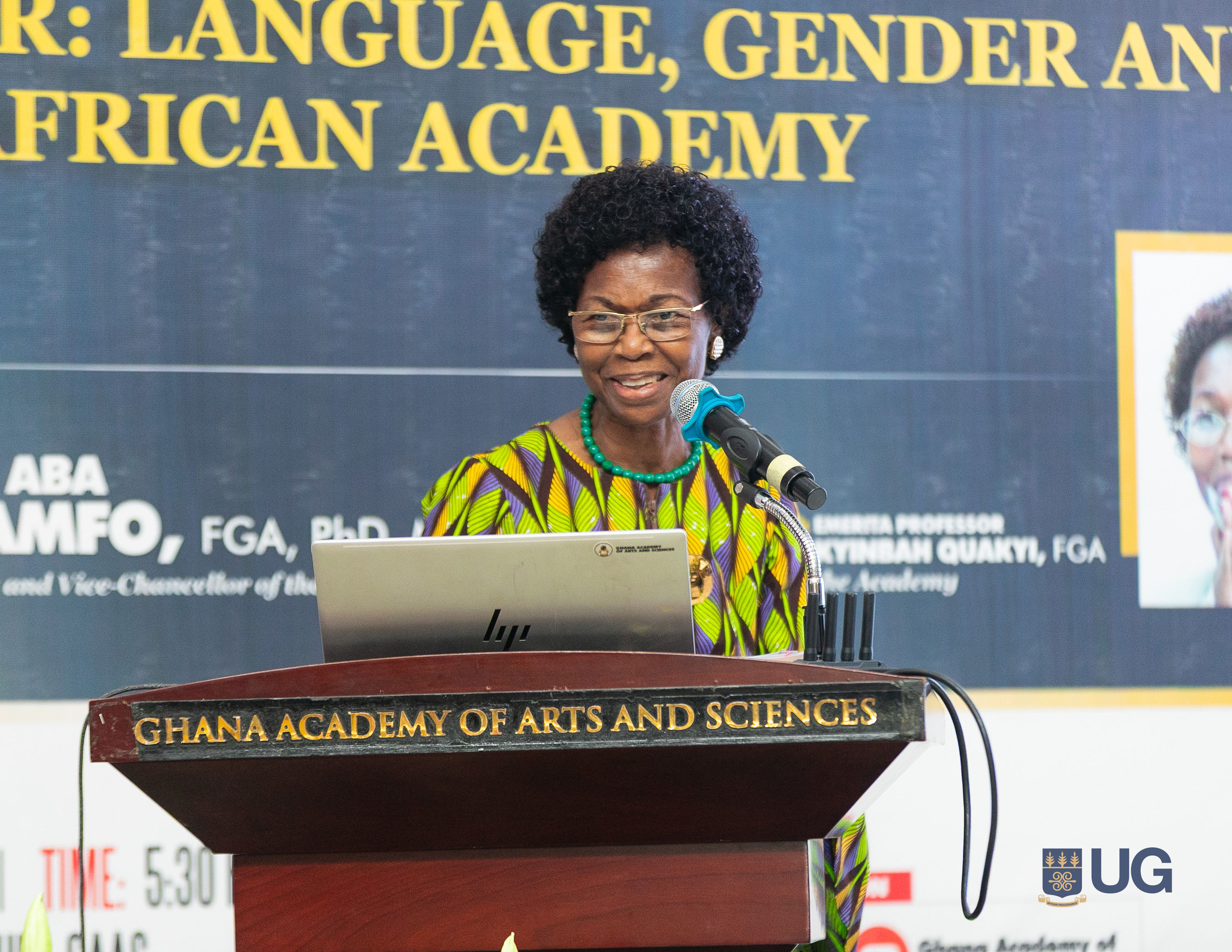
Delivering her inaugural lecture at the Ghana Academy of Arts and Sciences in Accra, the Vice-Chancellor of the University of Ghana called for urgent reforms to reposition African scholarship within the global knowledge order.
“Africa cannot afford to remain a site of data extraction while the intellectual rewards accumulate elsewhere,” Prof. Amfo said, drawing attention to longstanding global academic structures in which African societies often provide research data while theory, recognition and influence are generated elsewhere.
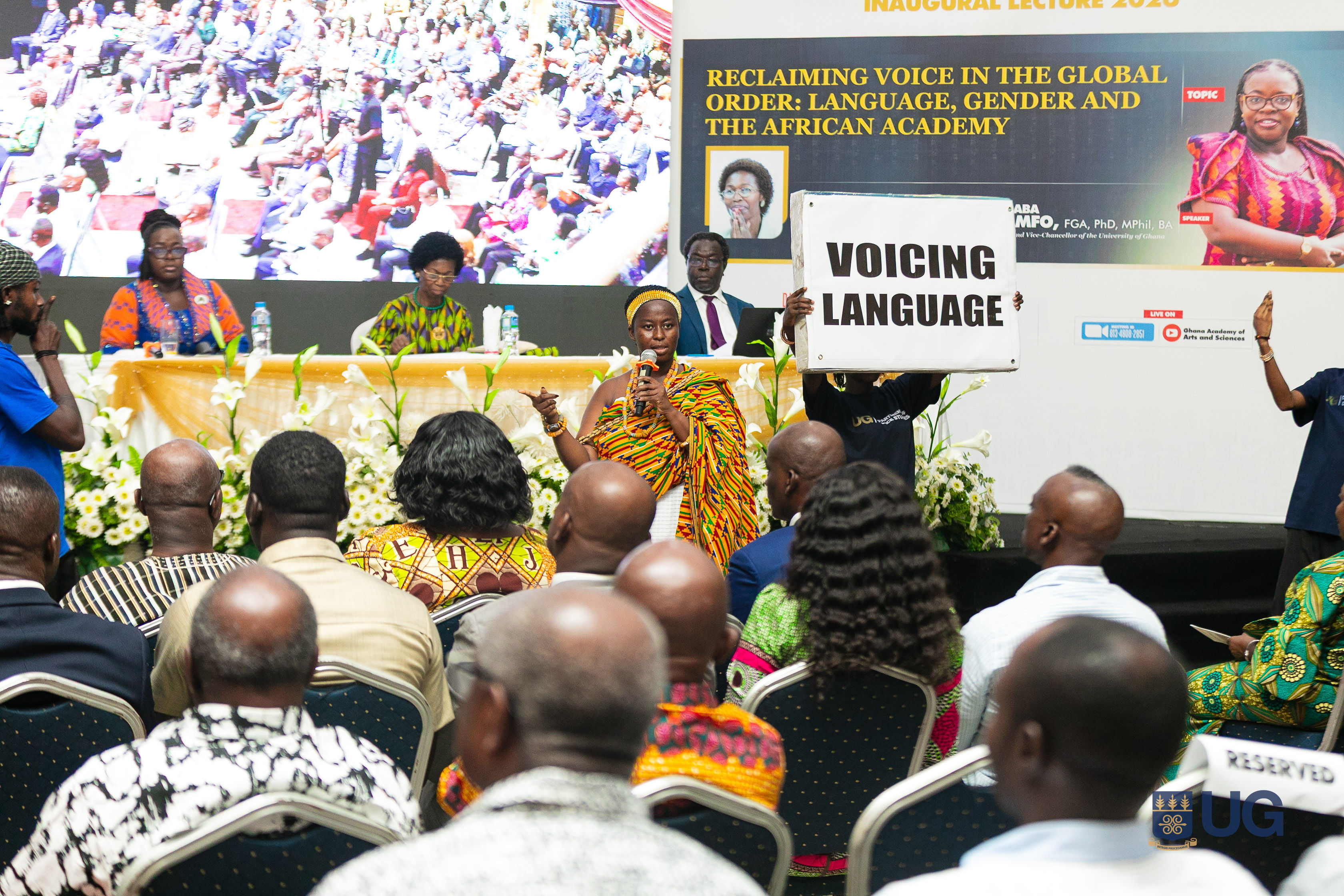
The lecture, titled “Reclaiming Voice in the Global Order: Language, Gender and the African Academy,” examined the relationship between language, power and knowledge production and the role African institutions must play in shaping global intellectual discourse.
Prof. Amfo, a Fellow of the Ghana Academy of Arts and Sciences and a Professor of Linguistics, argued that Africa must shift from “being the subject of knowledge to becoming its authors. Africa must speak for itself in the global knowledge order,” she intimated. According to the Vice-Chancellor, reclaiming intellectual voice is not symbolic. It is a necessary tool for Africa to influence development thinking, shape global policy and public narratives and define priorities.
A central theme of Prof. Amfo’s lecture was the relationship between research funding and intellectual autonomy. She observed that global research systems are heavily influenced by funding flows that often determine which questions are asked, which issues receive attention and whose knowledge becomes influential.
Prof. Amfo also highlighted the link between research funding and intellectual independence. She disclosed that almost 97 percent of research funding across Africa comes from external sources, underscoring the continent’s limited control over its research agenda.
She lamented Africa’s heavy reliance on external research funding, noting that this leaves the continent largely at the receiving end of global knowledge production. “We cannot outsource our intellectual agenda,” she said, calling for stronger investment in research across Africa.
The GAAS Fellow mentioned that reliance on external funding often limits Africa’s ability to define its own research priorities.
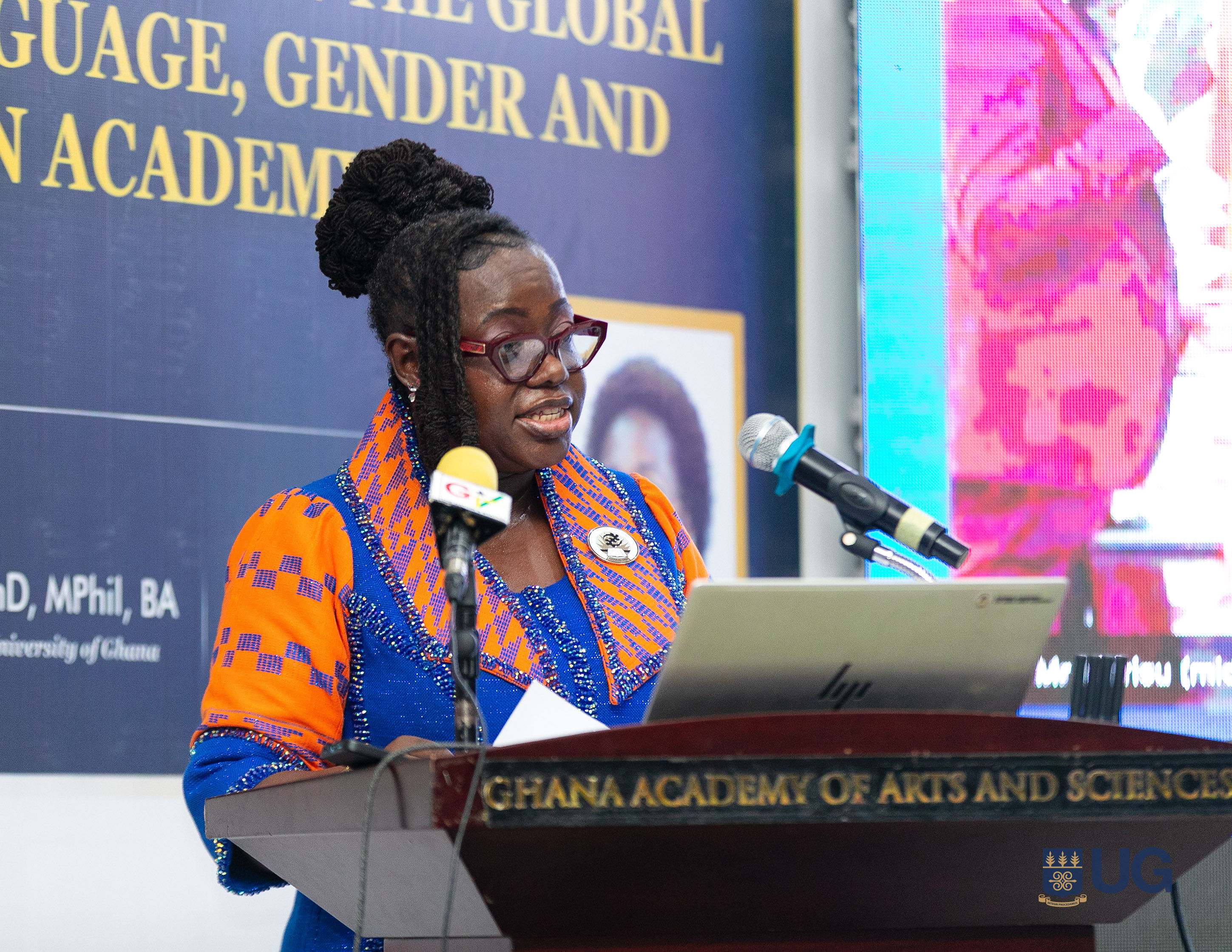
Using Ghana as an example, the Vice-Chancellor pointed to the country’s heavy dependence on external research funding. At the University of Ghana, she noted, the overwhelming majority of research funding originates from outside the country. This dependence, she argued, affects the ability of African scholars to shape their own research priorities.
Prof. Amfo stressed that knowledge production must extend beyond publication to influence public policy and development outcomes. “Producing knowledge is not enough, we must also control how it is used as impact is the new currency of academia,” she said. Consequently, research, she argued, must move beyond journal articles to shape policy decisions, inform public debate and contribute directly to societal development.
Throughout the lecture, Prof. Amfo returned to a central theme in her scholarly work: the role of language in shaping power relations noting that language is not neutral, it can include or exclude.
According to the Professor of Linguistics, language often determines who participates in global conversations and whose perspectives are recognised as legitimate. “The politics of language continues to shape access, participation and whose knowledge counts,” she said.
She illustrated how language can influence global narratives by pointing to debates around the terminology used to describe historical events such as slavery. Words, she noted, can soften or obscure historical realities and reshape public understanding.
Prof. Amfo also challenged dominant academic assumptions about language and society, arguing that Africa’s linguistic diversity offers valuable insights for global scholarship.
Across the continent, multilingualism is a normal part of everyday life, she said, with people routinely moving between multiple languages depending on context and social setting. Rather than viewing multilingualism as a challenge, she argued that African linguistic realities can expand existing sociolinguistic theory.
Gender inequality within academic institutions formed another major focus of the lecture. She noted that women scholars across Africa continue to face structural barriers in areas such as research funding, publication opportunities and academic leadership. “We cannot reclaim voice without confronting gender. Gender disparities in academia are structural, not incidental,” she said.
Addressing such inequalities, she argued, requires deliberate institutional reforms and policies that support women scholars at every stage of their careers.
On the issue of decolonising knowledge, Prof. Amfo also called for a fundamental rethinking of dominant academic frameworks that often marginalise African intellectual traditions. “Decolonising knowledge is not rhetoric, it is practice,” she said.
According to the Vice-Chancellor, this requires rethinking curricula, research methods and the voices that are centred within academic discourse. While global academic standards remain important, she maintained, they must not erase local realities and lived experiences.
Building stronger research systems, Prof. Amfo emphasised, requires strengthening African research ecosystems through institutional collaboration, equitable partnerships and sustained investment. “Partnerships must be equitable to be meaningful,” she said. She cautioned that international collaborations must empower African institutions to build capacity rather than reinforce dependency.
The Vice-Chancellor also stressed the importance of supporting the next generation of scholars. “Young scholars are not the future alone, they are the present,” she said, urging universities to invest in mentorship, training and research opportunities for early-career academics.
Commenting on the future of the African academy, Prof. Amfo indicated that African scholarship will depend on deliberate and sustained transformation, urging the African academia to be intentional about transformation.
Repositioning the continent within the global knowledge system, in the view of Prof. Amfo, will require confronting entrenched structures and reimagining how knowledge is created, validated and shared. “Academic freedom must be protected and exercised responsibly,” she added, encouraging scholars to challenge dominant narratives while engaging actively with societal challenges.
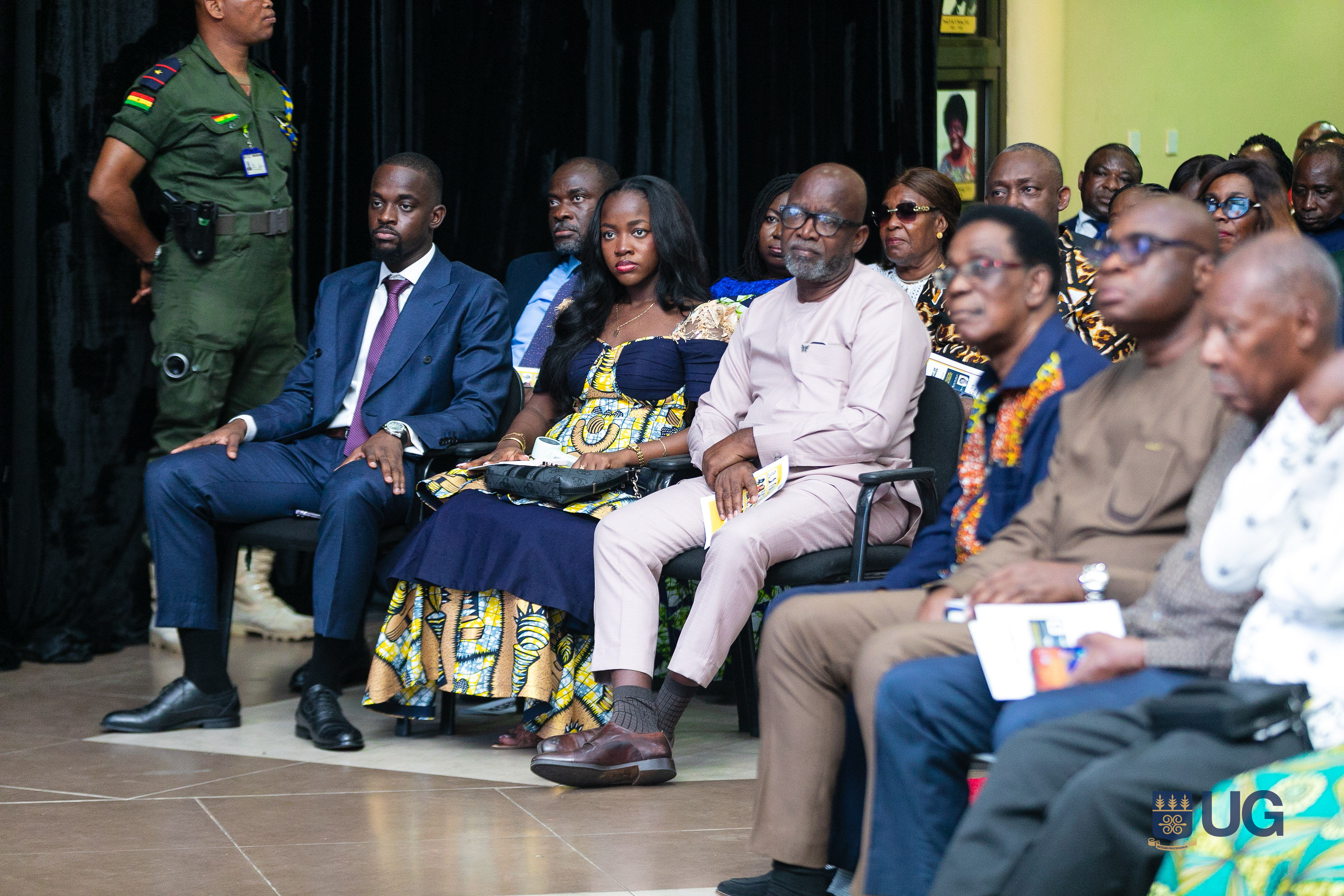
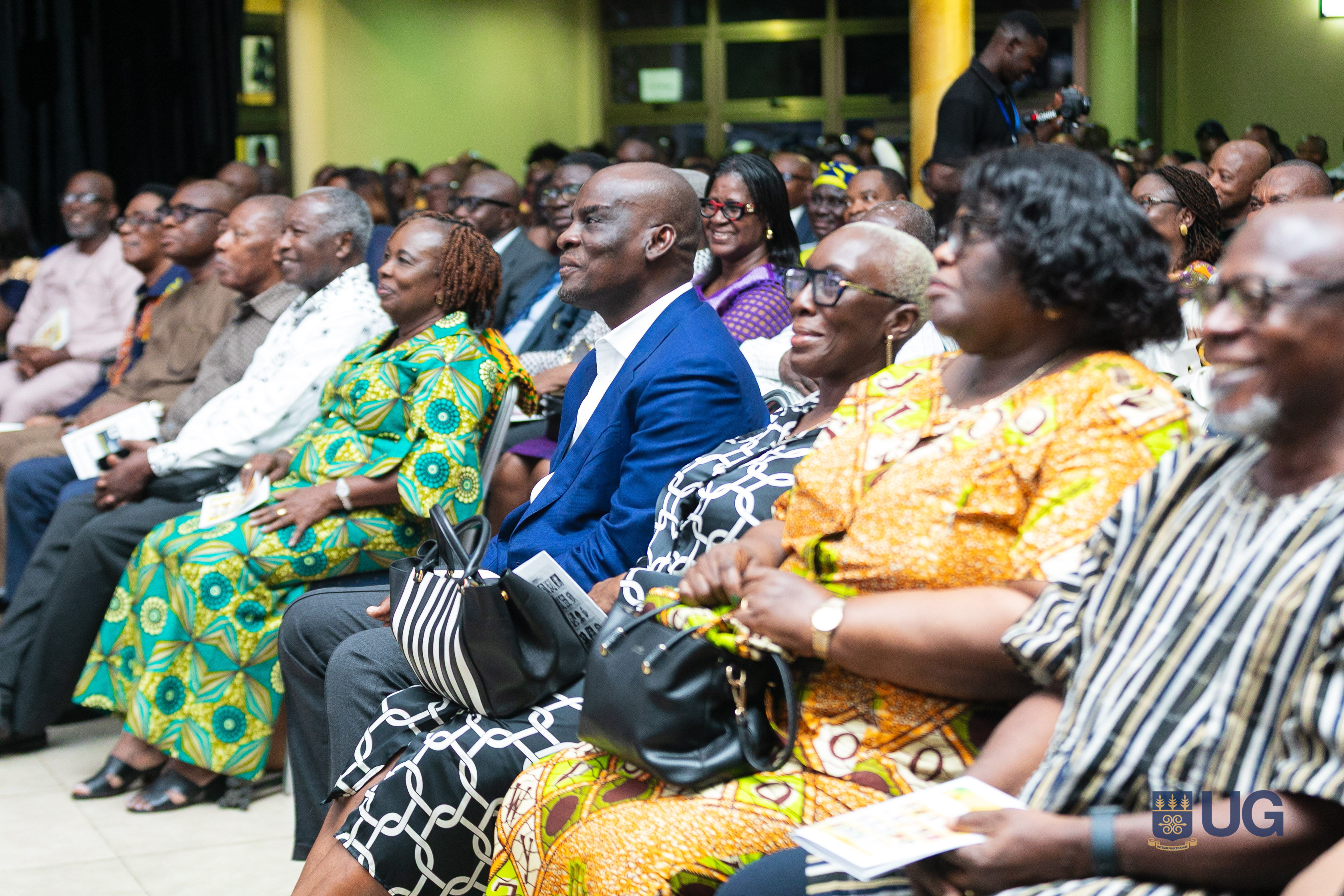
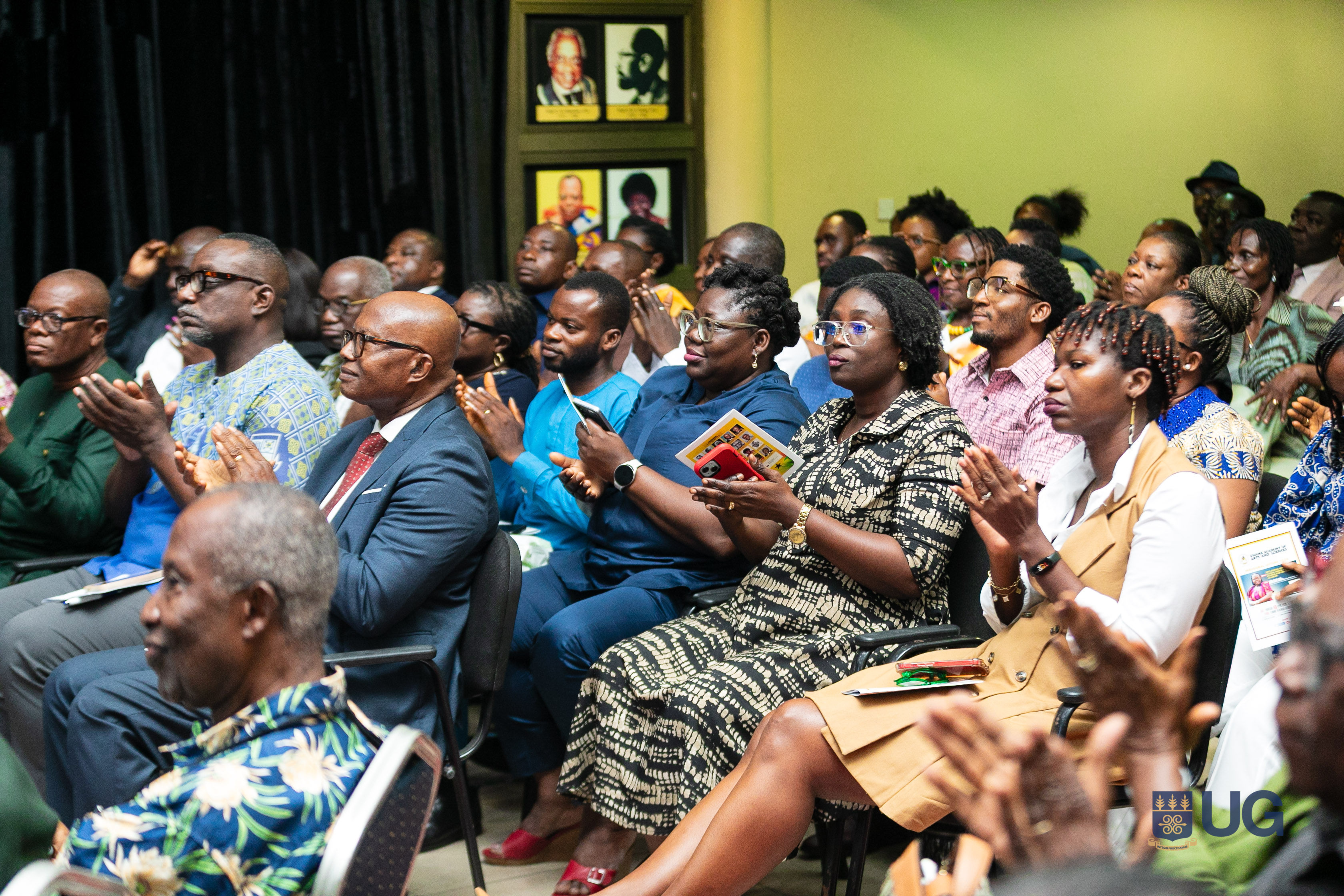
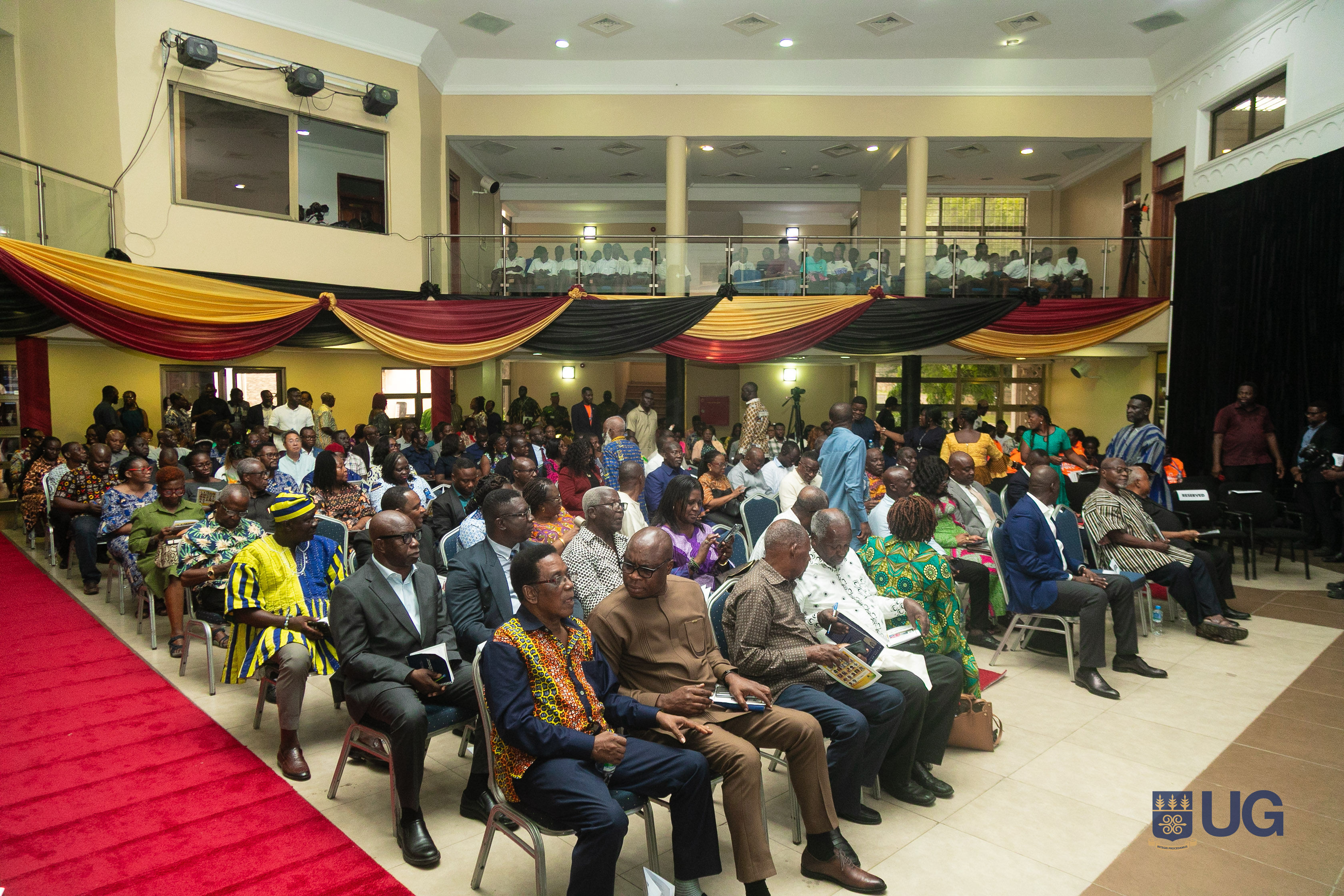
The lecture, chaired by Emerita Professor Isabella Akyinbah Quakyi, FGA, President of the Ghana Academy of Arts and Sciences, drew a distinguished audience of academics, government officials, policymakers, development practitioners, industry leaders, students and members of the University of Ghana community.