2026 AFG Lectures Explore Sustainable Cities and Resilient Digital Infrastructure, as Prof. Ochieng Proposes Solutions for Future Urban Systems
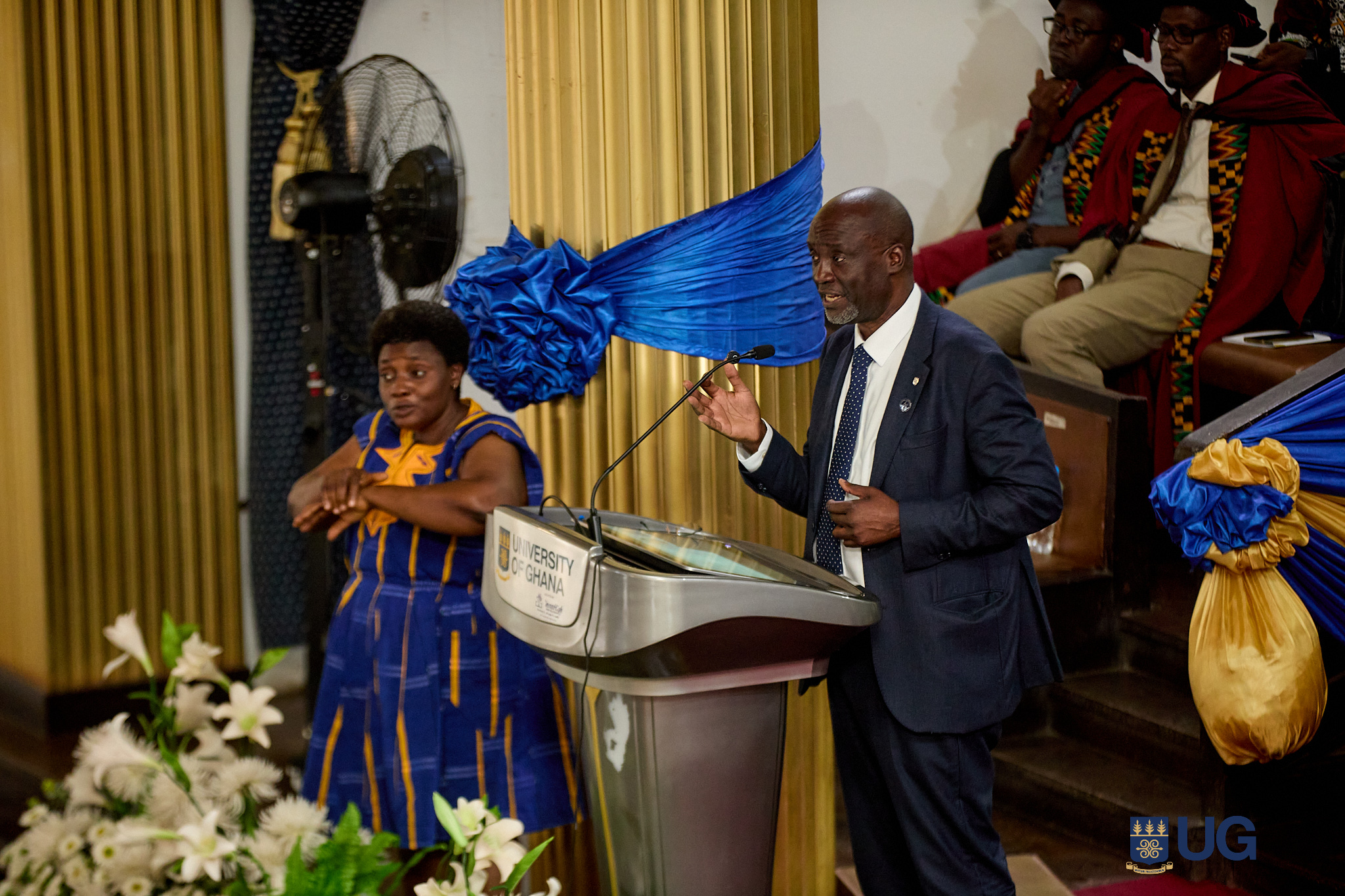
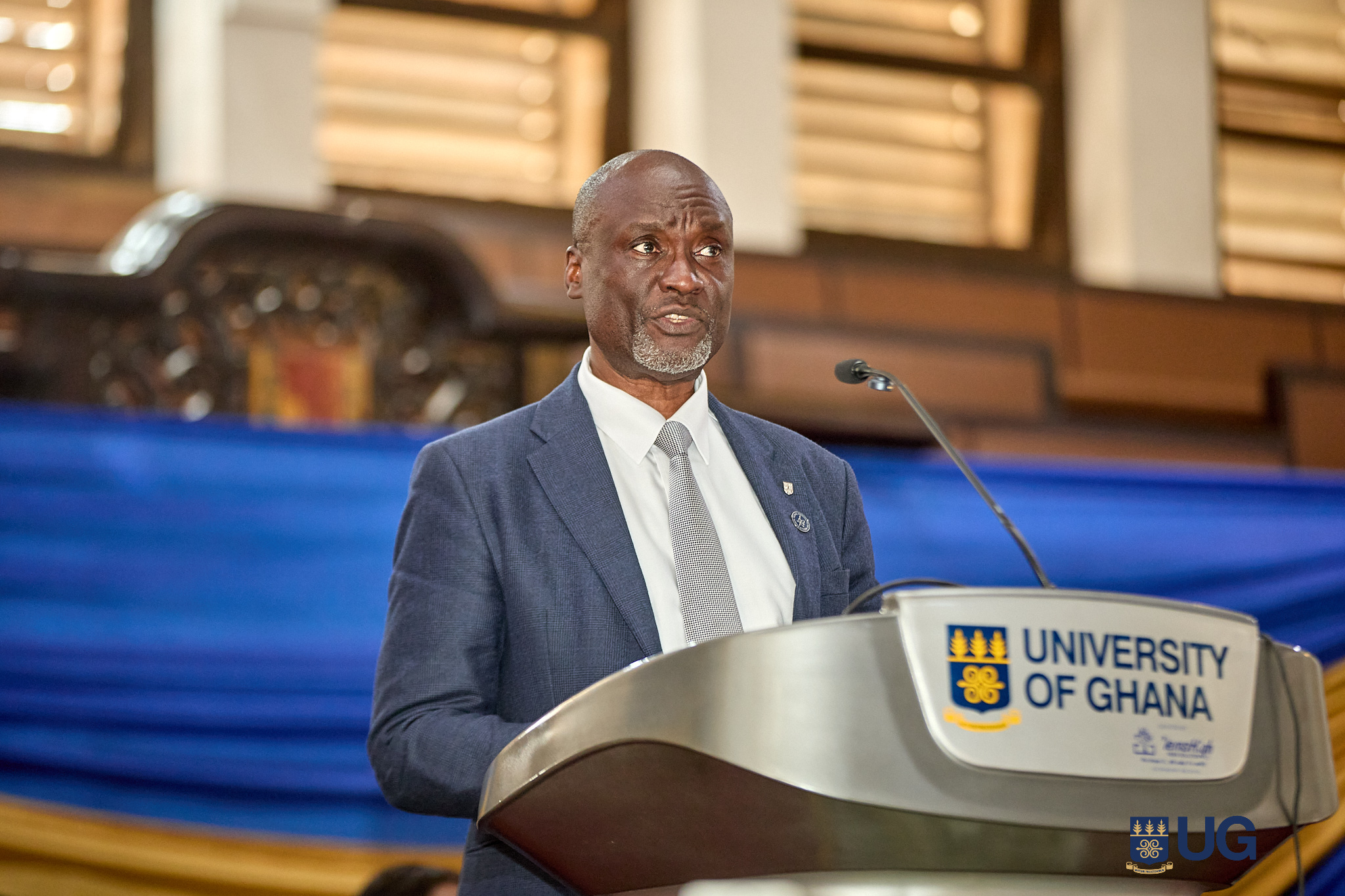
The 2026 Aggrey–Fraser–Guggisberg Memorial Lectures at the University of Ghana have delved into sustainable smart cities and resilient digital infrastructure, with lecturer Prof. Washington Yotto Ochieng proposing solutions for future urban systems.
Prof. Ochieng, who is Head of the Department of Civil and Environmental Engineering at Imperial College London, is a trained Civil Engineer and a member of several international engineering and research bodies. He has spent decades working on urban infrastructure, transport systems and sustainable development, drawing on these experiences to inform the practical solutions and insights he shared during the lecture.
In his first lecture, delivered on the theme “Sustainable Smart Cities – The Need for Digital Tools and Fit-for-Purpose Engineers,” Prof. Ochieng explored what sustainability means for cities and how building smart, resilient urban environments require understanding the complex interactions between people, infrastructure, demand for goods and services, travel modes, technology, governance and society.
He explained that many of the challenges faced by modern cities are “vexed and hyper-complex,” requiring a deeper understanding of interconnected systems and the adoption of multi-, inter- and trans-disciplinary research approaches. According to him, addressing these challenges demands collaboration among academia, industry, government and the wider society to generate practical solutions that respond to the evolving needs of urban environments.
Prof. Ochieng also highlighted the role of digital tools in urban planning and infrastructure management. He discussed the use of parametric planning, modelling, simulation and visualisation tools, including the concept of a “digital twin,” which allows planners to simulate urban systems and test infrastructure decisions before implementation. Such tools, he noted, enable urban planners to explore how urban form and structure can promote sustainability, assess trade-offs in infrastructure design and better understand how socio-demographic and behavioural trends affect the performance of urban systems.
The lecture further examined emerging mobility concepts and technologies, including Mobility-as-a-Service (MaaS) and Connected and Autonomous Vehicles (CAVs) which, he said, are shaping the future of transportation systems and urban planning.
On this, Prof. Ochieng emphasised that “preparing engineers to address these evolving challenges requires transforming engineering education and training to align more closely with the needs of modern industry and society.”
During the lecture, he referenced initiatives such as the Higher Education Partnerships in sub-Saharan Africa (HEPSA) programme, which supports bilateral secondments between academia and industry, student industry placements, collaborative research and curriculum development intended to strengthen engineering education and institutional capacity across the region.
On the second day, Prof. Ochieng delivered a lecture on the subject “The Crucial Need for Resilient Positioning, Navigation and Timing for a Nation’s Critical Infrastructure.” He discussed the critical role of Positioning, Navigation and Timing (PNT) systems in supporting key infrastructure sectors including transportation, telecommunications, finance and energy.
He explained how PNT systems function and highlighted their vulnerabilities within an evolving threat landscape. According to him, “disruptions to these systems could significantly affect national infrastructure and economic activity, making resilience a critical requirement.”
Prof. Ochieng stressed that resilient PNT systems must meet key performance requirements, including availability, accuracy, integrity and continuity. These parameters, he explained, determine the reliability of positioning services and are measured by the proportion of time, a service meets required performance levels, a concept he described as operational economy.
He further underscored the importance of standardisation to ensure the transferability of technologies across domains, support regulatory frameworks and promote effective collaboration among manufacturers, service providers and users. He cited examples of initiatives undertaken at Imperial College London aimed at strengthening research and innovation in resilient infrastructure systems.
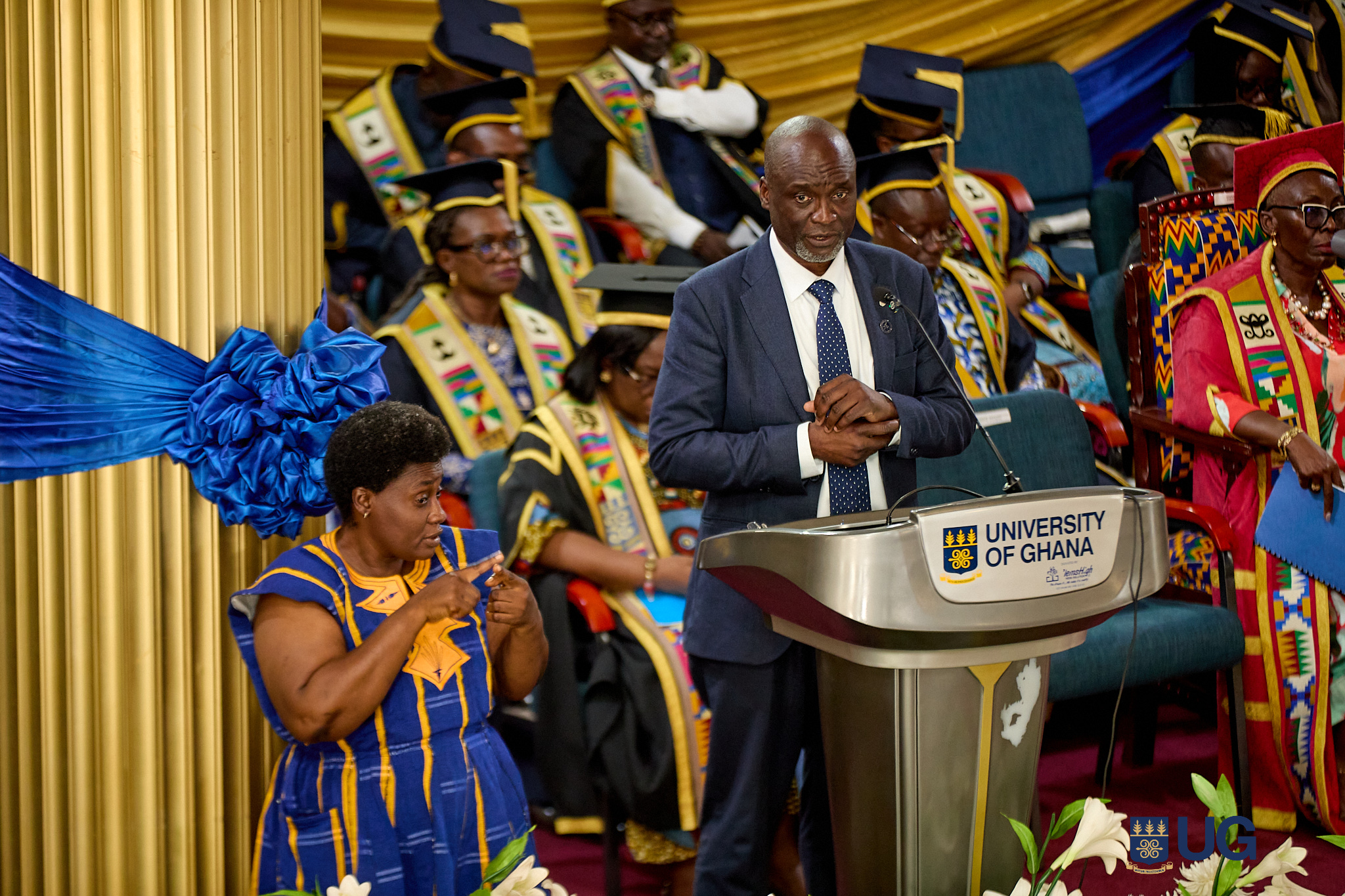
Chairing the first lecture, Naa Dr. Alhassan Andani, Member of the University Council, said the Aggrey–Fraser–Guggisberg Memorial Lectures have, over the years, honoured the legacy of visionary leaders Dr. James Emman Kwegyir Aggrey, Sir Gordon Guggisberg and Alexander Garden Fraser while providing a platform for scholars and practitioners to engage in critical dialogue on pressing issues facing Africa and the wider world.
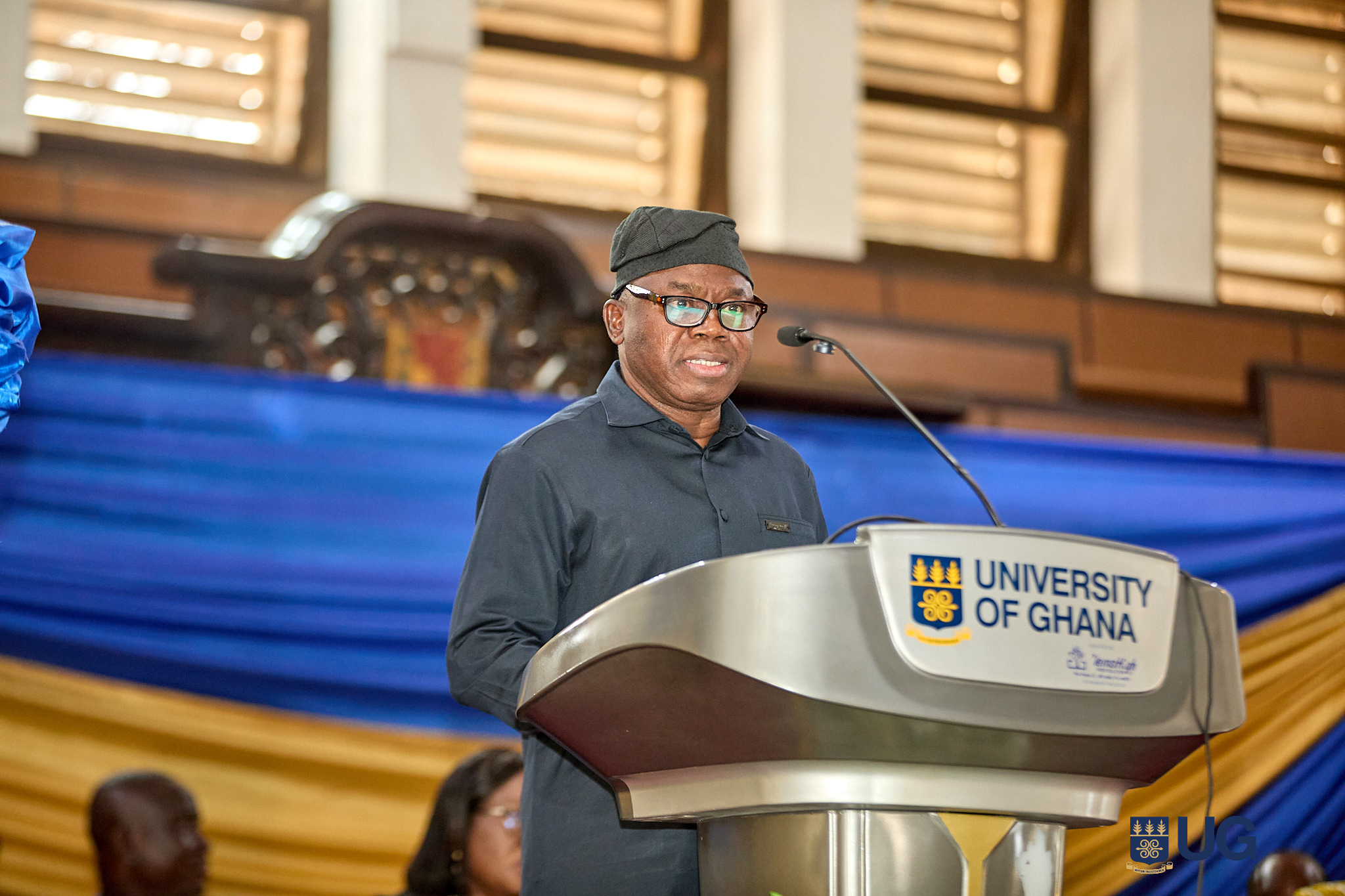
He intimated that the theme for the 2026 lecture series and the selection of Prof. Ochieng as the Lecturer is timely and relevant, considering the complex challenges faced by modern cities and infrastructure systems, such as population growth, which places a strain on urban areas.
The lecture on the second day was chaired by the Vice-Chancellor, Prof. Nana Aba Appiah Amfo, who reiterated that the Aggrey–Fraser–Guggisberg Memorial Lectures “remain one of the University’s distinguished traditions that stimulate thoughtful dialogue on issues of national and global importance.”
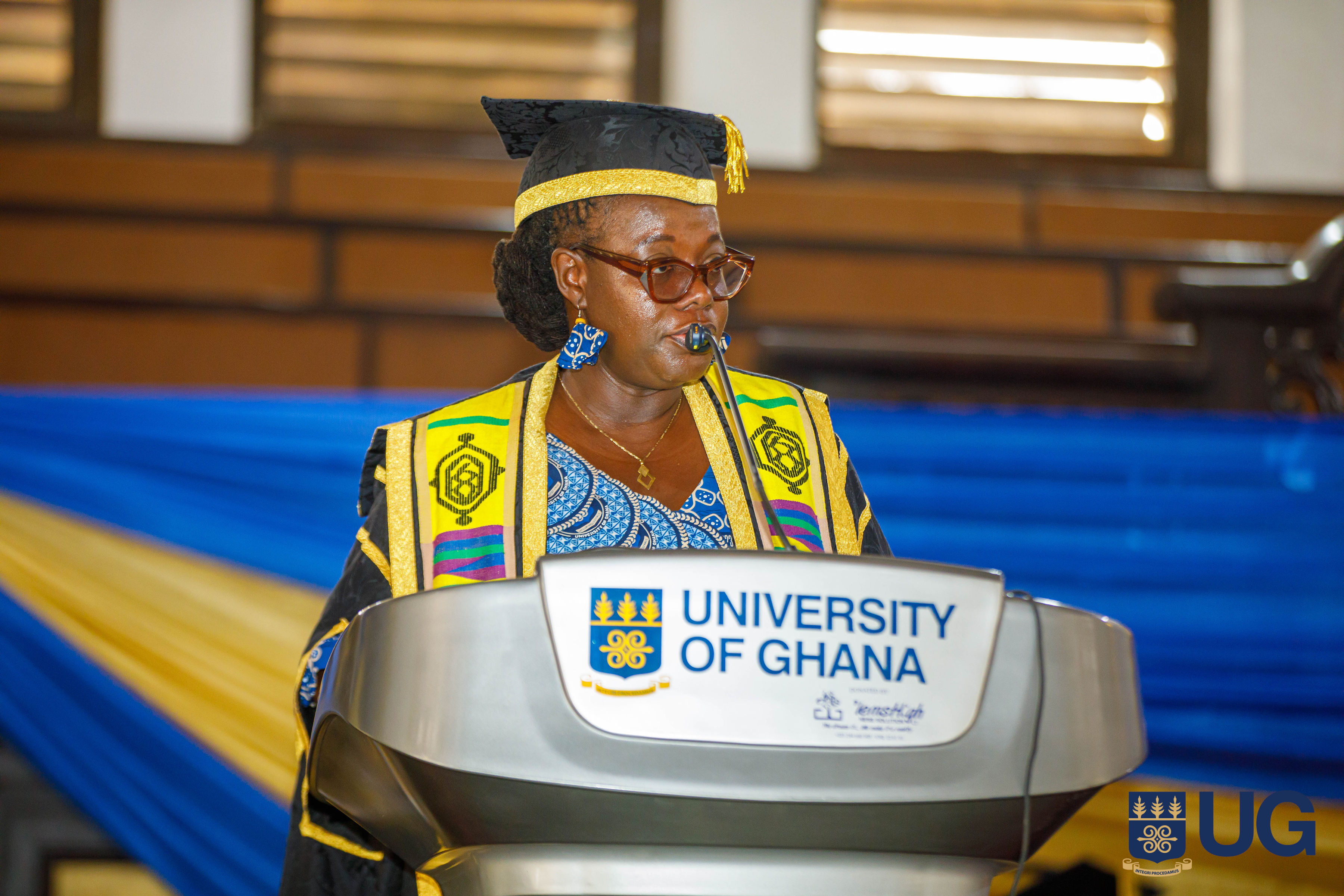
She noted that “the 2026 lecture series are particularly timely” given the overarching theme and commended the Lecturer for “inviting academia, governments, policymakers, implementers and the wider society to reflect on how technological innovation, engineering expertise and resilient systems can support sustainable urban development in the 21st century.”
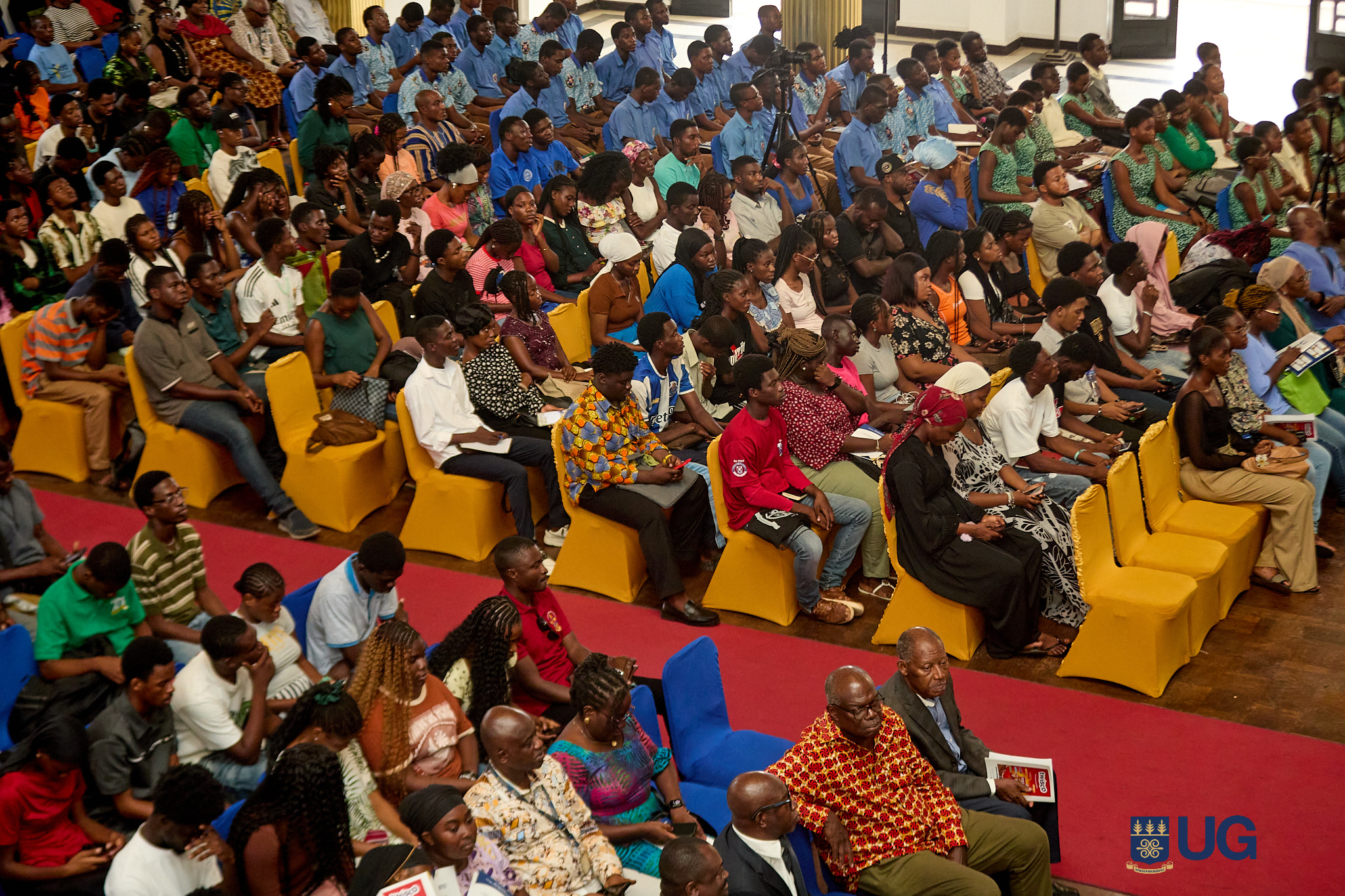
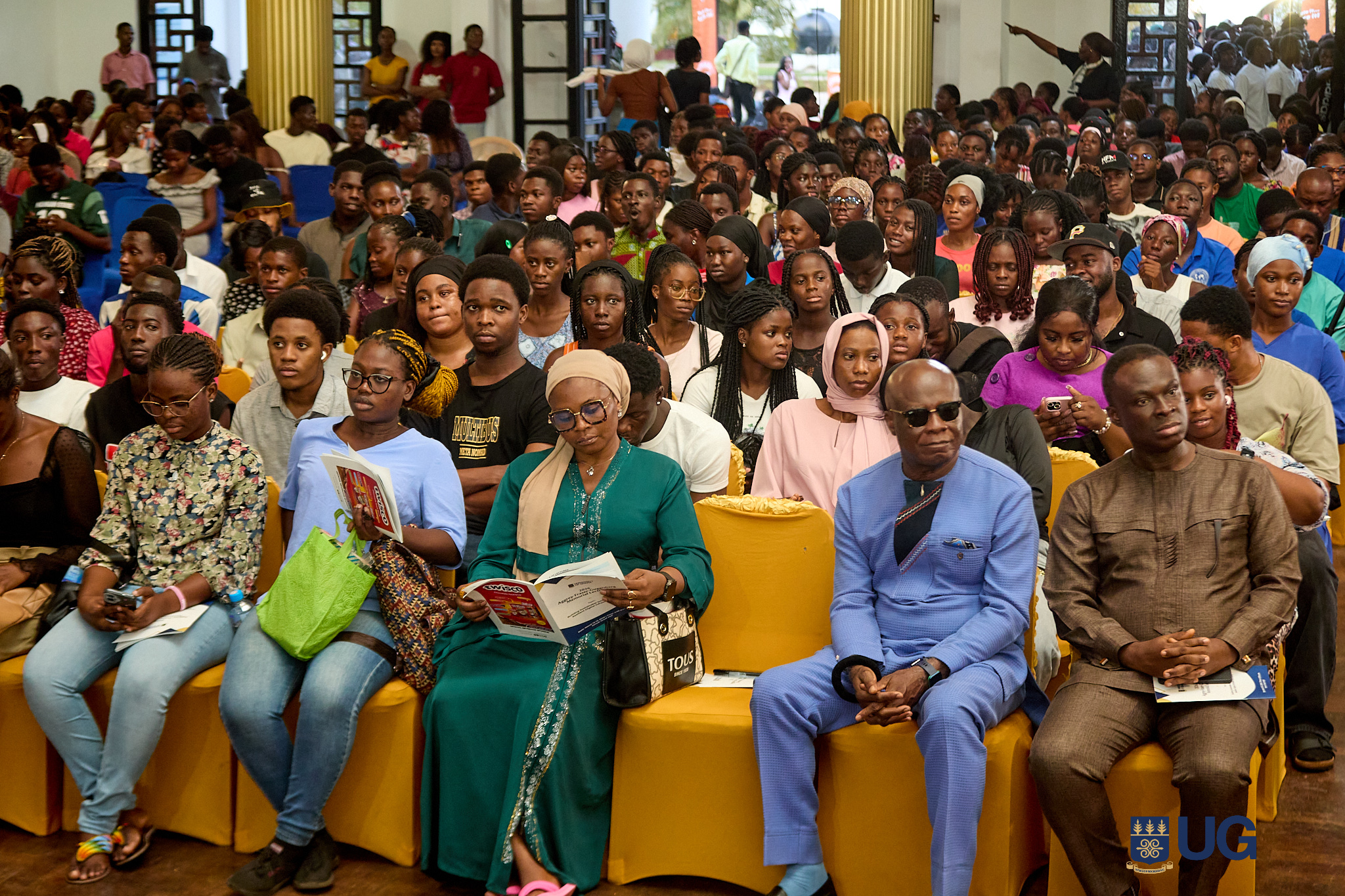
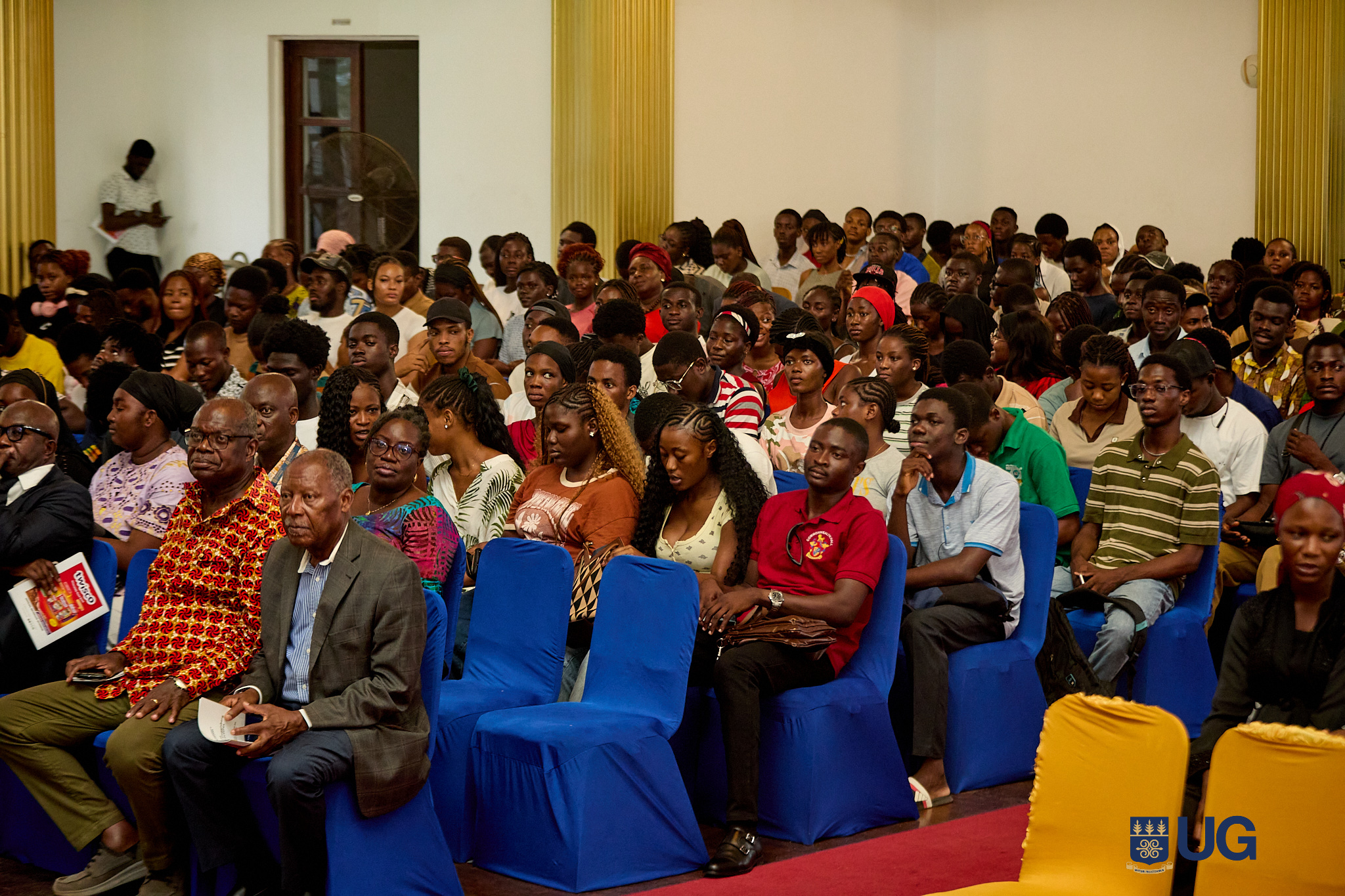
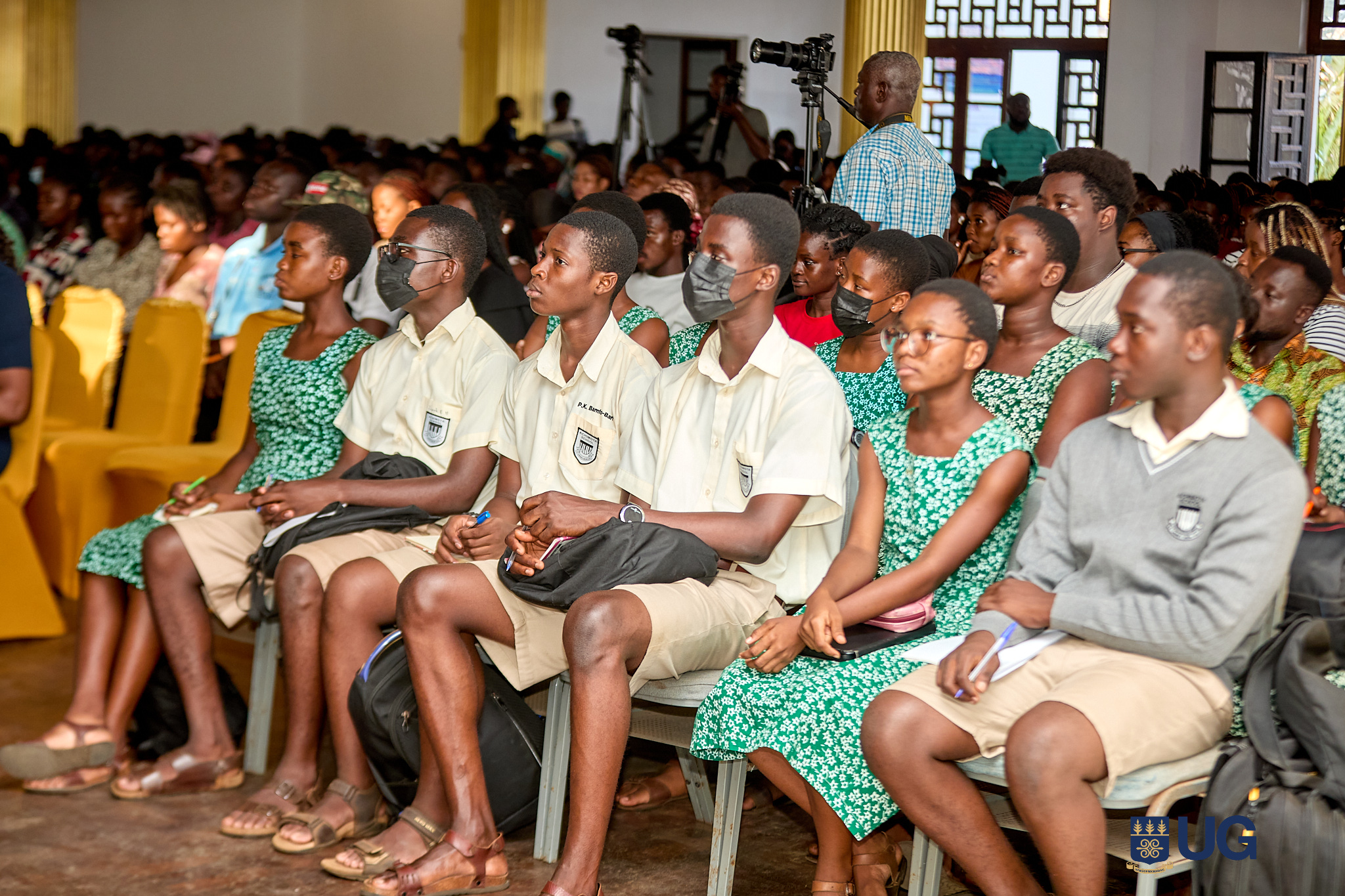
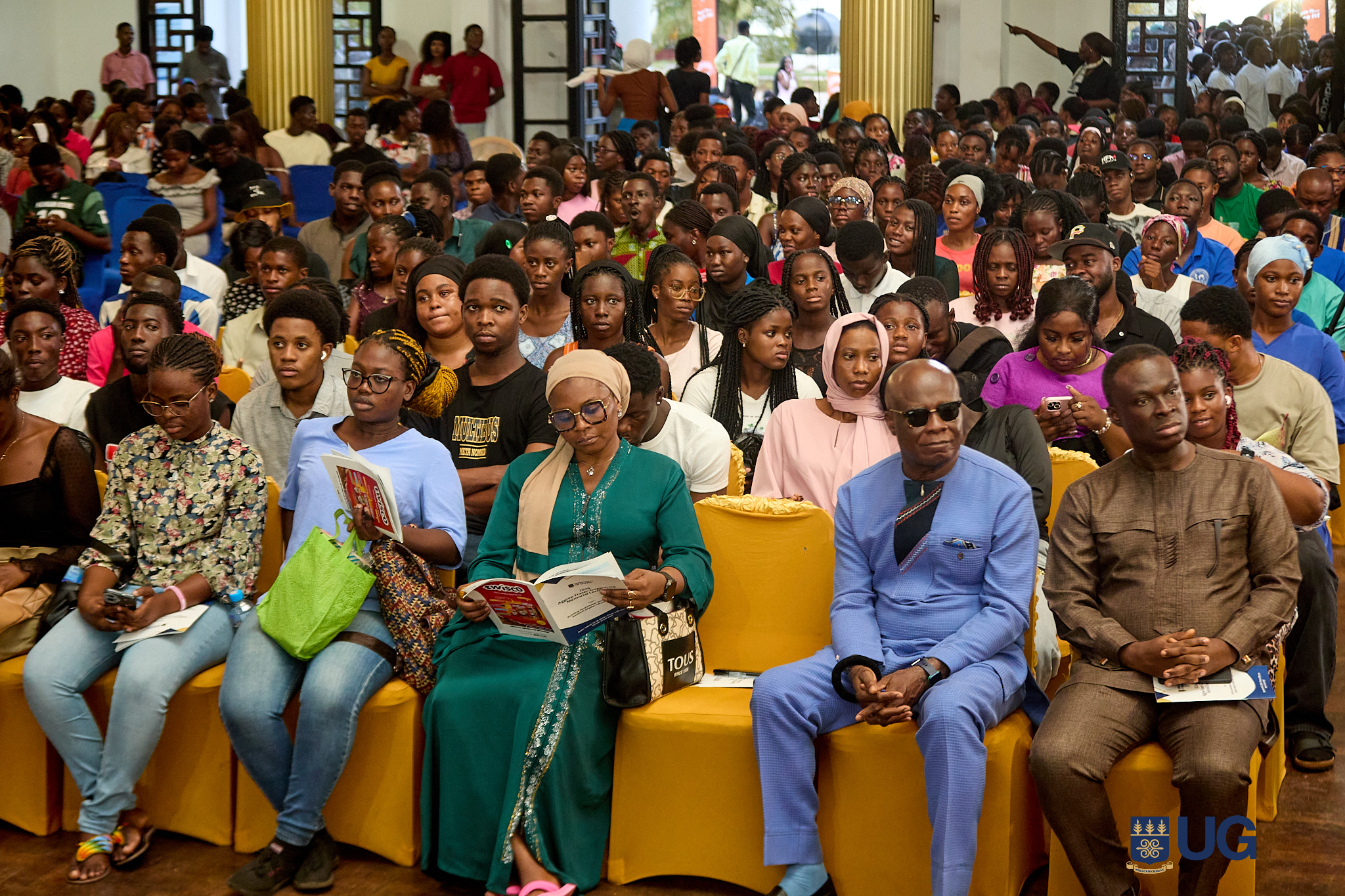
The lectures brought together Members of the University Council, Senior Management and former officials of the University, other members of the University community, members of the diplomatic corps and institutional partners.
Performances across the two-day lecture and special congregation were delivered by the Ghana Dance Ensemble, the University of Ghana Jubilee Choir and featured sign language interpretation by the Centre for Disability Studies and Advocacy. On both days, the Lecturer’s presentations were preceded by Seprewa performances by Mr. Osei Korankye.

The Aggrey–Fraser–Guggisberg Memorial Lectures remain a flagship intellectual platform at the University of Ghana, providing an avenue for leading scholars and practitioners to engage the academic community on issues of national and global relevance. The 2026 edition was supported by Promasidor Ghana limited as the official beverage sponsor, providing refreshment on both days to students who participated in the Lectures.