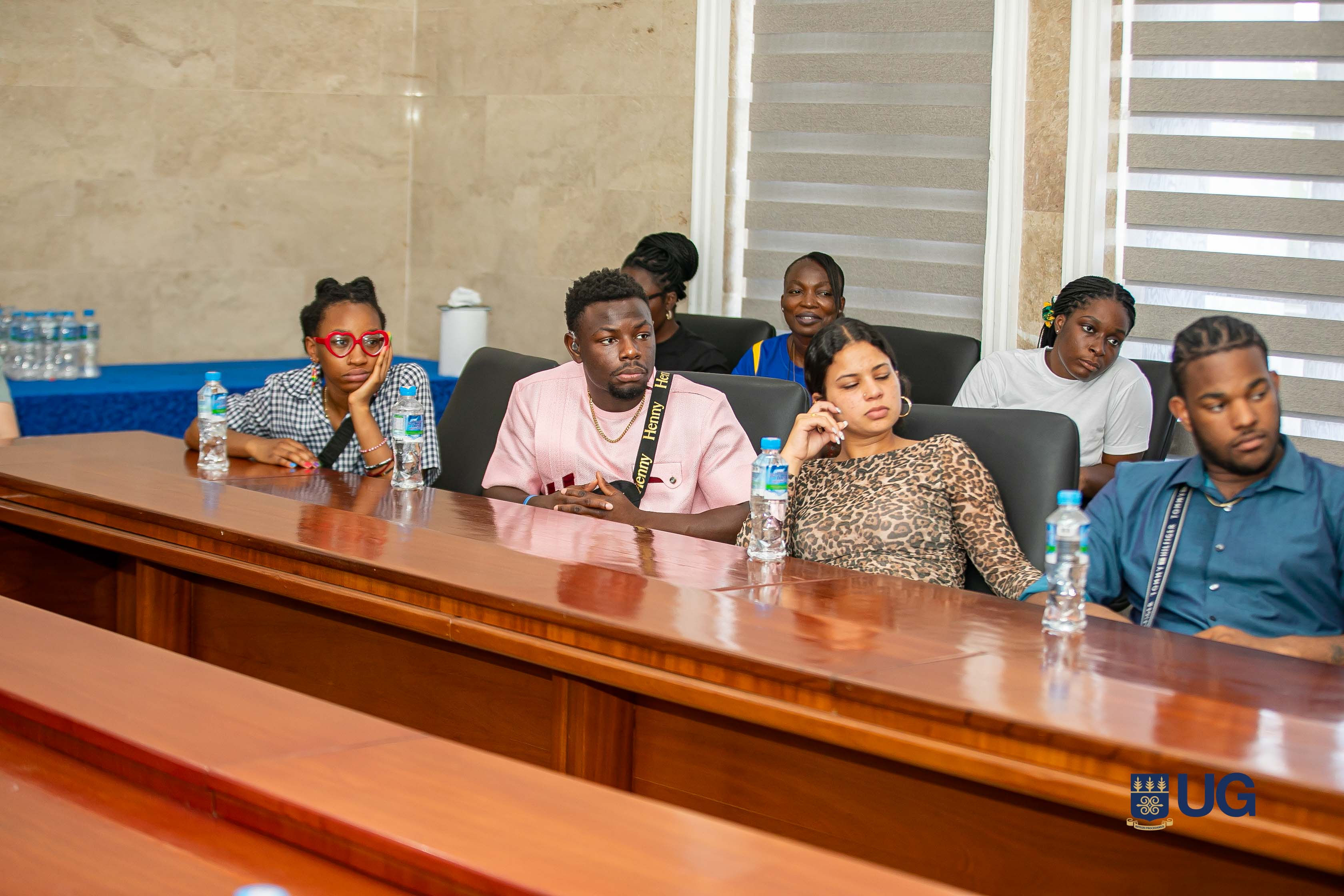
CEDSA and Gallaudet University Collaborate to Advance Deaf Inclusion and Accessibility
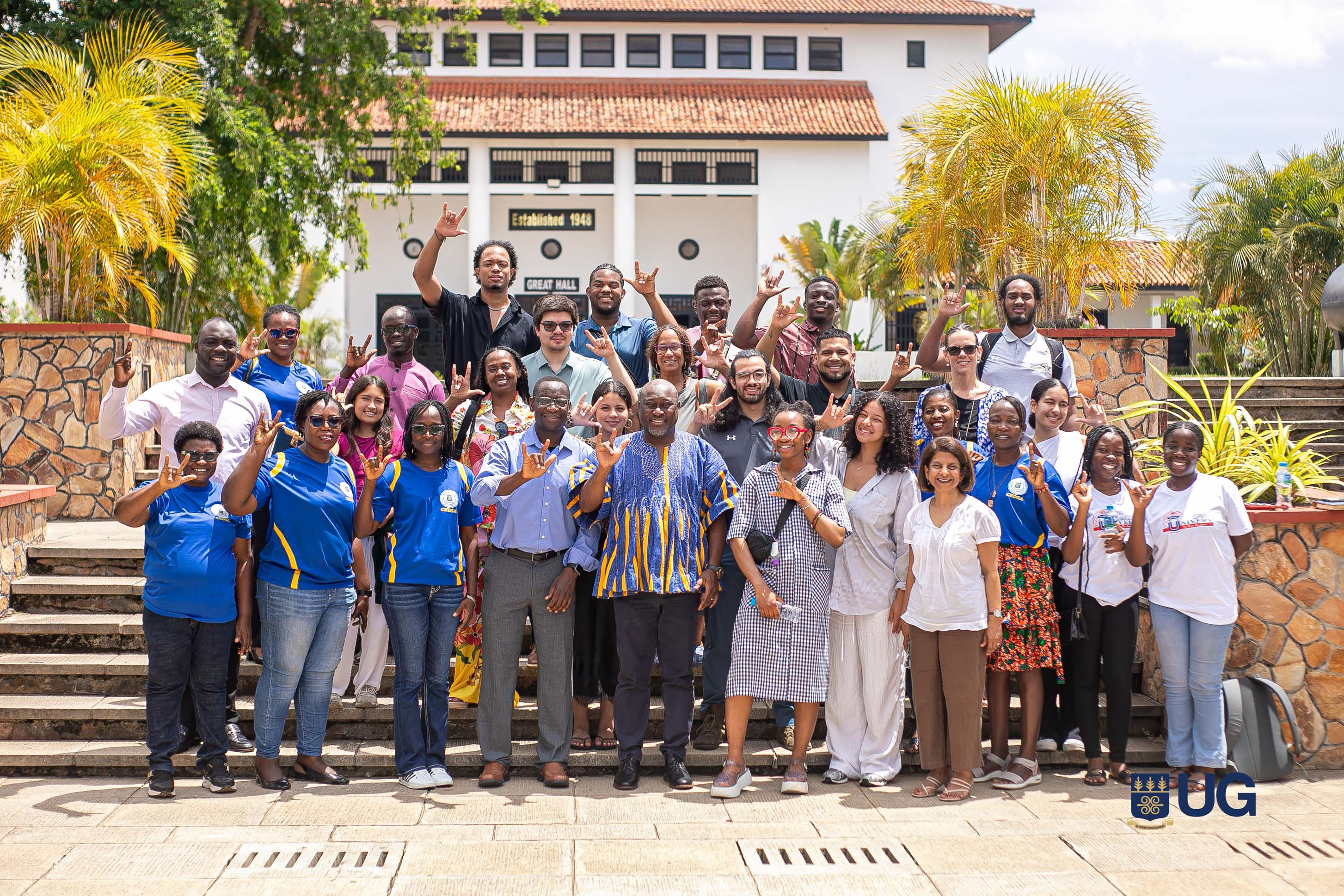
The Centre for Disability Studies and Advocacy (CEDSA) has hosted a delegation from Gallaudet University, US, a globally renowned institution dedicated to the education of deaf students. This visit was to strengthen collaboration on deaf education, accessibility and inclusive learning.
Delivering the welcome remarks, the Director of CEDSA, Prof. Joana Salifu Yendork, noted that the engagement reflects the University’s commitment to student-centered learning, promotion of equity, diversity and inclusion in higher education and international engagement.
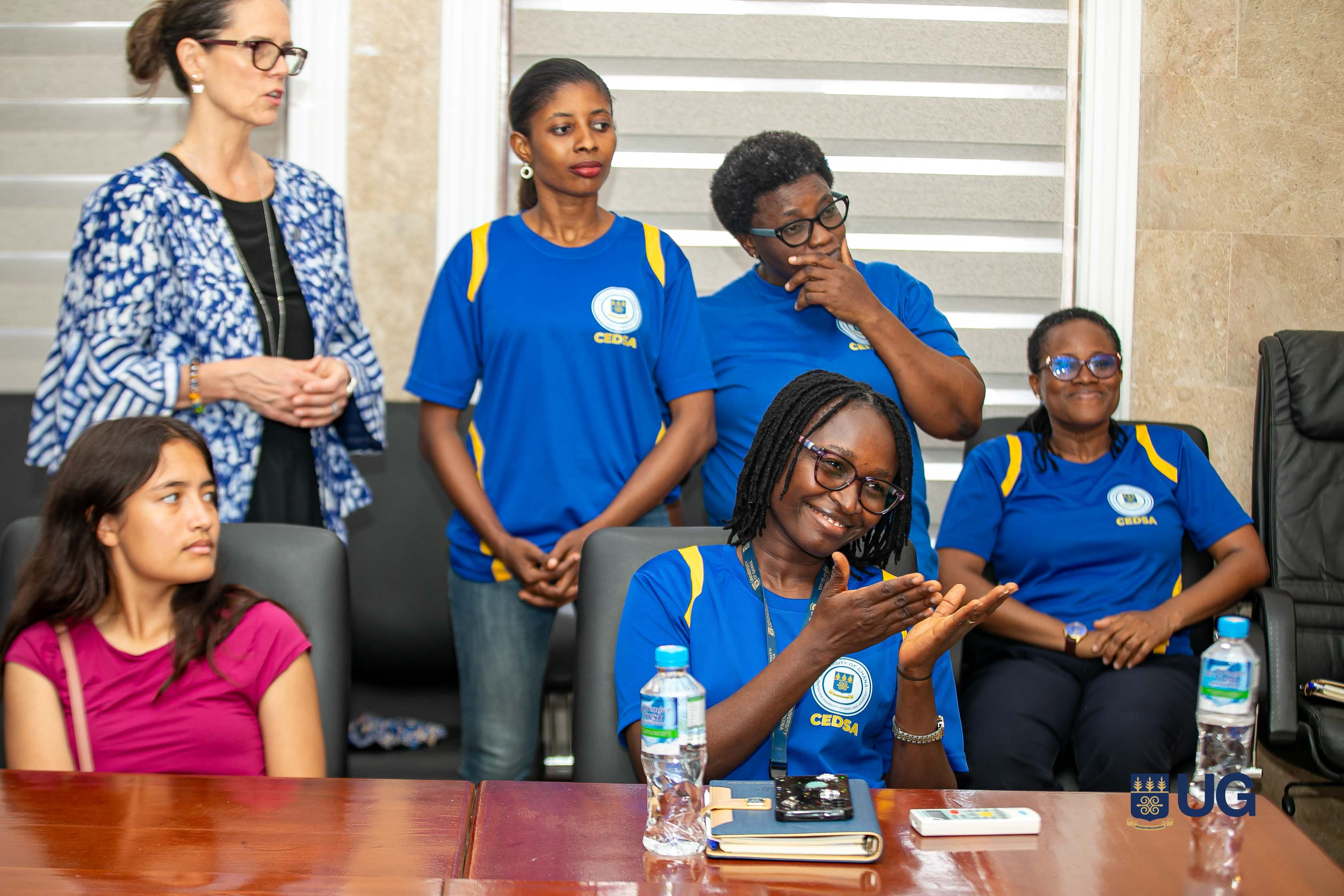
She stated that inclusion should move beyond “symbolic representation” to “practical communication, recognition and promotion, particularly among persons with disabilities,” adding that “inclusion should not merely be a policy aspiration, but a collective responsibility.”
Also addressing participants, the Dean of Student Affairs, Prof. Rosina Kyerematen, commended the partnership between the two institutions. She described the visit as an opportunity for students and staff to broaden their perspectives, deepen mutual understanding and build meaningful relationships across cultures and experiences.
She also expressed hope that the collaboration would lead to future initiatives in research and advocacy.
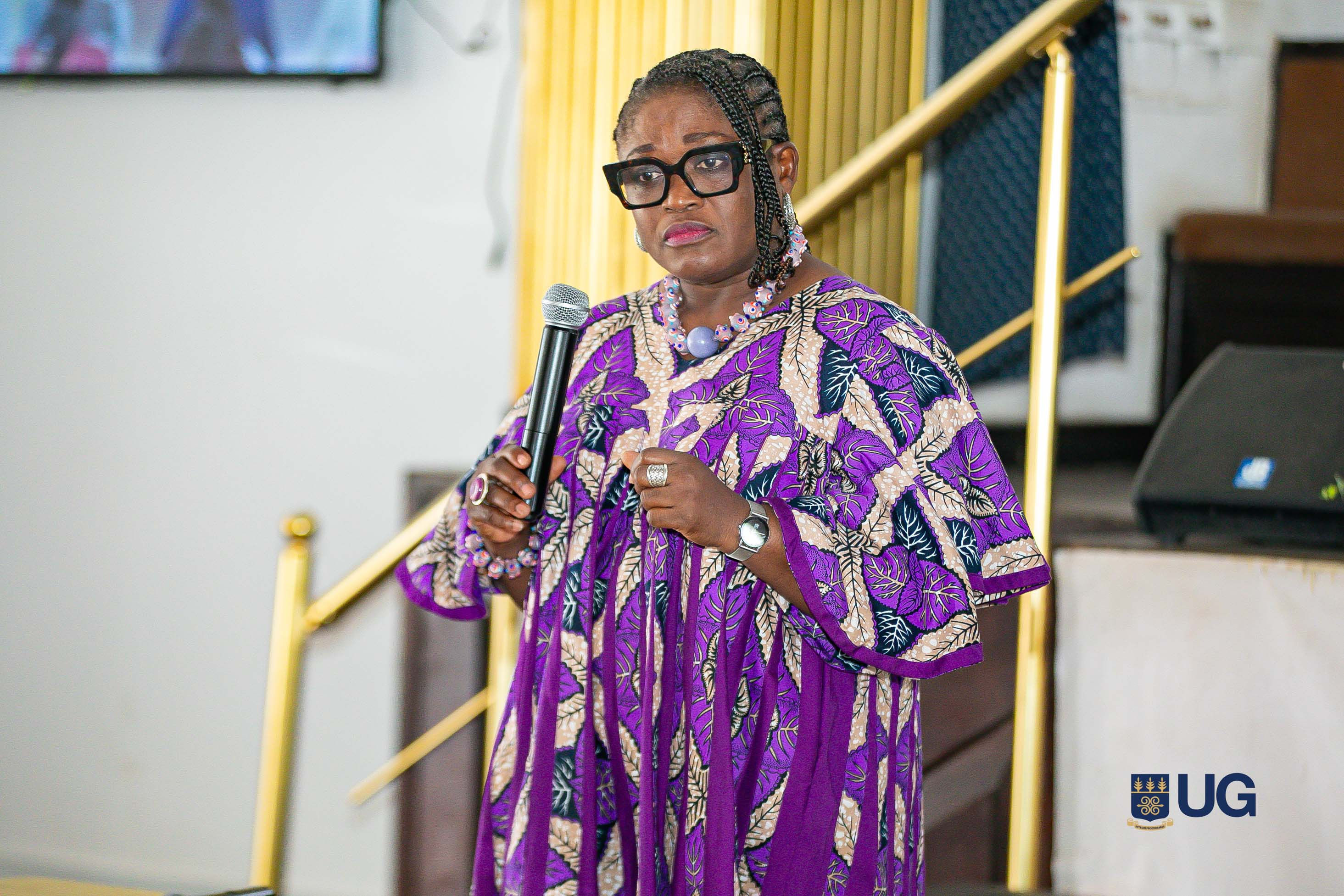
Delivering a presentation, Dr. Gregoire Youbara of Gallaudet University called on institutions and societies to implement practical measures that ensure deaf people can fully participate in education, governance and daily life.
He stressed that deaf people are often excluded even within disability advocacy spaces due to overlooked communication barriers, citing a United Nations meeting where a deaf representative was not provided sign language interpretation.
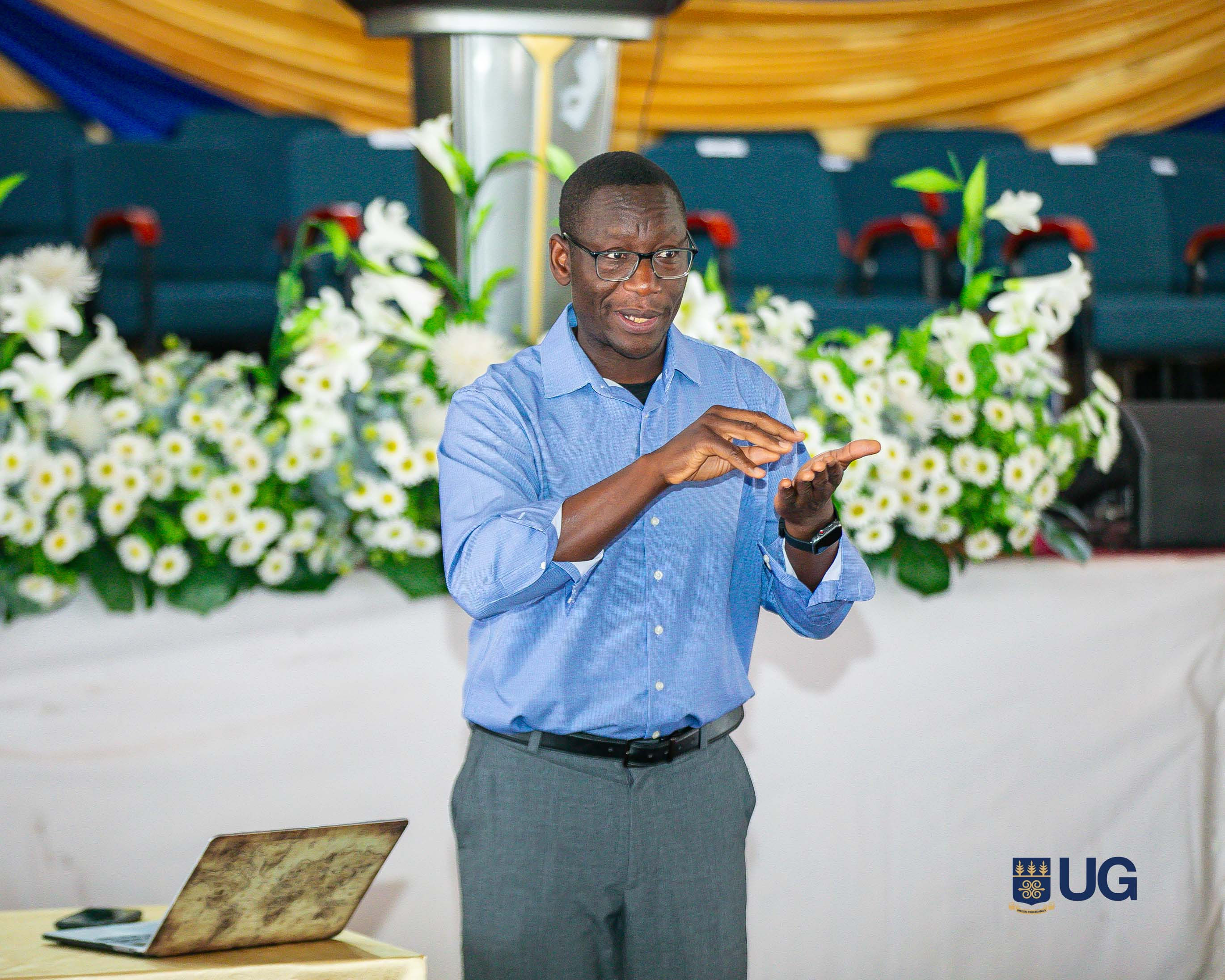
Dr. Youbara also highlighted the “dinner table syndrome,” where deaf children in hearing families are isolated from conversations and emotional connections because communication is inaccessible, affecting their social and emotional development.
He further argued that deaf schools should be recognised as supportive spaces that provide language access, identity and belonging, while advocating for increased investment in sign language education, the employment of deaf instructors and stronger collaboration in research and advocacy to improve deaf education and accessibility worldwide.
The programme also explored the role of technology in improving accessibility for deaf people, including speech-to-text applications and digital sign language learning tools.
During the interactive session facilitated by an Assistant Librarian from UG, Dr. Antonia Bernadette Donkor, students shared experiences in educational and social settings due to the absence of qualified sign language interpreters and accessible communication systems. They also shared experiences on accessibility, deaf education and the importance of stronger support systems for deaf persons within educational institutions and society.
In the closing remarks, Senior lecturer at the Department of Psychology, Dr. Joana Larry-Afutu, described the engagement as an important step toward strengthening deaf education and accessibility initiatives, noting that the discussions will strengthen ongoing collaboration between the institutions.