9th Ibero-American Film Festival hosted at UG, Strengthening Cultural and Diplomatic Ties
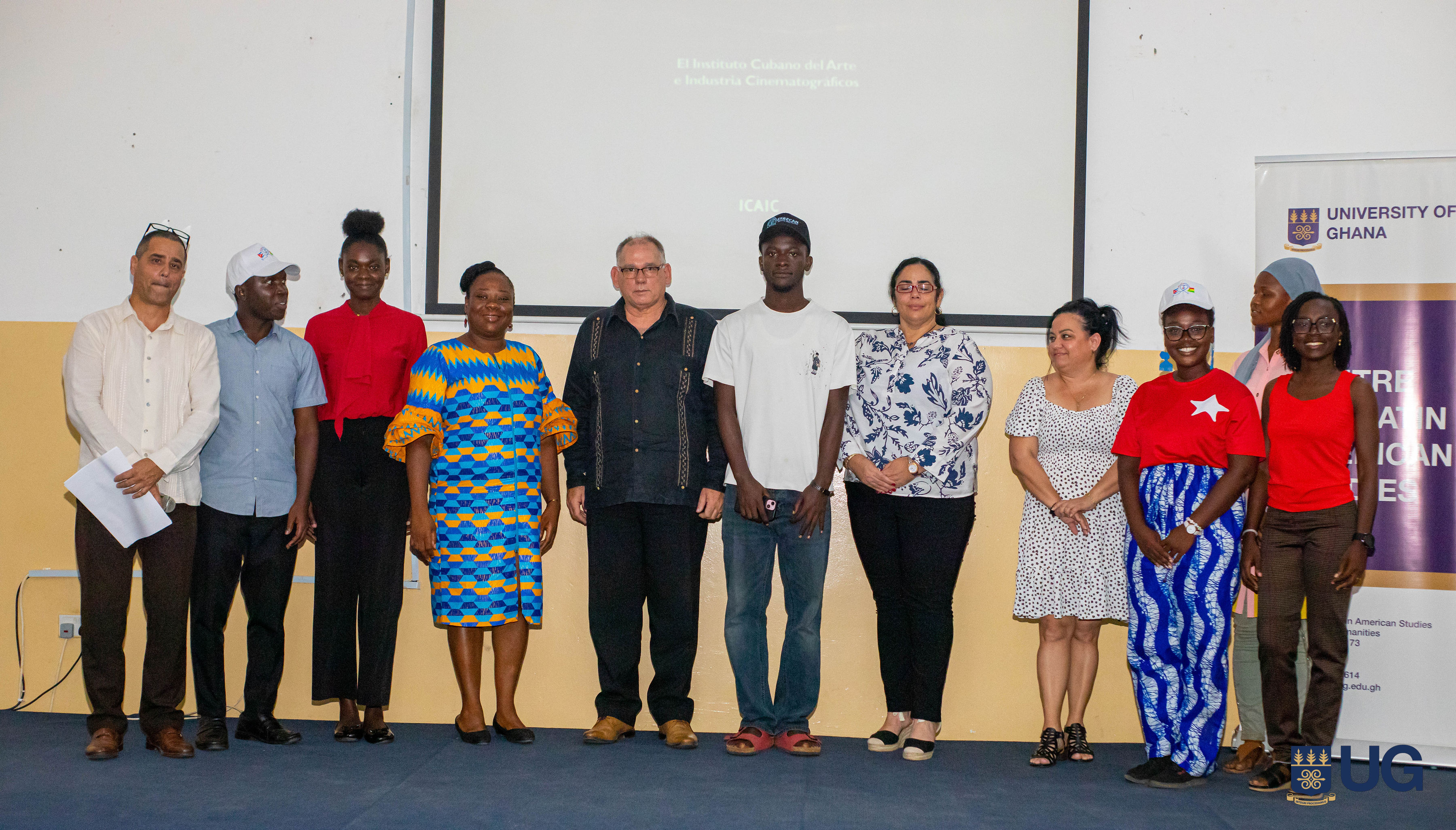
The University of Ghana, through its Centre for Latin American Studies in collaboration with the Department of Modern Languages and Ibero-American embassies, successfully hosted the 9th Ibero-American Film Festival, a two-week celebration of cinema, culture and international collaboration.
The festival featured films from six countries, Brazil, Colombia, Spain, Mexico, Peru and Cuba and brought together diplomats, students, faculty and members of the Ghanaian and visiting communities for screenings, dialogue and cultural exchange.
One of the featured screenings was the Brazilian film Medida Provisória (Executive Order), presented in honour of Brazil’s Black Awareness Day, observed annually on 20 November to commemorate the life and legacy of Zumbi dos Palmares, the historic Afro-Brazilian resistance leader.
In her remarks, the Ambassador of Brazil to Ghana, H.E. Mariana Madeira, underscored the deep historical and cultural connections between Brazil and Africa, particularly Ghana. She encouraged students to explore Brazil’s Afro-descendant history, including the Quilombo communities and their resistance to slavery. The screening sparked thoughtful discussions on racial identity, social inequality and historical memory.
Mrs. Josephine Ofori of the Department of European Languages noted that the festival strengthens cultural exchange by exposing students to diverse societies through film. She acknowledged logistical challenges, including language barriers, as Portuguese is not currently taught at the University and scheduling constraints within the academic calendar. Looking ahead, she expressed hope for expanded collaborations, including productions that blend Ghanaian and Latin American cultural narratives.
In a related event, the Cuban Embassy hosted a powerful closing screening with the featured film, Kangamba (2008), directed by Rogelio París. The film dramatises a real episode from Angola’s struggle for independence; the intense nine-day battle in the village of Kangamba in August 1983 and honours Cuban internationalists who fought alongside Angolan forces.
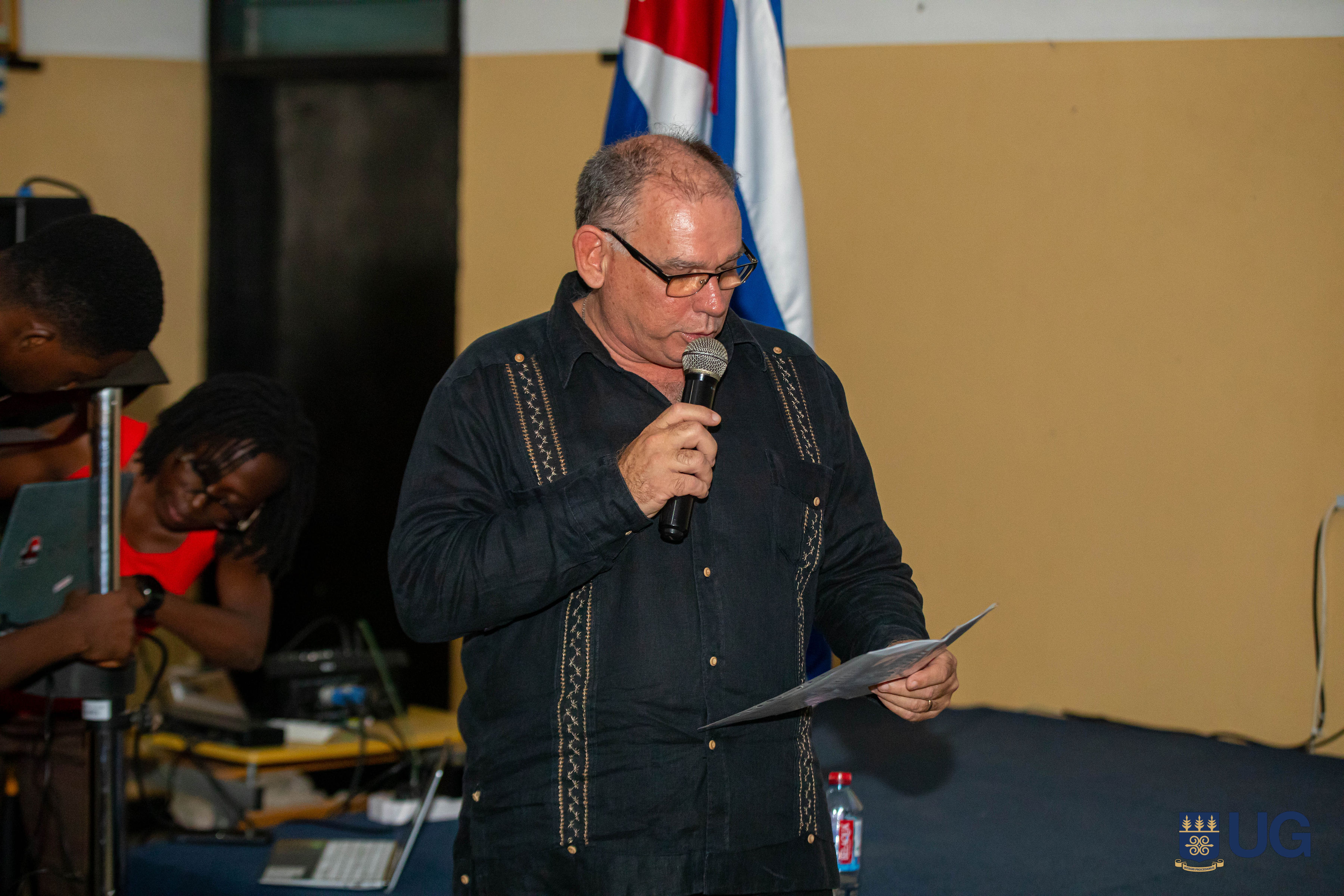
In his welcome remarks, the Deputy Head of Mission of the Cuban Embassy, Jamil Martinez, reflected on the longstanding ties between Ghana and Cuba dating back to the early 1960s. He described cinema as a tool of cultural diplomacy that revives shared histories and fosters intergenerational solidarity.
The Cuban Ambassador, H.E. Julio Enrique Pujol Torres, contextualised the film within Cuba’s broader international solidarity efforts, including Operation Carlota and key battles such as Cuito Cuanavale, which contributed to the defeat of apartheid, the independence of Namibia and the eventual release of Nelson Mandela. He reaffirmed the Embassy’s commitment to supporting future editions of the festival.
The Director of the Centre for Latin American Studies, Prof. Benedicta Lomotey, emphasised that while the festival centres on cinema, its academic reach extends into economics, politics and social studies. She highlighted film as an accessible gateway to deeper scholarly engagement, enhancing language learning, cultural literacy and professional networking through direct interaction with diplomats and native speakers.
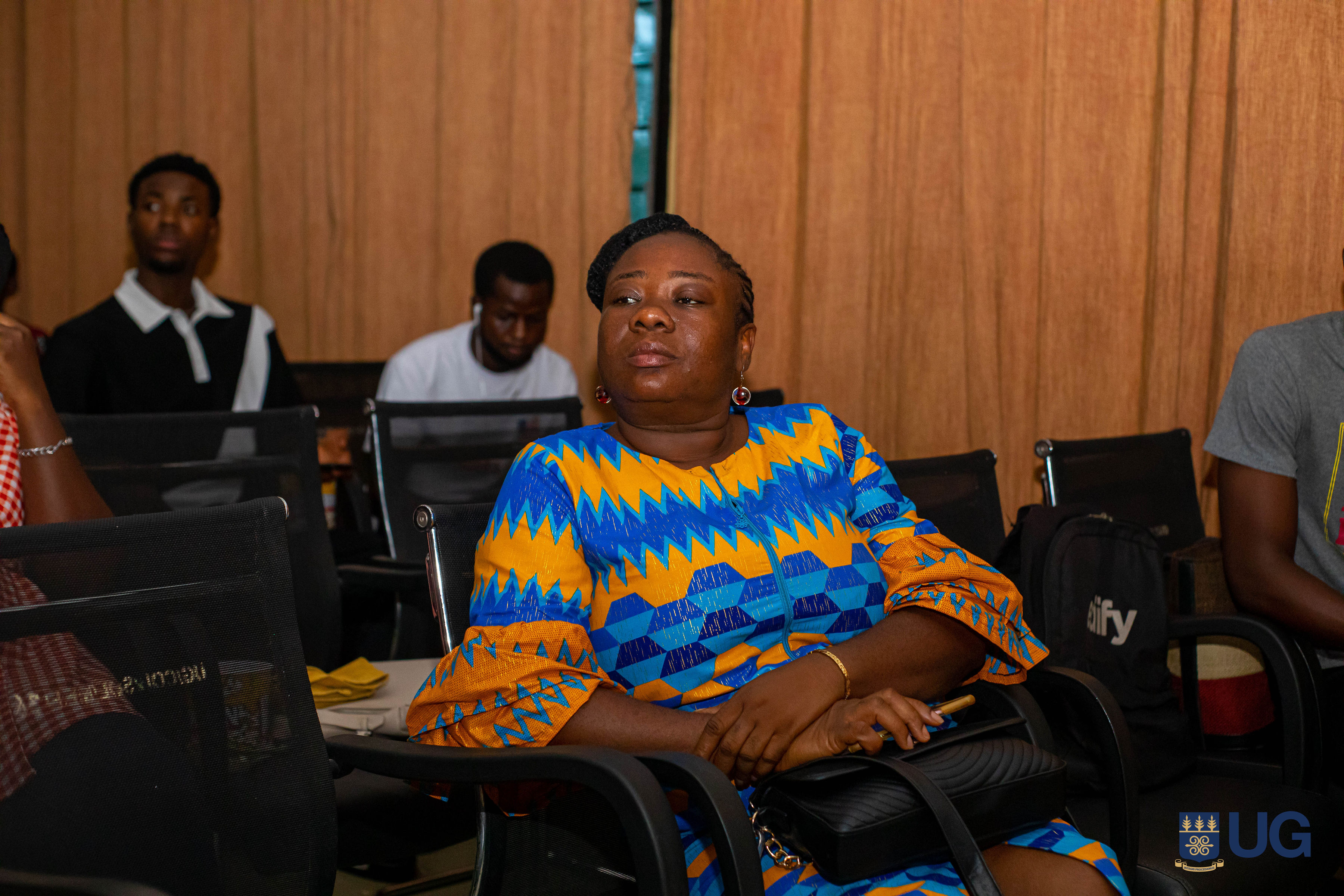
Interactive discussions followed the screenings, including reflections from Brazilian filmmaker Rafael Aquino and active student participation. Attendees examined themes of identity, resistance and transatlantic solidarity linking Africa and the Ibero-American world.
Student voices reflected the festival’s broad appeal. Osei Acheampomaa, a Level 200 Spanish student, described film as a vivid tool for understanding language, history and social realities. Other students praised the themed activities, trivia segments and opportunities to engage directly with diplomatic representatives, while calling for even broader student participation in future editions.
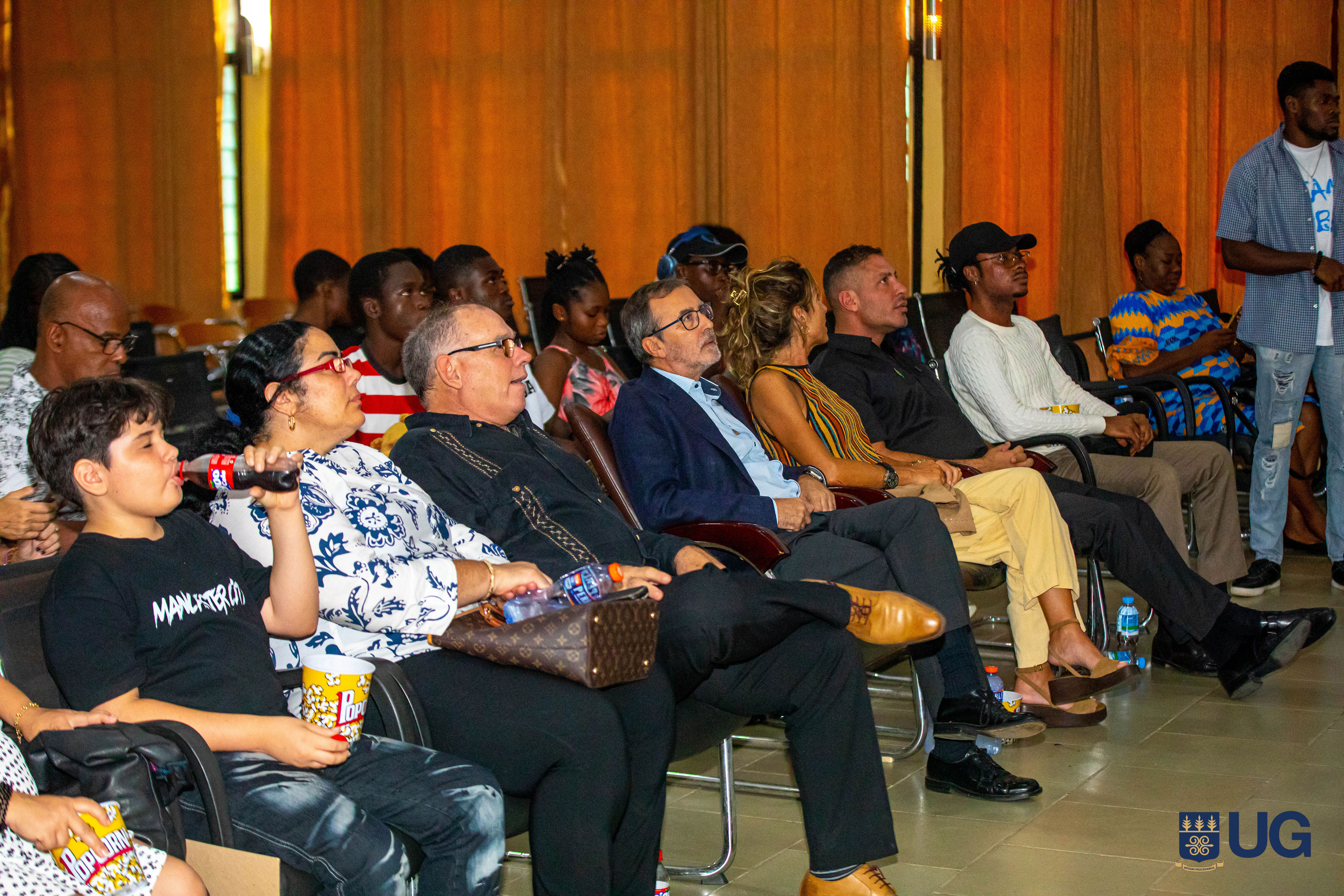
The 9th Ibero-American Film Festival reaffirmed the University of Ghana’s commitment to cultural diplomacy, intercultural learning and international partnership. Through film, discussion and collaboration, the festival continues to strengthen ties between Ghana and the Ibero-American world while enriching the University’s academic and cultural landscape.