152 New Beneficiaries Receive Laptops to Support Digital Skills and Academic Success
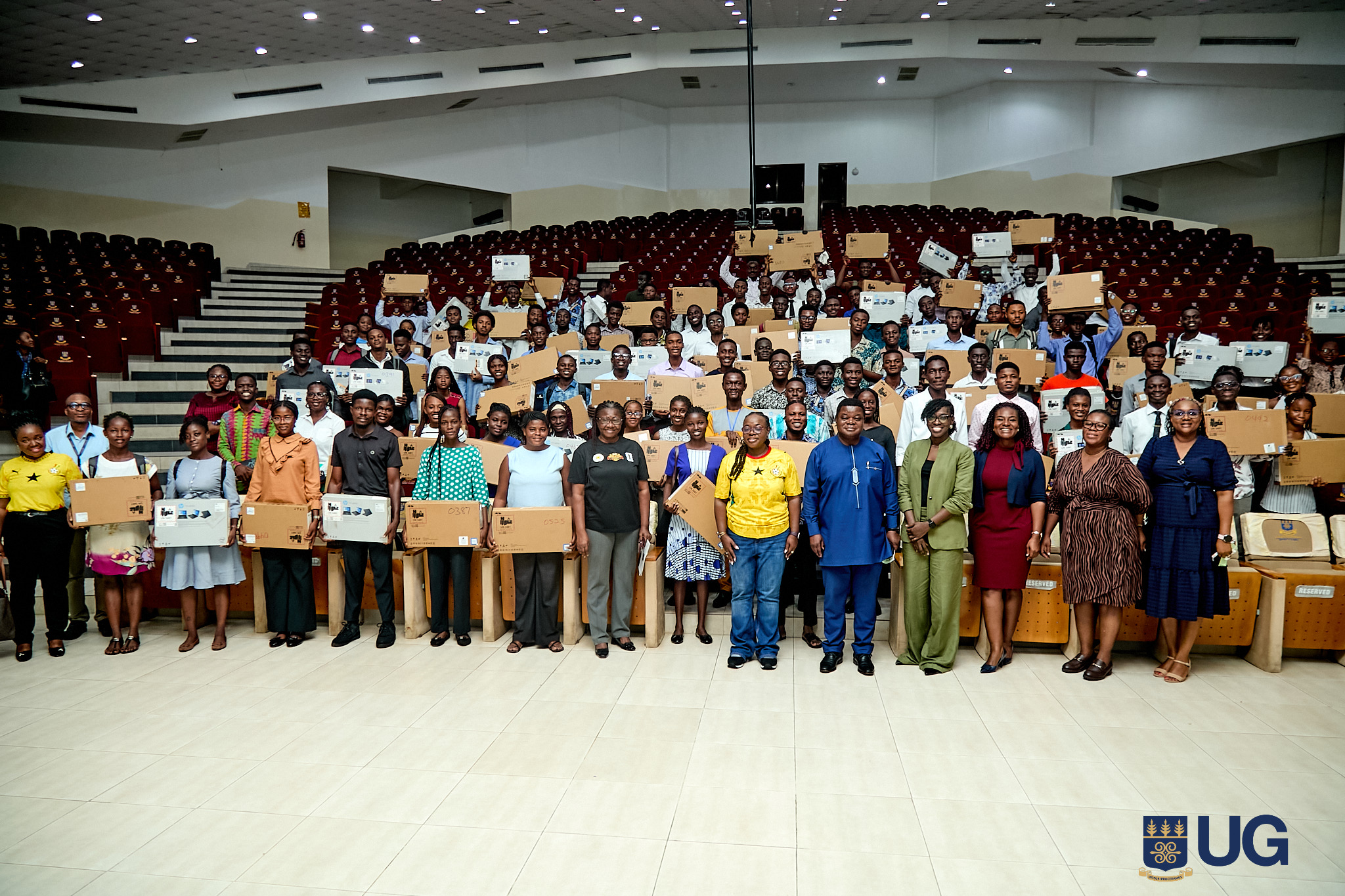
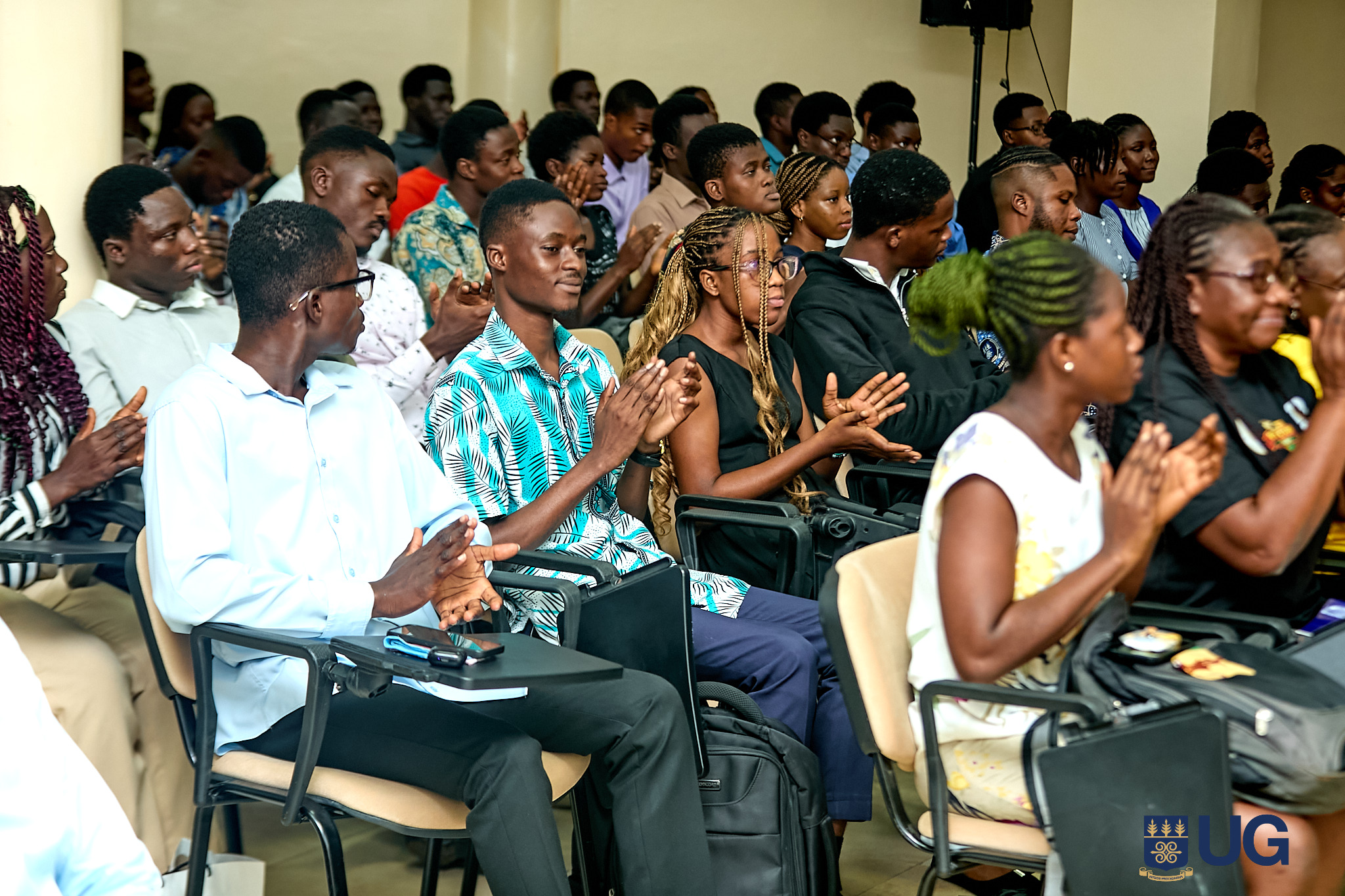
A total of 152 students from various departments of the University have received laptop computers under the University’s One Student One Laptop (1S1L) Initiative, a flagship programme championed by the Vice-Chancellor, Prof. Nana Aba Appiah Amfo, to enhance digital inclusion, support academic success and ensure equitable access to technology for students.
The laptops were presented at the 7th Laptop Distribution Ceremony held at Seminar Room 3 of the Cedi Conference Centre on June 23, 2026.

Delivering the purpose of the gathering, the Chair of the 1S1L Implementation Committee, Prof. Peter Quartey, underscored the importance of the initiative in preparing students to remain relevant in an increasingly digital and interconnected world.
He described the programme as a transformative intervention aimed at equipping students with the tools needed to thrive academically and compete effectively in the global community.
Prof. Quartey commended the Vice-Chancellor for her leadership and commitment in mobilising support for the initiative and expressed appreciation to members of the implementation and selection committees for their dedication and hard work.
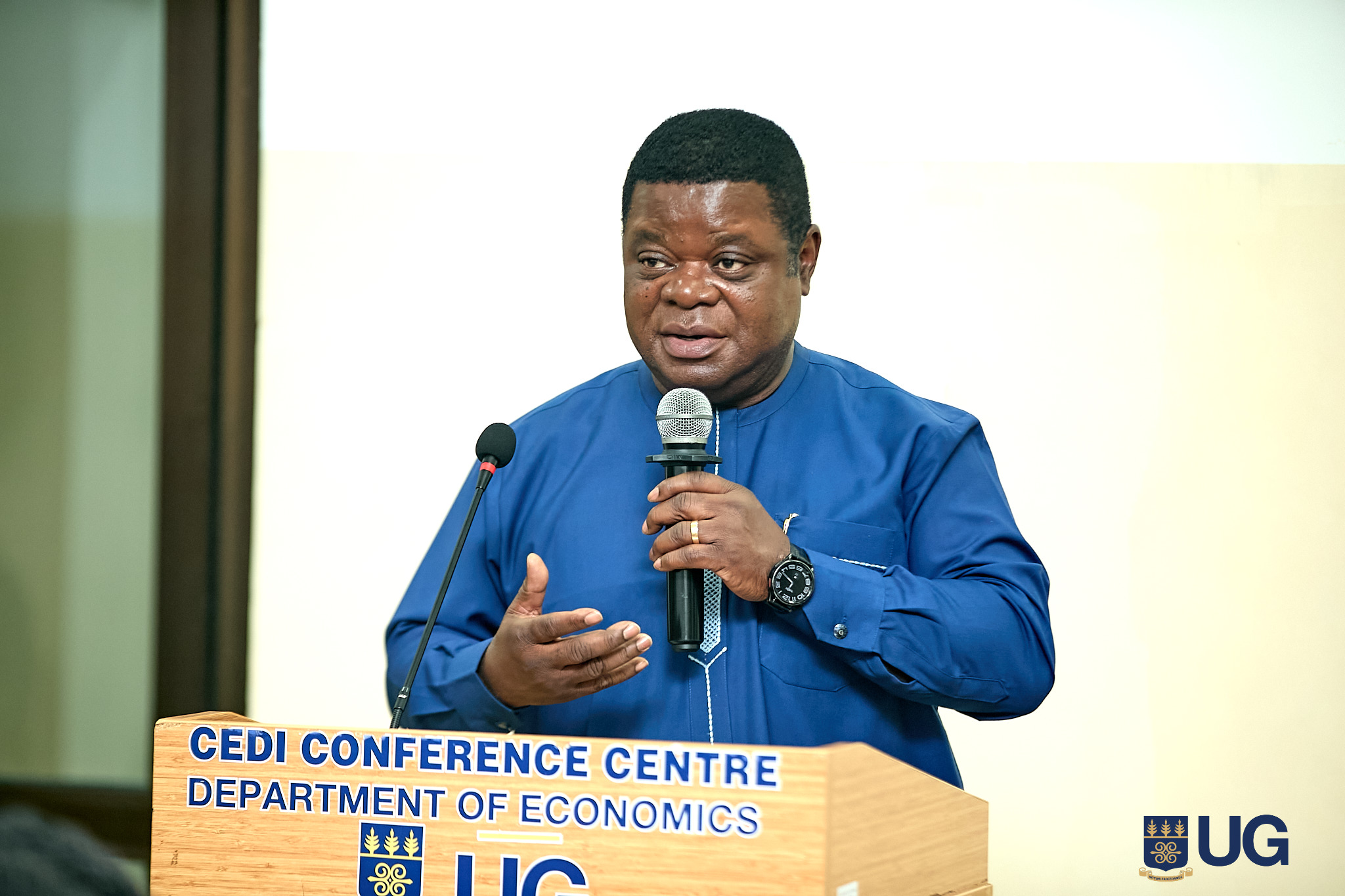
The Committee Chair disclosed that since the inception of the programme, a total of 1,196 laptops have been secured from various donors. Of this number, 625 laptops have been distributed, while 571 are being processed for distribution, including the latest batch of 152 laptops. He encouraged the beneficiaries to take proper care of the laptops and utilise them effectively to support their studies and personal development.
Speaking on behalf of the 1S1L Selection Sub-Committee, Prof. Mansa Fredua-Agyeman outlined the rigorous procedures adopted to ensure that beneficiaries are selected fairly and based on genuine need. She explained that the initiative seeks to ensure that no student is left behind in the University’s drive towards digital learning and technological advancement.
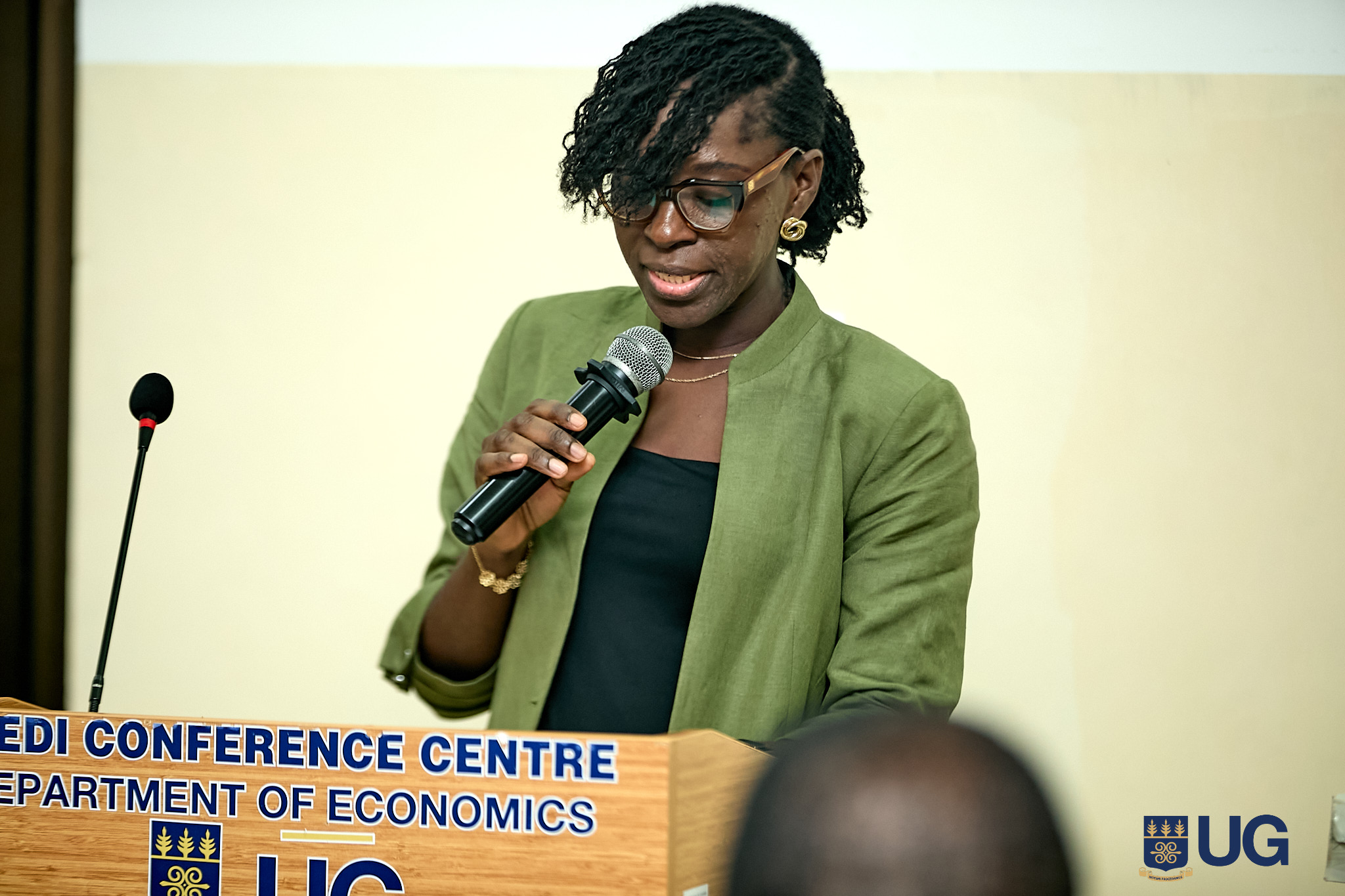
According to her, access to a laptop is no longer a luxury but a necessity in contemporary higher education. She noted that the initiative is helping to bridge the digital divide among students while promoting equitable access to educational resources and opportunities, with the sub-committee working to ensure that laptops reach well-deserving students who need them most.
Presenting the laptops, the Vice-Chancellor, Prof. Nana Aba Appiah Amfo, expressed appreciation to the 1S1L Implementation Committee, the Students’ Financial Aid Office (SFAO), the Public Affairs Directorate (PAD) and the Information Technology Directorate (ITD) for their collective efforts in ensuring the successful implementation of the programme.
She reiterated that the initiative aligns with the University’s strategic priority of enhancing the student experience and ensuring that students are equipped with the essential skills required to function effectively in a rapidly evolving digital environment.
Prof. Amfo noted that one of the key objectives of the University is to ensure that students acquire the knowledge and digital competencies needed to excel academically and professionally. She emphasised that having personal access to a laptop significantly enhances students’ ability to engage with learning resources, conduct research, collaborate with peers and develop critical digital skills.
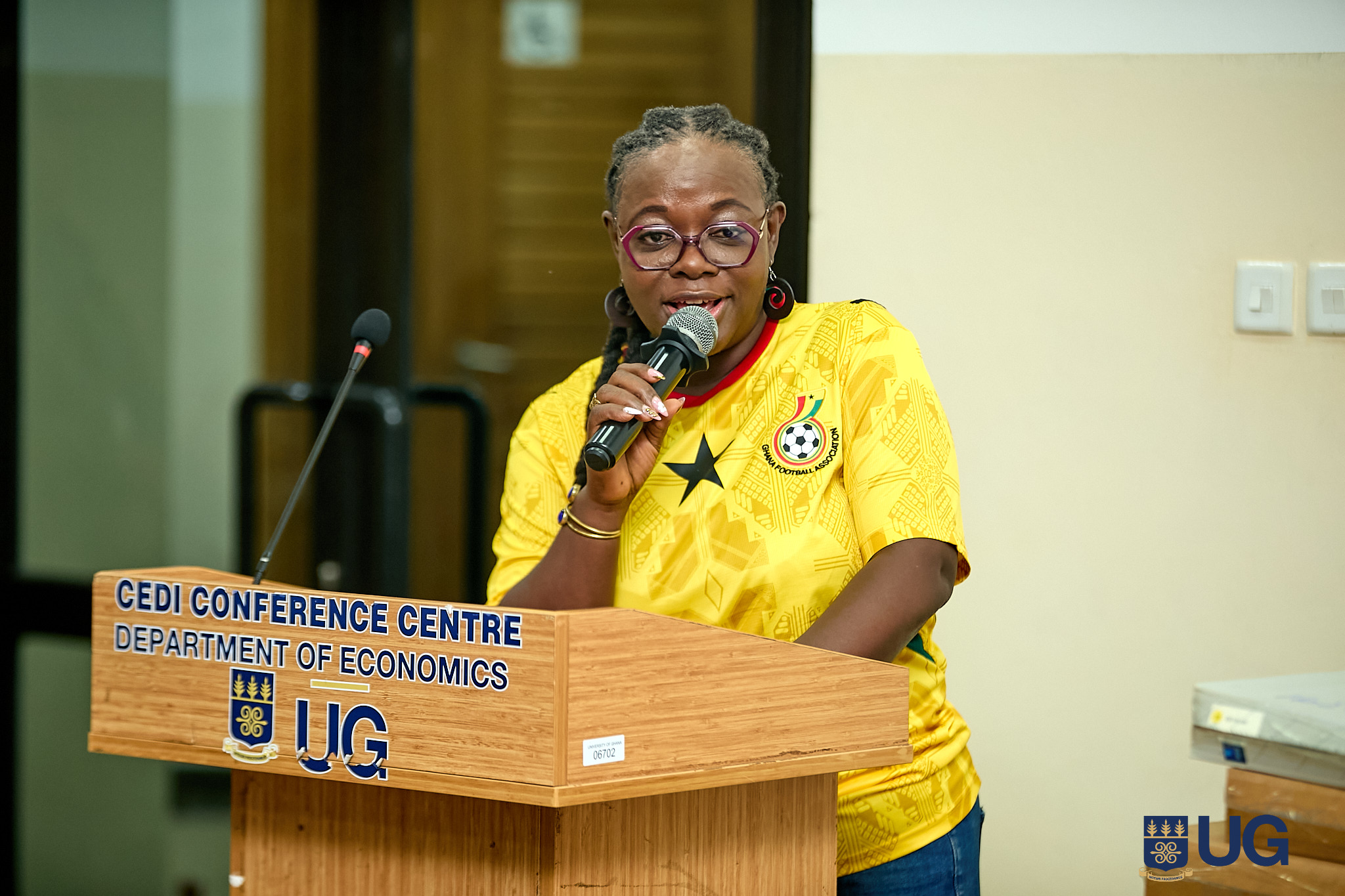
The Vice-Chancellor urged the beneficiaries to use the laptops purposefully and productively, reminding them that the devices had been entrusted to them through the generosity of others. She encouraged them to work hard, excel in their academic pursuits and remain connected to the University, noting that when they are in a position to support others, they should remember the University and contribute to initiatives that support future generations of students.
She further advised the students to view the laptops not merely as devices but as tools for learning, innovation and personal growth. “Today, you are beneficiaries of the generosity of others. When you complete your studies and find yourselves in positions to support others, remember to pay it forward and support the University in creating similar opportunities for future students,” she urged.
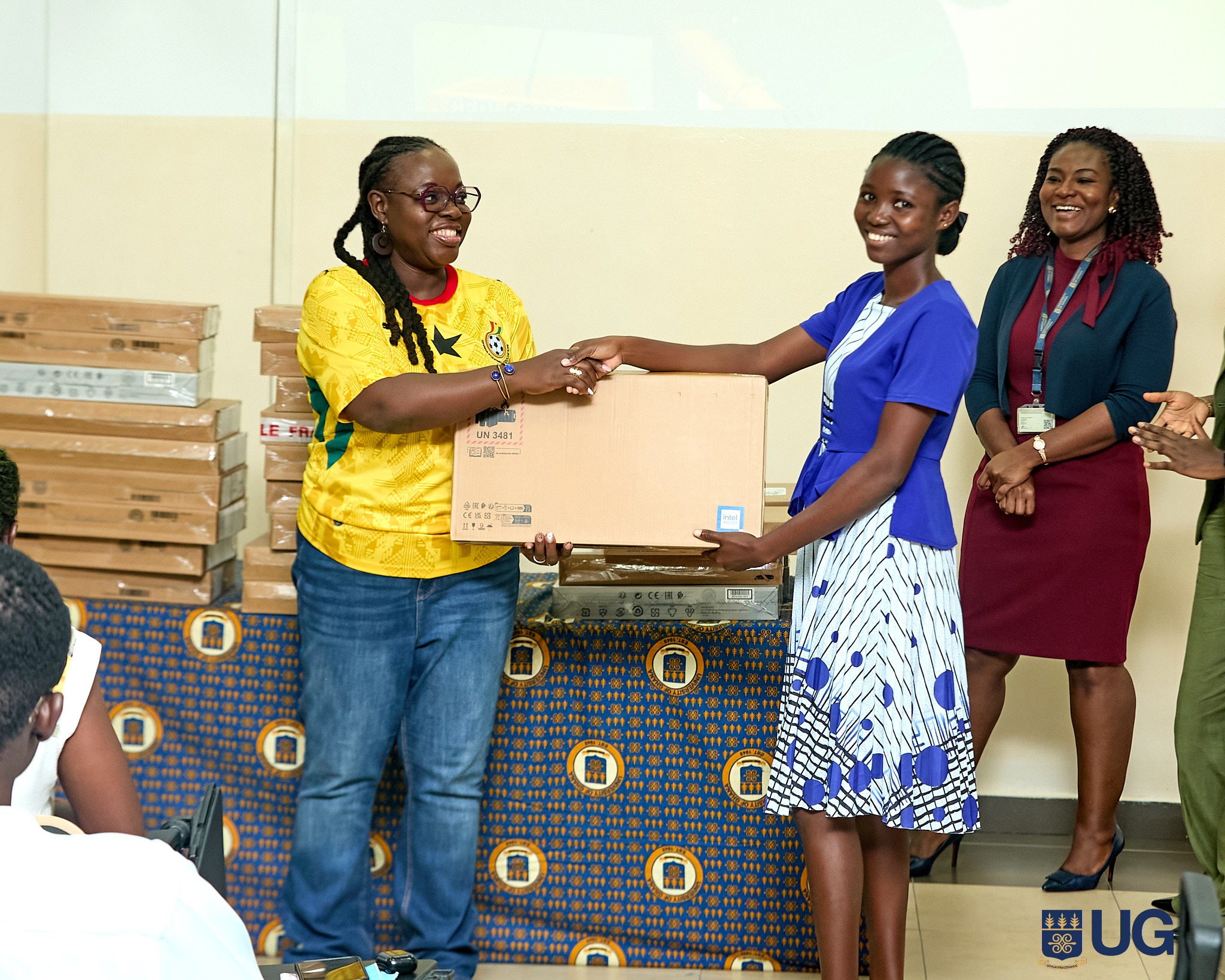
Prof. Amfo also expressed gratitude to the corporate organisations, individuals and unions whose generous donations have sustained the initiative since its inception. She commended their commitment to supporting student success and helping to expand access to digital learning resources across the University community.
The Vice-Chancellor congratulated the beneficiaries and expressed confidence in their ability to make the most of the opportunity. She also indicated that she looked forward to hearing their future success stories.
In earlier remarks, the Director of the Public Affairs Directorate, Dr. (Mrs.) Elizier Taiba Ameyaw-Buronyah, reflected on the positive impact of the initiative on previous beneficiaries. She noted that over the years, the programme has helped many students overcome challenges associated with access to digital learning tools, enabling them to participate more effectively in academic activities, research, online learning and skills development.
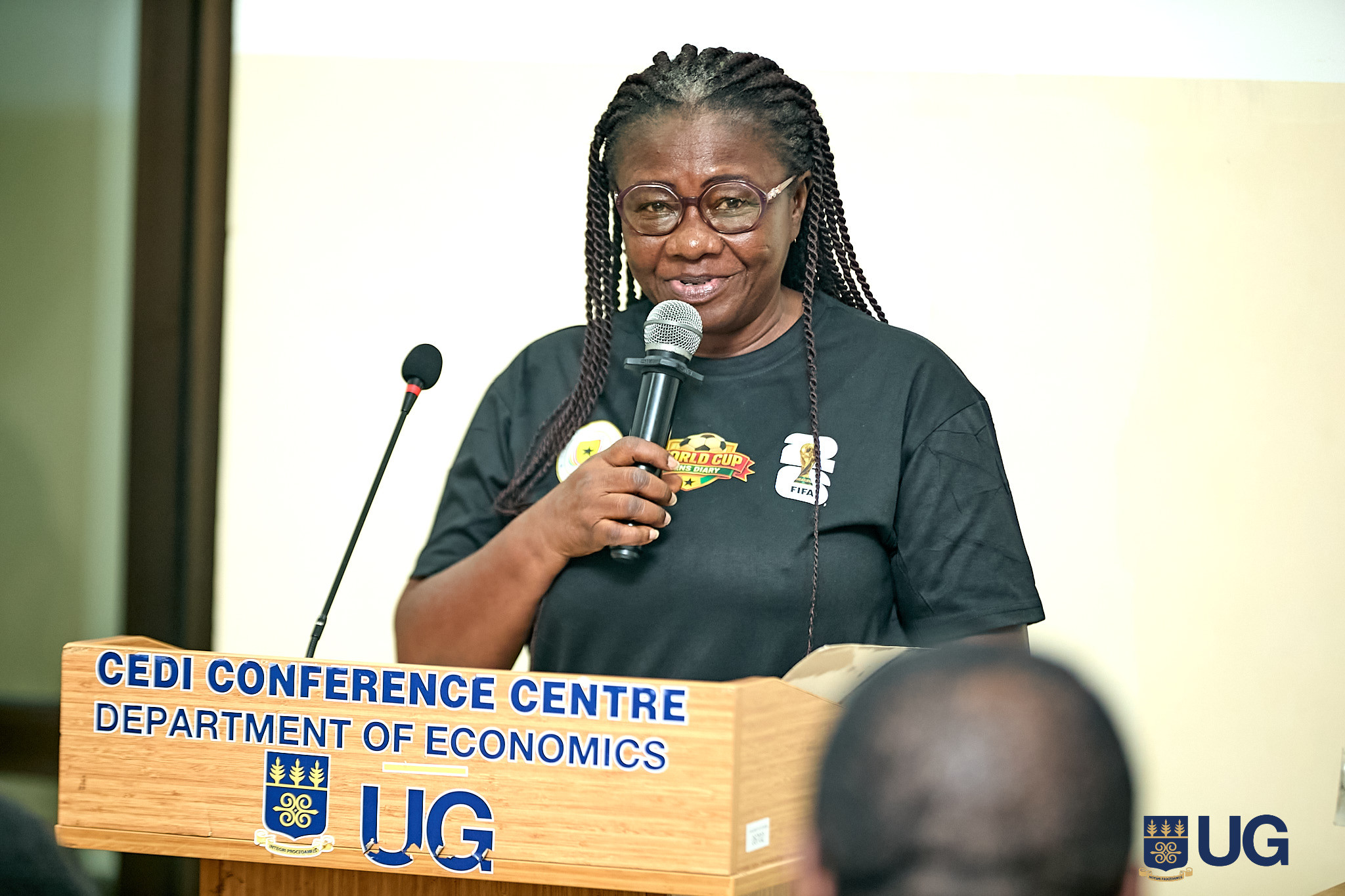
The PAD Director added that testimonies from past recipients continue to demonstrate the transformative impact of the initiative on students’ academic journeys and overall university experience.
Speaking on behalf of the beneficiaries, Ms. Mary Bilson Adansi, a BA Human Resource Management student, expressed profound gratitude to University Management, donors and all stakeholders whose support made the distribution possible. She assured the Management and the Implementation Committee that the recipients would make productive use of the laptops and remain committed to achieving academic excellence.

The One Student One Laptop Initiative continues to play a vital role in advancing digital inclusion and ensuring that students have access to the technological tools required for academic excellence at the University of Ghana.