Kidney Disease in Africa Requires More Than Dialysis, Says Prof. Vincent Boima
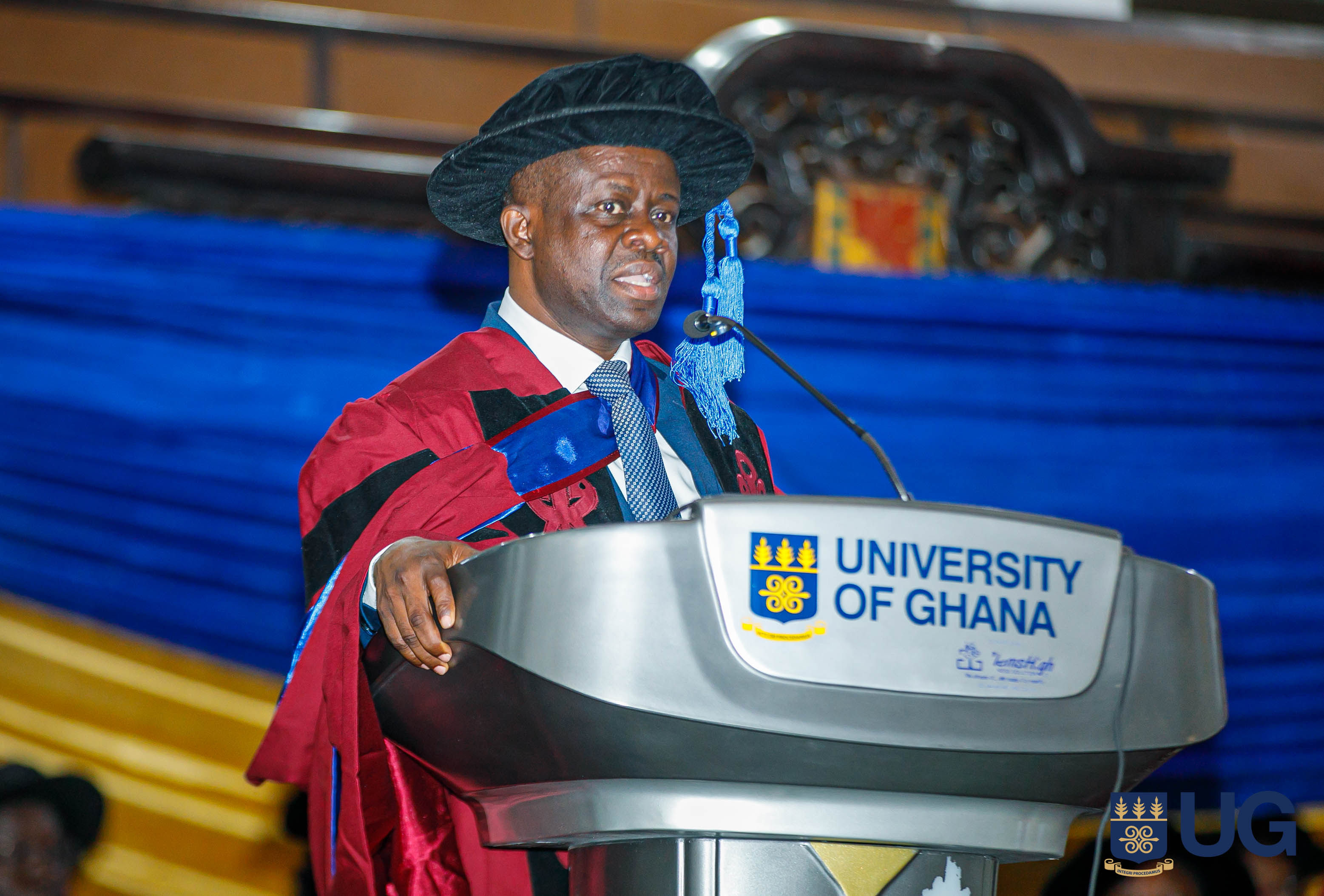
A Professor at the University of Ghana Medical School, Prof. Vincent Boima, has underscored the need for a more holistic and Africa-led approach to addressing chronic kidney disease, stressing that the continent’s growing kidney disease burden requires solutions that go beyond dialysis and conventional treatment models.
Delivering his inaugural lecture at the University of Ghana on the topic, “From Genes to Mind: Holistic Pathways to Precision Kidney Care for Africa,” Prof. Boima highlighted the complex interaction between genetics, mental health, environmental exposures, poverty and weak health systems in shaping kidney disease outcomes across Africa.

He described chronic kidney disease as a “silent crisis” affecting many young and economically productive Africans, often with devastating social and financial consequences for families.
According to him, many patients only seek medical attention when the disease has already progressed to advanced stages, requiring dialysis or transplantation, which remain inaccessible or unaffordable for many people.
Drawing from years of research and clinical practice, Prof. Boima recounted the story of a trader diagnosed with end-stage kidney disease who repeatedly asked whether his condition could have been prevented, a question the Professor said continues to shape his work and research focus.
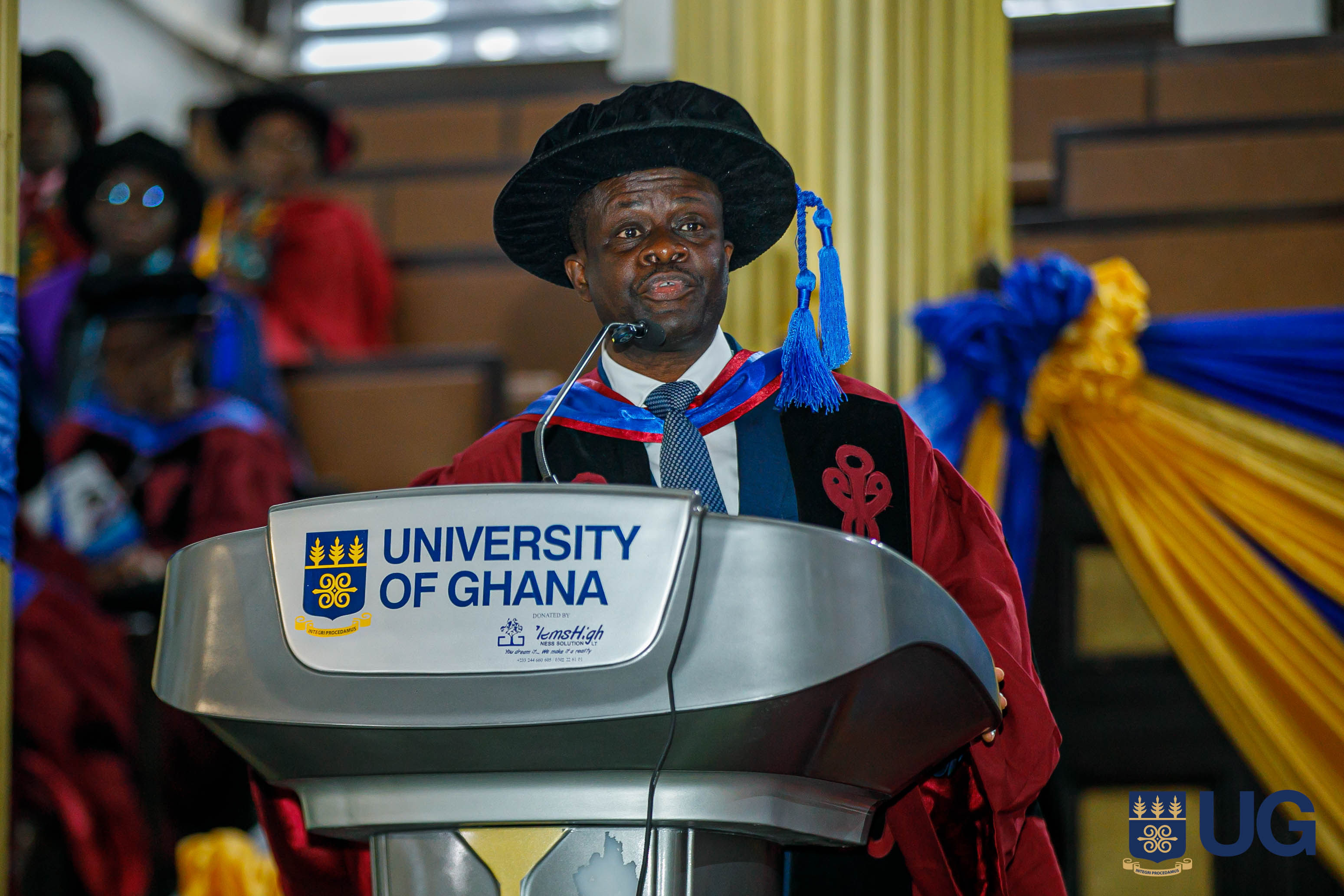
A major aspect of the lecture focused on the role of genetics in kidney disease among Africans, particularly the APOL1 gene variants common in West African populations.
Prof. Boima explained that while these genetic variants historically offered protection against sleeping sickness, they are now associated with a significantly increased risk of kidney disease.
Drawing on several studies across Ghana and other parts of Africa, he also pointed to significant genetic variations across regions and ethnic groups that predispose some populations to a higher risk of chronic kidney disease.
According to him, understanding these genetic differences could improve early detection, risk prediction and patient management, while helping shape more targeted healthcare interventions for African populations.
He further noted that stronger surveillance systems, community screening programmes and precision-based approaches to healthcare could be adopted to improve prevention efforts, guide treatment decisions and limit the long-term burden of kidney disease across the continent.
Prof. Boima noted that findings from his research indicate that nearly one-third of some study populations possess high-risk APOL1 genotypes, raising important public health concerns for Ghana and the wider West African region.
Beyond genetics, he highlighted environmental and lifestyle factors such as the misuse of pain medications, herbal remedies, heavy metal exposure, air pollution and excessive heat as contributing factors to worsening kidney disease risk.
The lecture also emphasised the often-overlooked connection between kidney disease and mental health.
Prof. Boima noted that depression is common among patients living with hypertension and chronic kidney disease and significantly affects treatment adherence and health outcomes. “Psych care is nephrology care,” he stressed, arguing that kidney treatment in Africa must move beyond purely biomedical approaches to include emotional, psychological and social support systems.
He further called attention to the financial burden of kidney disease in Ghana, noting that several regions still lack dialysis centres, leaving many patients without access to life-saving treatment.
According to him, prevention, early screening and community-based interventions remain critical if Ghana and other African countries are to reduce the growing burden of kidney disease.
Prof. Boima also urged African countries to take a leading role in shaping precision medicine research rather than merely participating in global studies. He argued that Africa’s unique genetic diversity and disease patterns make it necessary for the continent to develop healthcare models and scientific solutions tailored to its own realities.
For her part, Prof. Nana Aba Appiah Amfo, Vice-Chancellor of the University and chair of the event, commended Prof. Boima for his extensive research and contributions to kidney care, hypertension research, genetics and public health in Ghana and across Africa.
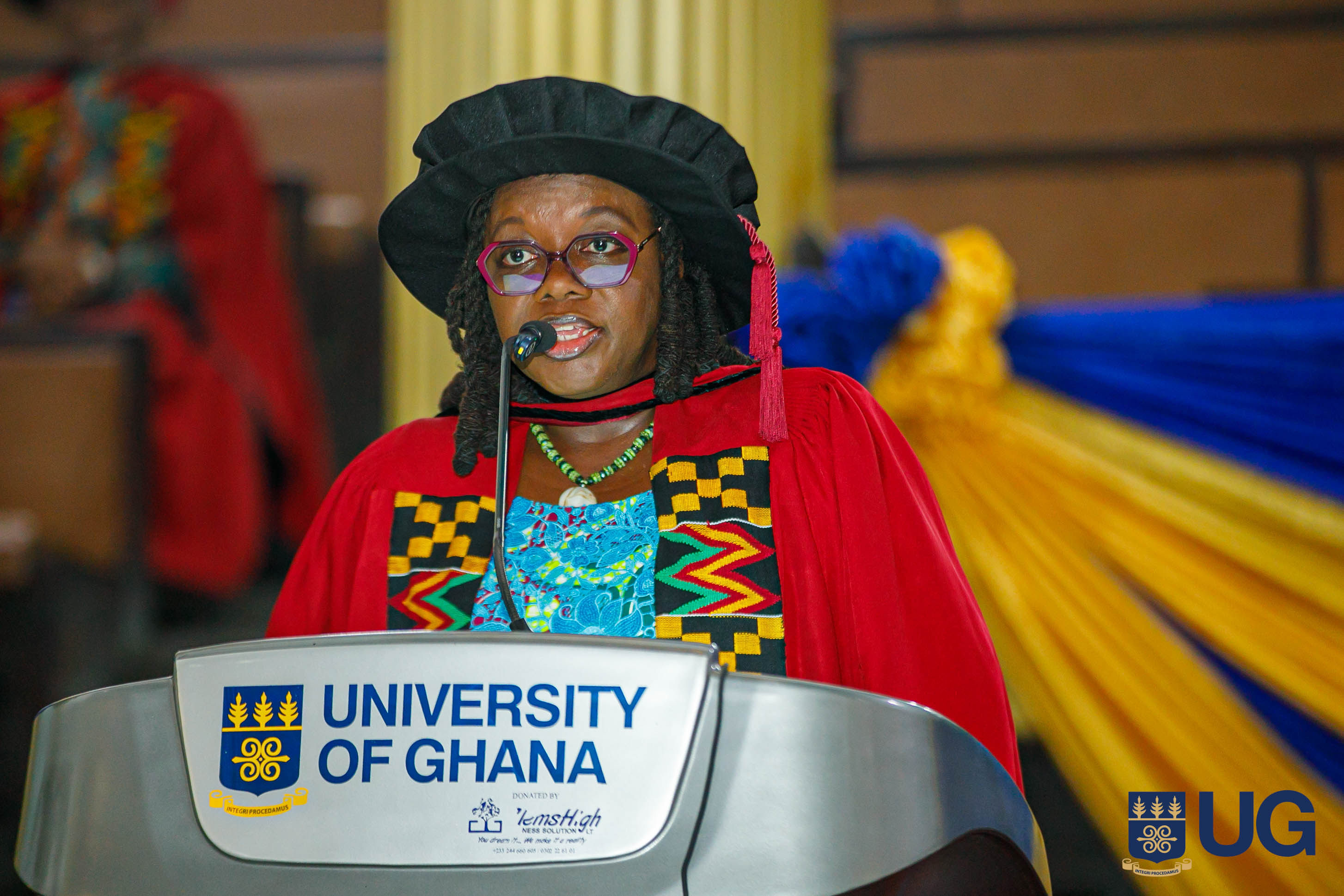
She noted that his work has helped deepen understanding of chronic kidney disease among African populations and contributed extensively to conversations around equitable healthcare systems, prevention and precision medicine on the continent.
The Vice-Chancellor further stated that the growing burden of chronic diseases, such as kidney disease, requires collaborative, research-informed and people-centred approaches that respond to Africa’s unique realities.
On behalf of the University community, she congratulated Prof. Boima on attaining the rank of full Professor and for delivering what she described as an insightful and impactful inaugural lecture.
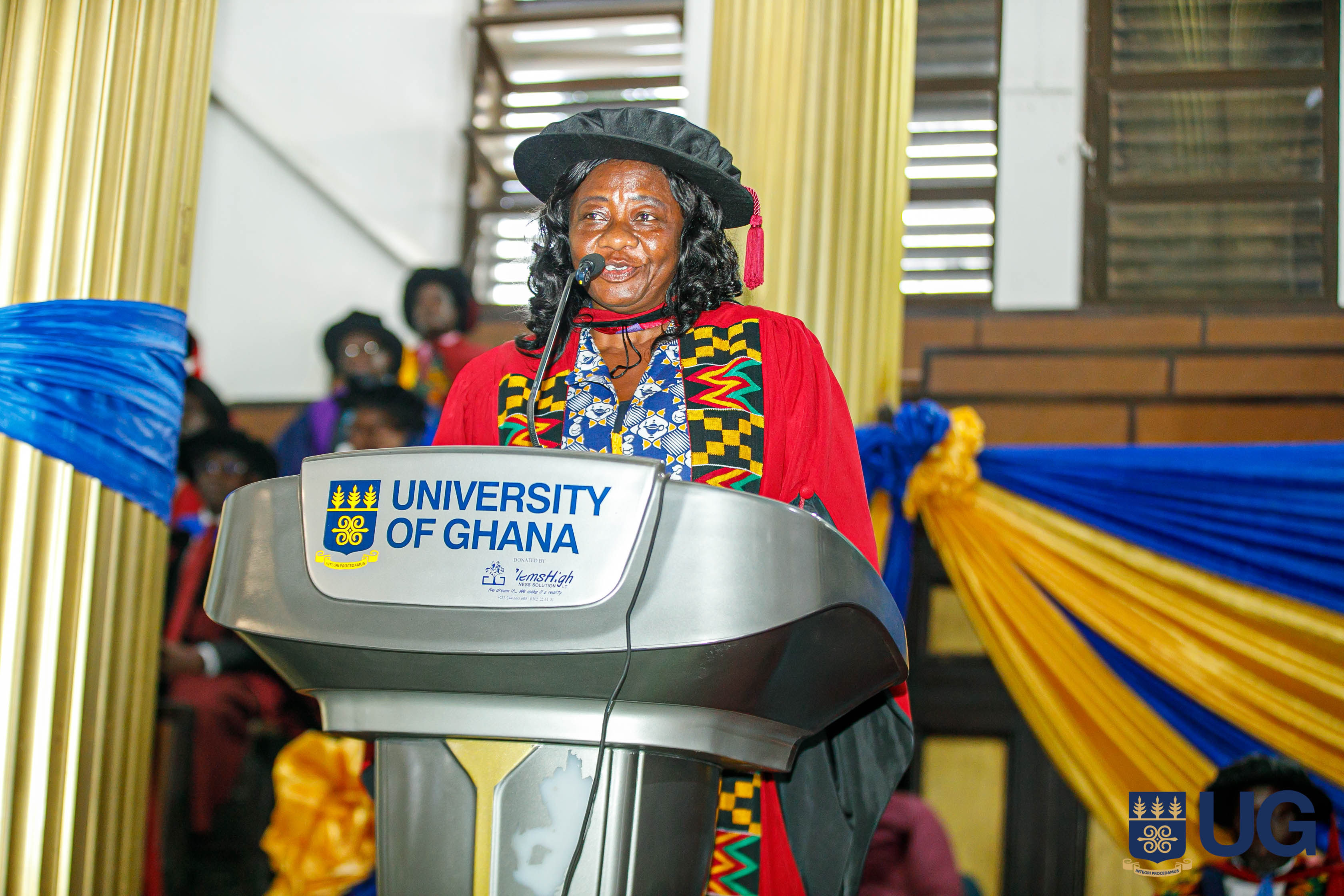
The Director of Public Affairs, Dr. Elizier Ameyaw-Buronyah, who represented the Registrar, noted the importance of inaugural lectures, which she said provide opportunities to recognise and showcase the achievements of faculty members who have risen to the rank of full professor.
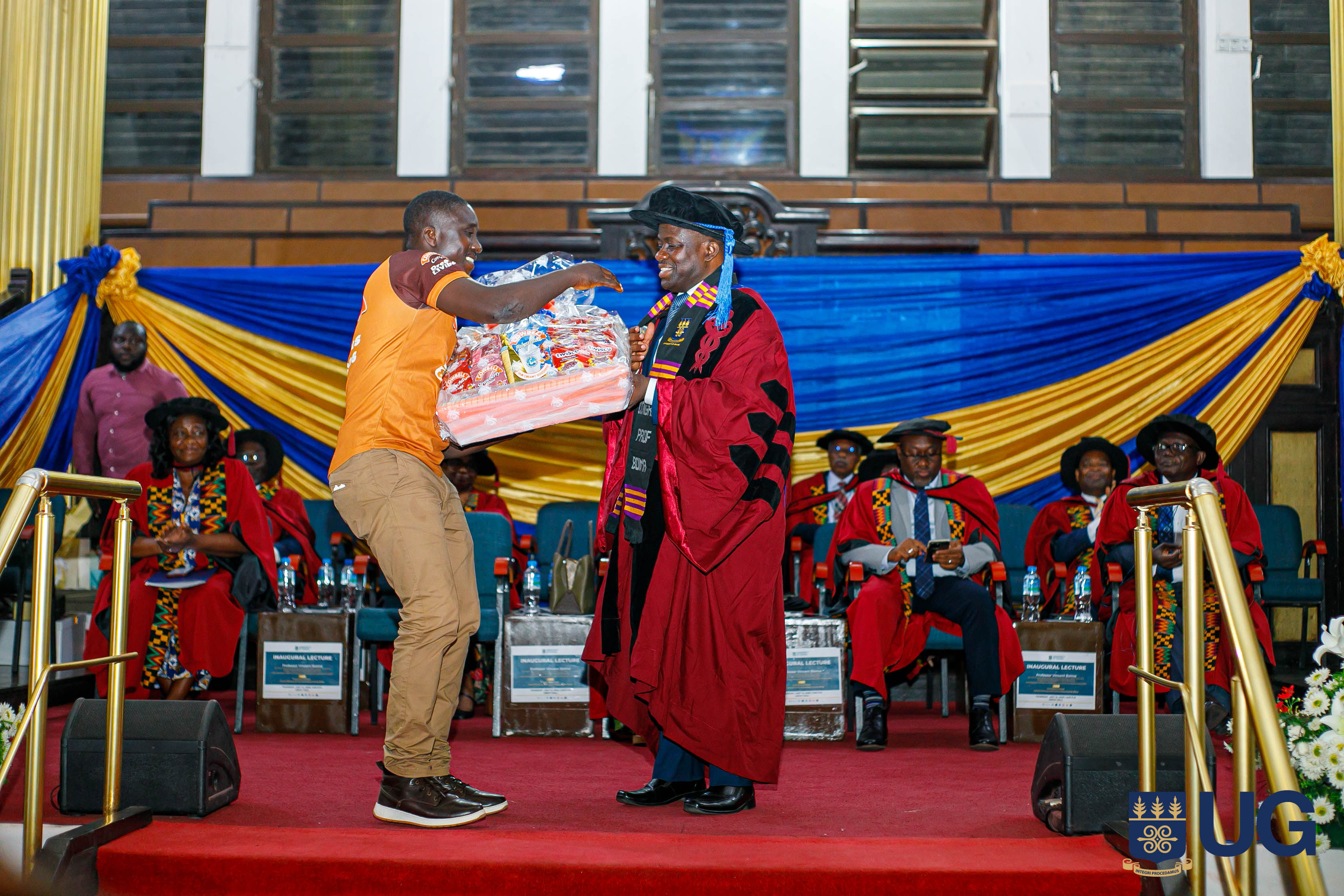
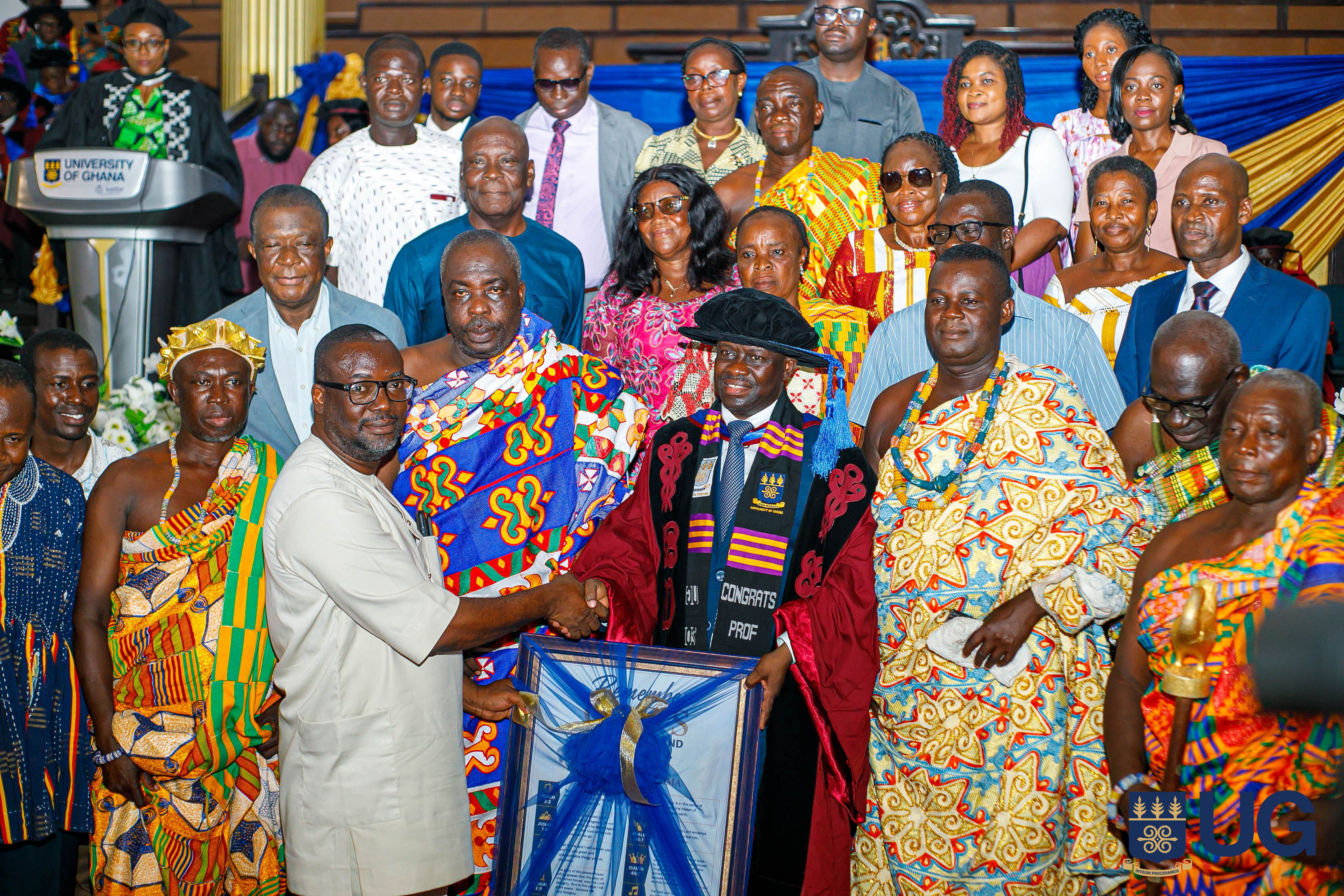
Prof. Boima received presentations from various units of the University, family and colleagues, as well as from Promasidor, the official beverage sponsor of the University’s inaugural lectures.