MIASA-CMS Policy Dialogue Calls for Stronger Link Between Migration Research, Policy and Practice in Africa
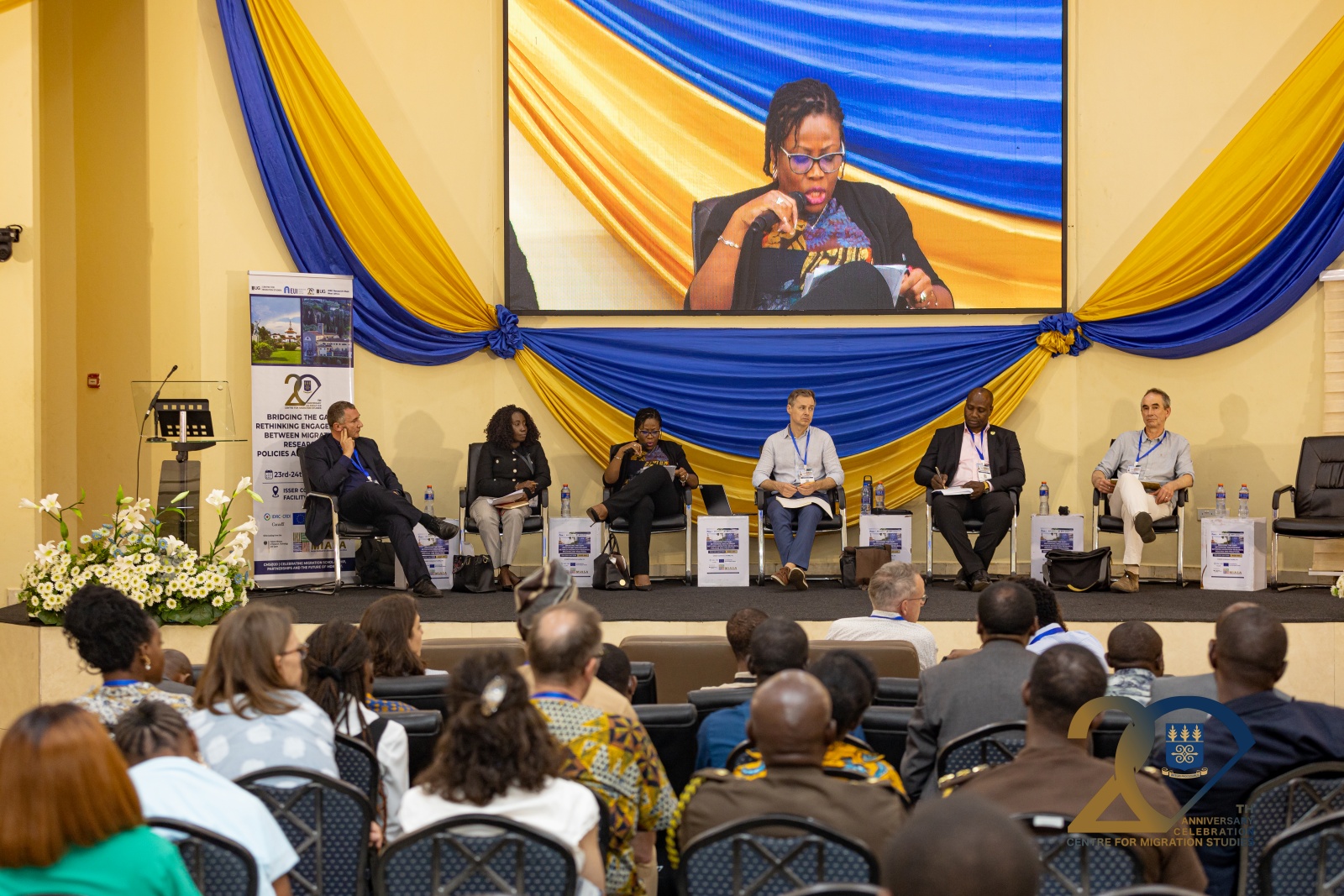
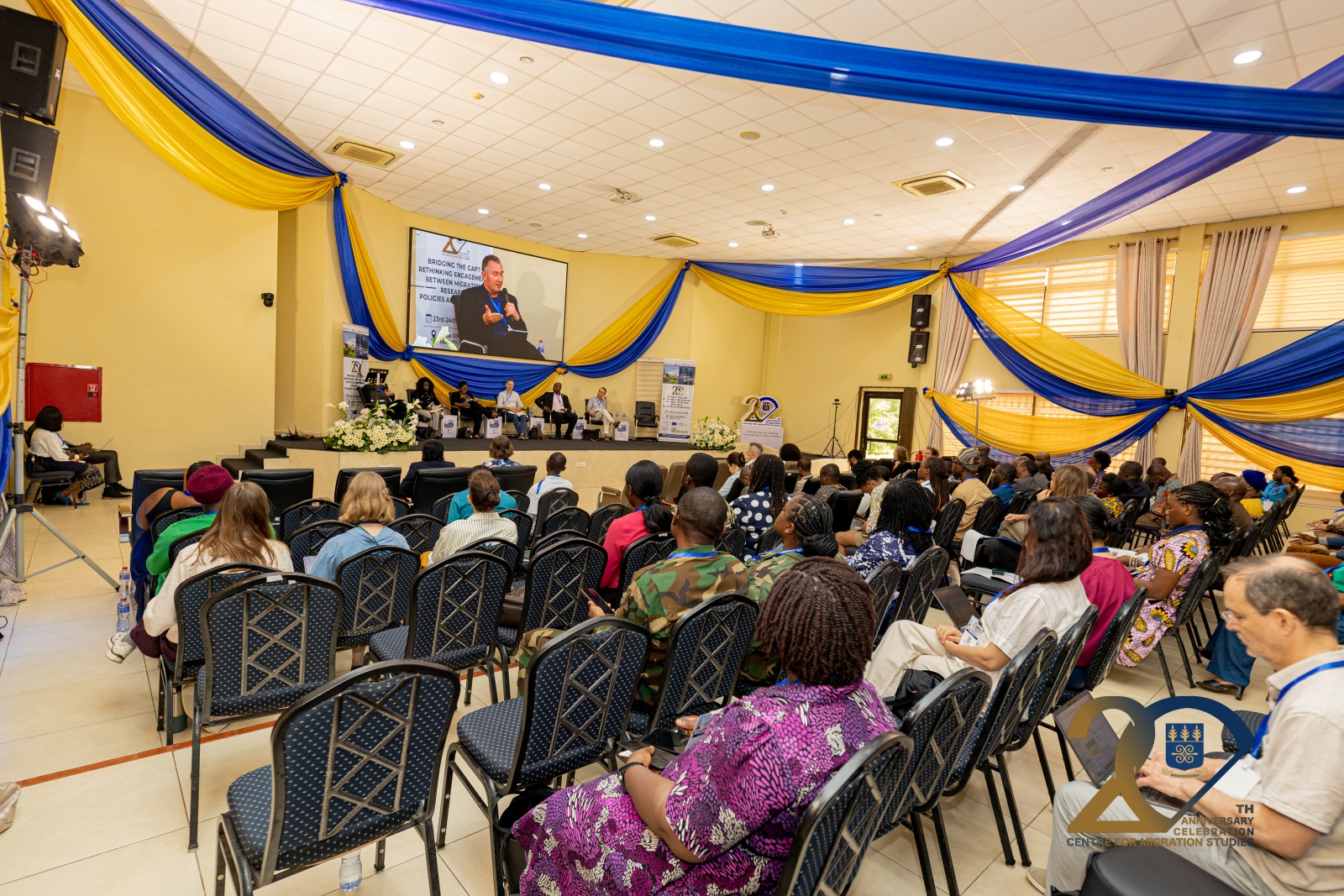
The Merian Institute for Advanced Studies in Africa (MIASA), in collaboration with the Centre for Migration Studies (CMS) and the Migration Policy Centre at the European University Institute, has hosted a high-level policy dialogue geared towards strengthening the relationship between migration research, policy and practice in Africa.
The dialogue, held as part of the 2nd CMS@20 International Conference, was themed “Bridging the Gap? Rethinking Engagement Between Migration Research, Policies and Practices” and brought together leading scholars, policy experts and practitioners to examine how research can more effectively inform migration governance on the continent.
Chairing the session, Prof. Stefan Rother, Co-Director (Germany) of MIASA, emphasised the importance of sustained dialogue between researchers and policymakers. He noted that such engagements are essential for ensuring that migration research meaningfully contributes to policy formulation and implementation, particularly in African contexts where migration dynamics are complex and rapidly evolving.
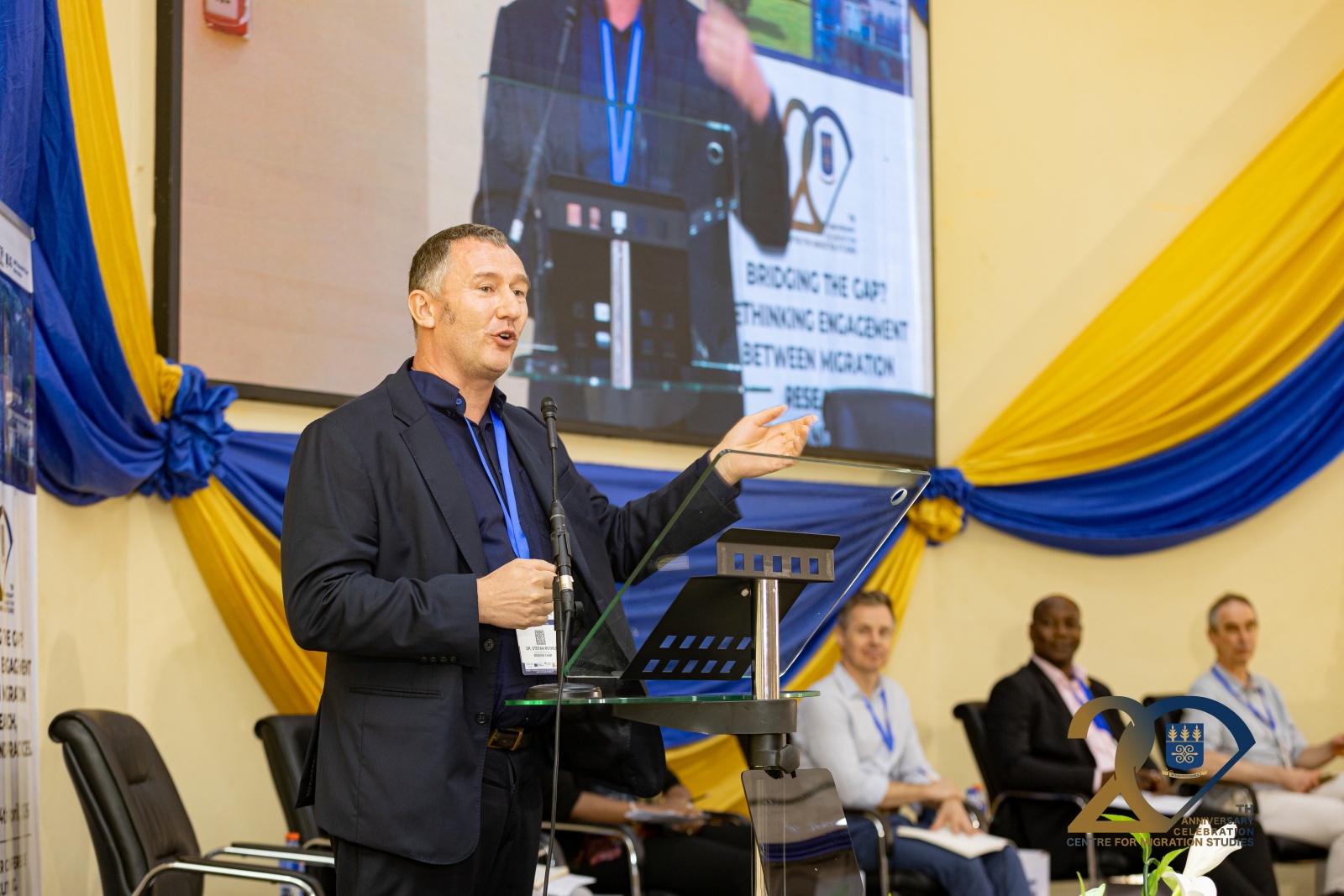
He underscored MIASA’s commitment to being part of critical conversations that bridge academia and policy, especially in areas such as migration governance, sustainable development and social transformation.
Speaking on the broader context of the dialogue, Prof. Leander Kandilige, faculty and researcher at the Centre for Migration Studies, highlighted persistent gaps between migration research and policy practice. He raised concerns about the heavy reliance on externally funded research frameworks, which often come with templates and consultancy models that are not fully aligned with local realities.
Prof. Kandilige advocated for greater use of locally generated data, indigenous knowledge systems and context-specific studies in shaping migration policy, arguing that this would enhance relevance and policy impact across African countries.
Adding a practitioner’s perspective, Abena Owusua Amponsah-Bio, Implementation Manager and Programme Component Manager for the Development-oriented Migration Programme at GIZ Office Accra, discussed the operational challenges of translating research into policy. She noted that effective migration governance requires closer collaboration between researchers, development partners and government institutions.
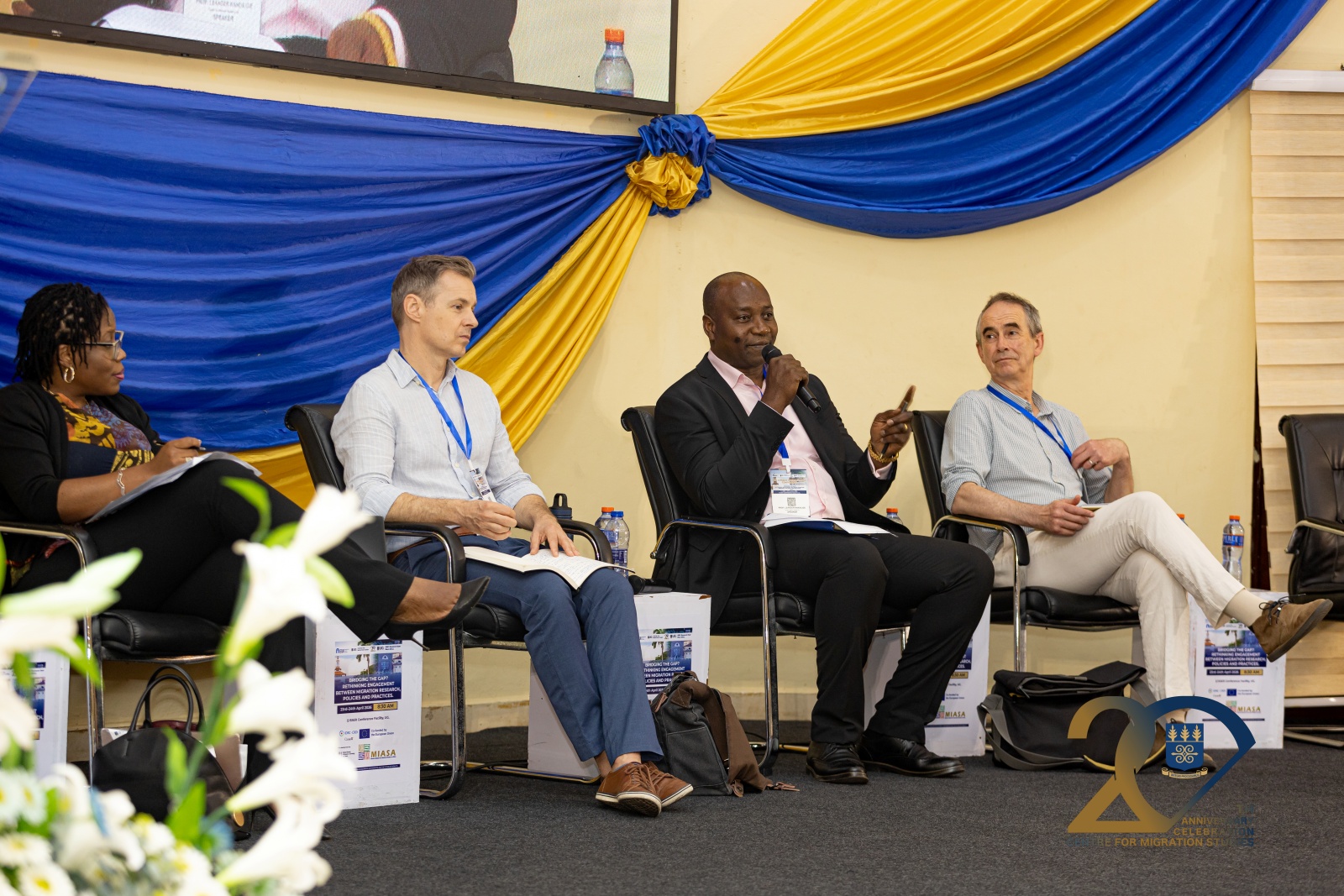
From an international policy standpoint, Kachi Madubuko, Senior Policy Officer at the International Organisation for Migration (IOM) on Trade and Mobility, stressed the importance of aligning migration policy with broader development and mobility frameworks to ensure coherence and effectiveness.
Contributing to the academic perspective, Dr. Oliver Bakewell, Reader in Migration Studies at the Global Development Institute, University of Manchester, United Kingdom, observed that migration is a global phenomenon that should not be narrowly framed as a problem. He argued that migration policies should instead recognise opportunities embedded in mobility while maintaining a balanced approach that integrates health, economic and social dimensions.
He further noted that migration governance requires cross-sectoral thinking and inclusive policy design to reflect its multidimensional nature.
The dialogue forms part of MIASA’s broader efforts to promote interdisciplinary engagement and strengthen evidence-based policymaking in Africa. It also reflects the Institute’s commitment to supporting stronger collaboration between African and international scholars in addressing pressing global challenges.