Vice-Chancellor Commends Dance Department’s Viral Dance Buzz as UG Hosts All Dance Carnival 2026
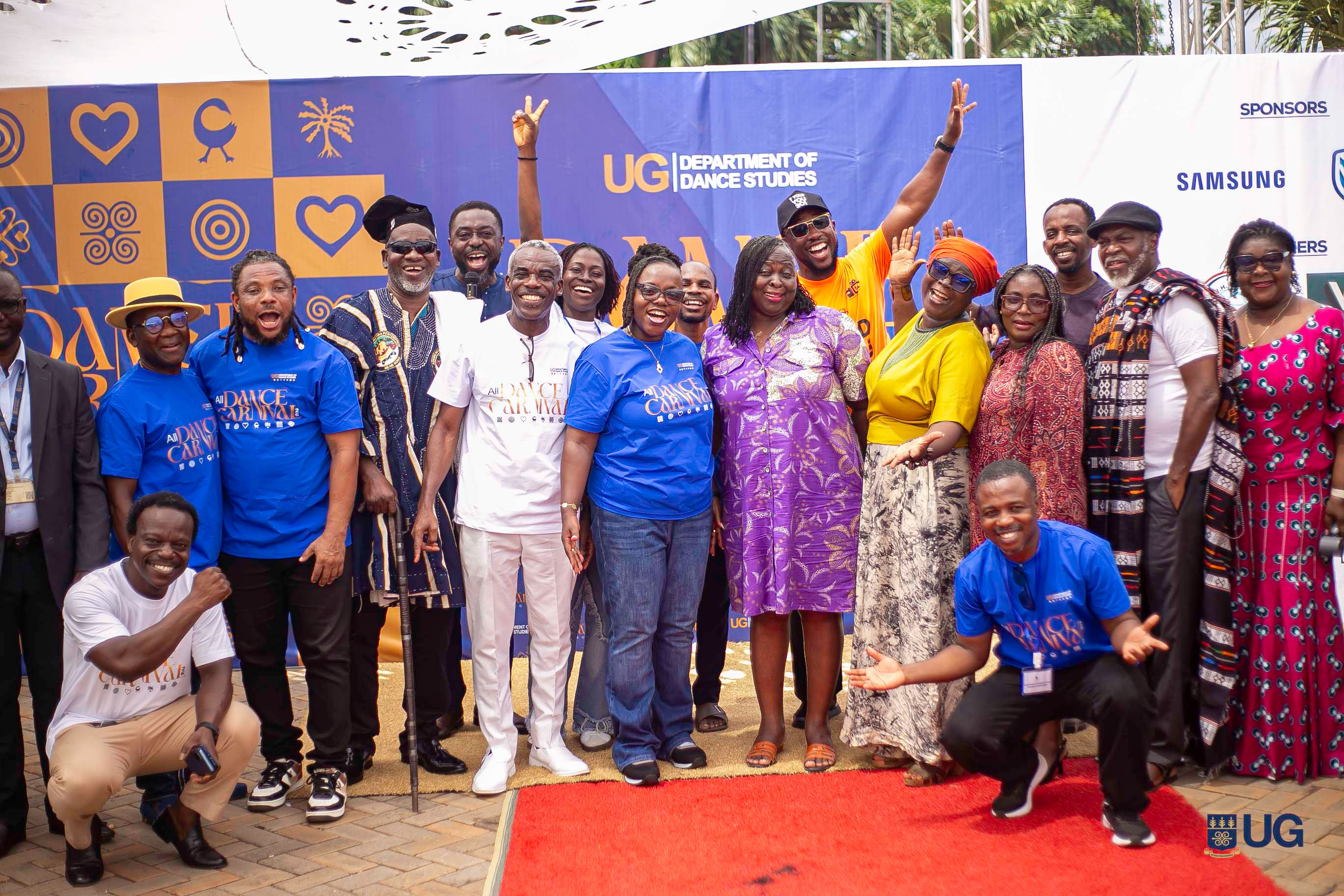
Vice-Chancellor of the University of Ghana, Prof. Nana Aba Appiah Amfo, has praised the Department of Dance Studies for its recent viral dance challenge videos, describing them as powerful evidence of the transformative potential of the arts.
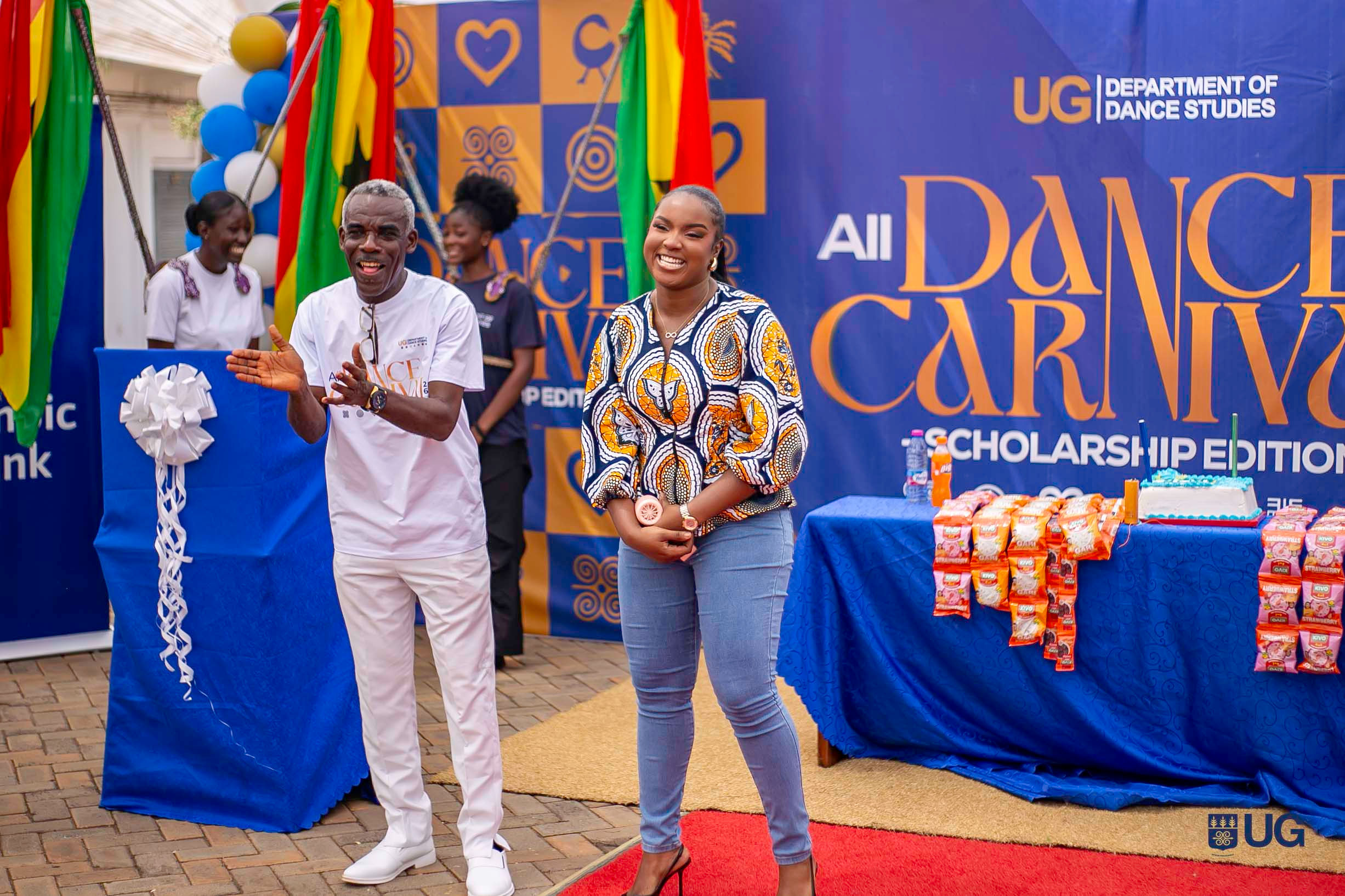
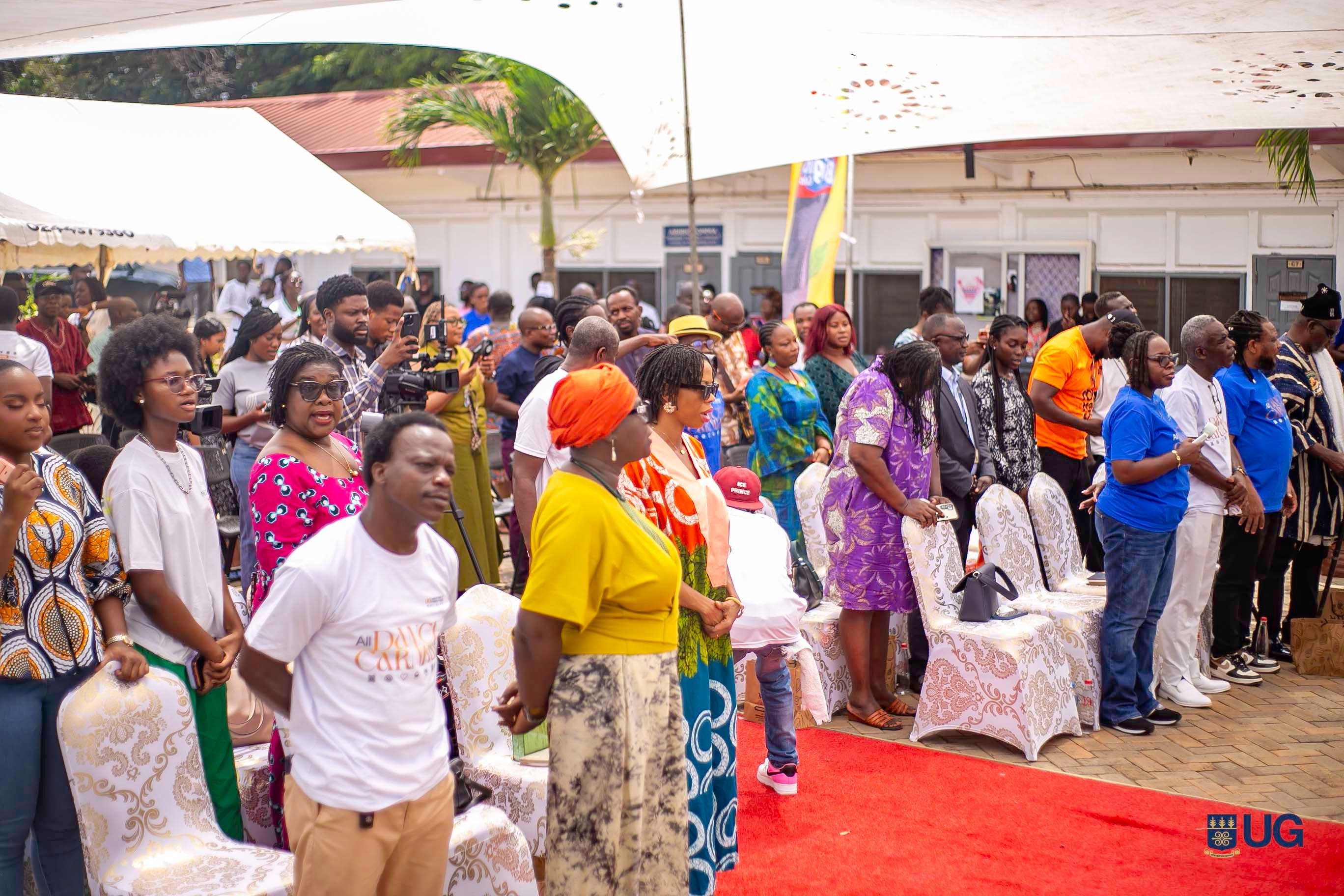
Speaking at the official launch of the All Dance Carnival 2026 at the School of Performing Arts, University of Ghana, the Vice-Chancellor commended the Department for its creativity, innovation and growing visibility. She noted that the department’s ability to capture public attention through digital platforms demonstrates how the arts can shape narratives, influence culture and expand the university’s global reach.

Prof. Amfo added that the launch of the carnival aligns with the University’s strategic priorities, expressing confidence that its impact would be felt by students, faculty, staff and external stakeholders alike. She encouraged the Department to continue pushing boundaries, embracing innovation and upholding the high standards that define the University.
“May this event grow into a flagship cultural celebration that attracts national and international recognition in the years to come,” she stated.
The All Dance Carnival 2026 is a two-day festival designed to reposition dance as both a scholarly discipline and a tool for cultural diplomacy. It will bring together traditional Ghanaian and African dances, contemporary African expressions, Afro-Latino dance forms and Afropop, alongside academic paper presentations, workshops and performance showcases.
Acting Dean of the School of Performing Arts, Dr. Sylvanus Kuwor, described the carnival as a platform for the “intellectualisation of dance,” highlighting its role in recovering and reaffirming Africa’s cultural heritage. Referencing the African philosophy of Ubuntu, he emphasised that the continent’s worldview is rooted in holism and collective identity; values the carnival seeks to embody and celebrate.

Head of the Department of Dance Studies, Dr. Terry Bright Ofosu, characterised the initiative as “a vibrant and visionary platform that celebrates the rich diversity, dynamism and transformative power of dance.” He stressed that the carnival goes beyond performance.
“This major initiative represents more than a performance showcase. It is a bold statement about the evolving role of dance in contemporary society,” he said.
Dr. Bright-Ofosu further underscored the academic dimension of the festival, noting that it creates a space where scholarship and practice intersect. “Dance is not only performed; it is studied, analysed, documented and reimagined,” he said, adding that students, researchers and practitioners will engage through workshops, symposia and performances to interrogate dance’s cultural contexts, social functions and aesthetic possibilities.
Arts and Media personality and arts advocate, Fiifi Coleman, challenged the School to take ownership of its narrative. Drawing on his experience in the media landscape, he observed that while trained arts professionals are quick to identify misrepresentations of African culture, they are often slow to assert their own voices. He urged graduates and practitioners to actively communicate their discipline to the public rather than allowing others to define it.

He also appealed to the Vice-Chancellor to continue investing in the School’s physical infrastructure, arguing that high-quality studios, theatres and outdoor performance spaces are essential to attracting audiences and students, beyond what social media visibility alone can achieve.
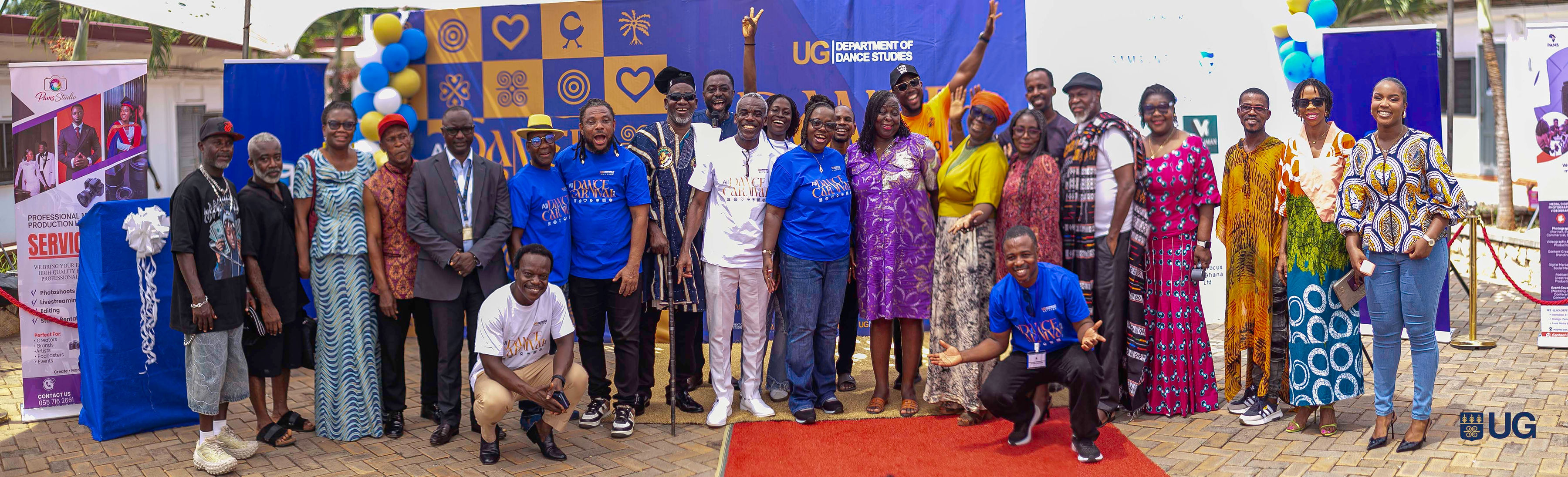
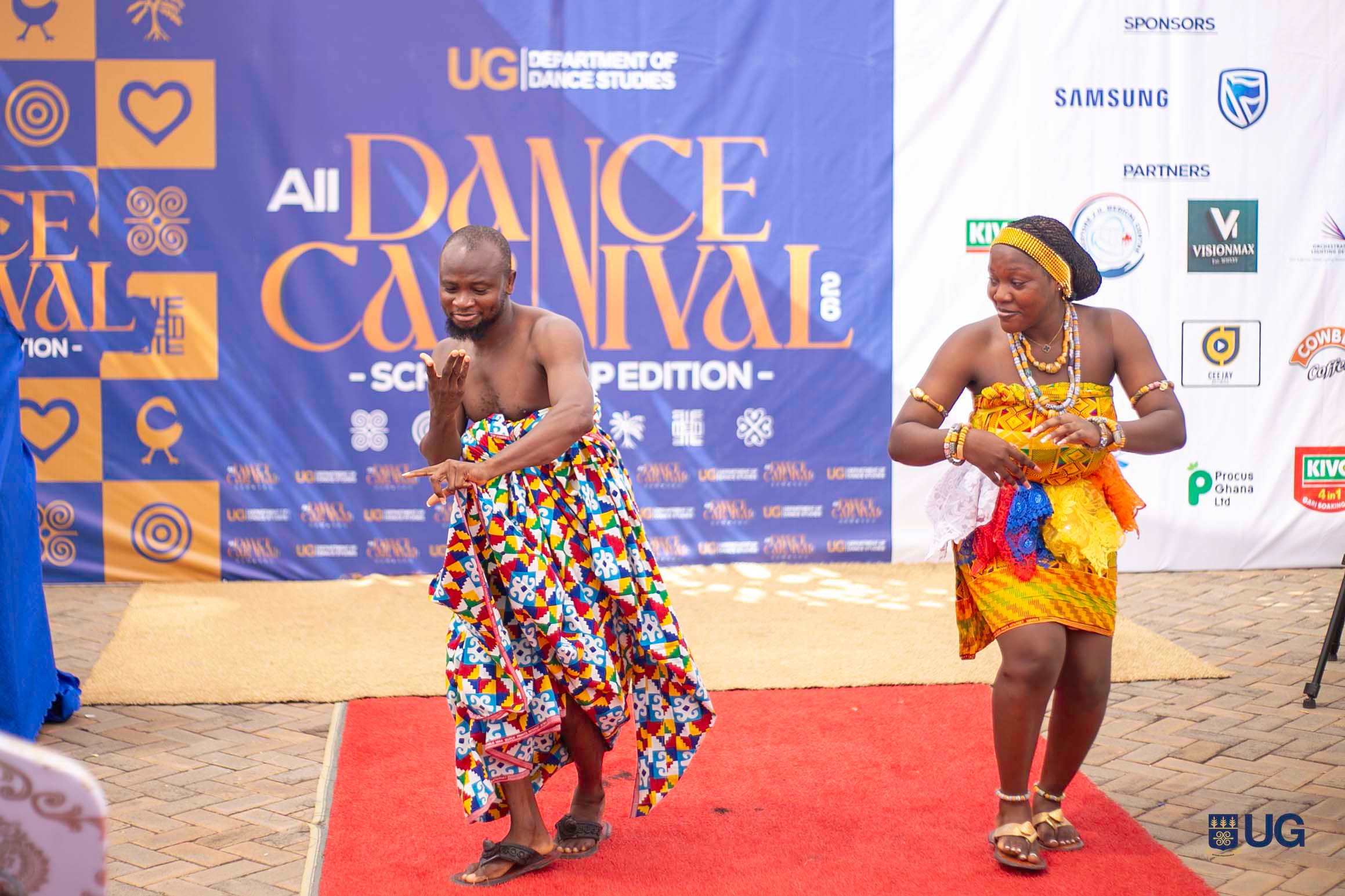
The launch concluded with performances by the Ghana Dance Ensemble and the Department of Dance team, offering a preview of the vibrancy expected at the main event.
The All Dance Carnival 2026 is open to dancers, scholars and the general public, promising a dynamic fusion of performance, academic inquiry and cultural celebration.