
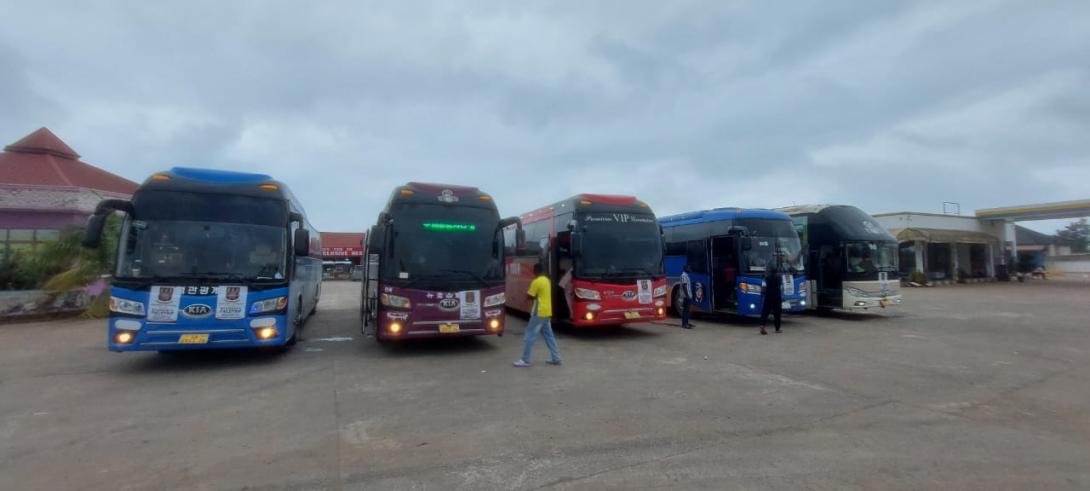
Fieldwork remains one of the most powerful classrooms the University of Ghana has to offer. This year, 236 students, supported by 8 Teaching Assistants, travelled approximately 1,500 kilometres across six regions of Ghana, transforming lecture notes into lived experiences through observation, interaction, and research.
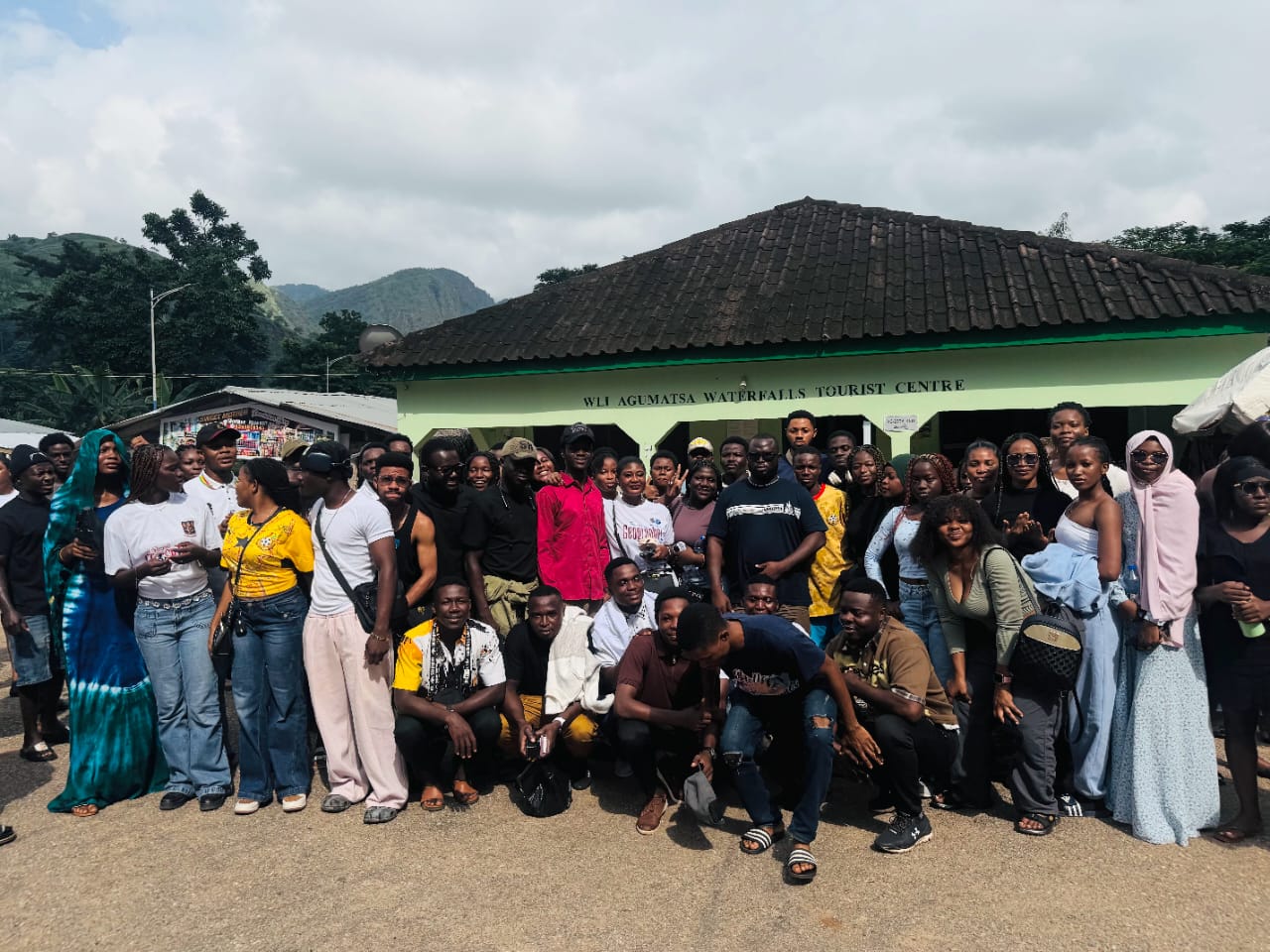
After months of planning, countless meetings, and more negotiations than I care to remember, our 2026 Geography Field Trip finally got underway.
This year's fieldtrip integrated three undergraduate courses: Agricultural Systems in the Developing World, Rural Development, and Tourism. Students worked in research groups to develop research proposals before the trip and then collected primary data in the field. Rather than simply visiting places, they engaged directly with farmers, community members, processors, and tourism stakeholders, applying classroom concepts to real-world situations while strengthening their research skills.
Our journey began in Accra and took us through the Eastern, Bono East, Savannah, Northern, Oti, and Volta Regions before returning to campus. We were warmly welcomed at the Pastoral Center in Tamale by Rev. Sister Patience, whose hospitality set the tone for the days ahead.
The following morning, we split into two groups. One group travelled to Golinga, where students interacted with communities within the Golinga Dam catchment area. The other visited Nyankpala to engage with rice farmers and tour local rice mills. Later, both groups converged at Dimabi, where we interacted with shea processors and learned about the opportunities and challenges within the shea value chain. At every stop, students interviewed community members, observed local livelihoods, and collected data for their research projects. It was encouraging to watch them move from learning research methods in the classroom to confidently applying them in the field.
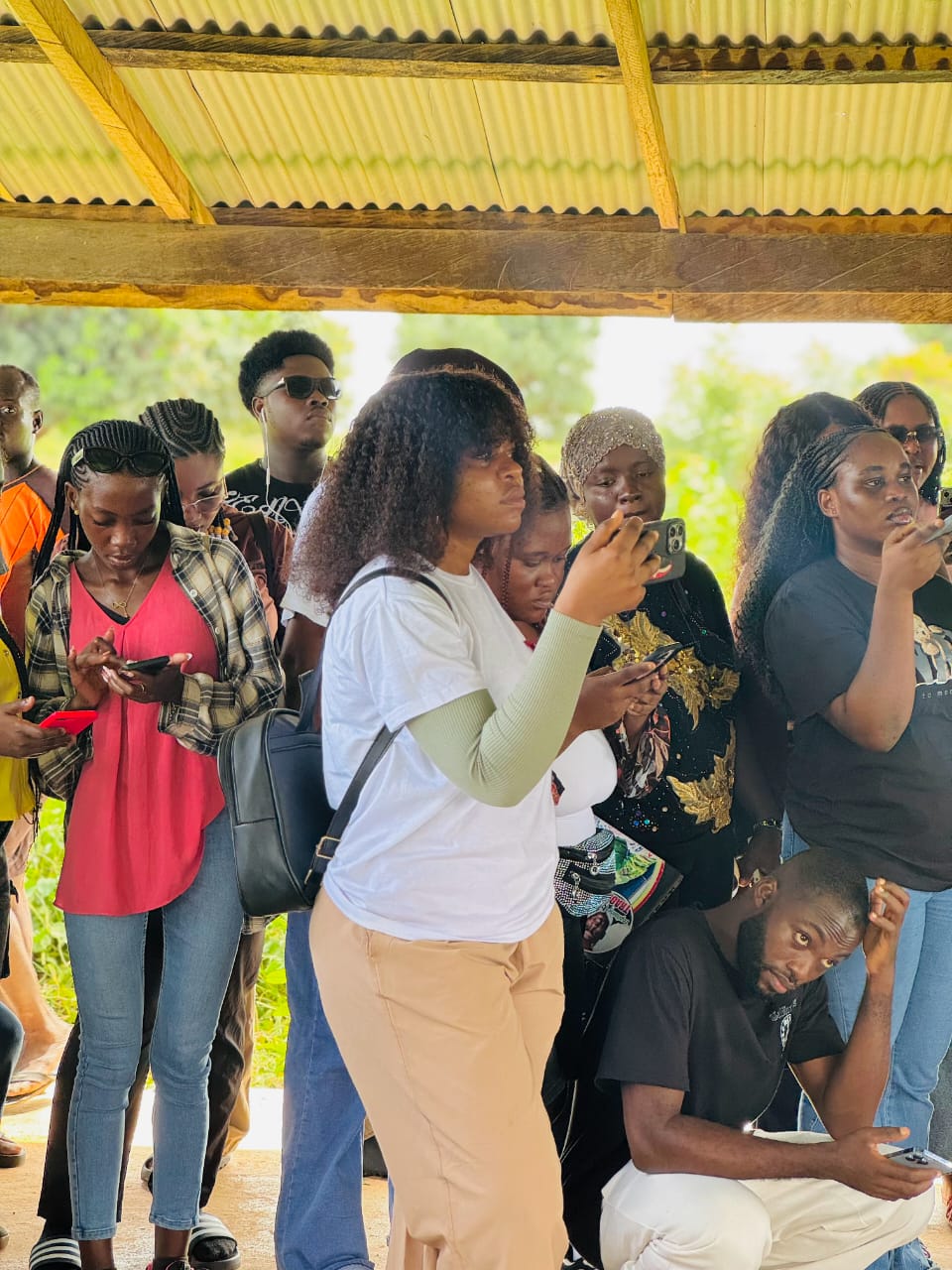
As part of giving our students a broader appreciation of Ghana's landscapes and communities, we decided to return to Accra via the Eastern Corridor. My first instinct was to travel through Dambai and cross the Volta Lake by ferry. However, my able drivers, led by Nana Frimpong, advised against it. "What if there's a long queue at the ferry? What if the ferry breaks down?" they asked. It was sound advice, so we continued through Yendi, Bimbila, Nkwanta, Jasikan, and Hohoe.
What none of us anticipated was that finding food would become the biggest challenge of the day!
Because we left Tamale very early, we missed breakfast. The plan was to eat in Bimbila, but our options were limited; we had only a roadside waakye seller, a beans seller, and a few grocery shops. Somehow, I ended up having a cup of coffee with wagashie. Please don't ask me why!  Meanwhile, many of the students explored the famous Bimbila Yam Market and took the opportunity to stock up on yams.
We continued with the hope of finding food in Nkwanta. No luck. Surely Hohoe would come to the rescue? We were wrong again. Being a Sunday, many eateries were closed. We settled for whatever food we could find before continuing to Wli Waterfalls.
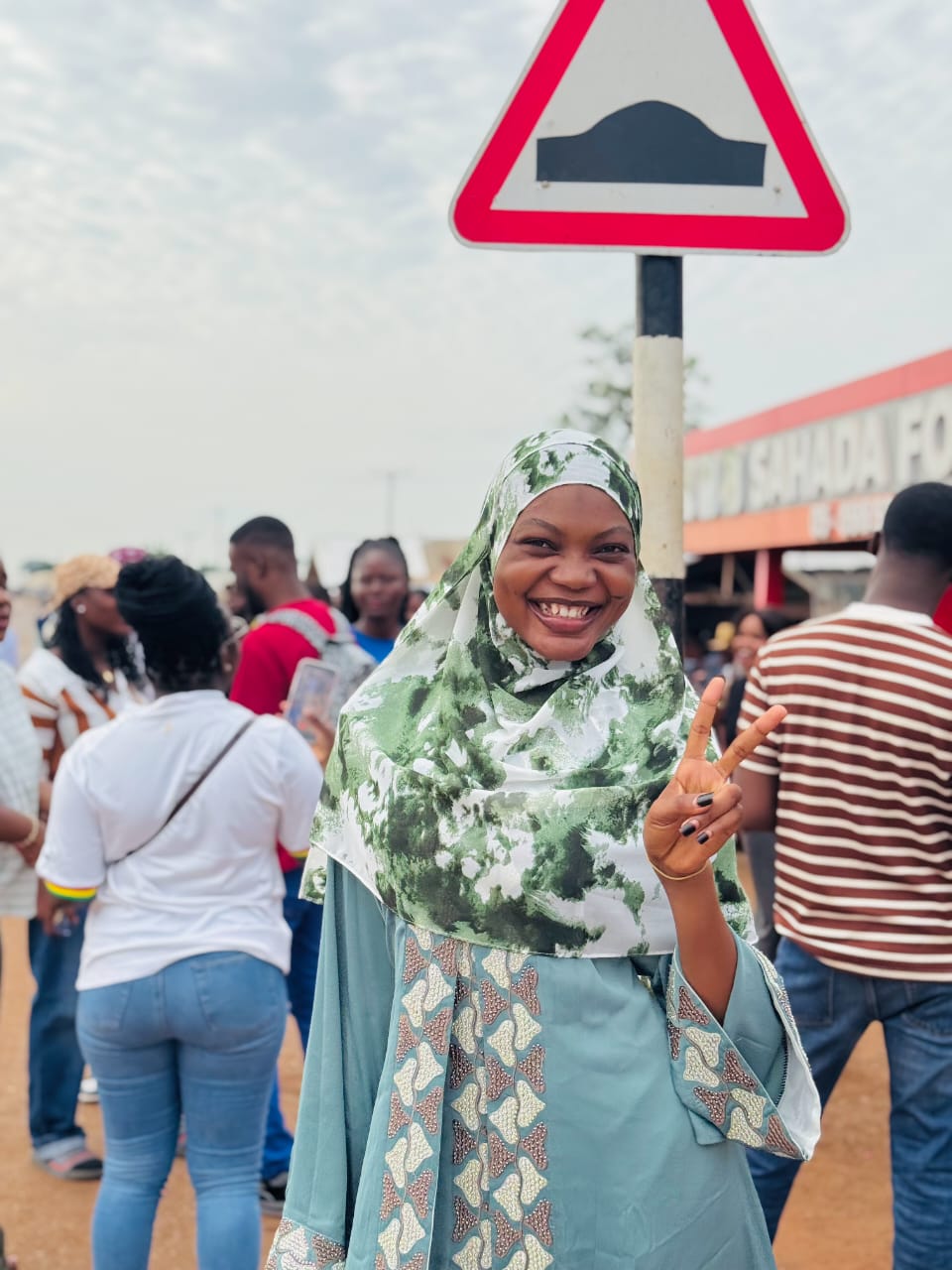
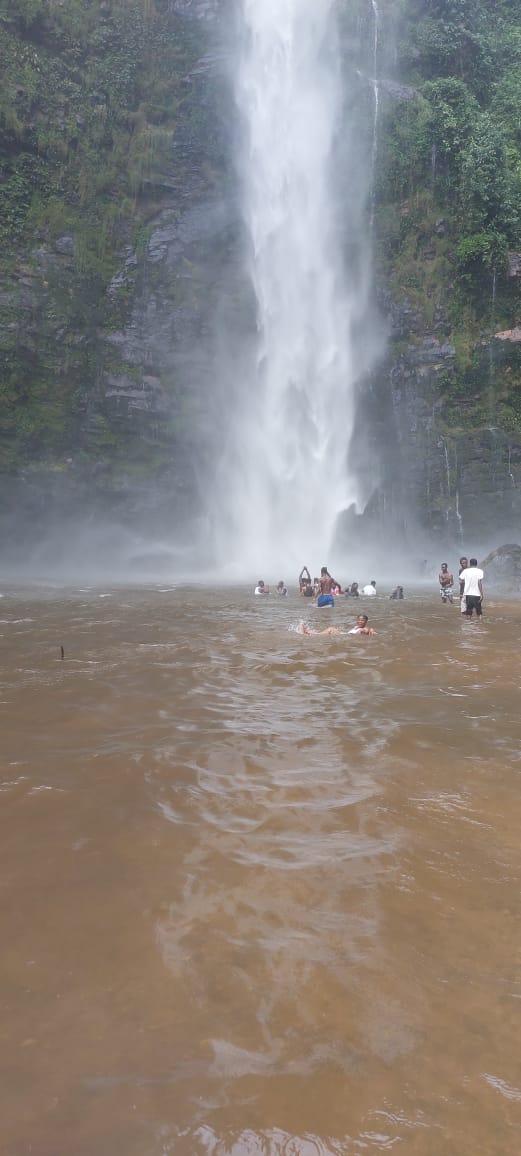
The visit to Wli was as refreshing as ever. While many students immersed themselves in the beauty of the Agumatsa Forest Reserve and the waterfalls, our Tourism students had work to do. They interviewed tour guides and collected data, reminding us that fieldwork often requires balancing the enjoyment of a place with the discipline of systematic observation. Unfortunately, time was no longer on our side, so we had to cancel our planned visit to the Tafi Monkey Sanctuary.
From Wli, we travelled through Fodome, Golokwati, Peki, Asikuma, and Atimpoku, where we finally rewarded ourselves with some evening abolo (not my surname, Ablo! ), weevi ("one man thousand"), afali (oysters), shrimps, and fish before joining the Akosombo–Tema Highway back to campus.
Looking back, this fieldtrip was about much more than travelling across Ghana. It was an opportunity for students to experience firsthand the interconnectedness of agricultural systems, rural development, tourism, and community livelihoods. They returned not only with data for their research projects but also with a deeper appreciation of the people, places, and processes that shape development in Ghana. Equally important, they learned that successful field research requires preparation, flexibility, patience, teamwork, and sometimes the ability to keep going despite unexpected challenges, including a long search for food.
I am deeply grateful to my colleague, @Dr. Faiza Omar; our Provost, Prof Joseph Yaro; all our Teaching Assistants; our dedicated drivers; and especially our course representatives, whose commitment and hard work made this fieldtrip possible.
I must admit, I couldn't help smiling whenever the course reps became frustrated by colleagues who delayed the buses or ignored instructions. For a brief moment, they experienced the daily realities of being a lecturer! Leadership often looks much easier from the outside.
To our UG Geography students of #2026, thank you for your enthusiasm, resilience, curiosity, and good humour. You represented the Department of Geography and Resource Development exceptionally well, and I hope this experience reminds you that some of the most important lessons in geography are learned not in lecture hall, but in the communities we study.
And we're not done yet!
Our research assistants Ivan (Asafoatse Blogs), Christian, Naomi, Victor, Muhammed, and the rest of the team have been working behind the scenes to document the entire fieldtrip. They are putting together a video documentary that captures the journey, the field research, the communities we visited, and the unforgettable moments along the way.
Watch out for it on our soon-to-be-launched YouTube channel. We can't wait to share the experience with you!
Until the next fieldtrip!
Coordinated by Professor Austin Dziwornu Ablo
#UGGeography #Fieldwork #ExperientialLearning #AgriculturalSystems #RuralDevelopment #Tourism #UniversityOfGhana #Geography #Research #Ghana