NMIMR and JICA Commence 6th Edition of Third Country Training Programme to Strengthen Laboratory Capacity in Africa
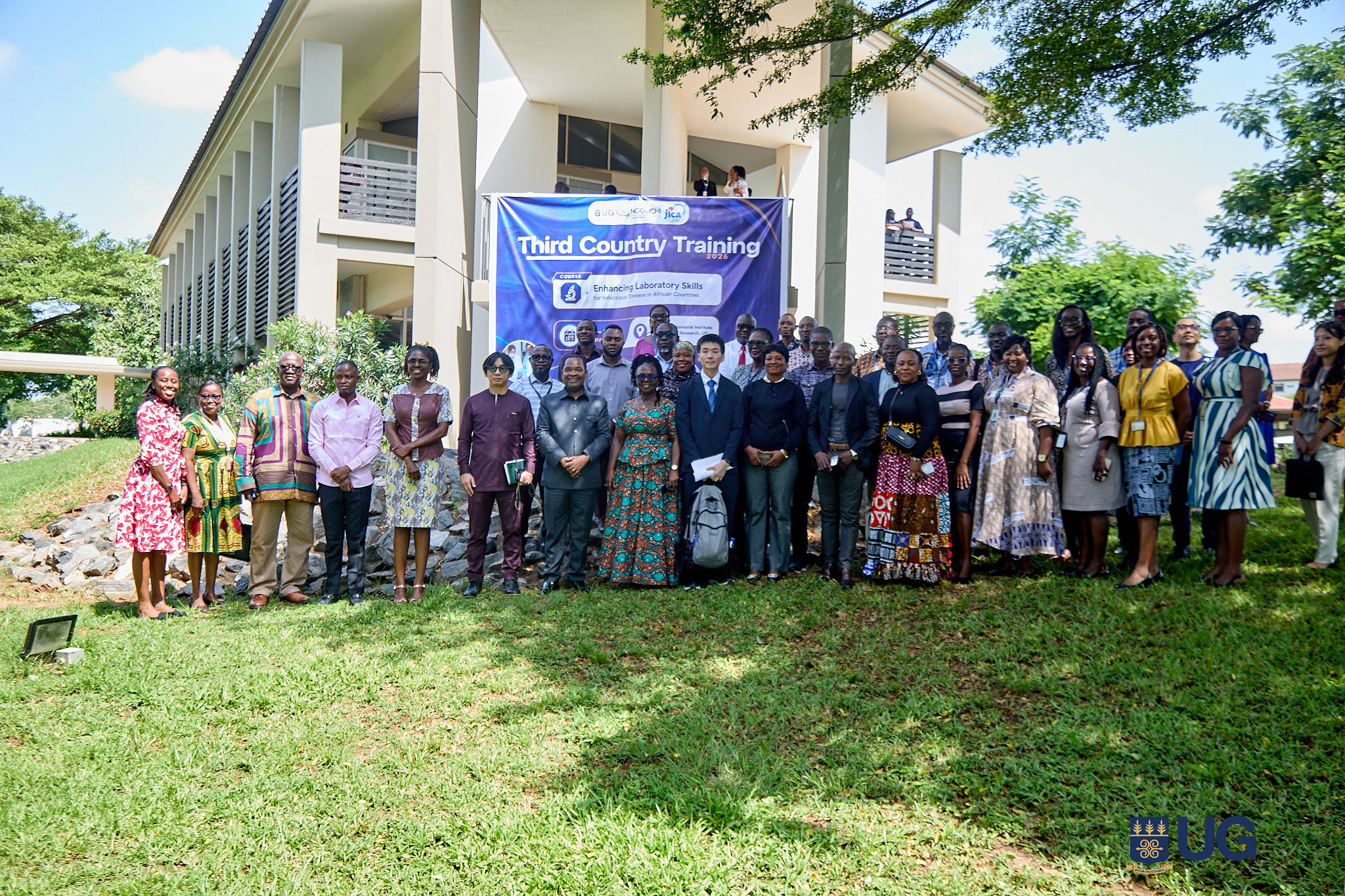
Amidst the resurgence of infectious disease threats across parts of Africa, the Noguchi Memorial Institute for Medical Research (NMIMR), in collaboration with the Japan International Cooperation Agency (JICA), has commenced the sixth edition of its Third Country Training Programme to strengthen the capacity of public health and laboratory scientists across the region.
This latest edition of the programme continues NMIMR’s broader commitment to biomedical research, training and public health capacity building across Africa, particularly at a time when health systems are facing increasing pressure from emerging and re-emerging infectious diseases.
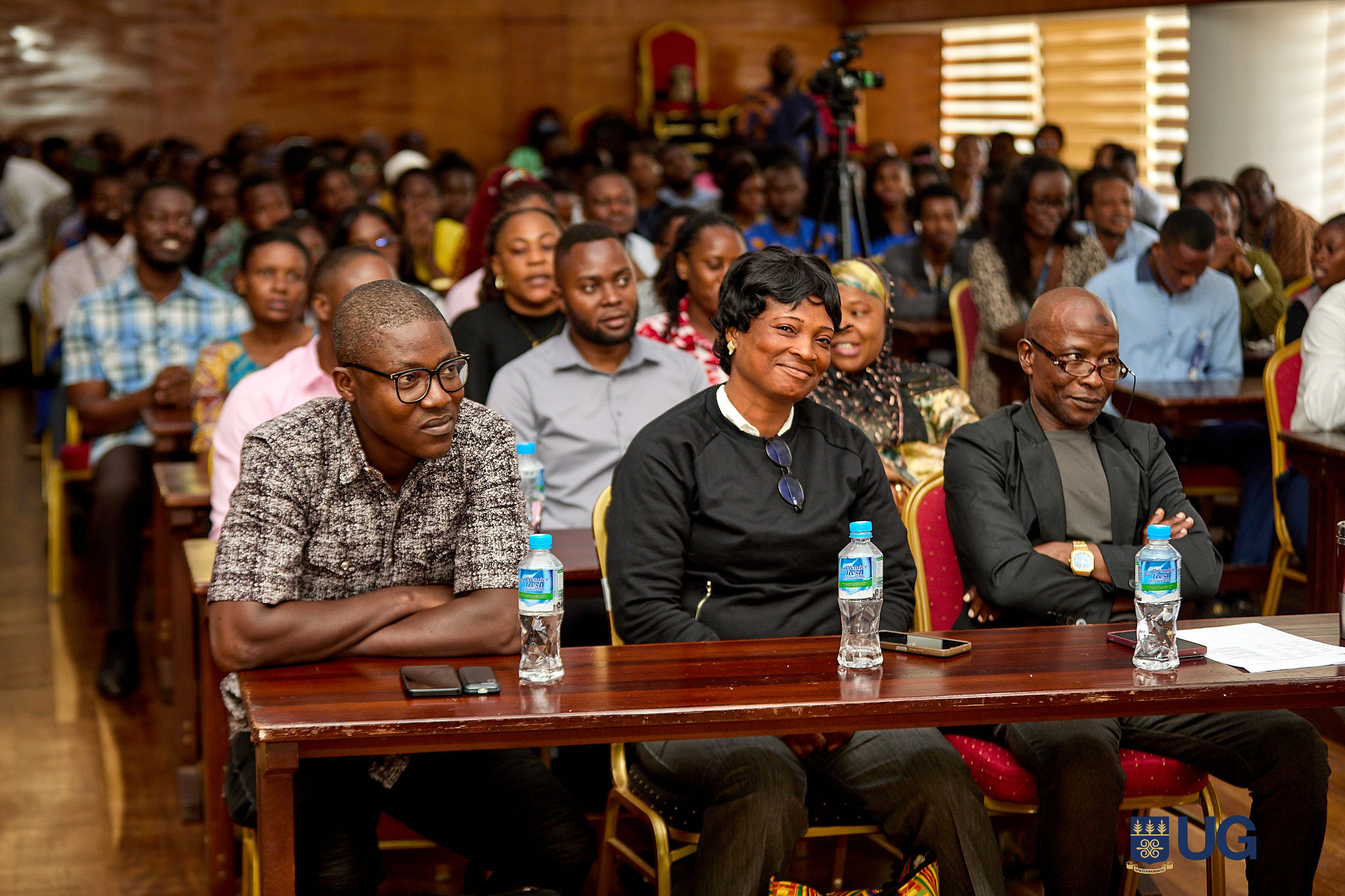
Building on this mandate, the month-long in-person training, running from 1st to 26th June 2026 at the NMIMR Advanced Research Laboratories, follows an earlier online component held from 20th April to 15th May 2026. The blended programme brings together eight participants from Ghana, Liberia, Nigeria, Sierra Leone, Togo and Zambia, drawn from national public health and reference laboratories, with the goal of strengthening competencies in infectious disease diagnosis, surveillance and laboratory management.
The programme has become increasingly significant amid growing regional health threats such as Ebola, Mpox and Lassa fever, as countries across Africa intensify efforts to strengthen health security systems and improve outbreak preparedness.
Speaking at a brief ceremony at the Institute’s Auditorium to open the training, NMIMR Director, Prof. Dorothy Yeboah-Manu, emphasised that sustained investment in human resource development and research infrastructure is critical to ensuring preparedness and resilience in the face of public health emergencies.
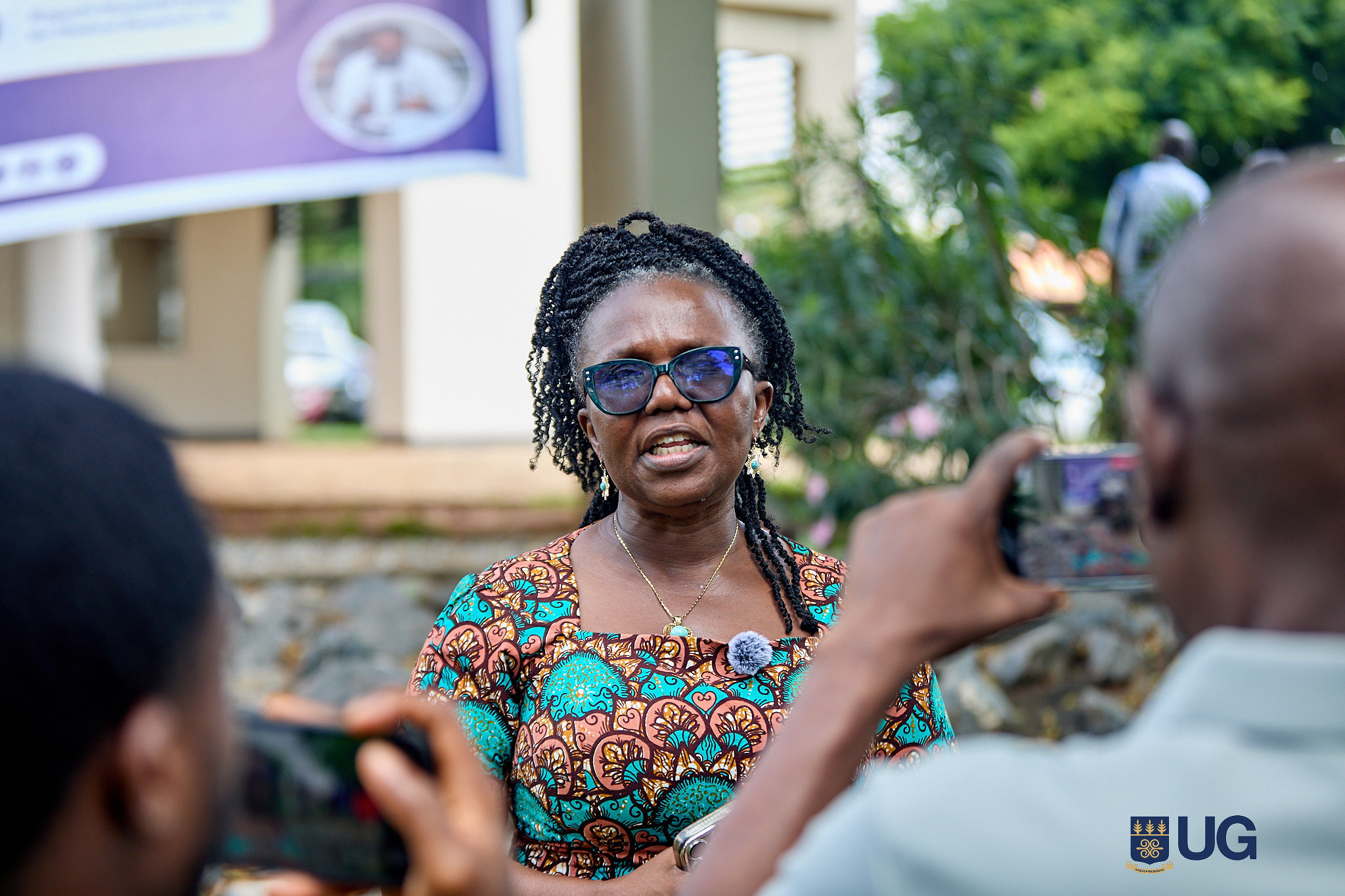
The Director noted that NMIMR has established itself as a regional hub for biomedical research and one of Africa’s leading institutions in public health and laboratory sciences, playing a key role in disease surveillance, diagnosis and control across the continent.
Prof. Yeboah-Manu further expressed appreciation to the Japan International Cooperation Agency (JICA) and the Embassy of Japan in Ghana for their continued partnership, stressing that such collaborations remain central to the Institute’s capacity-building agenda. She explained that participants will benefit from hands-on training across NMIMR’s specialised departments, including Virology, Parasitology, Bacteriology, Immunology and Molecular Biology, which together form the backbone of the Institute’s advanced diagnostic systems.
In addition, she indicated that the training will also cover Biosafety and Biosecurity, Quality Management Systems (QMS) and advanced diagnostic techniques essential for modern infectious disease control.
The Director added that the programme is deliberately structured to strengthen technical competence and to foster interdisciplinary collaboration and leadership skills that enable participants translate laboratory expertise into effective public health action in their respective countries.
Chairing the ceremony, the Provost of the College of Health Sciences, Prof. Alfred Edwin Yawson, described the commencement of the training as timely, stating that it comes at a critical moment when countries are intensifying efforts to strengthen disease surveillance and preparedness systems.
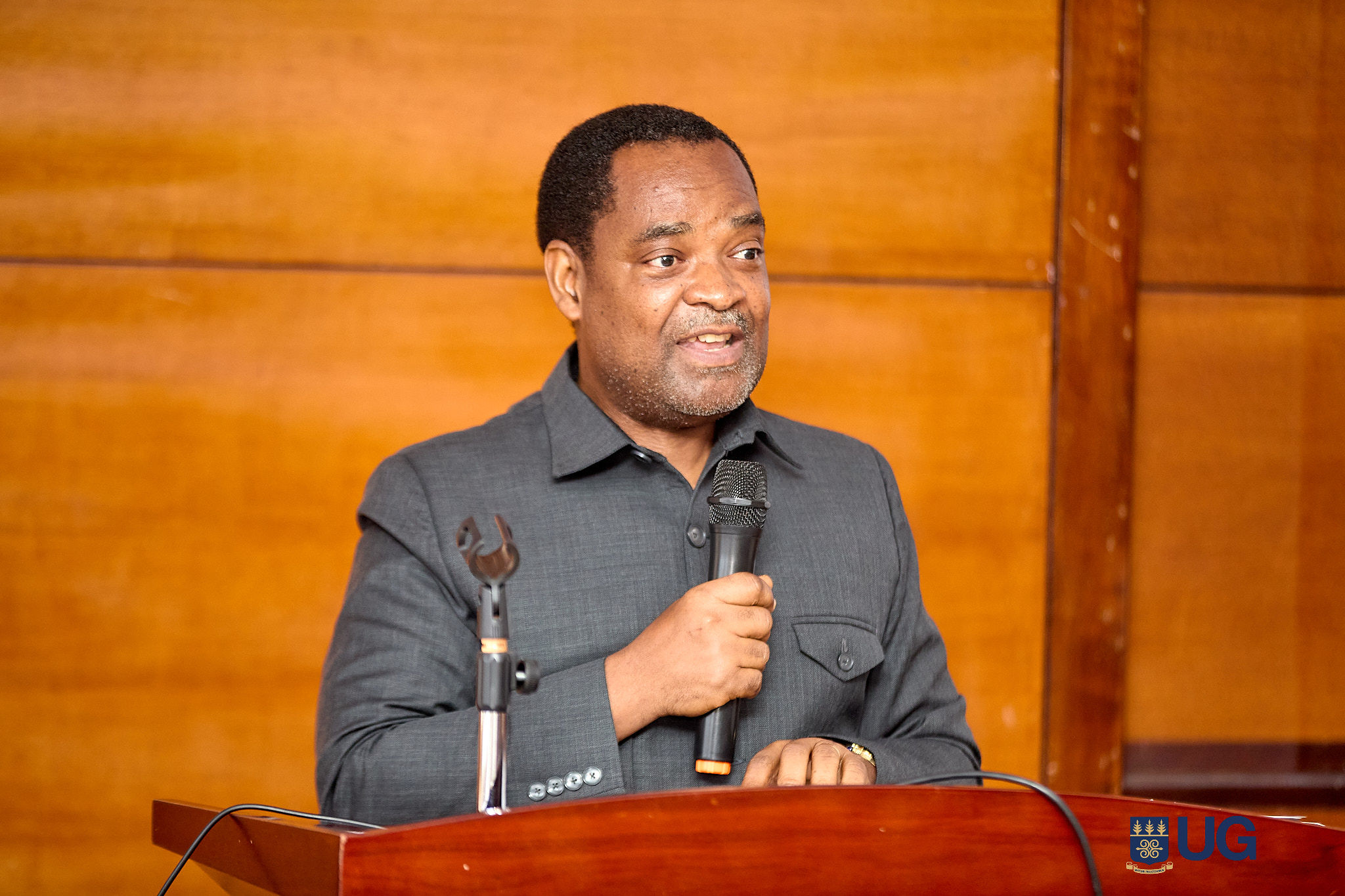
He commended NMIMR and JICA for sustaining the programme since 2019 despite global disruptions, including the COVID-19 pandemic and underscored the importance of continued collaboration in building a resilient Africa capable of responding to climate-sensitive and infectious disease threats.
He further observed that the dividends of such training initiatives are already visible in strengthened laboratory systems across participating countries and called for sustained investment in capacity-building partnerships as a key pillar of regional health security.
Reinforcing this perspective, a representative of the World Health Organisation (WHO) Country Office, Dr. Sally Anne Ohene, speaking on behalf of the Country Representative, commended NMIMR, JICA and the Embassy of Japan for their sustained collaboration.
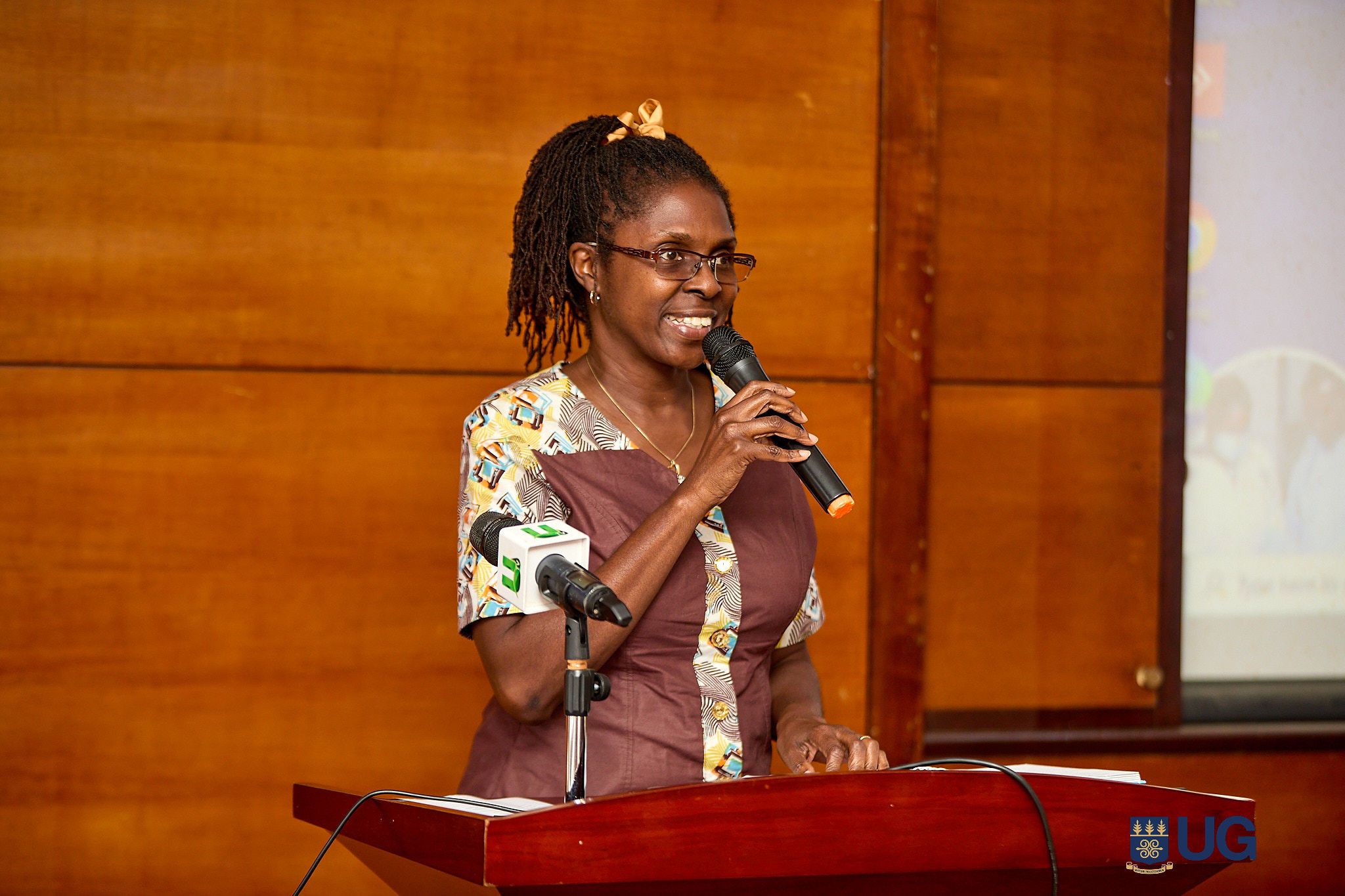
She noted that recent global health emergencies highlight the urgent need for continuous investment in skilled laboratory personnel, robust surveillance systems and stronger cross-border cooperation to effectively manage infectious disease outbreaks.
Similarly, the Chief Representative of JICA, Mr. Takayuki Uchiyama, reaffirmed the Agency’s commitment to strengthening the partnership, intimating that the programme has delivered measurable impact since its inception.

He explained that it continues to build technical capacity while fostering strong professional networks among laboratory scientists across Africa, which are essential for coordinated regional response to health threats.
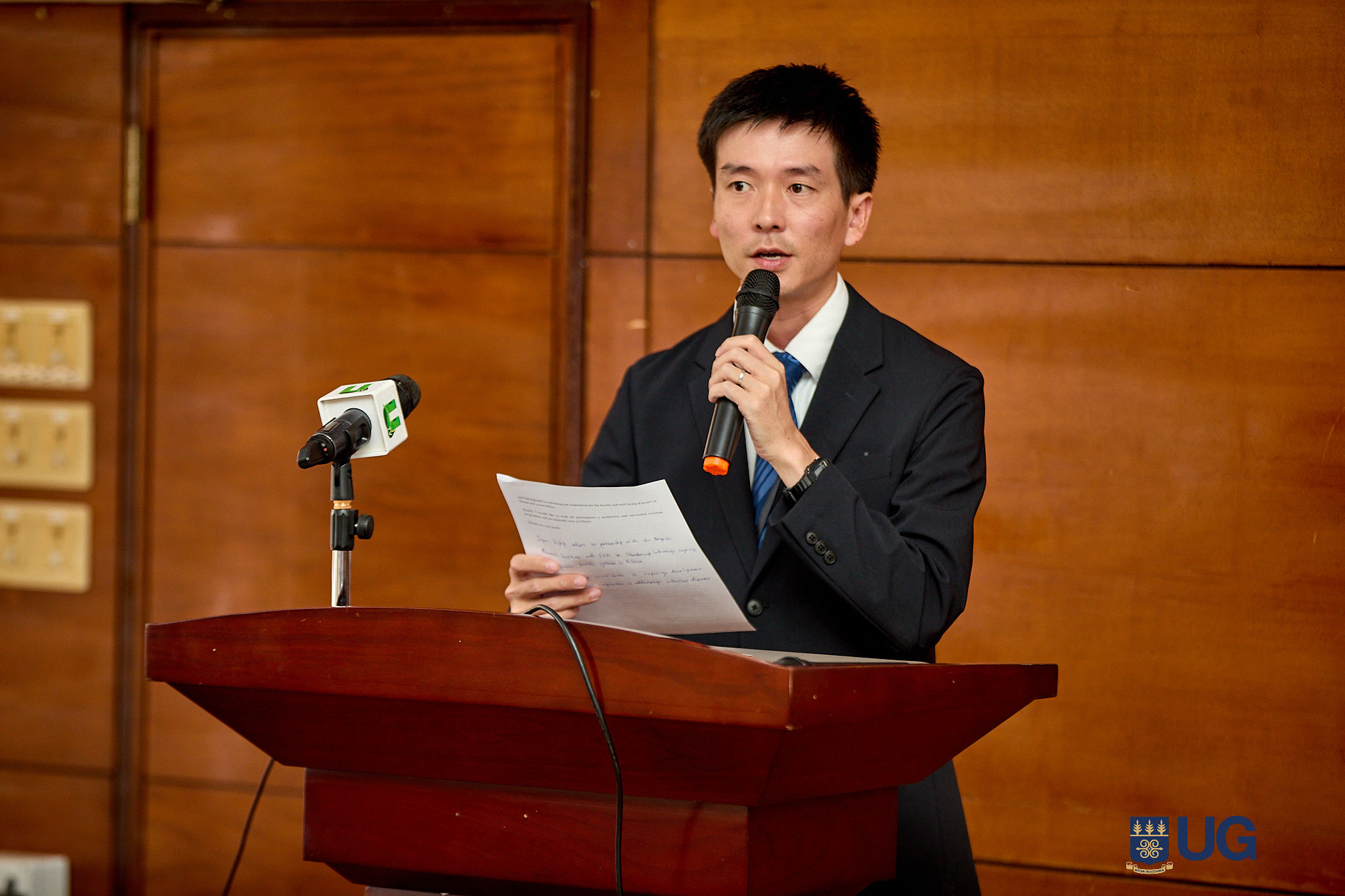
Adding the perspective of Japan’s diplomatic mission, a representative of the Embassy of Japan in Ghana, Mr. Takuma Teratani, expressed appreciation to NMIMR for its continued leadership in the programme. He described the initiative as a strong symbol of long-standing cooperation between Ghana and Japan, observing that it remains vital in strengthening disease surveillance systems and building technical expertise to respond to emerging health challenges.
Since its inception in 2019, the Third Country Training Programme has trained 72 professionals across Africa, many of whom have gone on to play key roles in their countries’ responses to public health emergencies, including the COVID-19 pandemic.
Against this backdrop, the current cohort is expected to further strengthen laboratory systems, improve diagnostic capacity, enhance quality assurance practices and deepen regional collaboration, ultimately contributing to stronger health security and improved outbreak preparedness across Africa.
